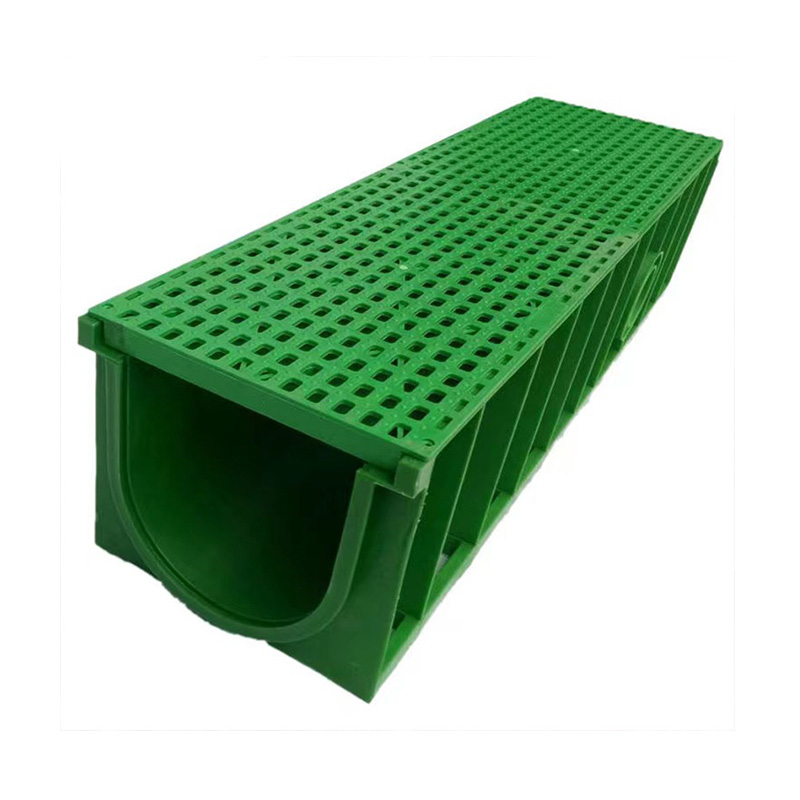
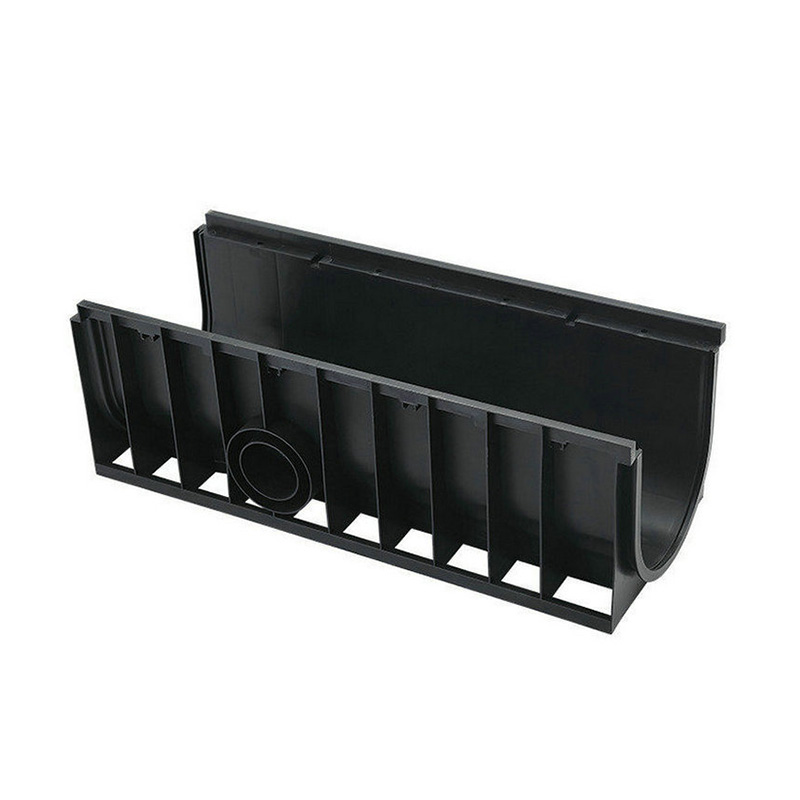
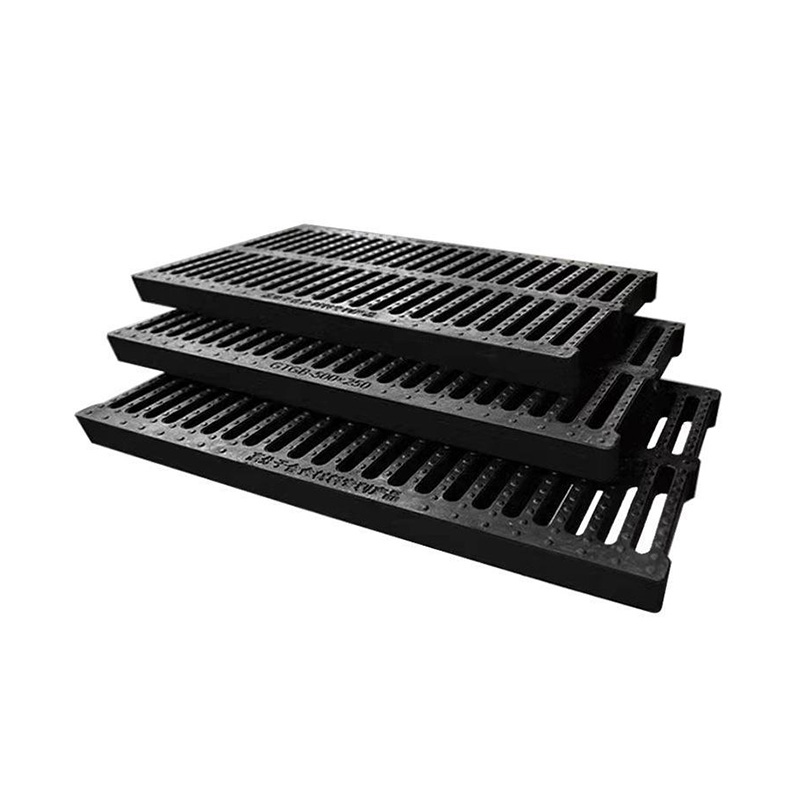
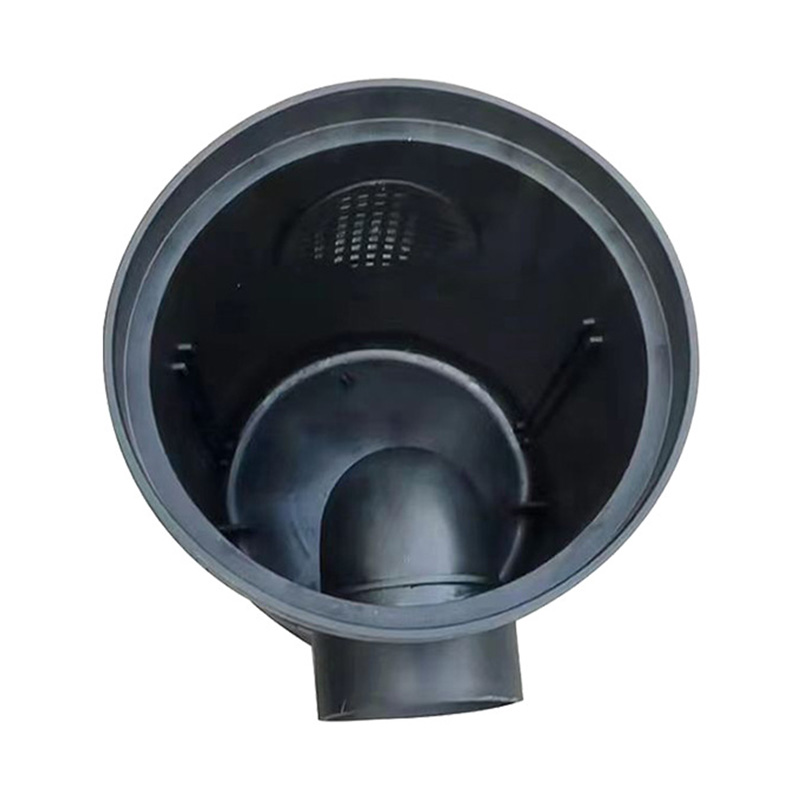
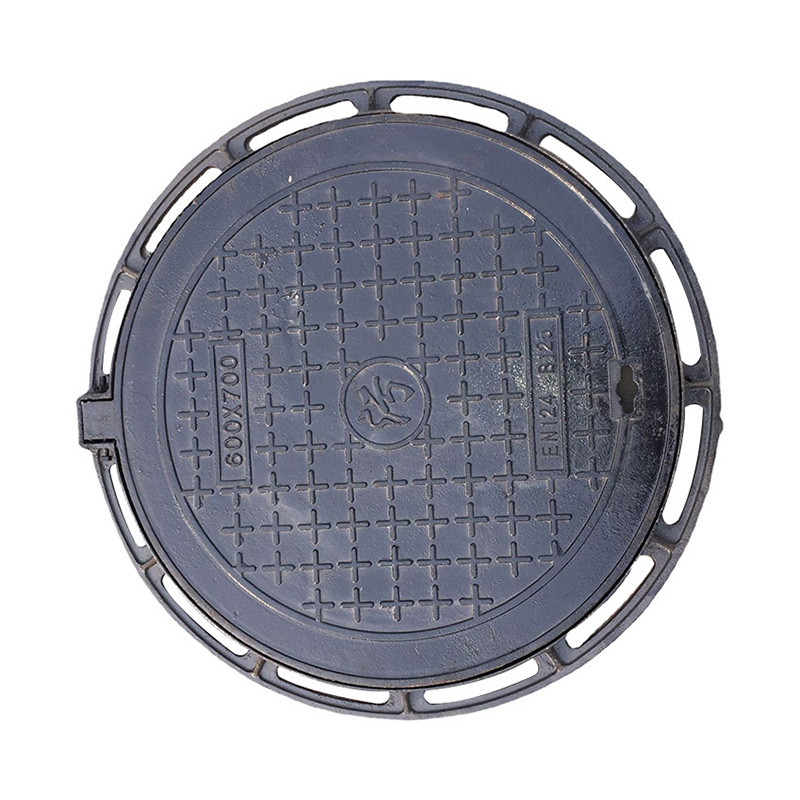
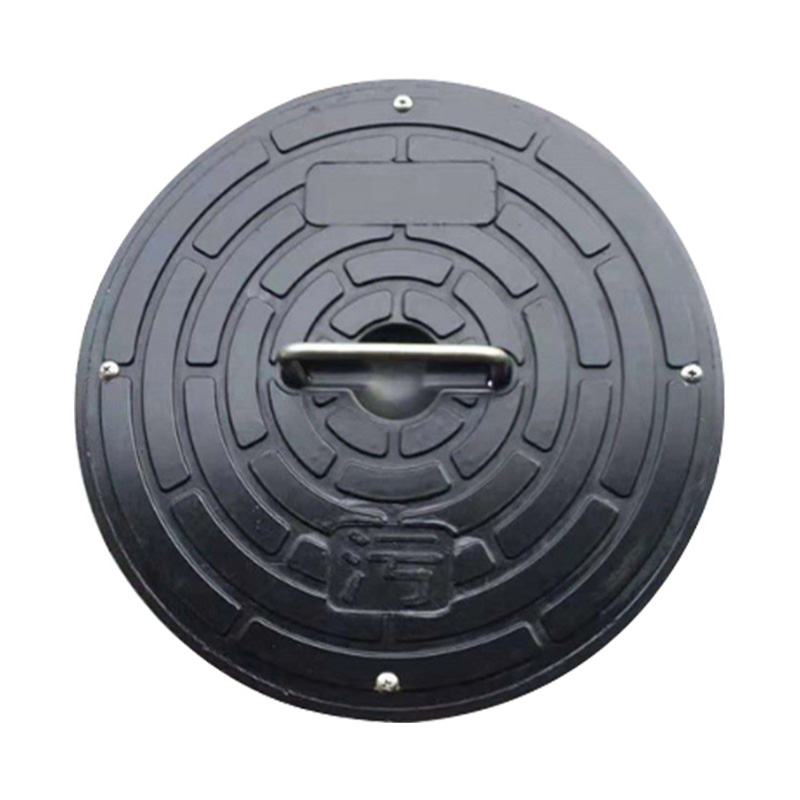
When installing outdoor drainage solutions, many property owners choose a plastic channel drain grate because of its affordability and corrosion resistance. These grates are designed to cover trenches that redirect rainwater and surface runoff away from structures. Likewise, a plastic trench grate serves a similar purpose in shallow surface channels, making them popular for driveways, patios, and walkways. However, one issue that frequently comes up in online discussions is how these plastic components behave under hot weather conditions.
1. Understanding Warping in Plastic Drain Components
Plastic drainage grates are made from thermoplastics or high-density polyethylene (HDPE), which are naturally sensitive to heat. Thermoplastics can soften and deform when exposed to prolonged direct sunlight and high ambient temperatures. Over time, this heat exposure can cause a plastic channel drain grate to gradually bend or warp.
For many outdoor applications, these grates perform adequately as long as loads are light and exposure to heat isn’t extreme. But in some climates, especially where summers are very hot, homeowners have reported slight bending at points where the sun hits more intensely.
Such warping doesn’t usually render the trench or channel unusable, but it can affect how snugly the grille fits, making it harder to remove for cleaning or reducing how effectively water flows into the channel.
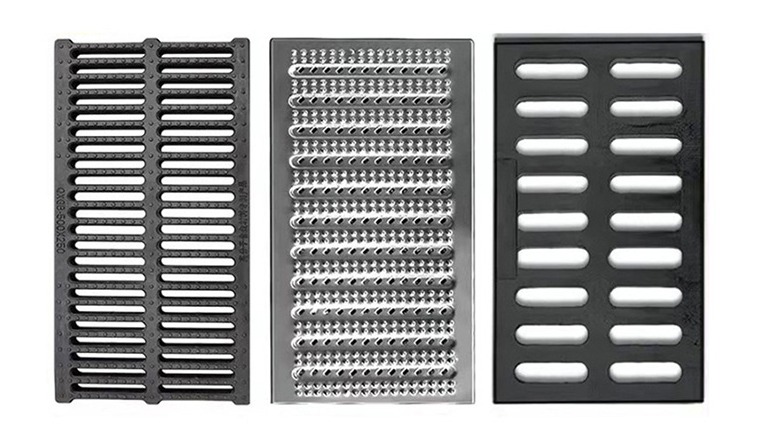
2. Why Heat Affects Plastic Trench and Channel Grates
The structural behavior of plastic under heat arises from basic material properties. Plastic drain grates expand when heated and contract as temperatures drop, a natural tendency due to thermal expansion. Frequent or high temperature swings can exacerbate this.
Key factors include:
Material grade: Lower-grade plastics soften sooner and deform more easily.
Color and surface finish: Darker grates absorb more heat, intensifying softening.
Direct sunlight exposure: Grates in full sun are likelier to alter shape than those shaded by structures or landscaping.
Although manufacturers often add UV stabilizers to slow degradation from sunlight, even treated plastics have limits. If significant heat is a regular part of your climate, this should influence product selection and installation planning.
3. Real-Life Homeowner Experiences
Many users sharing their experiences online have noticed warping in plastic drain components. For example, some report that the top surface of the grate bows slightly after a summer season, particularly in highly sunny sections of a driveway or patio.
While the deformation is often minor, it raises questions about longevity and usability. Some homeowners worry about how this bending may change water flow patterns or make grates harder to seat properly in their grooves. If grates don’t fit well after warping, water may bypass the channel edge, causing pooling and drainage inefficiencies.
4. Practical Tips to Reduce Heat Warping
If you decide that a plastic channel drain grate or a plastic trench grate is suitable for your project, consider the following strategies to help reduce heat-related deformation:
Choose UV-resistant materials: Ensure your grate has built-in UV stabilizers designed for long outdoor exposure.
Prefer lighter colors in hot climates: Light-colored drains reflect heat better than dark ones.
Shade critical areas: Landscaping or overhangs that offer partial shading can reduce direct thermal load.
Periodic inspection: Check and adjust grates after a strong heat season to ensure they still sit correctly.
Additionally, Taizhou Weicai Plastic Industry Co., Ltd. offers a range of plastic trench drain products engineered with material properties that consider UV exposure and thermal behavior, helping homeowners find an appropriate balance between durability and cost.
5. When to Consider Alternatives
Plastic grates are often chosen for cost-effectiveness and ease of installation. However, if your drainage system runs across areas with heavy loads (e.g., where vehicles pass frequently) or prolonged direct sun, you might consider materials with higher heat tolerance. Metals or reinforced composites resist thermal expansion but come with other trade-offs like weight and corrosion risks.
For many residential situations, plastic systems remain a viable option, provided they’re installed thoughtfully and maintained regularly.
If you’re planning a new installation or reviewing your existing drainage setup, consider material properties in relation to your climate. Careful planning can reduce performance issues and extend the life of your drainage investment.



 русский
 Español
 عربى
عربى