


 русский
 Español
 عربى
عربىU-Shaped PE Farmland Trough Linear Plastic Drainage Ditch
Cat: Plastic Drain Channel
The U-shaped PE farm field linear plastic drainage ditch is a revolutionary solution designed to address the drainage needs of agricultural land....
See DetailsOutdoor drainage systems help manage rainwater, prevent flooding, and keep paved surfaces safe and dry. Many residential and commercial properties use a plastic trench grate or plastic channel drain grate to cover linear drains and let water flow freely into underground channels. These plastic grates are lightweight and resistant to rust, but many users report challenges when trying to remove them for cleaning or maintenance.
One of the frequent complaints property owners discuss is that plastic trench drain covers can be hard to remove, especially when dirt, debris, or corrosion has accumulated over time. For example, some DIYers have shared that when they try to lift a drain grate, it doesn’t budge and they fear breaking it because plastic isn’t as rigid as metal. In some cases, grates may even feel cemented in place by grit and grime.
This is especially true for older installations or where grates weren’t designed with an easy removal mechanism. In some Reddit threads, users describe struggling with plastic covers that have been in place for years and now seem fused into the surrounding material.
Many grates are simply held in place by weight and friction rather than screws or clips, which can make them deceptively secure. In other cases, if the surrounding concrete or channel edges have shifted slightly over time, the grate may become pinched and very hard to lift.
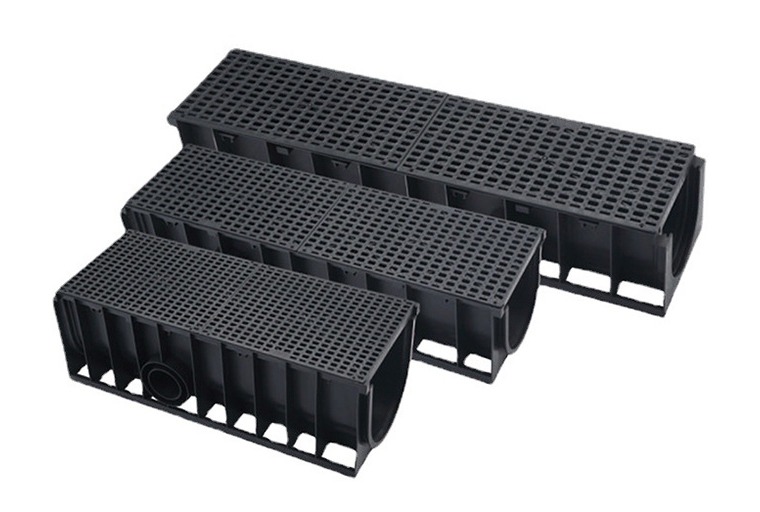
Across home improvement forums, several scenarios illustrate the practical challenges homeowners face:
A user reported trying to pry up a drain grate with a screwdriver, but feared snapping the plastic due to lack of leverage and grip.
Another homeowner discovered that a grated drain system was brittle and recessed into concrete, leaving them unable to lift it for cleaning without cutting it out.
Some grates appear unmarked and lack obvious fasteners, leaving the owner uncertain how to safely disengage them.
These experiences point to a common theme: even though plastic grates are designed to be manageable, real-world conditions like age, debris buildup, and installation methods can make removal surprisingly tricky.
If you need to remove a plastic channel drain grate to clear debris or perform seasonal maintenance, follow these steps to reduce the risk of damage:
a. Inspect the Installation initial
Before prying anything, look closely for screws, clips, or locking mechanisms. Some systems have hidden fasteners that can be undone with a screwdriver or wrench.
b. Soften Dirt and Debris
If the grate has been sitting for a long time, muddy deposits and grit may act like glue. Applying a little soapy water around the edge can help loosen sediment and make prying easier.
c. Use Appropriate Tools
Instead of a tiny screwdriver that risks snapping plastic, use a pry bar or a thick flat tool that distributes force more evenly. Place a wood block under the bar for leverage and tap gently.
d. Work Around the Perimeter
Don’t focus on one spot. Instead, slowly work around the edge of the grate to lift it gradually. This reduces stress on any single area and helps prevent cracking.
Once you’ve successfully taken out the drain cover, consider ways to make future maintenance easier:
Regular Cleaning: Clear debris from the channel every few months so sediments don’t harden and bind the grate.
Lubrication: Applying a light coating of silicone spray around edges can help prevent rust and binding.
Inspection: Check for cracks, warped edges, or uneven seating that could worsen removal difficulties over time.
Taizhou Weicai Plastic Industry Co., Ltd. offers trench drain grate solutions with design features intended to simplify installation and maintenance, including options with built-in removal access points that make periodic cleaning more manageable.
If your plastic drain cover is severely stuck, brittle, or integrated into a complicated drain system, it may be time to consult a professional. Improper force can break the grate or damage the channel beneath, which can cause larger repair costs. Professionals can use specialized tools and techniques to remove the grates with minimal risk.
Whether you’re prepping for a heavy rain season or doing routine lawn and patio upkeep, knowing how to remove and care for your drainage grates is essential to keeping your outdoor areas functioning smoothly. With some preparation and regular care, maintaining these essential drainage components becomes far more manageable.
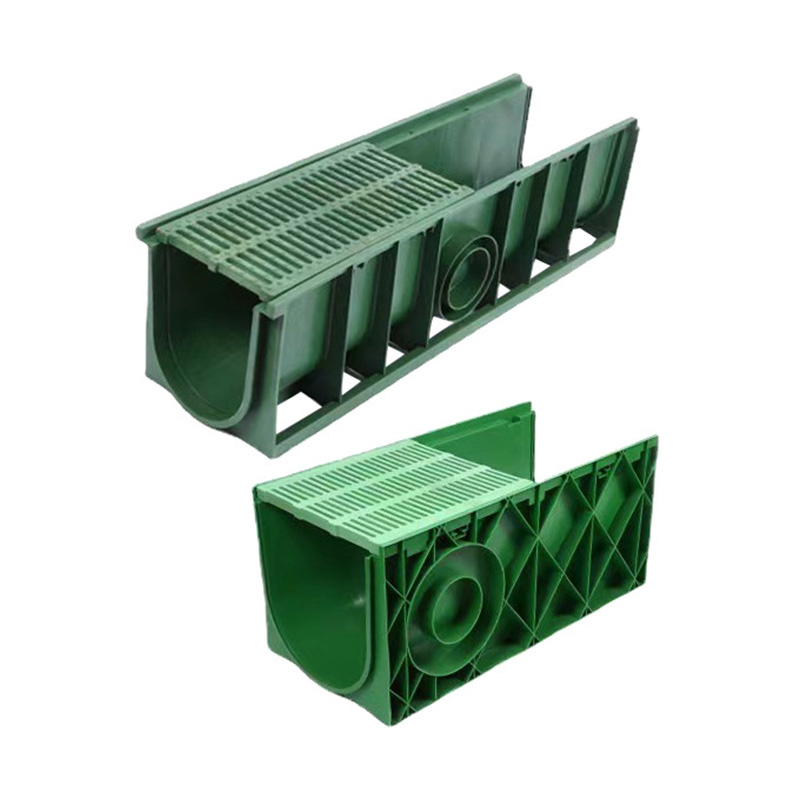
The U-shaped PE farm field linear plastic drainage ditch is a revolutionary solution designed to address the drainage needs of agricultural land....
See Details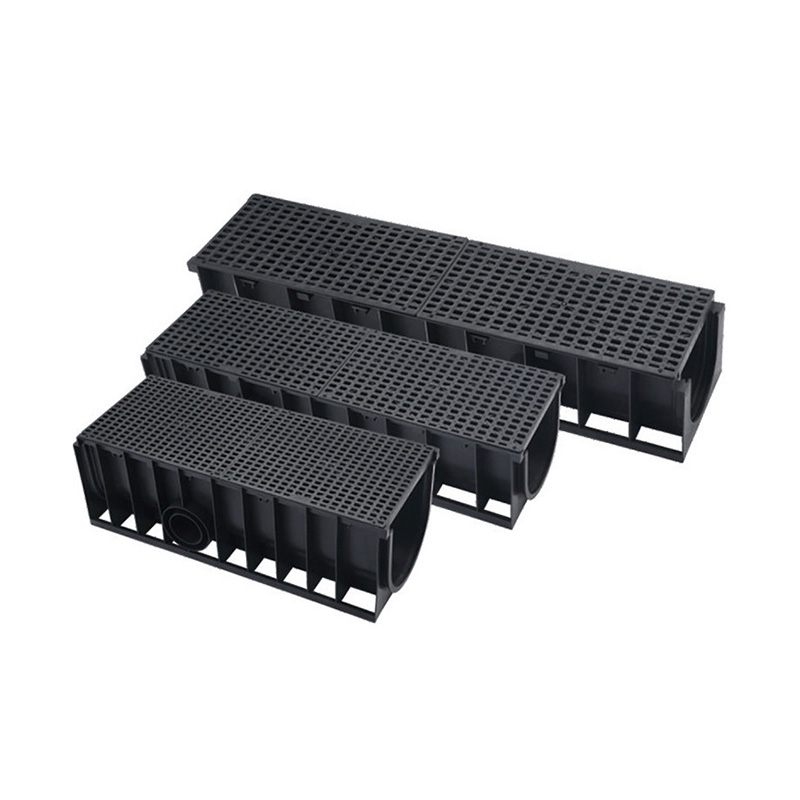
The Resin Composite PE Grid Plastic Drainage Ditch Cover offers a durable and efficient way of covering drainage ditches in various environments.
See Details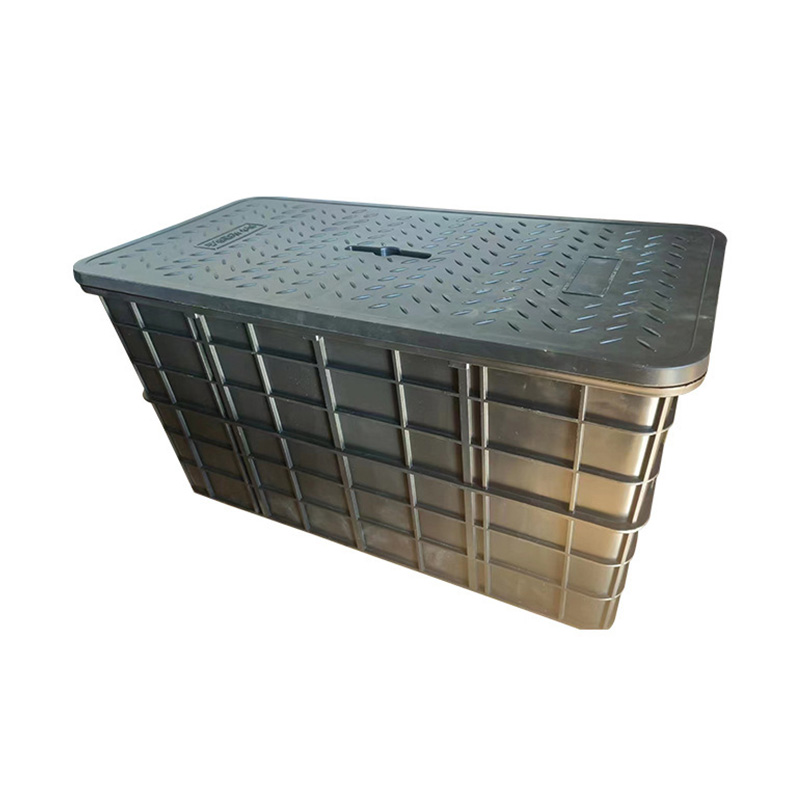
The quadrant design of the oil separator is tailored to optimize oil-water separation efficiency. As contaminated water enters the separator, it ...
See Details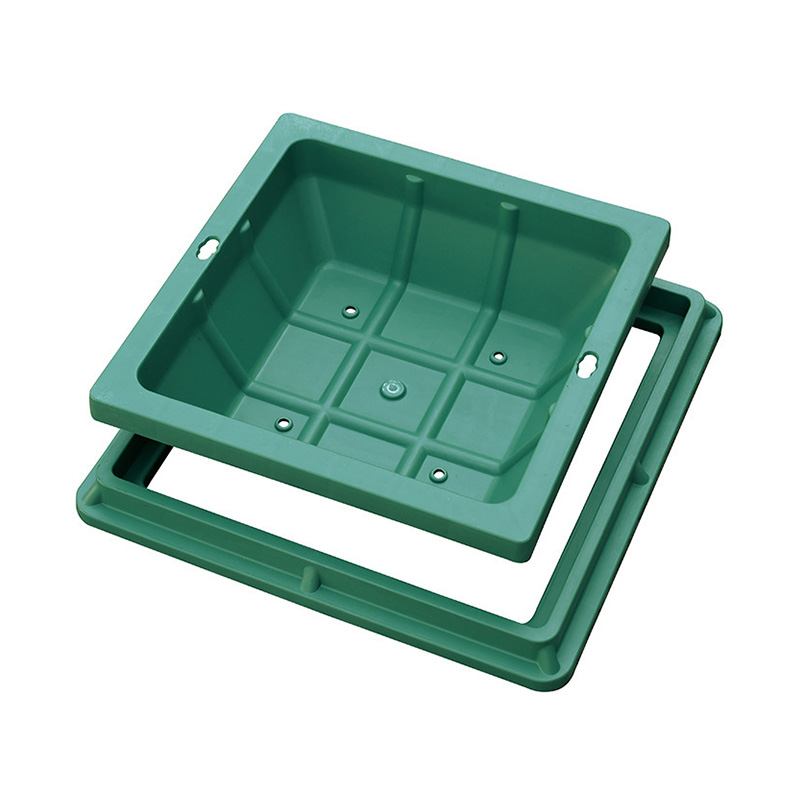
PE greening recessed manhole covers with circular and square rings represent innovative solutions designed to blend seamlessly with green spaces ...
See Details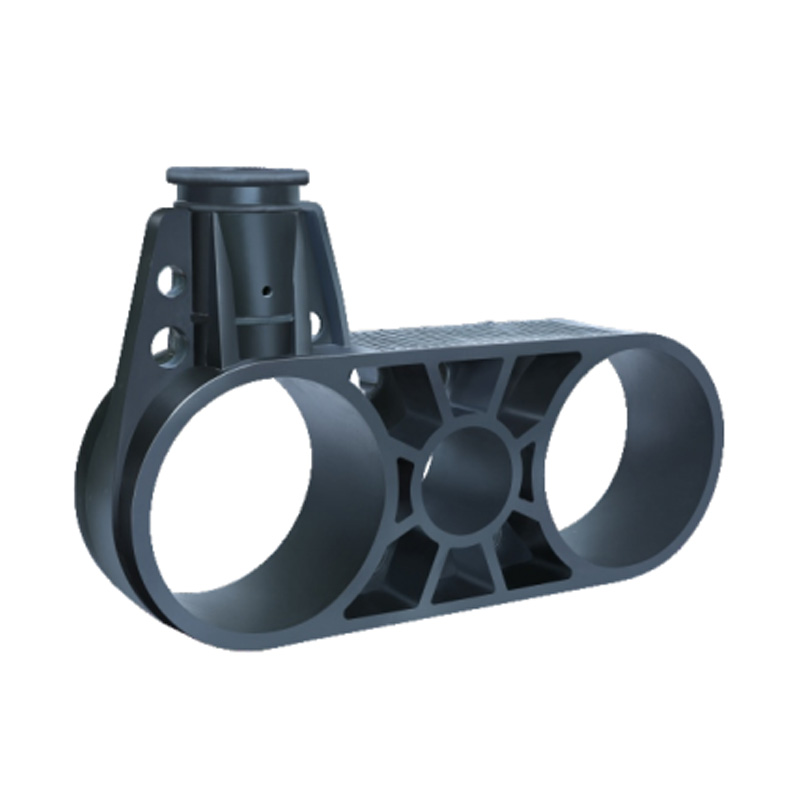
The Simple Round Breeding Cage features a durable and lightweight construction, making it suitable for both indoor and outdoor use. Its round sha...
See Details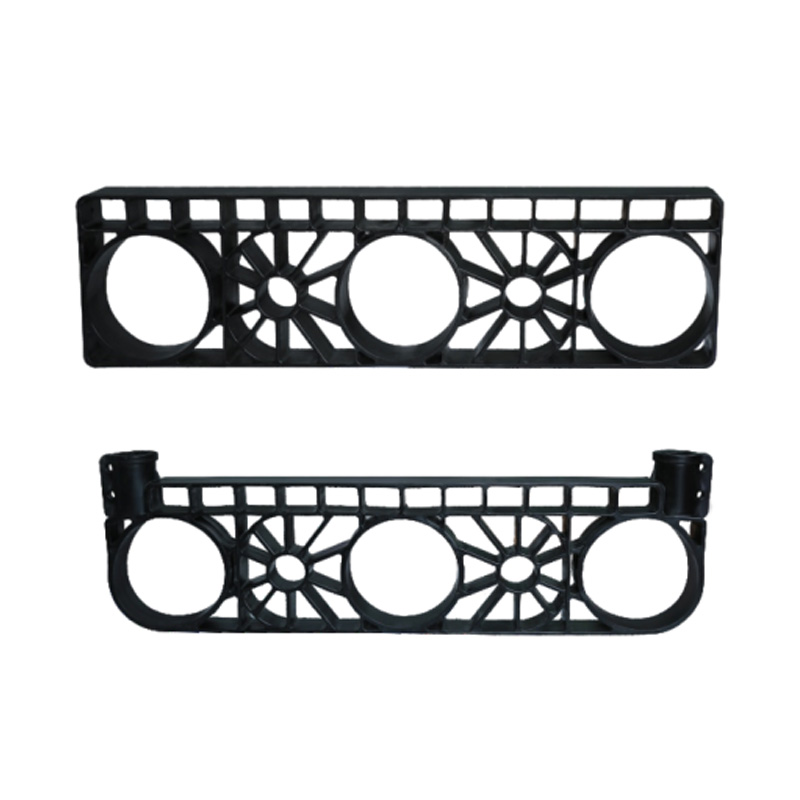
The PE Floating Buoy Aquaculture Net Cage is distinguished by its buoyant structure, which allows it to float on the surface of water bodies such...
See DetailsIt would be great to hear from you!

The company independently develops HDPE drainage ditches, cage supports, and reinforced three-format plastic septic tank products, etc.


Phone: +86-13357651618
Tel: +86-0576-82929520
Email: [email protected]
Address: Heyu Industrial Zone, Yuanqiao Town, Huangyan District, Taizhou City, Zhejiang Province, China
Copyright © 2024 Taizhou Weicai Plastic Industry Co., Ltd. All Rights Reserved.

Plastic Drainage System Manufacturer