


 русский
 Español
 عربى
عربىResin Composite PE Mesh Plastic Drain Cover
Cat: Drain Channel Cover
The Resin Composite PE Grid Plastic Drainage Ditch Cover offers a durable and efficient way of covering drainage ditches in various environments.
See DetailsProper surface drainage is essential around homes, garages, patios, and driveways to move stormwater away from structures. Many homeowners use plastic channel drain grate systems or plastic trench grate solutions because they combine affordability with corrosion resistance. However, over time users often notice that these plastic grates or the supporting channel structure can crack, break, or become damaged due to load, aging, and improper installation.
One of the more commonly discussed issues among DIYers and homeowners is the breaking or cracking of plastic trench drains under load or impact. A user on Reddit described how the plastic supports beneath a channel grate slowly failed after repeated vehicle traffic, ultimately causing the plastic to crack and the metal support bar to bend, making the grate sit unevenly.
This type of damage often happens when a trench drain was not specified for the expected load. Plastic grates are generally designed for light residential loads, not heavy vehicles or construction equipment. Over time, stress from repeated weight can fatigue the plastic material, causing cracks or support collapse.
Another issue occurs when the channel walls or edges themselves crumble or break away. In some cases, the portion where the grate rests has deteriorated, causing the grate to collapse inward. Users have asked how to fix such broken edges while still being able to remove the grate for cleaning — a balance between repair and future maintenance.
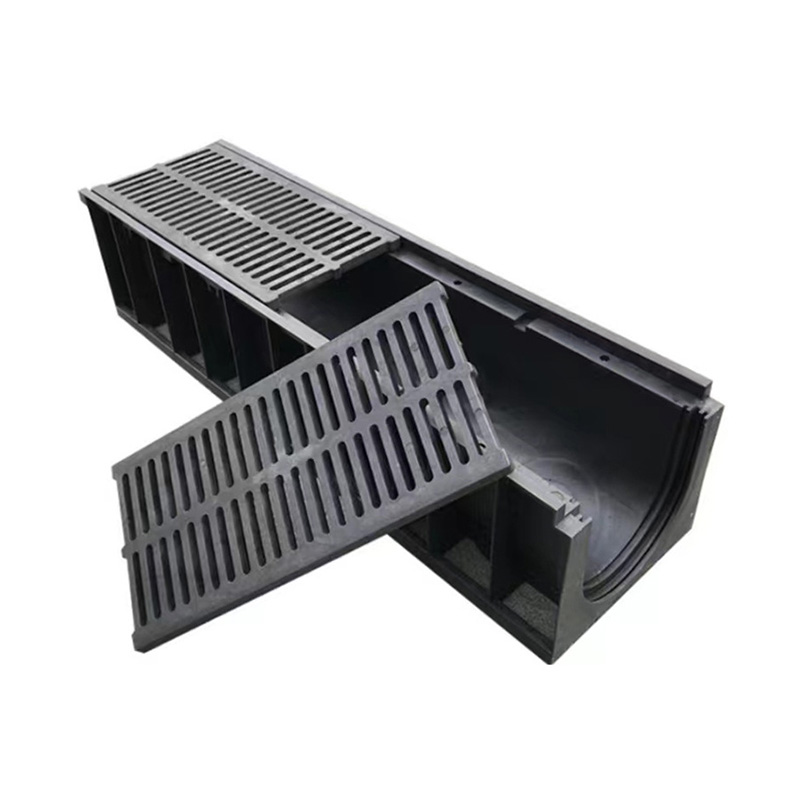
Plastic trench drain grates and channels are made from thermoplastics like HDPE or PVC. These materials are lightweight and resistant to corrosion, but they don’t offer the same structural strength as metal or concrete systems. If the installation is exposed to heavy loads, the plastic can weaken and crack under pressure.
Design factors that contribute to breakage include:
Traffic Load: Plastic grates can be specified for pedestrian or light vehicle use, but they will deteriorate faster if regularly driven over by heavy vehicles.
Thermal Cycling: Plastic expands and contracts with temperature changes, which can weaken structural integrity over years.
Installation Base: If the channel is not properly supported with concrete or compacted base material, movement over time can put stress on the plastic frame.
When the underside or channel walls crumble, the surface grate no longer sits flush and can rock or shift, posing safety risks and allowing water to bypass the intended drainage path.
Homeowners share various damage situations that illustrate real-world outcomes:
A garage-front drainage channel broke under support ribs after years of daily vehicle traffic, requiring a DIY wood-support fix that is only temporary.
Another user’s channel walls at the grate edges crumbled, making the grate unstable and harder to lift for cleaning.
Some people attempting to reinstall a drainage cover after cleaning found the grate wouldn’t seat properly because the channel had shifted or fractured over time.
These examples highlight that damage isn’t always obvious from the top — often the internal support structure or channel walls fail initial.
You can reduce the risk of plastic trench grate or channel damage by considering the following:
a. Understand Load Requirements
Choose a system rated for your expected load. Pedestrian-rated plastic grates aren’t suitable for driveways or parking areas with regular vehicle use. Check load classifications before installing.
b. Use Adequate Support
Proper encasement in concrete or a stable base can significantly reduce stress on plastic channels and help prevent cracking due to ground movement. Supporting the channel edges with reinforced bedding minimizes deformation over time.
c. Inspect Periodically
Regular checks (especially after heavy rains or freezes) allow early detection of small cracks or loosening before they become larger issues.
d. Repair Rather Than Ignore
If you find cracks, consider reinforcing them with epoxy or external metal straps as a temporary fix. For larger structural failures, replacement may be more cost-effective.
For professional-grade plastic drain systems designed to address these concerns, companies like Taizhou Weicai Plastic Industry Co., Ltd. produce channel drain products with improved rib design and material choices to help resist cracking and extend service life, especially in residential and light commercial applications.
Minor surface cracks might be manageable with patching or local reinforcement. However, if the underlying channel support is compromised and cannot hold a grate securely, replacement is usually the safest long-term solution. Consider replacing sections that show recurrent damage or allow water to bypass the channel — this prevents water pooling and reduces potential safety hazards.
Replacement planning should also factor in the expected use of the area. If heavy loads are expected in the future (e.g., construction equipment or frequent truck use), upgrading to a more robust material or higher load class plastic grate is advisable.
By understanding the limitations of a plastic trench grate or plastic channel drain grate and taking proper preventive steps, you can extend the life of your drainage system and maintain effective water management around your property. Regular maintenance and timely fixes keep your outdoor spaces safe and functional.
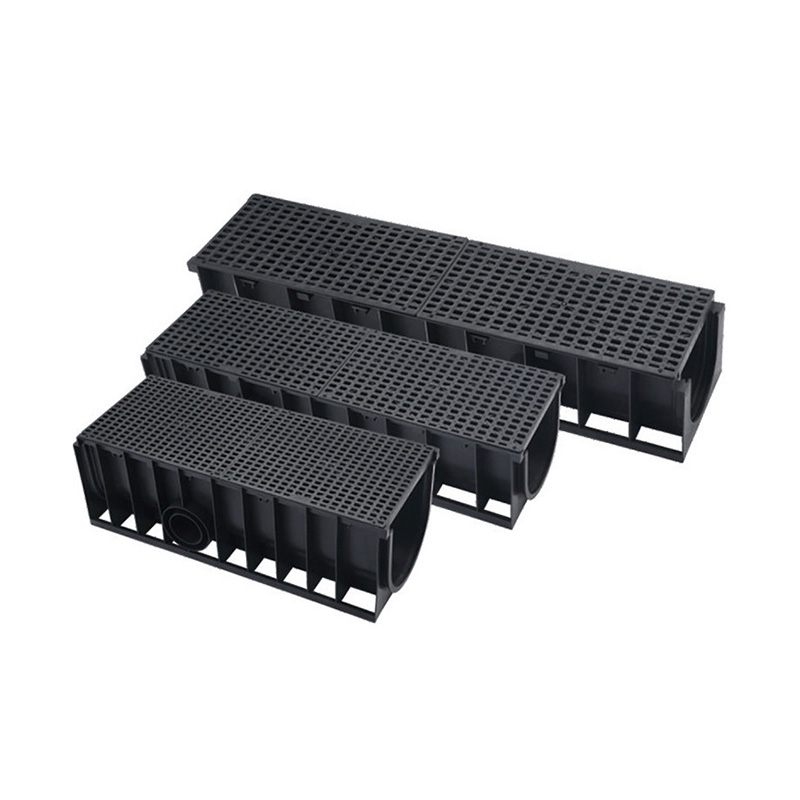
The Resin Composite PE Grid Plastic Drainage Ditch Cover offers a durable and efficient way of covering drainage ditches in various environments.
See Details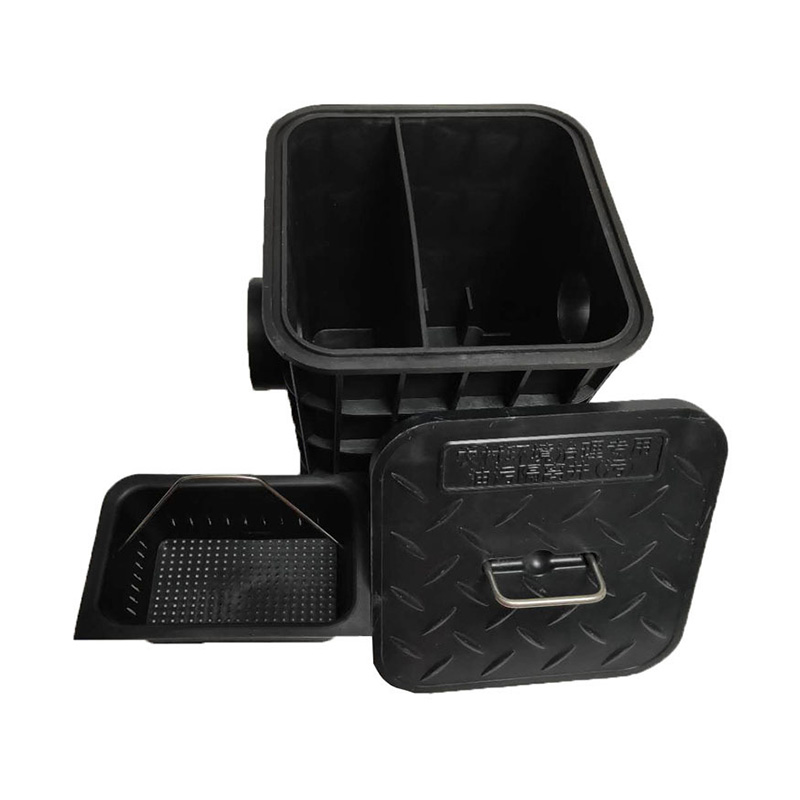
Small-scale buried plastic restaurant oil grease trap interceptor wells represent a proactive solution designed to intercept, filter, and contain...
See Details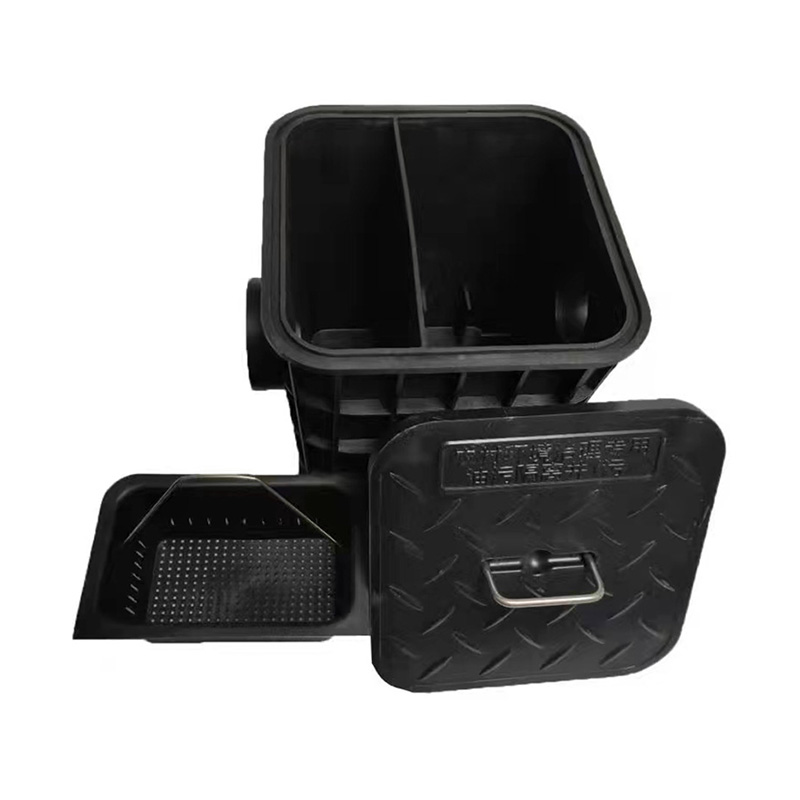
The subsurface automatic pollutant interceptor is a cutting-edge solution designed to address the challenge of urban runoff pollution. This innov...
See Details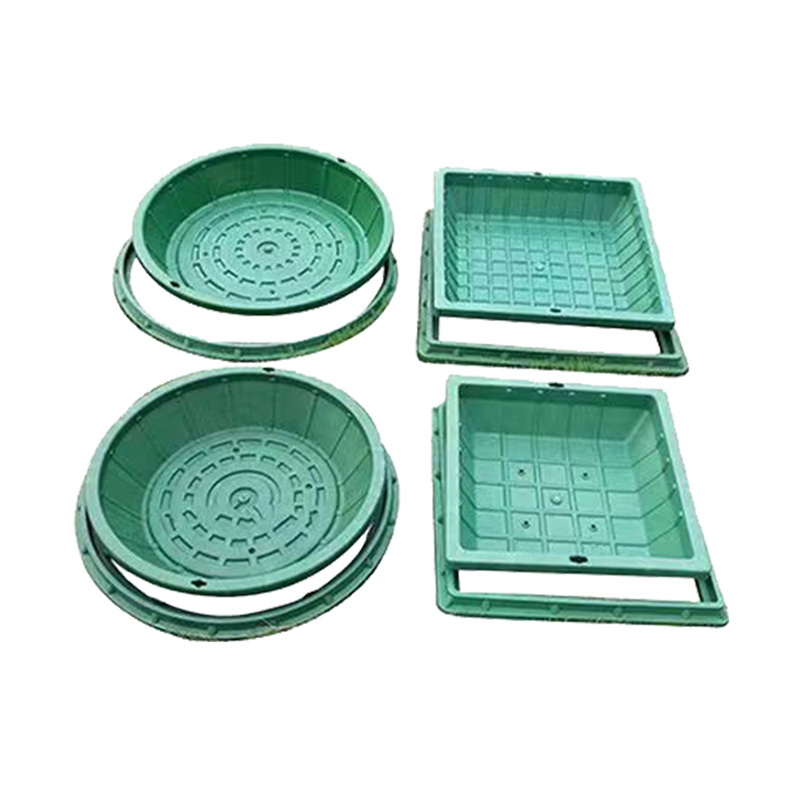
In the realm of landscaping and urban beautification, the integration of functional and aesthetically pleasing elements is essential for creating...
See Details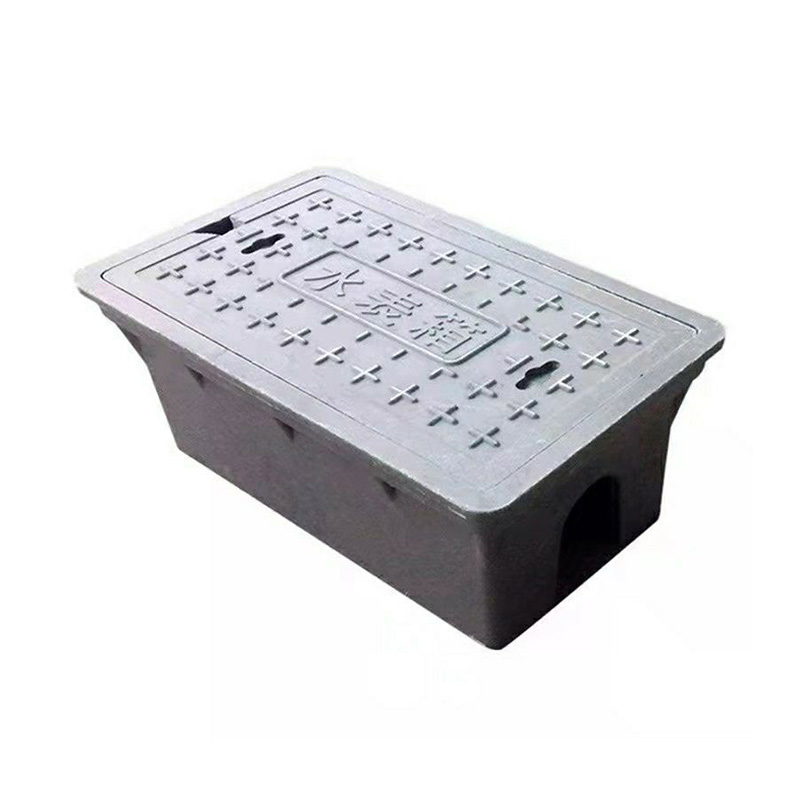
The thickened plastic composite integrated buried three-dimensional water meter box is a modern solution for housing water meters. It is designed...
See Details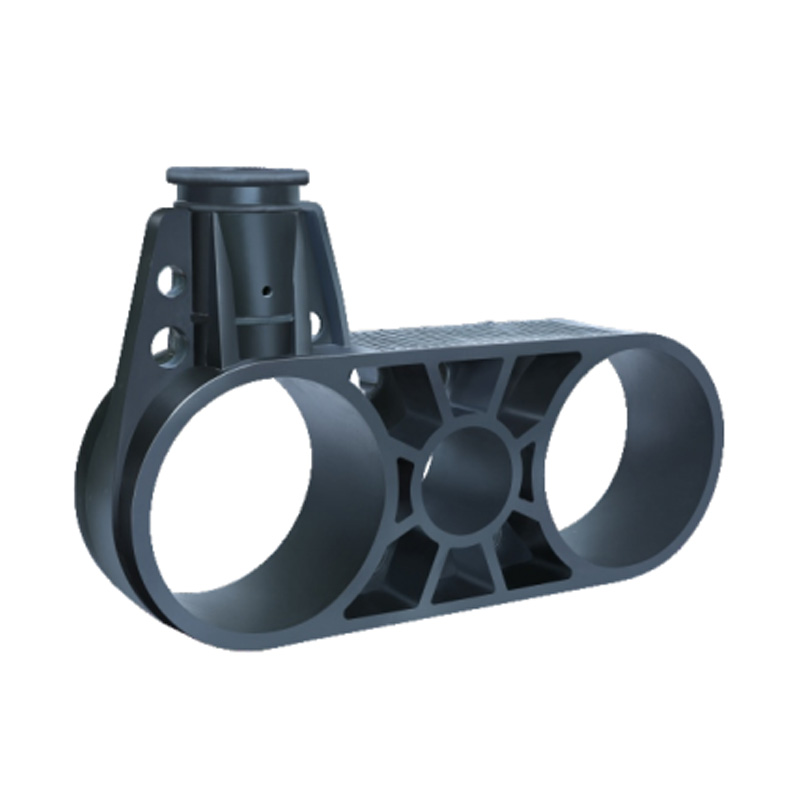
The Simple Round Breeding Cage features a durable and lightweight construction, making it suitable for both indoor and outdoor use. Its round sha...
See DetailsIt would be great to hear from you!

The company independently develops HDPE drainage ditches, cage supports, and reinforced three-format plastic septic tank products, etc.


Phone: +86-13357651618
Tel: +86-0576-82929520
Email: [email protected]
Address: Heyu Industrial Zone, Yuanqiao Town, Huangyan District, Taizhou City, Zhejiang Province, China
Copyright © 2024 Taizhou Weicai Plastic Industry Co., Ltd. All Rights Reserved.

Plastic Drainage System Manufacturer