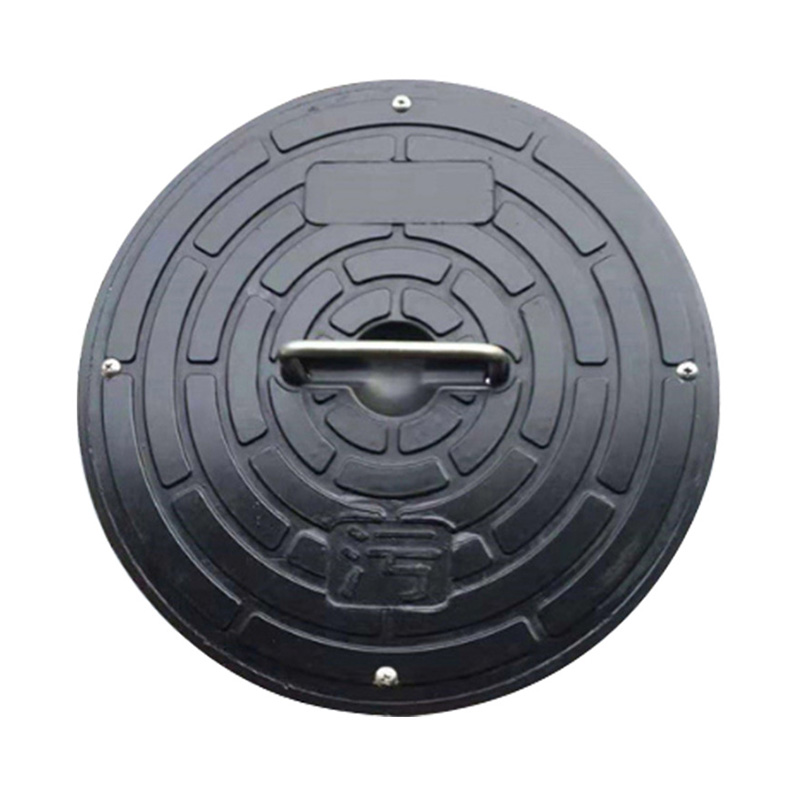
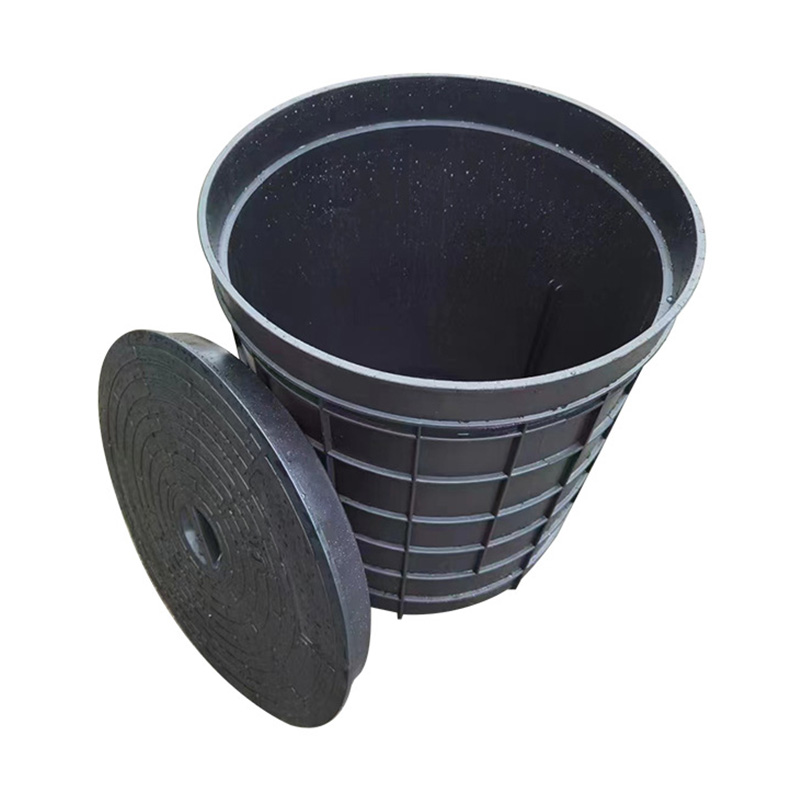
Owning a property often means dealing with regular maintenance tasks — and one question that frequently comes up among homeowners and DIYers is whether plastic drain covers and plastic chamber cover can be replaced without professional help. These components may seem simple, but trying to remove or install them without experience can cause frustration and even damage. In this article, we’ll walk through common challenges users face, basic steps you can try, pitfalls to avoid, and why sourcing products from trusted plastic drain covers suppliers can make the process smoother. This is especially useful for readers interested in tailored solutions from Taizhou Weicai Plastic Industry Co., Ltd.
Understanding Drain Cover Basics
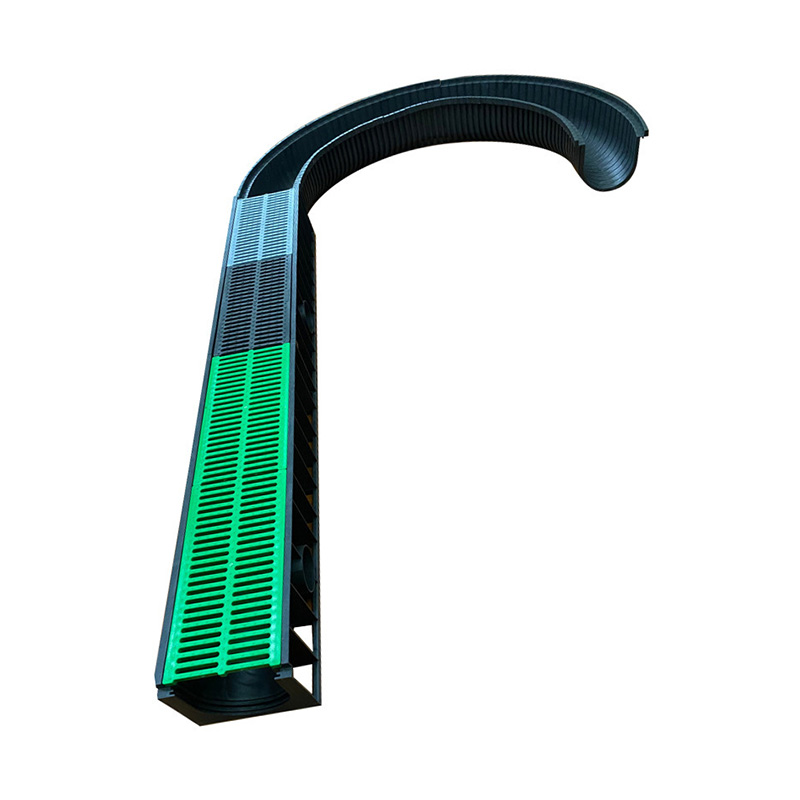
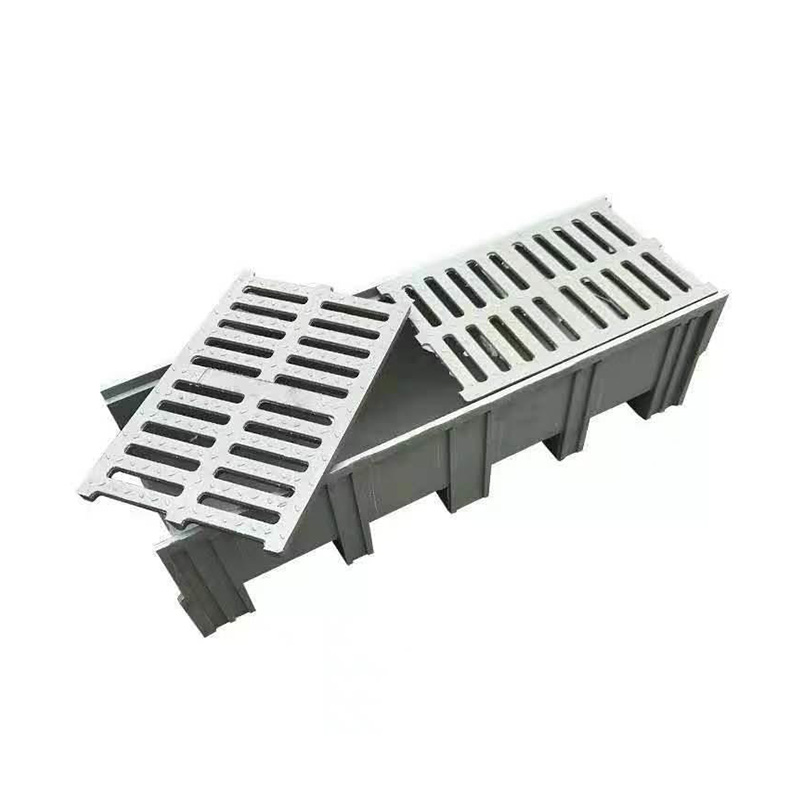
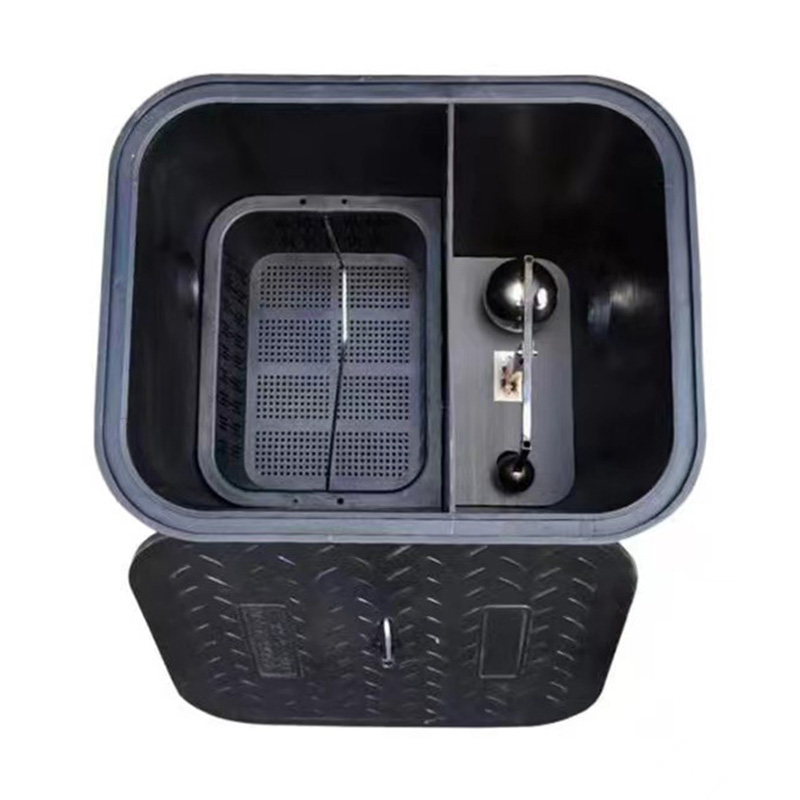
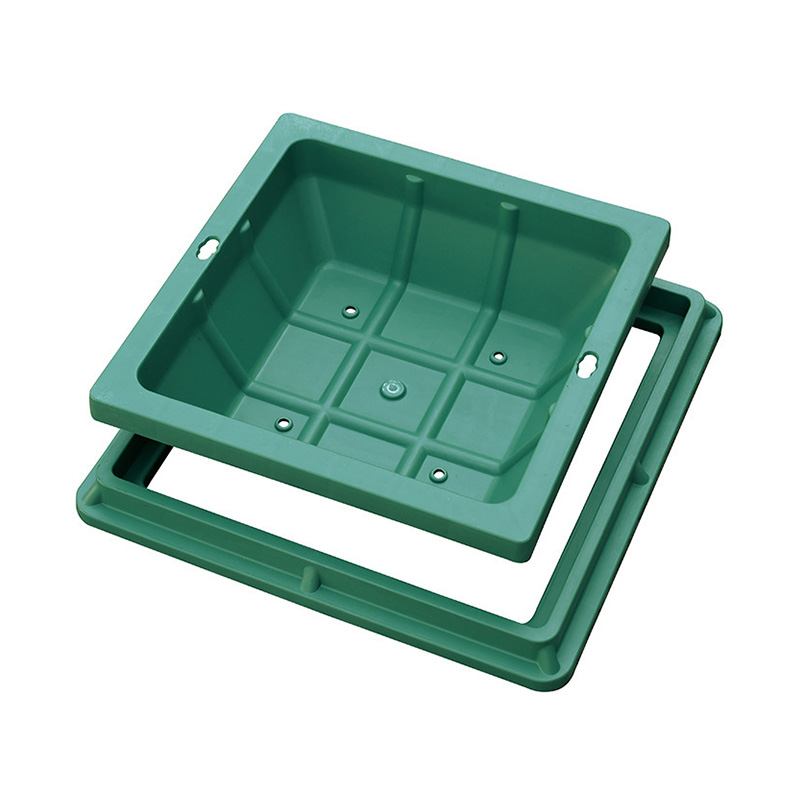
A drain cover sits flush with your floor, driveway, or garden surface and prevents debris from entering your plumbing system. A plastic chamber cover does a similar job for underground chambers, which give access to pipes for cleaning or inspection. While they serve simple functions, many find them surprisingly difficult to handle.

Common User Problems with Plastic Drain Covers
Here are some issues frequently discussed in home improvement forums and on social media:
Too Stuck to Remove
Many users report that their drain covers won’t come out easily. Some covers are simply pressed into place and over time become stuck due to dirt and deposits around the edges. Others might look like they screw out but feel jammed when attempting removal, which leads to frustration and concern about breaking them.
Confusion Over Removal Method
There isn’t always a visible screw or tab. Some covers do unscrew by turning counterclockwise, while others require careful prying with a flat tool. A few users on DIY forums suggested inserting a screw driver or improvised tool in a slot and twisting to loosen it.
Risk of Damage
If too much force is applied when removing a plastic drain cover — especially older or brittle models — the plastic can crack or break off completely. This forces homeowners to buy new parts sooner than expected.
Steps to Try at Home
While professional assistance is often recommended for complex issues, here are some general tips that many have found helpful:
1. **Inspect the Mechanism
Carefully look around the edge of your drain cover for a slot, screw head, or tab. Some covers simply twist off, while others are held by subtle clips.
2. **Use the Right Tool
A broad flat-blade screwdriver or a thin pry tool may help you gently work the edges loose. It’s usually better to avoid metal tools that can gouge surrounding surfaces.
3. **Ease Stuck Covers
If the cover appears stuck due to deposits or corrosion (common in older installations), applying gentle penetrating oil around the edge can help ease the grip before attempting removal. Always follow safety instructions for any liquid you use.
4. **Replacement Preparation
Once removed, measure the opening carefully and check with a reliable plastic drain covers supplier to find replacement parts that match your diameter and wall thickness. Getting the right size at primary saves time and hassle. Taizhou Weicai Plastic Industry Co., Ltd. offers a range of plastic drain covers suitable for both residential and commercial installs.
The Role of Quality Components
Selecting the right style and material matters more than you might think. For areas that require frequent access (for cleaning or maintenance), choosing a cover that is designed for ease of removal can save hours of effort. When shopping for replacements, prioritize:
Precise fit: Your drain or chamber opening won’t always be standard size. Look for suppliers that can provide custom or multiple size options.
Durability: Plastic materials vary in composition and strength, so having a trusted manufacturer like Taizhou Weicai Plastic Industry Co., Ltd. means access to components designed for longevity.
Ease of handling: Some modern designs include grip-enhanced edges or tabs that make maintenance easier next time.
DIY or Professional Help
Replacing a plastic drain cover yourself can be done by many homeowners, but success often depends on the condition of existing parts and tools available. Whether you’re tackling the task yourself or prepping for professional help, knowing how the cover is secured, what tools are needed, and where to source reputable parts will make a difference.
If this sounds like more than you want to deal with right now, speaking with experienced technicians or looking for more detailed guides specific to your installation is a good next step. With the right replacement parts from reliable suppliers, your drain and chamber systems will stay functional and easier to service in the future.



 русский
 Español
 عربى
عربى