


 русский
 Español
 عربى
عربىKitchen Drain Sink PE Composite Plastic Drain Cover
Cat: Drain Channel Cover
The PE Composite Plastic Drainage Trench Cover for Kitchen Floor Trench is crafted from a composite material combining high-density polyethylene ...
See DetailsFor homeowners and facility managers with a Plastic Septic Tank, a common and frustrating question is: “Why does my septic filter seem to clog too quickly?” Sewer backups, slow drains, strange noises in plumbing, and frequent maintenance are often the initial clues that something in your wastewater system isn’t working as intended. Although questions about Plastic Oil Water Separator performance usually focus on oily wastewater separation, filter clogging in septic systems is tied to solids management and everyday usage habits.
Many users report experiencing frequent clogging of their septic filters — sometimes every few weeks instead of the usual yearly or semi-annual maintenance cycle. Understanding why this happens and what you can do about it helps protect both your septic tank and downstream disposal or treatment areas.
An effluent or septic filter is installed at the outlet of a septic tank to trap solids and prevent them from flowing into the drain field or secondary treatment systems. It acts like a screen, capturing particles that haven’t fully settled to the bottom of the tank. A well-functioning filter protects the drain field and promotes smoother wastewater flow, potentially reducing emergency repairs. However, filters can clog when too many solids reach the outlet faster than they can be processed or removed.
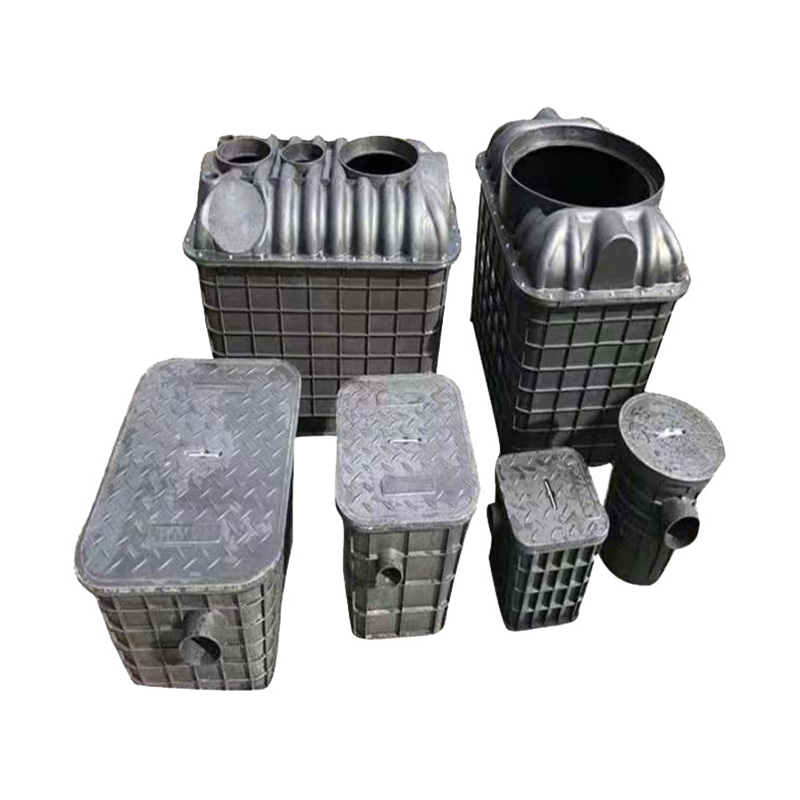
Several factors contribute to how quickly a septic filter becomes obstructed:
1. Excessive Solids in Wastewater
Solids can reach the filter faster than expected when household water usage fluctuates, or heavy loads disturb settled waste. Activities such as multiple laundry loads in a day can stir up sludge inside the tank, sending particles toward the filter.
2. Improper Waste Disposal Habits
Many homeowners underestimate the impact of what they flush or pour down the drain. Toiletries labeled “flushable,” wipes, tissues, laundry lint, and even food scraps can all contribute to buildup on the filter screen. Grease, fats, and oils that solidify in pipes add to this problem and make filters clog more quickly.
3. Lack of Regular Pumping and Inspection
A septic filter is more effective when the tank it’s protecting is maintained. If a tank isn’t pumped regularly to remove accumulated sludge, solids get closer to the outlet and are more likely to overwhelm the filter. Experts often recommend inspection and cleaning at each pump-out, typically every 3–5 years depending on usage.
Experience from real septic owners shows that neglecting tank maintenance often leads to recurring filter clogs, even when water usage doesn’t seem excessive. One user shared that despite regular cleaning every few months, the filter became clogged again and again — a strong indicator that solids from deeper in the system were reaching the filter.
4. New Systems and Initial Settling
Even new septic systems can experience filter clogging early in their life cycle. Some real-world reports suggest that freshly installed systems may have significant scum or particulate carryover into the filter during the initial months of use, requiring more frequent cleaning initially until the tank stabilizes.
5. Water Surge or Usage Spikes
Events that cause a large amount of wastewater to enter the tank in a short time (such as a household party or multiple appliances running simultaneously) create turbulence. This turbulence prevents solids from settling properly, increasing the chance they reach and clog the filter.
Frequent clogs don’t have to be a mystery. Here are common symptoms that suggest a clogged or overburdened filter:
These trends often point to a system that needs comprehensive inspection and maintenance rather than just filter cleaning.
Fixing a quickly clogging septic filter often involves a multi-pronged approach:
Adopt Better Waste Habits: Avoid flushing non-degradable items and keep grease, food scraps, and lint out of your drains.
Regular Maintenance: Schedule septic pumping and professional inspections on a consistent timeline. During each service, ask the technician to inspect and clean filters and internal components.
Spread Out Water Use: Try to avoid large concentrated water usage events. Stagger laundry, dishwashing, and showering if possible.
Consider Upgrades: In some installations, improved filters with finer screens or additional pre-treatment units can help reduce clogging risk. Taizhou Weicai Plastic Industry Co., Ltd. offers products designed for durability and ease of maintenance, and professional consultation may help match the right system to your usage profile.
Frequent clogging of a septic filter doesn’t necessarily mean your Plastic Septic Tank is defective — but it often signals problems with wastewater quality, maintenance habits, or system design. By understanding the key causes and adopting proactive maintenance and usage practices, you can reduce the frequency of clogs and prolong the life of your entire wastewater system.
Whether you’re troubleshooting ongoing filter issues or planning a new septic installation, thoughtful planning and regular care are your better defense against routine filter blockages.
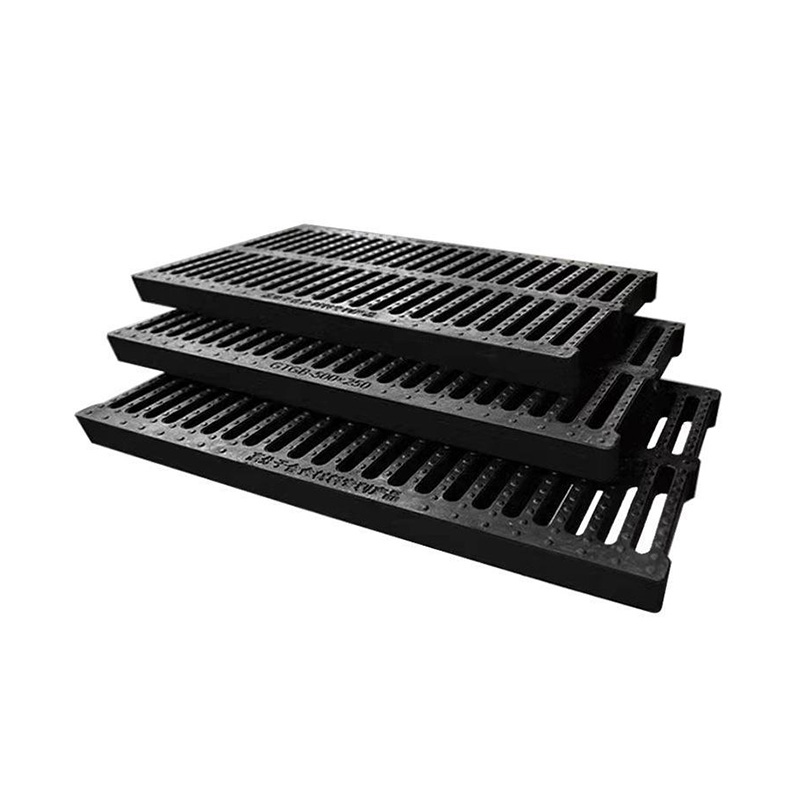
The PE Composite Plastic Drainage Trench Cover for Kitchen Floor Trench is crafted from a composite material combining high-density polyethylene ...
See Details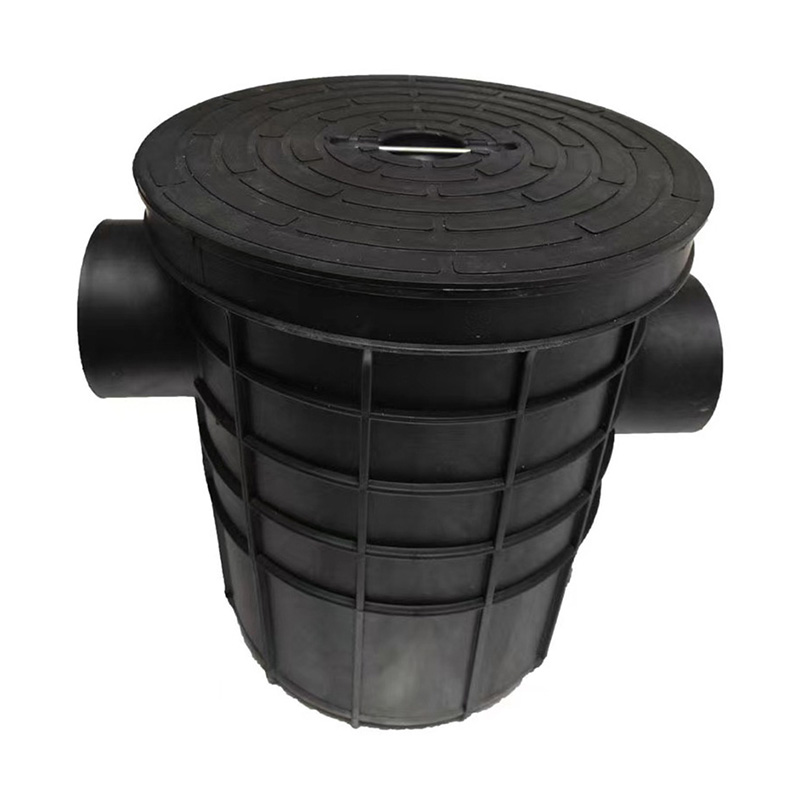
Buried pollution isolation tanks are essential components of modern wastewater management systems, designed to effectively separate and contain p...
See Details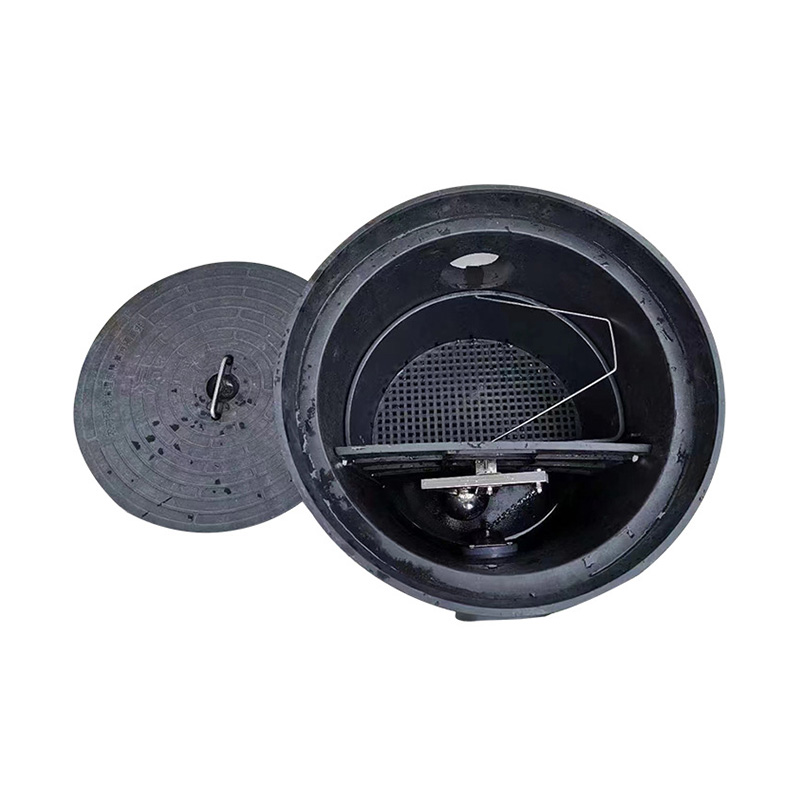
Balcony and roof rainwater pollution separators are devices installed on balconies, rooftops, or other outdoor areas to intercept and treat rainw...
See Details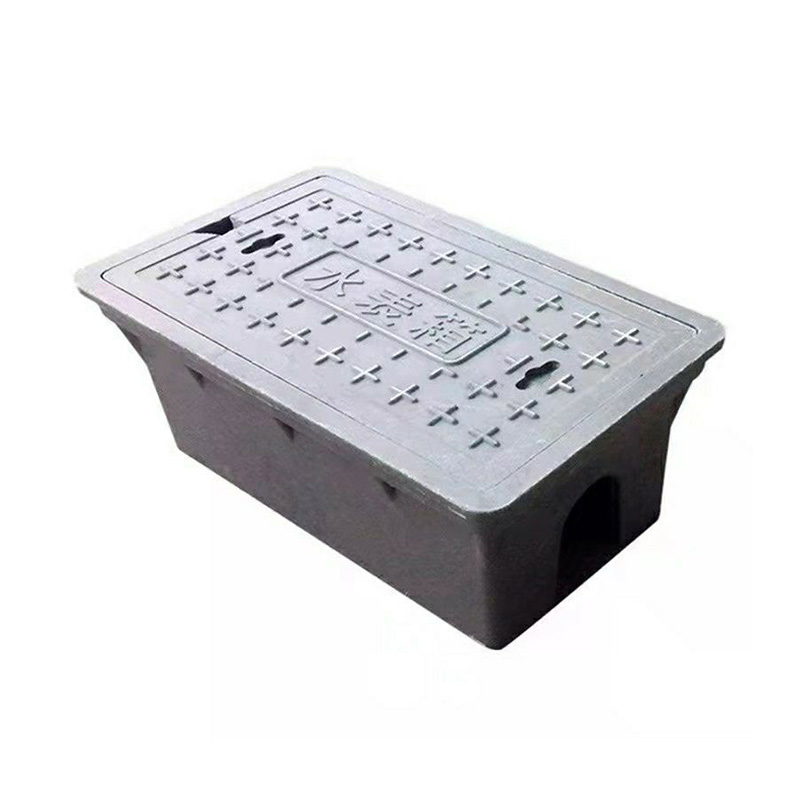
The thickened plastic composite integrated buried three-dimensional water meter box is a modern solution for housing water meters. It is designed...
See Details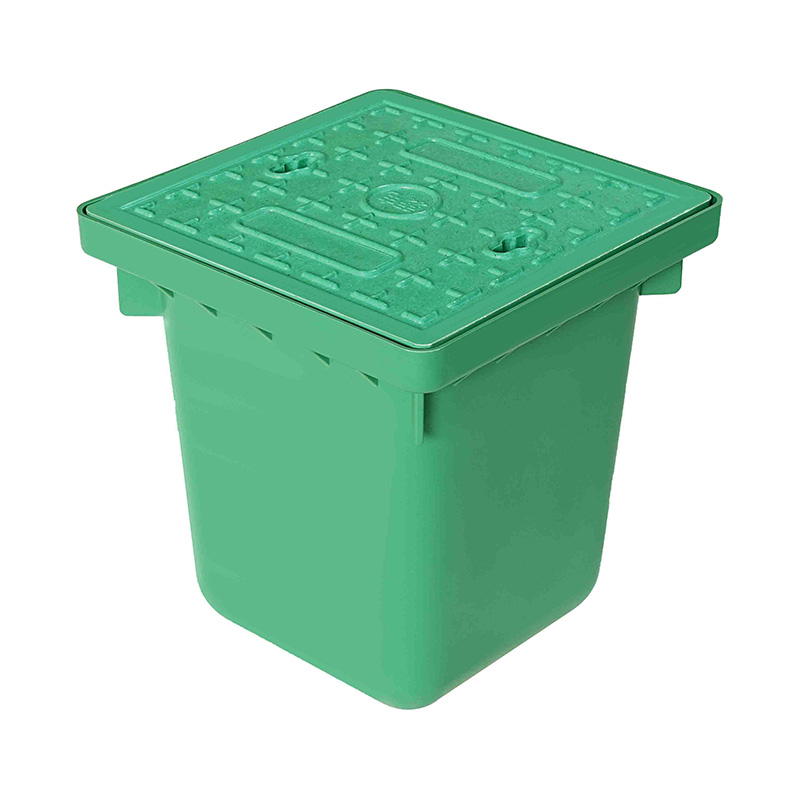
The composite integrated threading resin weak cable chamber box is a new type of equipment used for the installation and management of weak curre...
See Details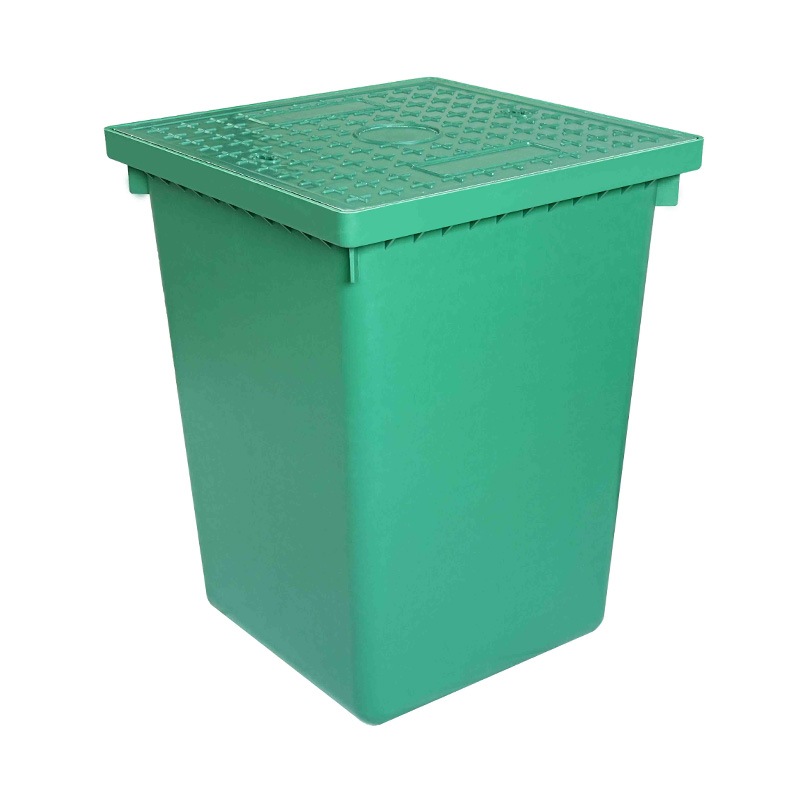
The composite resin square round threaded integrated cable chamber box well is a pipeline facility used in urban roads, squares, residential area...
See DetailsIt would be great to hear from you!

The company independently develops HDPE drainage ditches, cage supports, and reinforced three-format plastic septic tank products, etc.


Phone: +86-13357651618
Tel: +86-0576-82929520
Email: [email protected]
Address: Heyu Industrial Zone, Yuanqiao Town, Huangyan District, Taizhou City, Zhejiang Province, China
Copyright © 2024 Taizhou Weicai Plastic Industry Co., Ltd. All Rights Reserved.

Plastic Drainage System Manufacturer