


 русский
 Español
 عربى
عربىSmall Underground Plastic Catering Oil Filter Oil Isolation Well
Cat: Separated Oil Well
Small-scale buried plastic restaurant oil grease trap interceptor wells represent a proactive solution designed to intercept, filter, and contain...
See DetailsRapid clogging in marine farming structures remains a persistent operational challenge in modern aquaculture. Operators using a Fish Cage Culture System often notice that net openings lose permeability within a short period, while an Aquaculture Fish Cage deployed in nutrient-rich waters can experience flow reduction far earlier than expected. Our company has worked closely with offshore and coastal farms, and the same pattern appears repeatedly: biofouling buildup is fast, layered, and highly location-dependent.
Marine organisms such as algae, barnacles, hydroids, and bacteria attach quickly to submerged surfaces. Once colonization starts, layers form rapidly and mesh openings shrink.
Research shows that fouling can increase drag forces several times and significantly reduce water exchange through cage structures.
Our company observes that early-stage fouling is often invisible but already affecting circulation efficiency.
High-density farming environments introduce organic waste directly into the cage system:
These conditions create a “fertile surface” for fast organism growth. In many Fish Cage Culture System installations, feed zones show the fastest clogging rate because particles continuously interact with netting surfaces.
Water movement plays a major role in how quickly nets become blocked.
Field studies show that reduced water velocity inside cages significantly accelerates net blockage, while higher flow areas reduce settlement intensity .
Our company recommends cage positioning strategies that maintain continuous water exchange across mesh panels.
Technical structure directly impacts fouling speed:
Typical technical parameters observed in industrial cages:
Once mesh openings reduce, flow restriction becomes exponential rather than linear.
Clogging speed changes with environment:
Sites near river mouths or agricultural runoff zones often show significantly faster fouling compared to offshore locations.
As fouling mass increases:
This deformation reduces flushing efficiency, causing a feedback loop where reduced flow accelerates further clogging.
Operational constraints also contribute:
Biofouling can increase net mass by multiple times within months, making frequent maintenance essential in high-intensity farms .
Different net materials show different fouling behaviors:
Our company uses improved polymer formulations in production to reduce initial biofilm bonding strength.
Based on field experience across multiple Fish Cage Culture System deployments, clogging control should focus on:
Even small improvements in flow dynamics can significantly delay clogging progression.
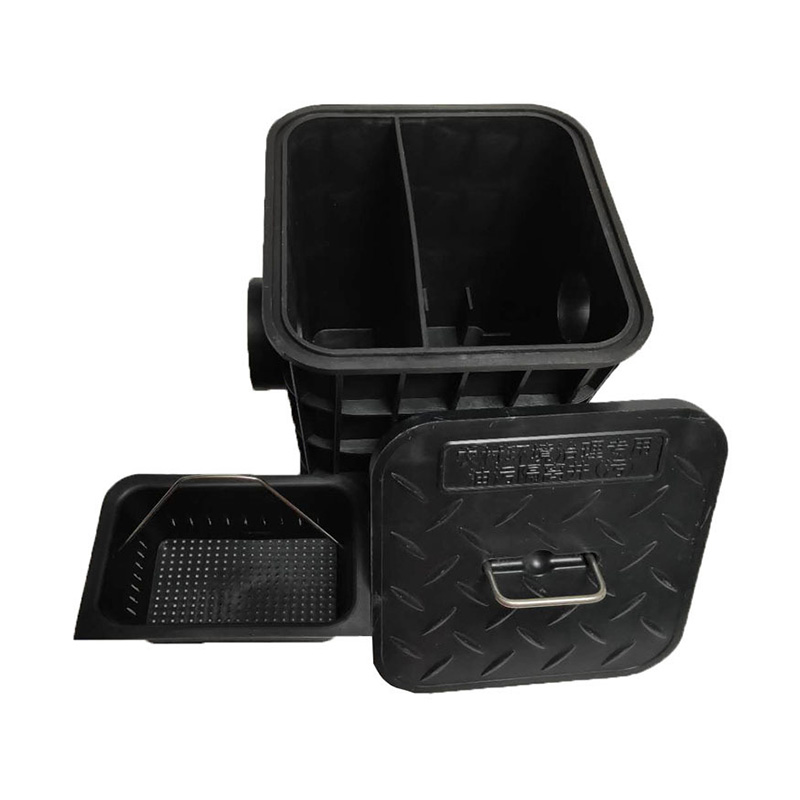
Small-scale buried plastic restaurant oil grease trap interceptor wells represent a proactive solution designed to intercept, filter, and contain...
See Details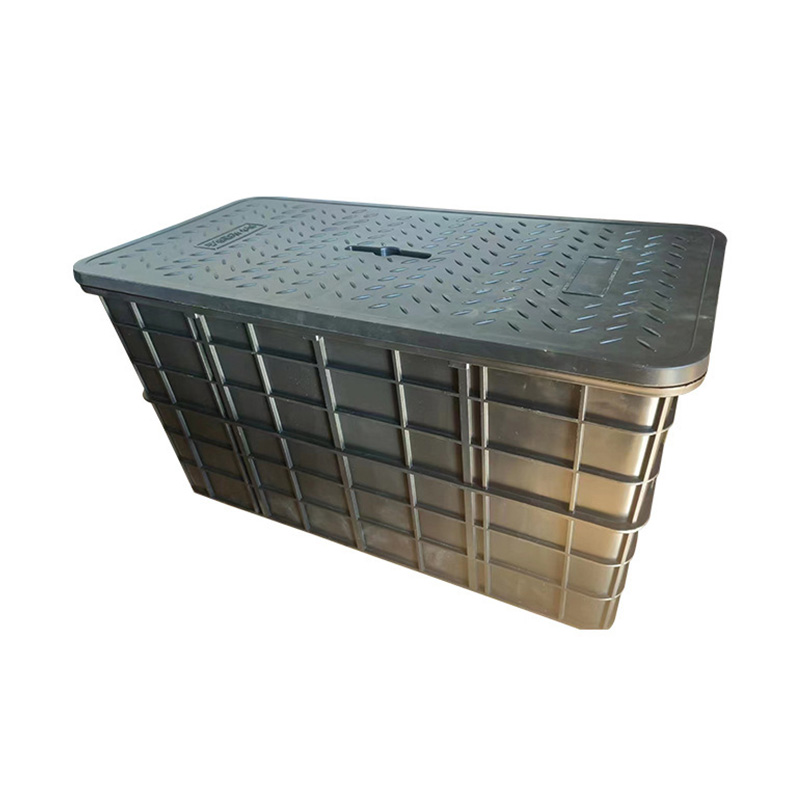
The quadrant design of the oil separator is tailored to optimize oil-water separation efficiency. As contaminated water enters the separator, it ...
See Details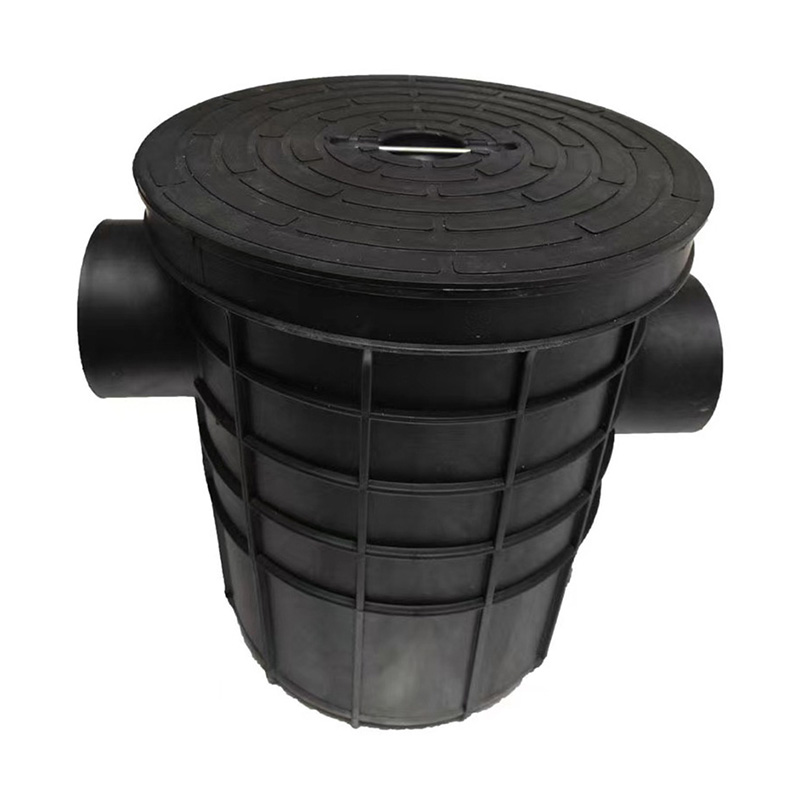
Buried pollution isolation tanks are essential components of modern wastewater management systems, designed to effectively separate and contain p...
See Details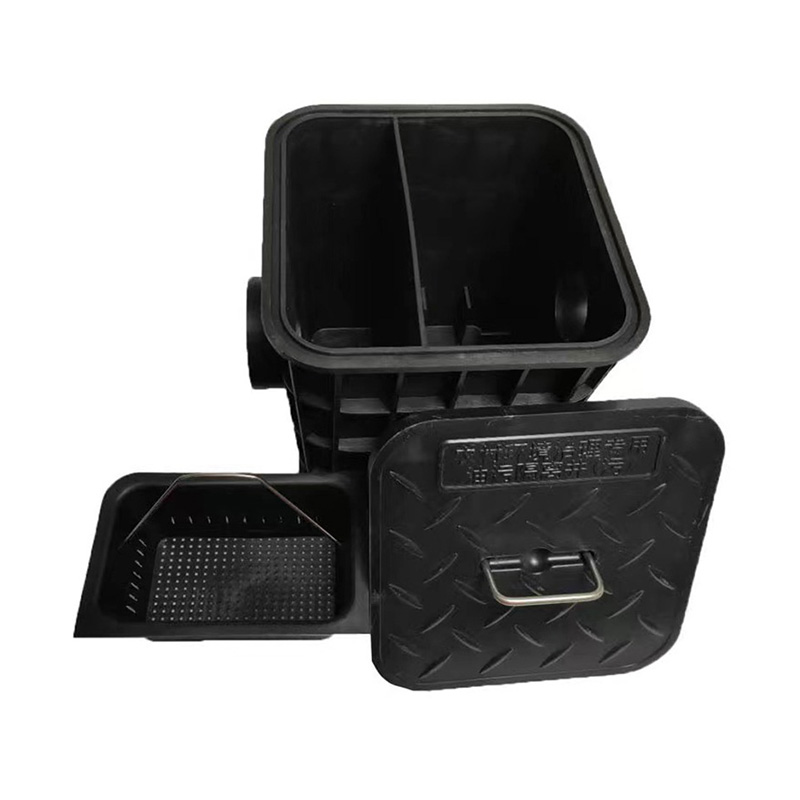
Triple compartment buried square oil-water separation filtration tanks represent an advanced solution designed to efficiently separate oil, greas...
See Details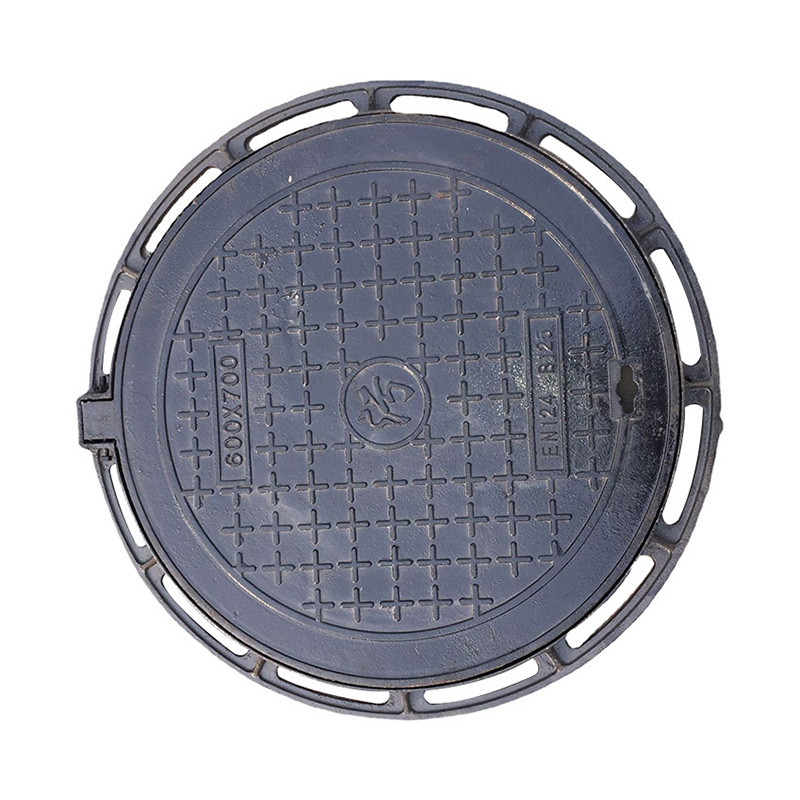
The management of public roads and utilities is critical for ensuring safety, efficiency, and convenience for residents and commuters. Heavy-duty...
See Details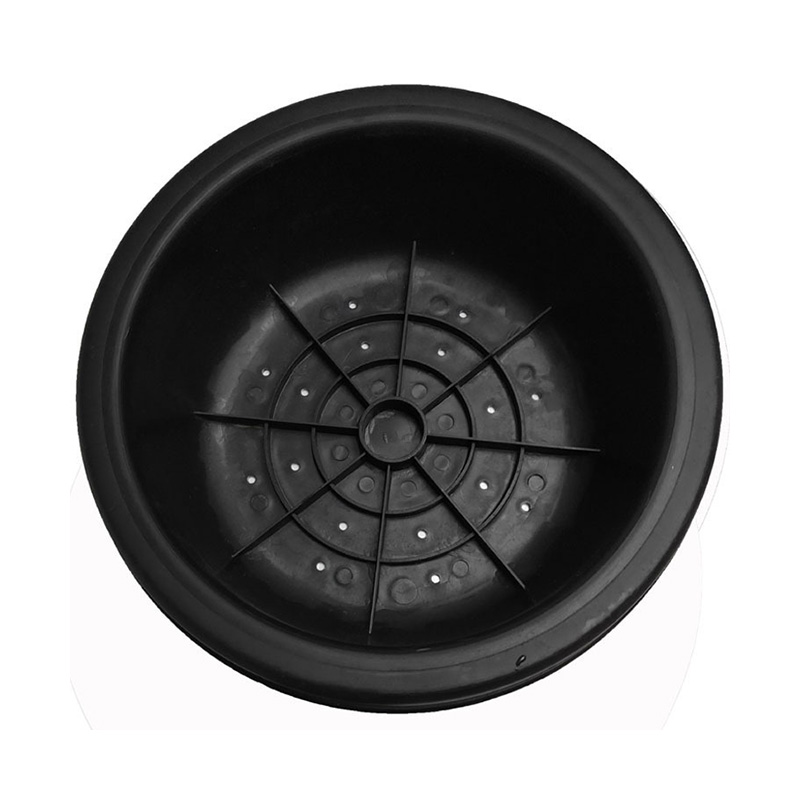
The composite resin recessed lawn decoration well cover represents an innovative solution designed to provide structural support while discreetly...
See DetailsIt would be great to hear from you!

The company independently develops HDPE drainage ditches, cage supports, and reinforced three-format plastic septic tank products, etc.


Phone: +86-13357651618
Tel: +86-0576-82929520
Email: [email protected]
Address: Heyu Industrial Zone, Yuanqiao Town, Huangyan District, Taizhou City, Zhejiang Province, China
Copyright © 2024 Taizhou Weicai Plastic Industry Co., Ltd. All Rights Reserved.

Plastic Drainage System Manufacturer