


 русский
 Español
 عربى
عربىV-Shaped HDPE Building Materials Pipe Plastic Drainage Ditch
Cat: Plastic Drain Channel
The V-shaped HDPE building material pipeline plastic drainage trench represents a significant innovation in drainage technology, tailored to meet...
See DetailsStorm events have become a critical challenge for modern aquaculture operations, especially for offshore and coastal farming areas using a Fish Cage Culture System. Structural failures during harsh weather often result in economic loss, fish escape, and long recovery periods. A well-designed Aquaculture Fish Cage must therefore balance durability, hydrodynamic stability, and long-term fatigue resistance under wave and current loading.
Our company focuses on engineering reinforced cage solutions designed to withstand harsh marine environments, where storm resilience is not optional but essential for sustainable aquaculture development.
Storm damage usually comes from the combined forces of waves, wind, and current pressure acting simultaneously on cage systems.
Research shows that wave-induced fatigue is a major cause of flotation pipe deformation and structural failure in offshore cages, especially under long-duration storm cycles. Even moderate wave heights can generate cumulative stress that weakens cage frames over time.
Key risks include:
Storm resistance is therefore not only about strength, but also about energy absorption and load distribution.
Modern Aquaculture Fish Cage design has shifted from rigid survival structures to flexible, energy-dissipating systems.
Our company designs cages with the following engineering principles:
Storm-resistant cage systems are no longer static; they must adapt dynamically to changing sea states.
To improve survival performance, our Fish Cage Culture System integrates several technical reinforcements:
Studies confirm that improved mooring arrangements significantly enhance safety levels under wave and current stress conditions.
To evaluate real storm resistance, engineering design typically considers the following parameters:
These parameters ensure that Aquaculture Fish Cage systems remain operational even under severe marine disturbances.
Most storm-related cage failures follow predictable patterns:
Understanding these mechanisms helps engineers redesign cages with improved redundancy and load balancing.
Our company applies a system-level design philosophy instead of focusing on single components.
We integrate:
Each Fish Cage Culture System is engineered based on site-specific environmental data rather than standardized assumptions.
In offshore environments, cage survival depends on coordinated system behavior rather than isolated strength.
Key operational strategies include:
These strategies significantly improve operational continuity even in high-energy marine zones.
Our company ensures product reliability through:
Every Aquaculture Fish Cage is tested under simulated wave loading conditions before delivery.
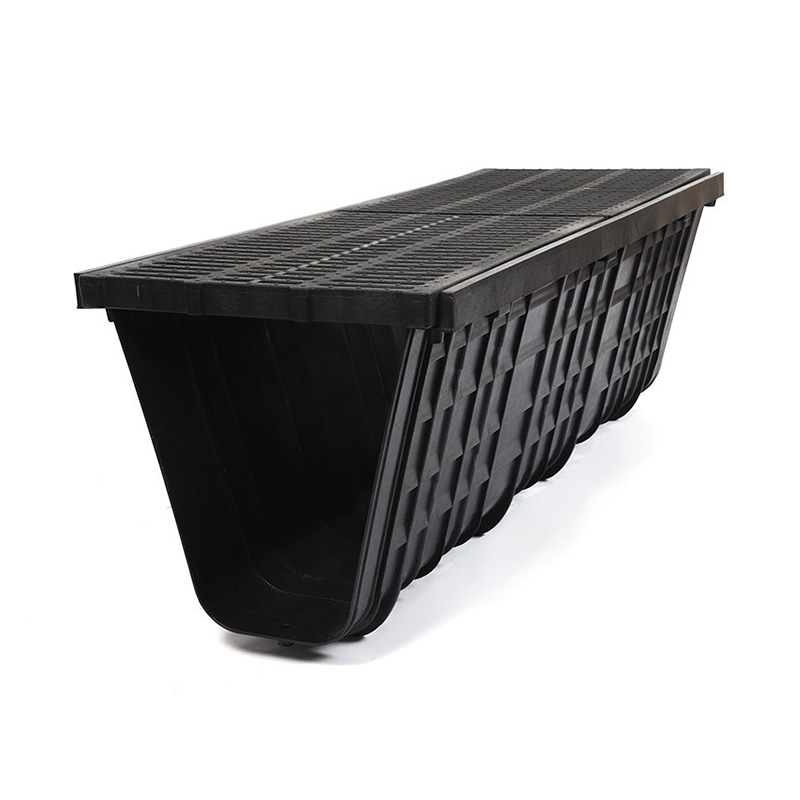
The V-shaped HDPE building material pipeline plastic drainage trench represents a significant innovation in drainage technology, tailored to meet...
See Details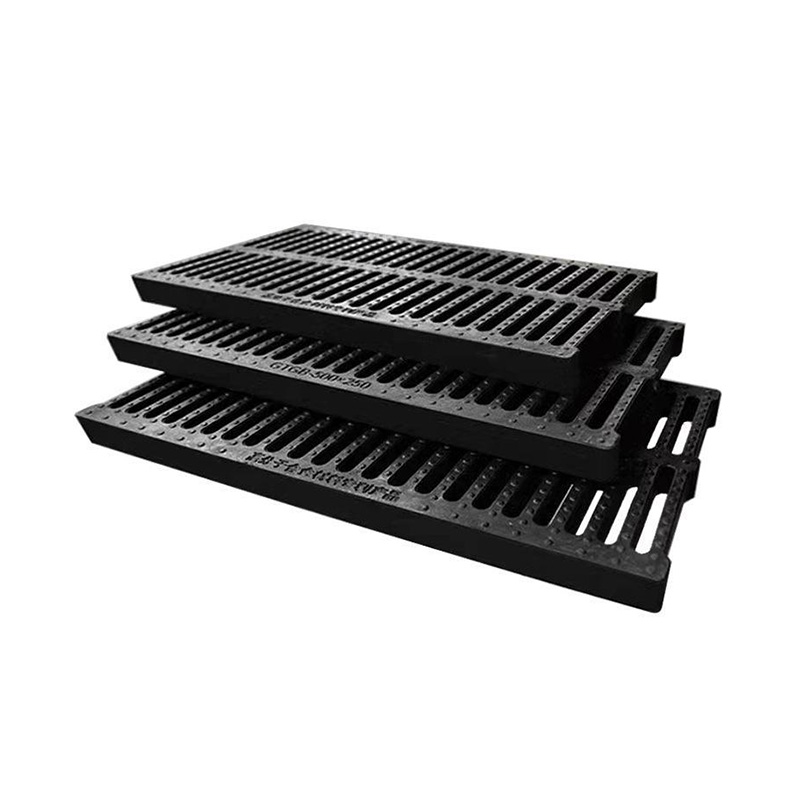
The PE composite plastic trench drainage channel cover plate is a cutting-edge solution designed to effectively manage surface water runoff in va...
See Details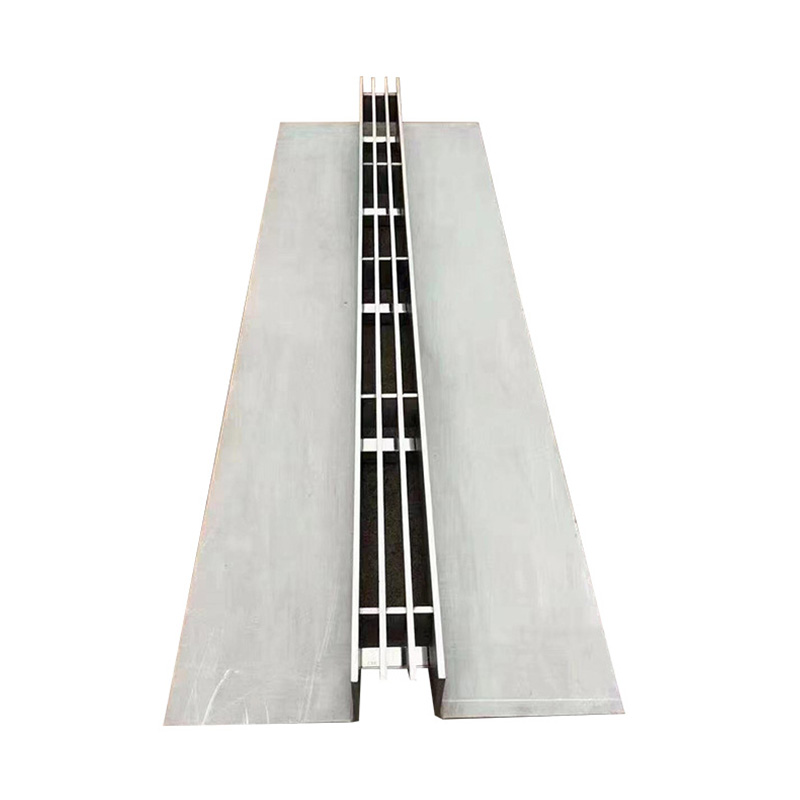
The Grate Stainless Steel Invisible Gutter Cover is a high-quality drainage system component. It is made of high-quality stainless steel material...
See Details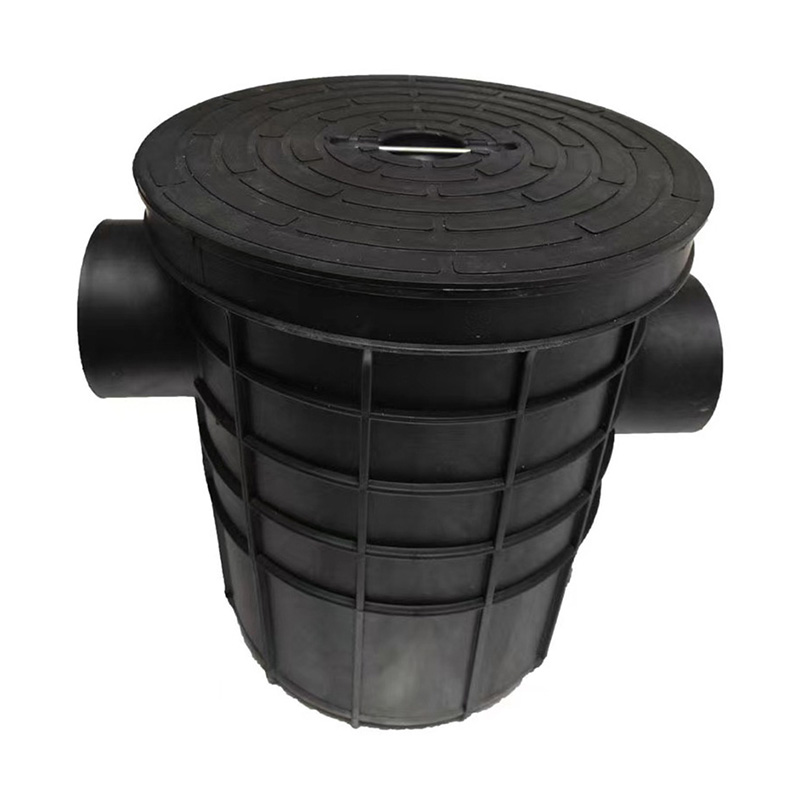
Buried pollution isolation tanks are essential components of modern wastewater management systems, designed to effectively separate and contain p...
See Details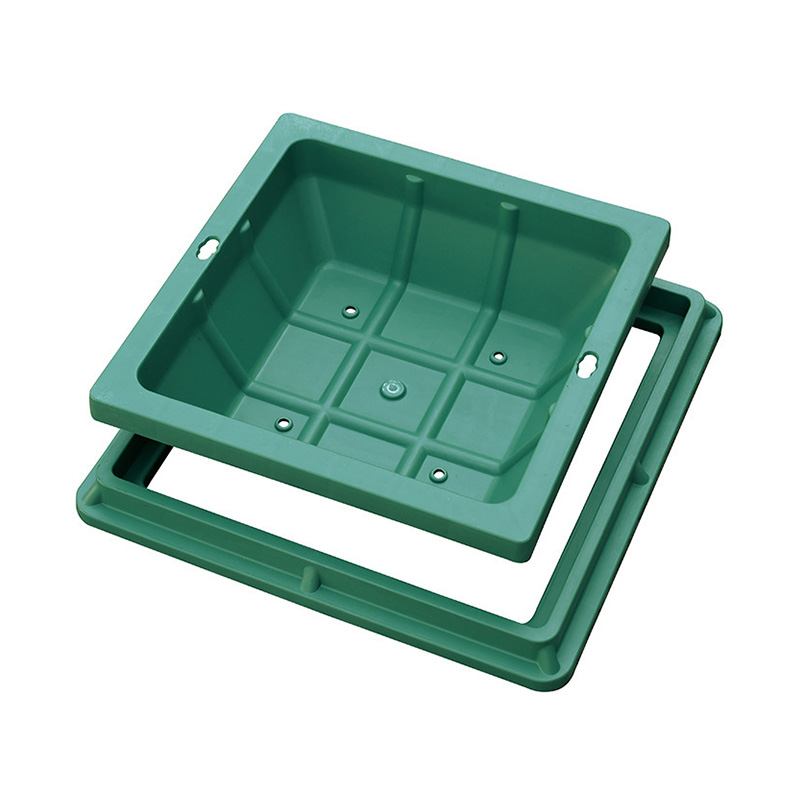
PE greening recessed manhole covers with circular and square rings represent innovative solutions designed to blend seamlessly with green spaces ...
See Details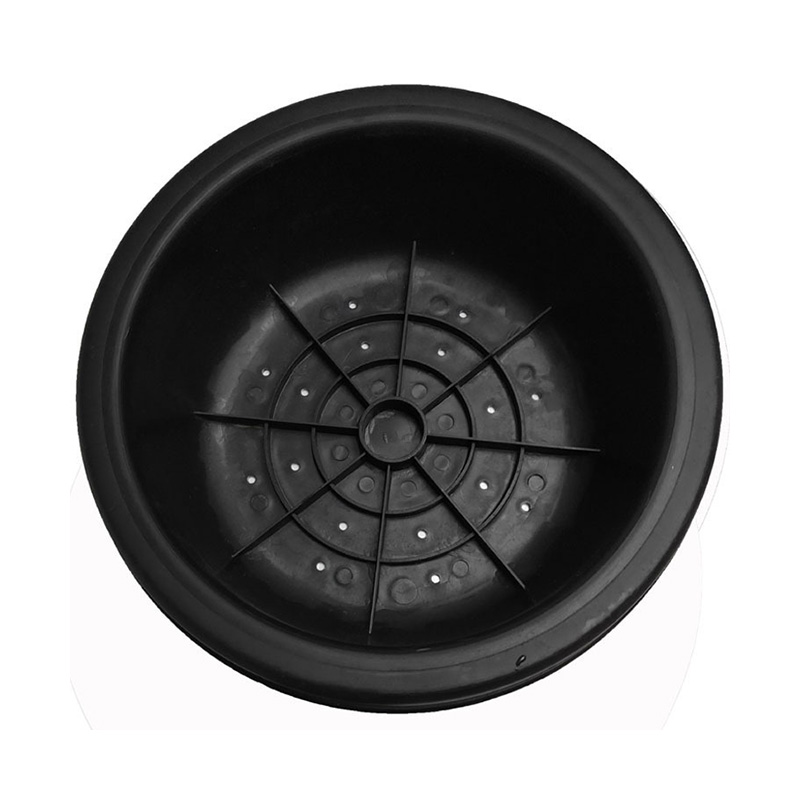
The composite resin recessed lawn decoration well cover represents an innovative solution designed to provide structural support while discreetly...
See DetailsIt would be great to hear from you!

The company independently develops HDPE drainage ditches, cage supports, and reinforced three-format plastic septic tank products, etc.


Phone: +86-13357651618
Tel: +86-0576-82929520
Email: [email protected]
Address: Heyu Industrial Zone, Yuanqiao Town, Huangyan District, Taizhou City, Zhejiang Province, China
Copyright © 2024 Taizhou Weicai Plastic Industry Co., Ltd. All Rights Reserved.

Plastic Drainage System Manufacturer