


 русский
 Español
 عربى
عربىV-Shaped HDPE Building Materials Pipe Plastic Drainage Ditch
Cat: Plastic Drain Channel
The V-shaped HDPE building material pipeline plastic drainage trench represents a significant innovation in drainage technology, tailored to meet...
See DetailsMaintaining wastewater treatment equipment doesn’t only ensure proper operation — it also extends service life and prevents expensive breakdowns. For systems that include a Plastic Oil Water Separator and a Plastic Septic Tank, users often ask an essential question: how often should you maintain oil water separator units to keep them functioning reliably? This is especially important for facilities processing hydrocarbon-laden wastewater where performance depends on consistent separation and cleaning routines.
Many operators underestimate the importance of a maintenance schedule, assuming oil and water will naturally separate and the system will handle it. In reality, neglecting routine checks can result in poor separation efficiency, frequent clogging, and even impact downstream treatment processes, including septic tanks connected to the system.
A plastic oil water separator removes free oil and suspended hydrocarbons from wastewater before discharge or further treatment. Over time, oil layers, sludge, and debris accumulate inside the separator chambers. Without periodic maintenance, these deposits reduce the effective separation volume and can cause overflow of untreated contaminants into the Plastic Septic Tank or sewer system. Regular attention not only preserves unit efficiency but also enhances safety and compliance.
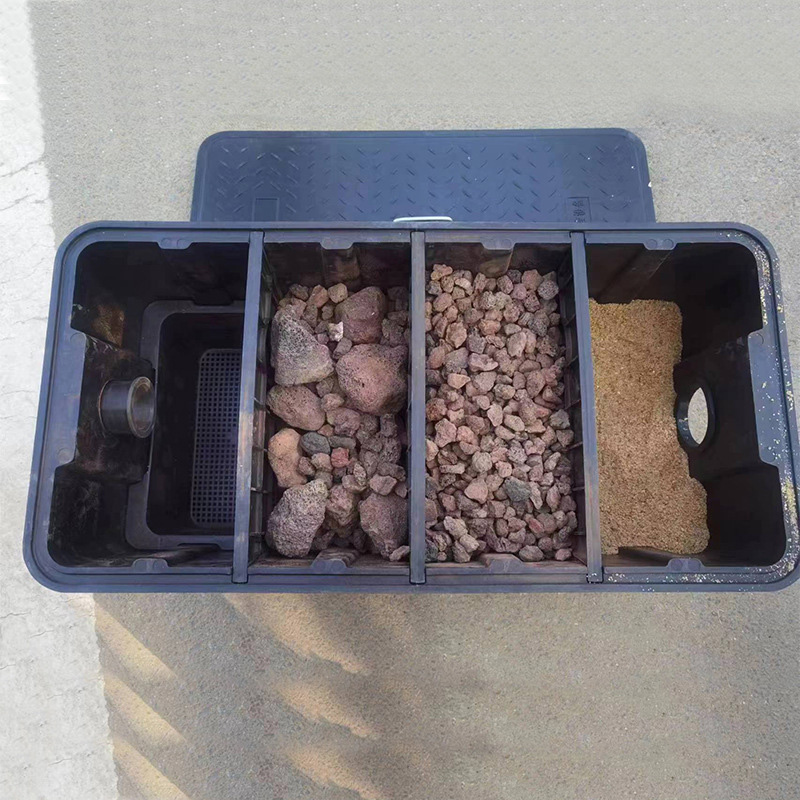
There is no single one-size-fits-all schedule because maintenance needs vary by usage intensity, influent quality, and operational conditions. However, widespread guidance from design and municipal standards suggests intervals that many facilities adopt:
1. Daily to Weekly Visual Inspections
Simple visual checks are highly valuable. Inspectors should look for:
Visible oil layer thickness
Floating debris or solids
Any unusual odors or odors near the separator
Signs of reduced flow through the unit
These quick checks help detect buildup early and allow corrective action before major issues develop.
2. Monthly or Quarterly Cleaning
Oil removal and sludge extraction should occur regularly. Many operators schedule:
Oil layer removal: Monthly or whenever the oil layer reaches a critical depth
Sludge removal: Every 3-6 months based on accumulation
This intermediate frequency prevents heavy buildup that can compromise separation performance and helps maintain consistent effluent quality.
3. Annual Deep Clean and Inspection
At least once a year, a comprehensive service should be performed by a trained technician. This includes:
Completely draining the separator
Cleaning internal plates, skimmers, and drains
Inspecting seals, valves, and structural integrity
Testing performance parameters such as effluent oil content
Annual maintenance keeps the unit functioning effectively and reduces risk of costly emergency interventions.
4. Condition-Based Adjustments
In high-usage environments such as industrial wash bays, vehicle service centers, or food processing areas, separators may require more frequent attention. Operators should monitor oil thickness, effluent condition, and flow performance to adjust the schedule as needed.
Operators sometimes delay maintenance because they perceive it as inconvenient or costly. However, the consequences can be significant:
Clogging and Reduced Flow: Unchecked buildup leads to blockages that restrict flow, requiring emergency service.
Poor Separation Quality: Excess oil and solids can carry through the system, causing issues downstream including in connected septic tanks.
Equipment Wear: Sludge left in place can accelerate corrosion or mechanical wear in internal parts.
These issues demonstrate that a proactive maintenance schedule is more cost-effective than reactive repairs.
To make your maintenance efforts efficient and effective, consider the following:
Maintain Records: Log every inspection, cleaning, and repair. This helps identify trends and optimize schedules.
Train Operators: Regular visual inspections by staff help catch problems early between professional services.
Use Access Ports: Easily accessible clean-out points and inspection hatches make routine maintenance safer and more efficient.
Follow Manufacturer Guidance: Equipment providers give tailored maintenance recommendations based on design and material properties.
A reliable partner like Taizhou Weicai Plastic Industry Co., Ltd. provides guidance on maintenance intervals and accessory design features that support safe and efficient inspection and cleaning.
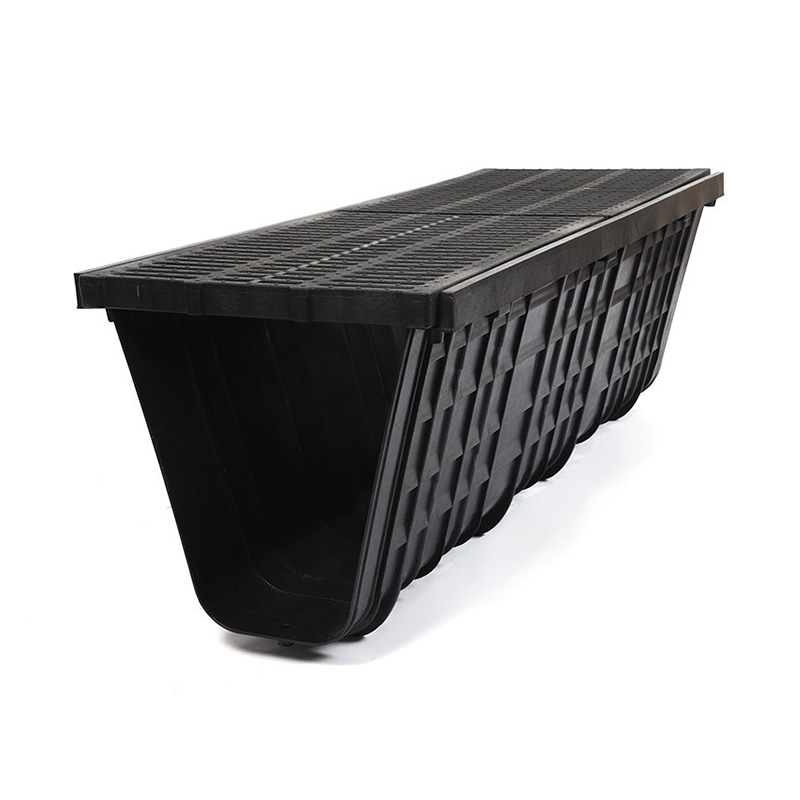
The V-shaped HDPE building material pipeline plastic drainage trench represents a significant innovation in drainage technology, tailored to meet...
See Details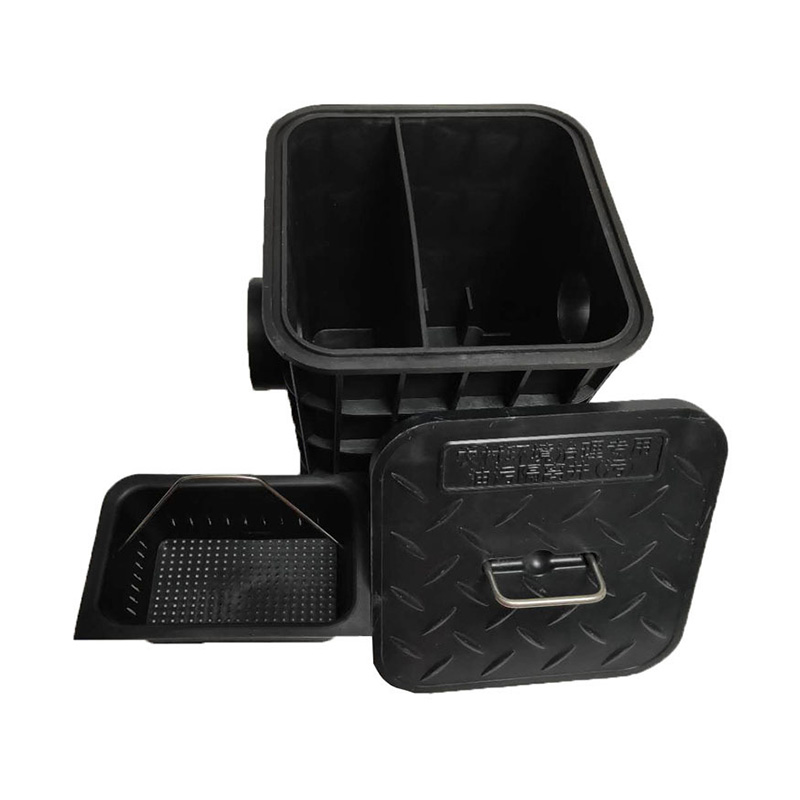
The circular oil separation PE plastic buried oil interceptor underground system is designed to capture and separate oil from water, preventing i...
See Details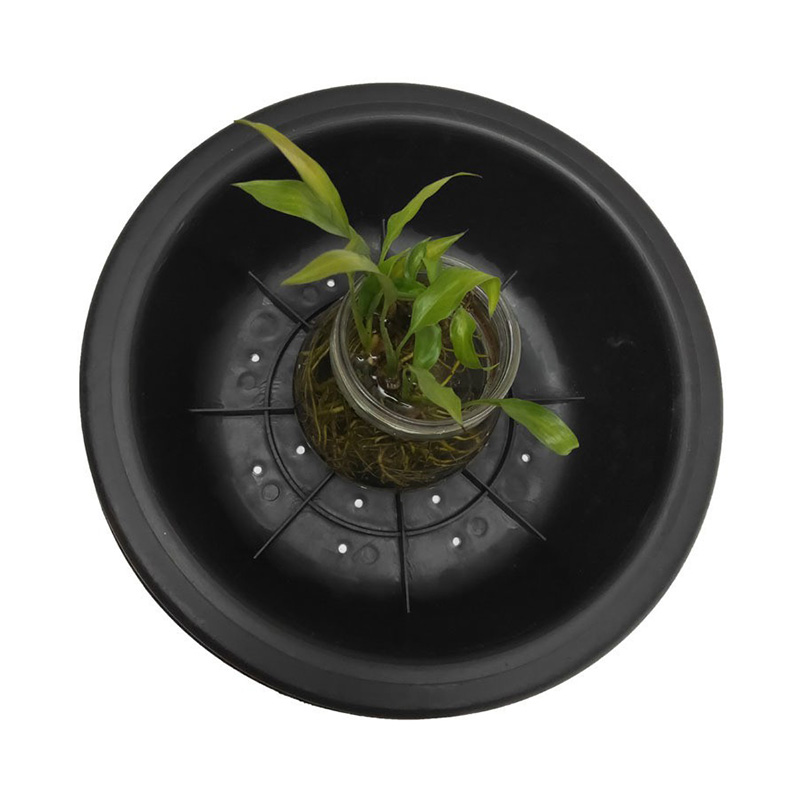
Crafted from durable PE materials, PE Recessed Composite Invisible Greening Planting Manhole Covers feature a discreet design allowing for the in...
See Details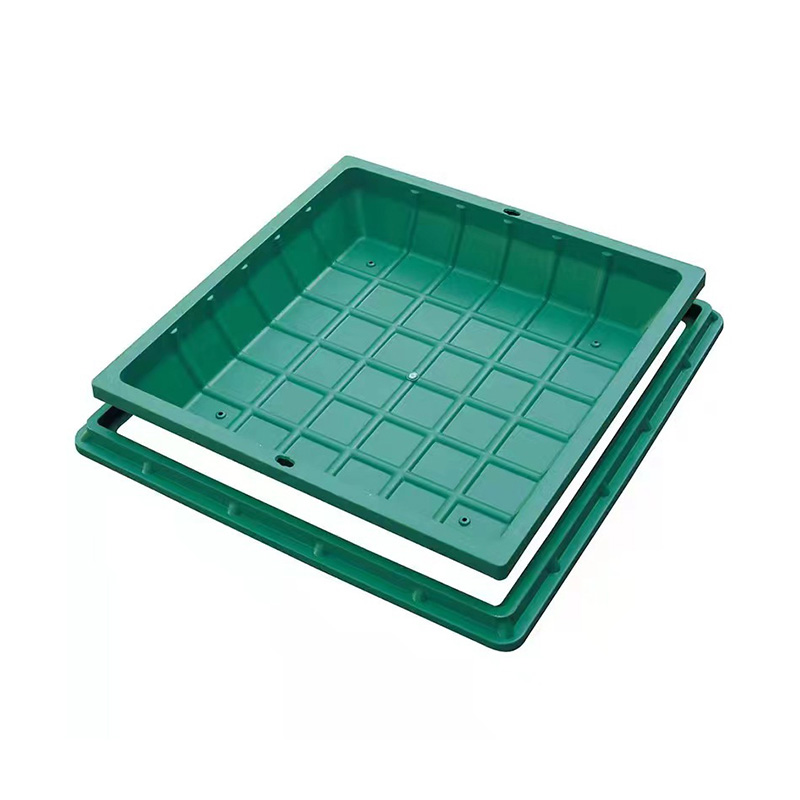
The PE grass pot park composite square flower pot well cover represents an innovative solution designed to combine practicality with visual appea...
See Details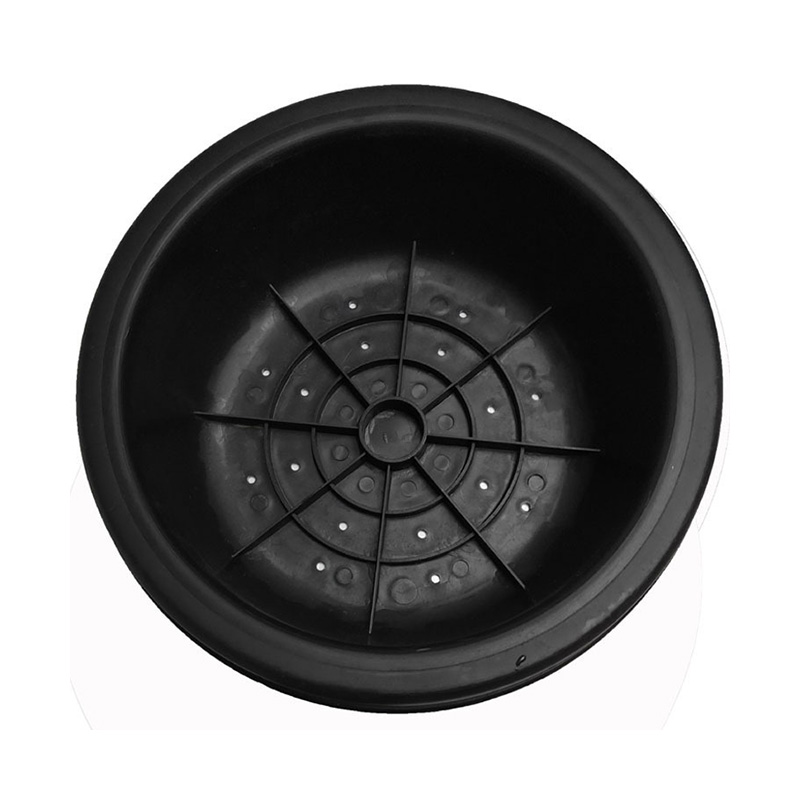
The composite resin recessed lawn decoration well cover represents an innovative solution designed to provide structural support while discreetly...
See Details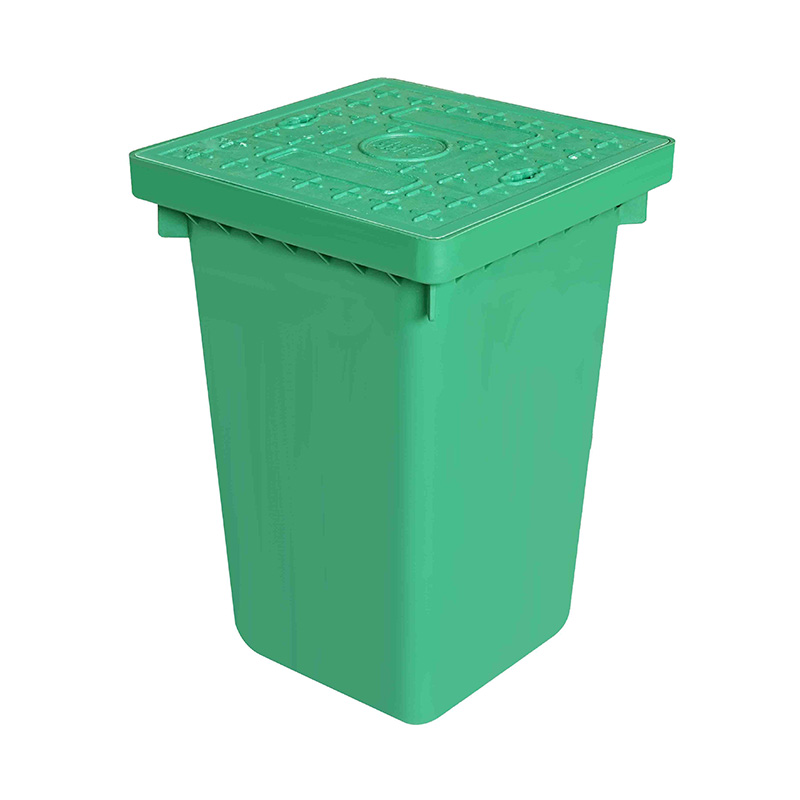
Integrated threading-free cable chamber box well is a commonly used equipment in the process of laying weak current lines. Its design structure m...
See DetailsIt would be great to hear from you!

The company independently develops HDPE drainage ditches, cage supports, and reinforced three-format plastic septic tank products, etc.


Phone: +86-13357651618
Tel: +86-0576-82929520
Email: [email protected]
Address: Heyu Industrial Zone, Yuanqiao Town, Huangyan District, Taizhou City, Zhejiang Province, China
Copyright © 2024 Taizhou Weicai Plastic Industry Co., Ltd. All Rights Reserved.

Plastic Drainage System Manufacturer