


 русский
 Español
 عربى
عربىHDPE Plastic Linear Gap Gutter Cover
Cat: Drain Channel Cover
The HDPE plastic linear gap drainage channel cover plate offers a revolutionary solution for efficient surface water runoff management. Made from...
See DetailsManaging surface water effectively is a key concern for homeowners and property managers, especially in areas with heavy rain or abundant vegetation. When installing a plastic trench grate or plastic channel drain grate, one important consideration is how the grate design — particularly the size and shape of slots — can influence clogging behavior and overall drainage performance.
Across various user forums and Q&A sites, property owners share real-world experiences and concerns about how debris, leaves, sediment, and even small objects can collect at the grate surface or inside the trench and slow drainage. Understanding these concerns and how to address them can help you maintain a more reliable drainage system.
One of the main user concerns with surface drains is that too-large openings in a grate can let in more debris than expected. For example, a homeowner with a large driveway trench shared that their grate’s wide slots easily allowed leaves and organic debris to enter the trench, raising the risk of eventual clogging. Their worry was not just about immediate blockage, but the long-term effort required to keep the system functioning.
Large-slot grates may perform well for rapidly moving water, but they also make it easy for leaves, grass clippings, and other debris to enter the drain. Once debris passes the grate and settles deeper in the channel, it can compact and become harder to remove without dismantling the grate or using tools like drain snakes.
On the other hand, very small slots restrict debris entry but may slow water intake during heavy rainfall, potentially causing pooling on the surface. This balance between allowing water in efficiently and minimizing debris entry is an ongoing engineering challenge in trench and channel drain design.
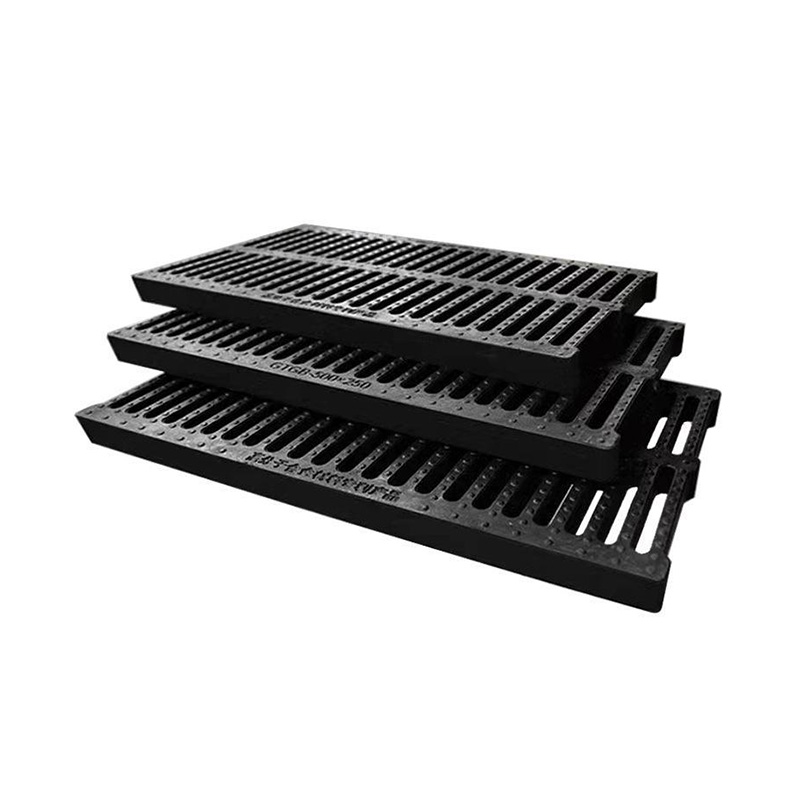
Homeowners often describe clogging issues in drainage systems with plastic grates, whether due to slot size or accumulated materials beyond the grate surface:
Some users have reported that even a small amount of debris can significantly reduce flow through the grate, particularly when organic matter collects behind the slots. In hard cases, this has contributed to water backing up against structures or even entering basements.
Others mention that driveway drains and walkways with wide-slot grates allow leaves and organic debris to regularly enter, requiring frequent manual cleaning to avoid slow drainage or overflow.
These real-world examples show that clogging is not just a theoretical design issue — it frequently affects how a drainage system performs seasonally, especially in areas with trees or heavy rainfall.
To effectively manage clogging and maintain easy drainage with a plastic channel drain grate or plastic trench grate, consider the following practical steps:
a. Select Appropriate Slot Geometry
When possible, choose grate designs that strike a balance between water entry and debris resistance. Narrower slots or grate patterns that reduce large debris entry can help, especially where leaves and organic debris are common.
b. Use Filter Inserts or Mesh Screens
Some homeowners retrofit a fine mesh screen beneath the grate at the top of the channel to catch smaller debris before it enters the trench. While this helps prevent internal clogging, it requires regular cleaning of the mesh itself to maintain flow.
c. Regular Cleaning and Inspection
Even well-designed trench drains benefit from periodic inspection and clearing of accumulated debris. Cleaning before heavy rain seasons or after significant wind storms helps maintain smooth drainage.
d. Adjust Landscaping Around the Drain
Reducing the amount of vegetation and leaves near the drain path can minimize debris load. Keeping ground cover trimmed and avoiding planting large-leaf trees near the drain line are simple preventative measures.
When a clog does happen, knowing the right tools and techniques can save time and headaches:
Drain Snake or Cable — For deeper clogs down the channel, a flexible drain snake can reach into the pipe behind the trench to dislodge blockages.
Pressure Hose — Using a high-pressure nozzle on a garden hose can help push sediment and organic material out of the channel.
Leaf Blower (Dry Conditions) — If the channel is dry, using a leaf blower to push light debris out of the channel can be effective.
These practical techniques help keep routine maintenance straightforward, minimizing downtime and preserving the effectiveness of your drainage installation.
When selecting a new drainage system or replacing old grates, consider design features that make cleaning and maintenance easier:
Quick-release or removable grates make it easier to access the interior channel for thorough cleaning without tools.
Modular inserts for debris capture allow you to pull out the insert, clean it, and then replace it, reducing buildup inside the channel.
If maintenance ease is a priority, looking at product options designed specifically to facilitate regular cleaning can be worthwhile. Taizhou Weicai Plastic Industry Co., Ltd. offers a range of trench drain solutions with consideration for both drainage performance and maintenance access — including grate designs that allow more straightforward debris removal while managing water entry efficiently.
By selecting appropriate grate designs, incorporating supplementary screens or filters where needed, performing regular maintenance, and using the right tools for unclogging, you can improve drainage reliability and extend the useful life of your system. Preparing for local environmental conditions and understanding common clogging factors allows you to keep surface water moving efficiently and avoid surprises during heavy weather events.
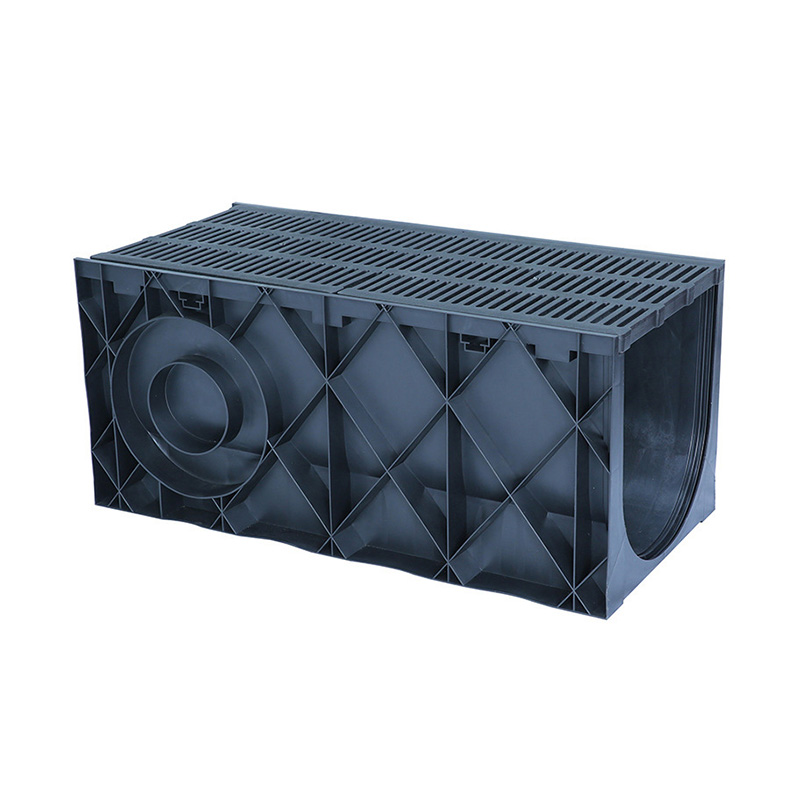
The HDPE plastic linear gap drainage channel cover plate offers a revolutionary solution for efficient surface water runoff management. Made from...
See Details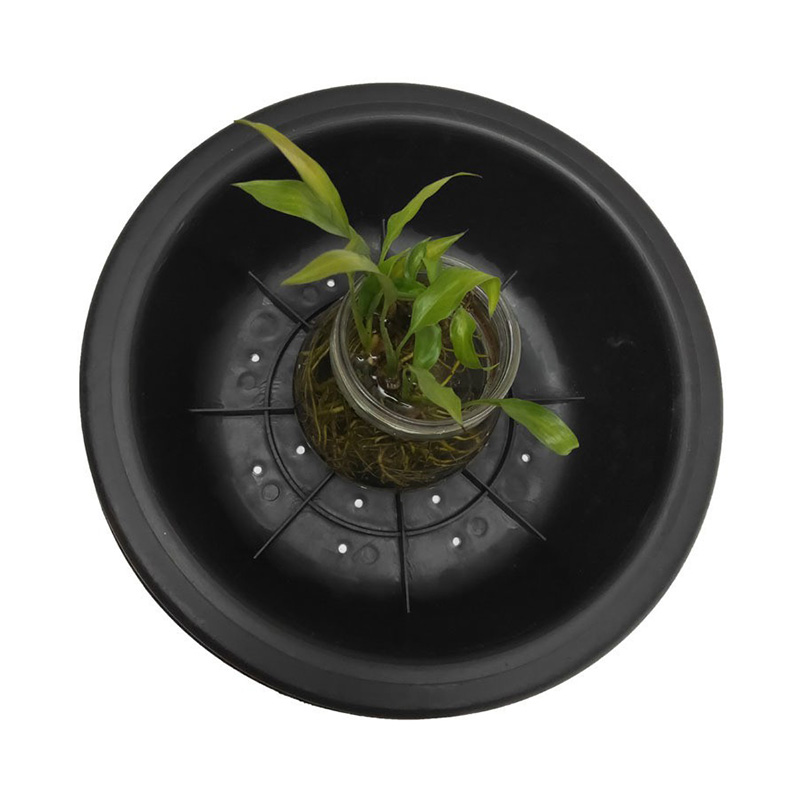
Crafted from durable PE materials, PE Recessed Composite Invisible Greening Planting Manhole Covers feature a discreet design allowing for the in...
See Details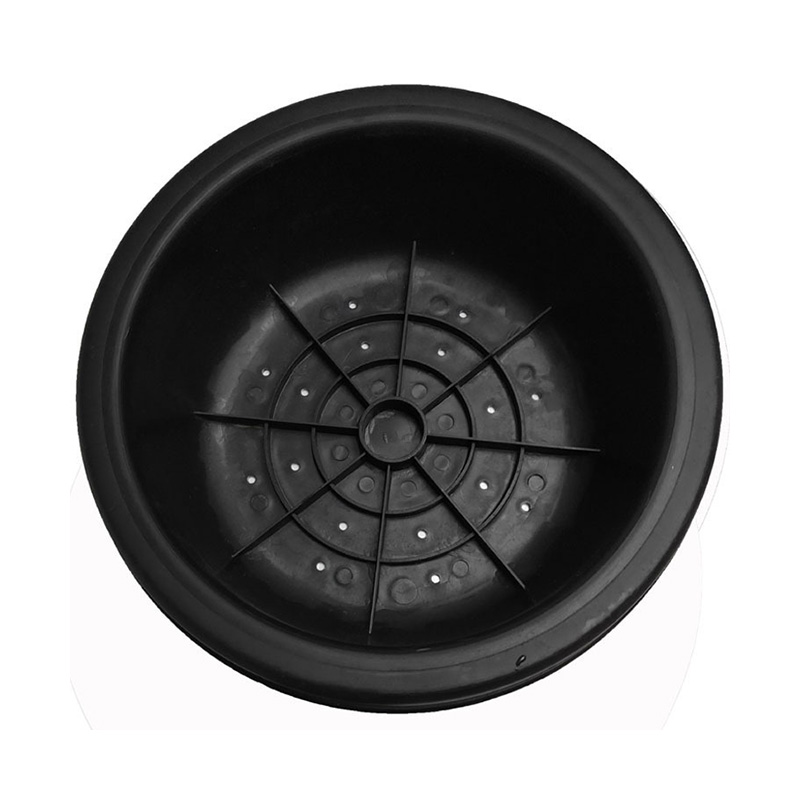
The composite resin recessed lawn decoration well cover represents an innovative solution designed to provide structural support while discreetly...
See Details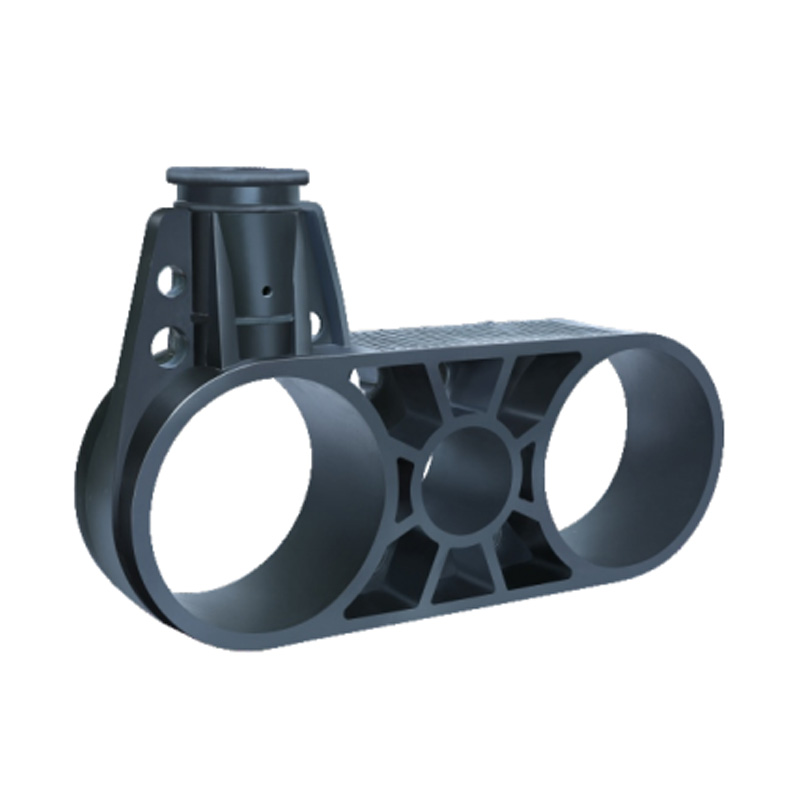
The Simple Round Breeding Cage features a durable and lightweight construction, making it suitable for both indoor and outdoor use. Its round sha...
See Details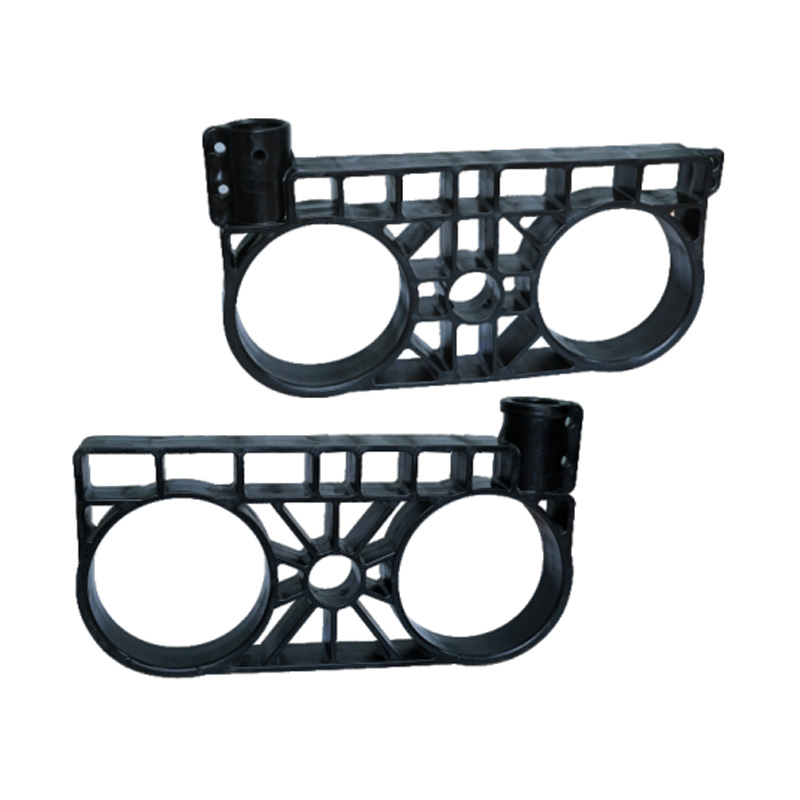
The Recreational Circular Aquaculture Net Cage is characterized by its simple yet effective design, tailored for ease of use and suitability for ...
See Details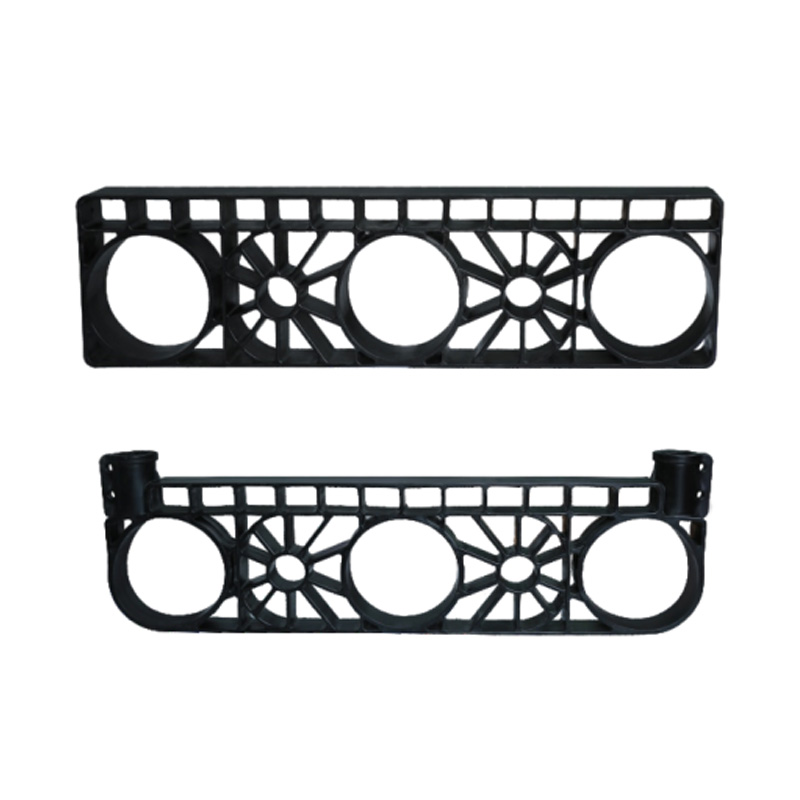
The PE Floating Buoy Aquaculture Net Cage is distinguished by its buoyant structure, which allows it to float on the surface of water bodies such...
See DetailsIt would be great to hear from you!

The company independently develops HDPE drainage ditches, cage supports, and reinforced three-format plastic septic tank products, etc.


Phone: +86-13357651618
Tel: +86-0576-82929520
Email: [email protected]
Address: Heyu Industrial Zone, Yuanqiao Town, Huangyan District, Taizhou City, Zhejiang Province, China
Copyright © 2024 Taizhou Weicai Plastic Industry Co., Ltd. All Rights Reserved.

Plastic Drainage System Manufacturer