


 русский
 Español
 عربى
عربىPE Linear Gap U-Shaped Drain Ditch
Cat: Plastic Drain Channel
The PE linear gap-type U-shaped channel drainage ditch is distinguished by its streamlined design, optimized for efficient water conveyance and s...
See DetailsPlastic septic tank installations have grown more common across residential and light-commercial properties due to their corrosion resistance, light weight, and ease of transport. At the same time, many users encounter unexpected issues that cause them to ask important questions about performance and durability. Likewise, concerns with plastic oil water separators — used to remove oils from wastewater — reflect the need for proper system design and operation in wastewater management.
A user recently reported that their plastic septic tank begins to flex or deform under soil pressure not long after installation — a surprising observation for many first-time owners. Understanding why this happens and how to address it can help extend the service life of your tank and prevent costly repairs or replacements.
Plastic septic tanks, especially large tanks buried underground, rely on surrounding soil and proper backfill to support their structure. However, the following factors can contribute to tank flexing:
Insufficient Soil Compaction: If soil around the tank isn’t compacted properly after installation, voids remain that allow earth to settle unevenly against the tank walls, causing distortion.
High Groundwater Levels: Tanks placed in areas with a high water table can experience buoyant forces; water pressure from below can push up or distort a lightweight tank if it isn’t filled with water during backfill.
Oversized Loads: Heavy surface loads from vehicles or equipment passing directly over the tank can cause flexing if the tank isn’t specified for such loading conditions.
Unlike rigid concrete, plastic tanks have more flexibility — a benefit in many situations, but one that needs careful handling in installation. Manufacturers such as Taizhou Weicai Plastic Industry Co., Ltd. design tanks with reinforced structures to help mitigate these issues, but field conditions still play a critical role in performance.
A flexing plastic septic tank isn’t always an immediate failure, but there are warning signs to watch for:
While plastic is resilient against corrosion, physical deformation can compromise seals and connections over time.
Proper planning and maintenance goes a long way toward preventing issues:
1. Proper Installation Practices
Ensure that the installation crew uses correct backfill materials and compaction techniques. Tanks should be stabilized with water filling during backfilling to counteract buoyant forces in high-water conditions.
2. Regular Inspection and Pumping
A septic system should be inspected periodically, typically every 1–3 years, with pumping scheduled every 3–5 years based on tank size and household usage. This helps prevent solids buildup that can overload both the tank and downstream drain field.
3. Keep Heavy Loads Away
Avoid placing heavy equipment or vehicles over the septic tank access area unless the tank is designed for load-bearing applications.
While plastic septic tanks focus on storing and partially treating household wastewater, plastic oil water separators serve a somewhat different function — separating hydrocarbons and oils from wastewater before it enters sewer systems or septic drain fields. These separators are commonly used in workshops, garages, and industrial settings.
Users often ask why their plastic oil water separator appears to require frequent cleaning or doesn’t perform as expected. Unlike a tank that holds wastewater, a separator relies on gravity and internal components to remove oils. Accumulation of solids, improper design, or insufficient maintenance can cause performance issues. Regular inspection and cleaning are crucial to maintaining effective separation and preventing clogs or backups.
Flexing in plastic septic tanks like any other underground storage structure doesn’t mean failure — but it does signal that installation conditions, site preparation, or maintenance routines may need review. By understanding how soil pressure, groundwater, and load conditions affect these systems, property owners can take proactive steps to safeguard their investment.
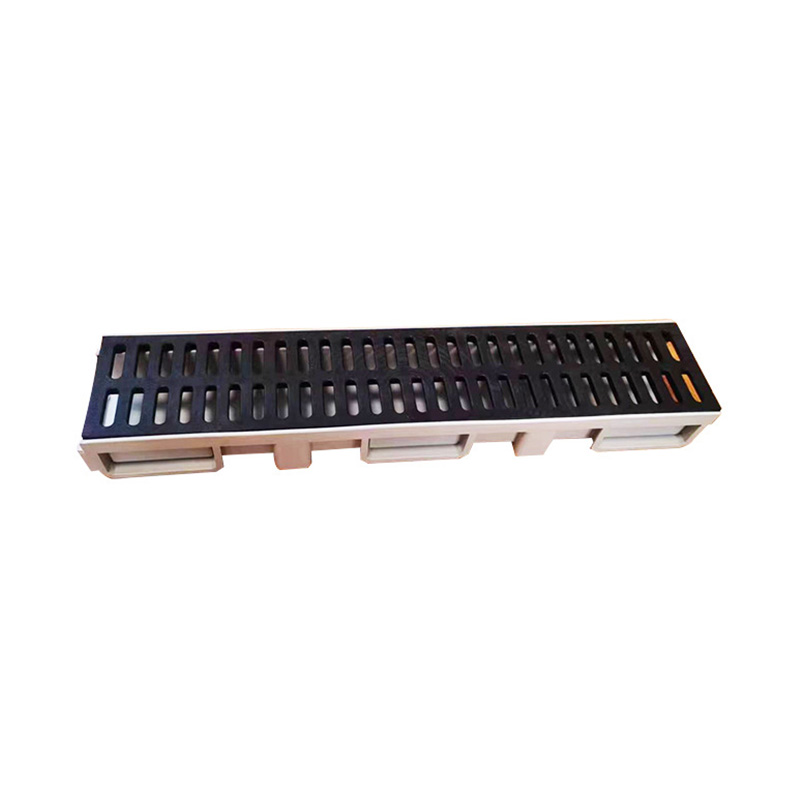
The PE linear gap-type U-shaped channel drainage ditch is distinguished by its streamlined design, optimized for efficient water conveyance and s...
See Details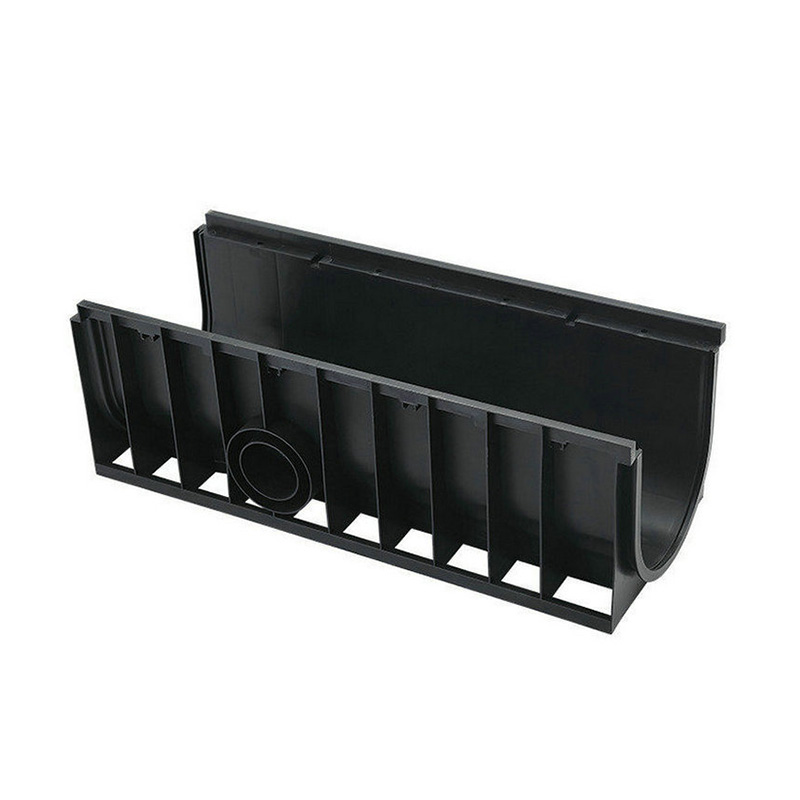
The HDPE linear plastic U-shaped circular forest sewer drainage ditch represents a significant advancement in drainage infrastructure, specifical...
See Details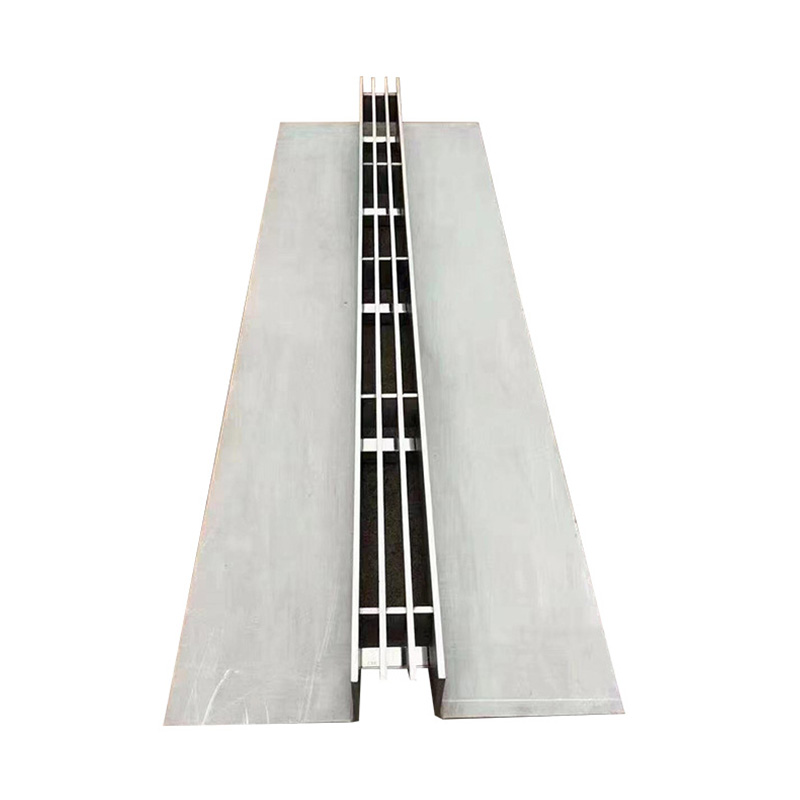
The Grate Stainless Steel Invisible Gutter Cover is a high-quality drainage system component. It is made of high-quality stainless steel material...
See Details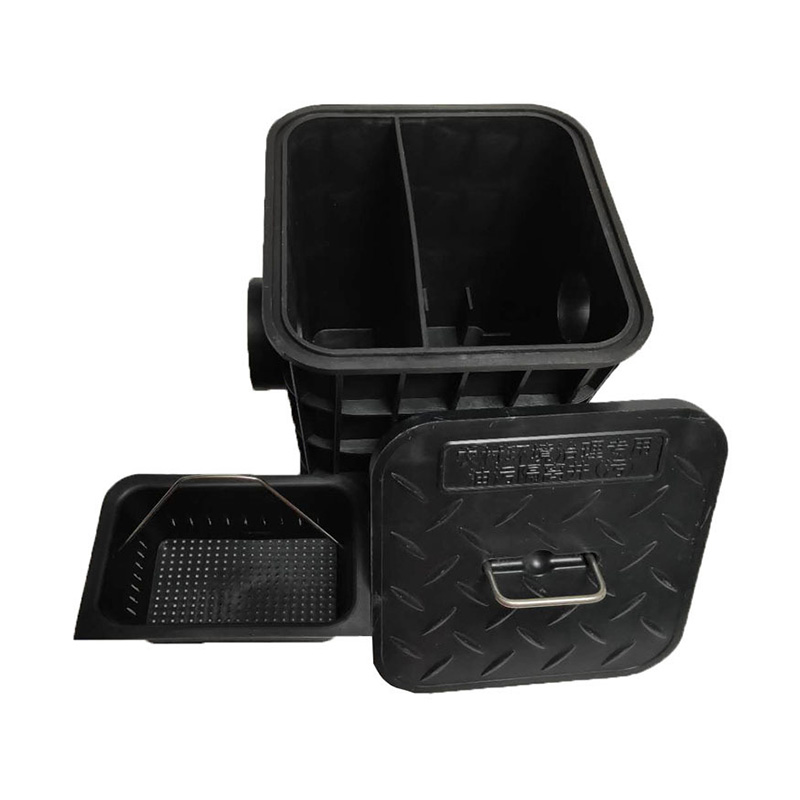
The circular oil separation PE plastic buried oil interceptor underground system is designed to capture and separate oil from water, preventing i...
See Details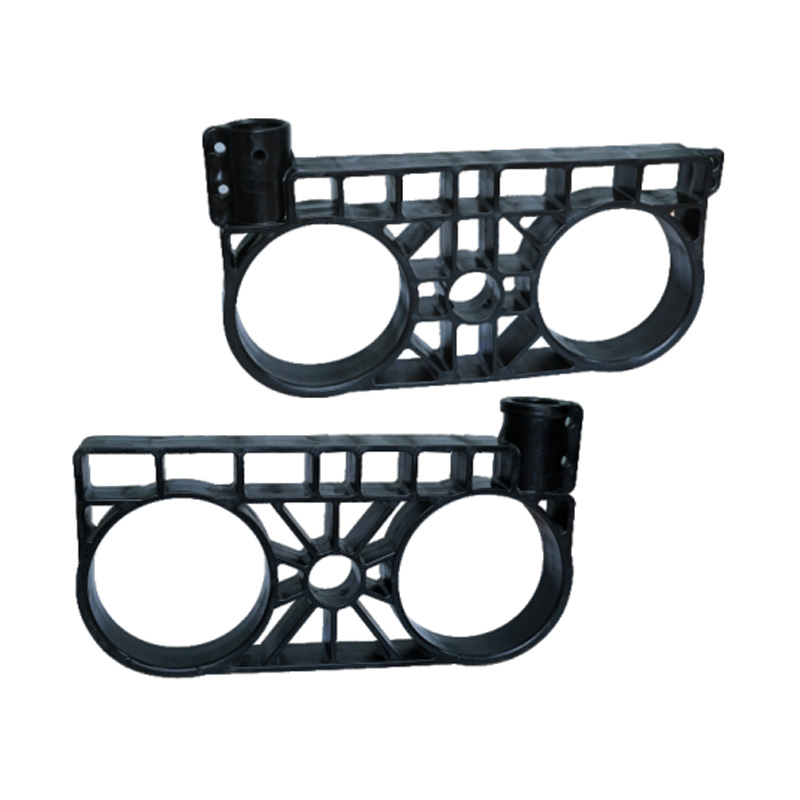
The Recreational Circular Aquaculture Net Cage is characterized by its simple yet effective design, tailored for ease of use and suitability for ...
See Details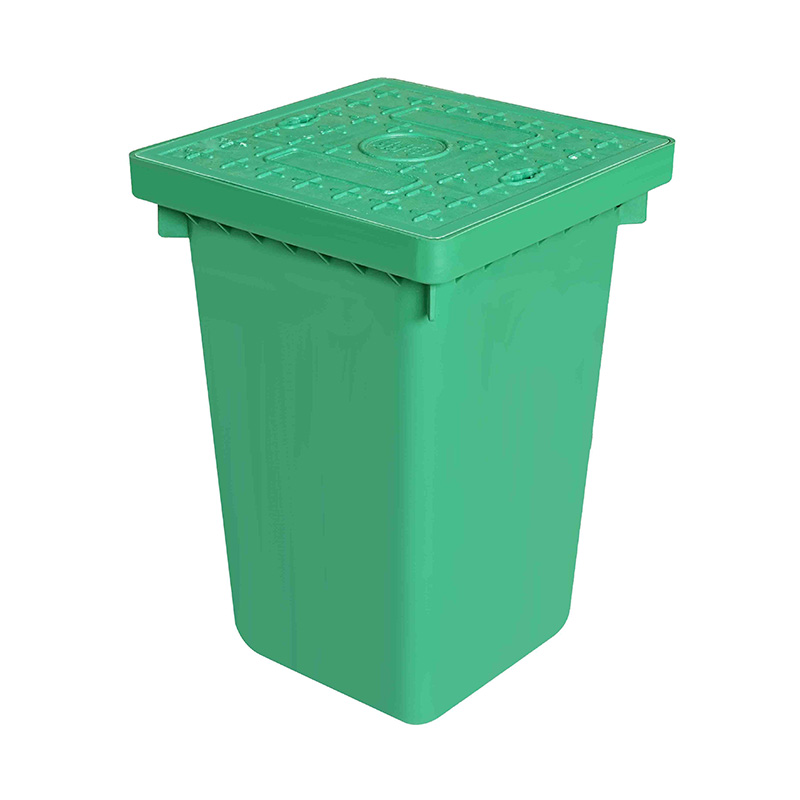
Integrated threading-free cable chamber box well is a commonly used equipment in the process of laying weak current lines. Its design structure m...
See DetailsIt would be great to hear from you!

The company independently develops HDPE drainage ditches, cage supports, and reinforced three-format plastic septic tank products, etc.


Phone: +86-13357651618
Tel: +86-0576-82929520
Email: [email protected]
Address: Heyu Industrial Zone, Yuanqiao Town, Huangyan District, Taizhou City, Zhejiang Province, China
Copyright © 2024 Taizhou Weicai Plastic Industry Co., Ltd. All Rights Reserved.

Plastic Drainage System Manufacturer