


 русский
 Español
 عربى
عربىResin Composite PE Mesh Plastic Drain Cover
Cat: Drain Channel Cover
The Resin Composite PE Grid Plastic Drainage Ditch Cover offers a durable and efficient way of covering drainage ditches in various environments.
See DetailsEvery facility managing wastewater — from a small workshop to a large commercial site — must consider how different treatment components interact. A question that often arises during system planning is: can an oil water separator connect to septic? This question matters because the way oil water separators and septic systems are integrated affects long-term performance, maintenance schedules, and regulatory compliance.
Before addressing connectivity, it is helpful to understand how a Plastic Oil Water Separator and a Plastic Septic Tank function within the wastewater treatment chain. A plastic oil water separator removes hydrocarbons and floating oils from wastewater streams, preventing oil from entering downstream treatment. A septic tank collects household or facility wastewater, allowing solids to settle while liquid outflows go to a drain field.
A common user concern is what happens when oil-laden wastewater flows directly into a septic tank. For systems where oil water separators feed into a buried septic tank, improper connection can introduce problems:
Accumulation of Oil in Septic: Septic bacteria crucial for breaking down organic matter can be inhibited by oil residues, especially if large amounts of free or emulsified oil enter the tank. Oil that is not removed by the separator can float, coating scum layers and affecting biological activity.
Drain Field Clogging: Oil that bypasses the separator and enters a septic tank may ultimately reach the drain field, causing clogging and premature failure of absorption trenches.
Reduced Efficiency: The presence of oil and grease can reduce the overall efficiency of solids separation and biological digestion within the plastic septic tank. Query responses from system designers emphasize that pre-treatment is essential for protecting septic functionality.
Based on real use cases, many professionals caution against direct discharge of oily wastewater into septic units without appropriate pre-treatment and design consideration.
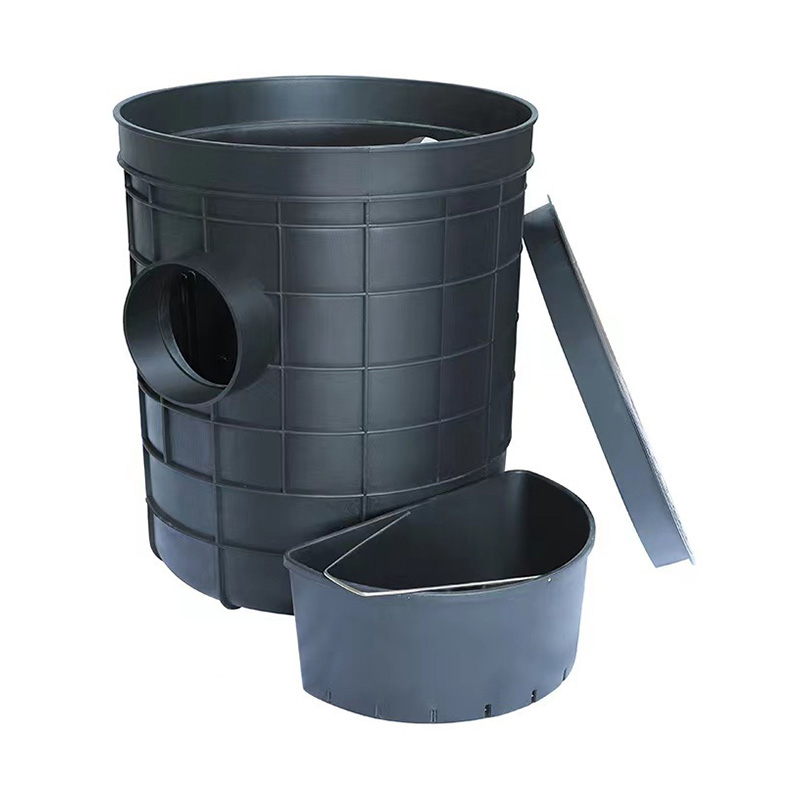
A Plastic Oil Water Separator can be connected to a septic system only if the design ensures oil is effectively removed initially and solids are managed correctly. Effective integration often includes:
1. Correct Sizing and Placement
Choose an oil water separator matched to the expected flow rate and oil load. Oversized wastewater volumes or fluctuating flow can overwhelm a separator, reducing separation efficiency.
2. Flow Control Devices
Install flow regulators between the separator and septic tank to maintain steady flow and ensure adequate retention time for gravity separation. This helps prevent bypassing contaminants directly into the septic.
3. Inspection and Maintenance Access
Place accessible inspection ports and clean-out points where operators can monitor sludge, oil layers, and separator performance before the septic connection. Routine checks help detect early accumulation and prevent downstream impacts.
4. Secondary Treatment Alternatives
In cases with high oil loads, consider a small polishing unit or a coalescing stage before septic discharge. This adds a safety layer, especially where oil emulsification may reduce separation performance.
These design steps usually require professional consultation. Companies such as Taizhou Weicai Plastic Industry Co., Ltd. can help fabricators and end users choose appropriate tanks and separators to integrate with existing wastewater infrastructure.
Even with correct connection, an oil water separator must be maintained regularly to prevent performance degradation. Common pitfalls include:
Sludge and Debris Buildup: Accumulation of solids in separators reduces oil removal efficiency and can cause carry-over into the septic tank.
Emulsified Oils: Oils mixed with detergents or surfactants can remain suspended in water and pass through gravity separators, stressing subsequent treatment stages.
Blockages or Flow Surges: Uncontrolled wastewater surges can exceed separator capacity, forcing some untreated flow into the septic tank.
Regular inspection, recommended cleaning schedules, and staff training help maintain both separators and septic tanks performing as designed. A proactive approach improves reliability and minimizes costly system failures.
To truly protect your wastewater infrastructure, plan connections with long-term operational needs in mind. Effective pre-treatment via oil water separators preserves the health of septic systems and ultimately reduces downtime and repair costs for facilities managing mixed wastewater. Proper design and maintenance ensure that integrated systems function reliably for years to come.
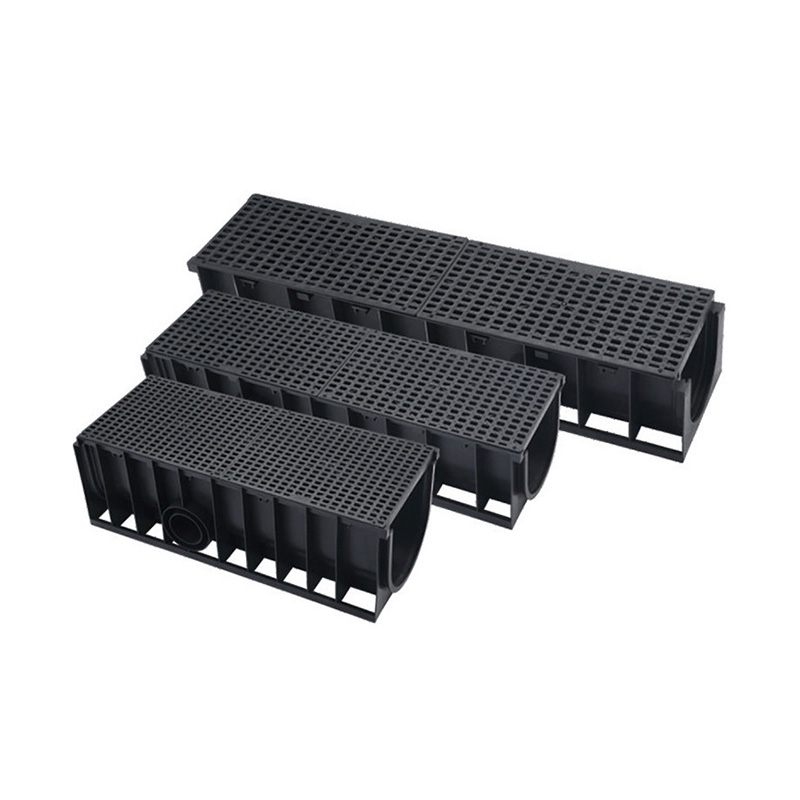
The Resin Composite PE Grid Plastic Drainage Ditch Cover offers a durable and efficient way of covering drainage ditches in various environments.
See Details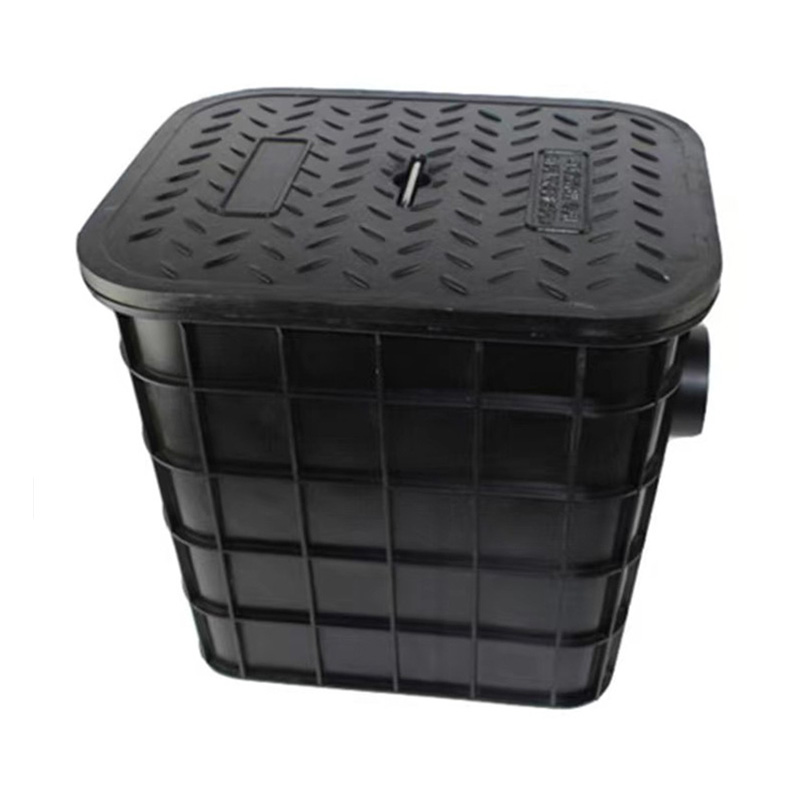
In the bustling world of the food service industry, proper waste management is crucial for maintaining a clean and hygienic environment. One esse...
See Details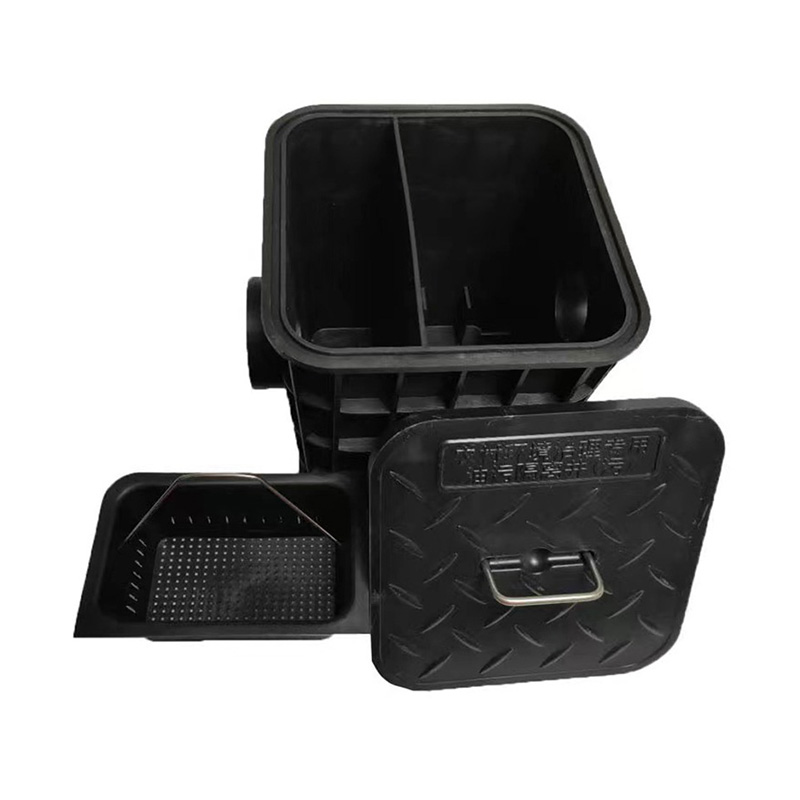
Triple compartment buried square oil-water separation filtration tanks represent an advanced solution designed to efficiently separate oil, greas...
See Details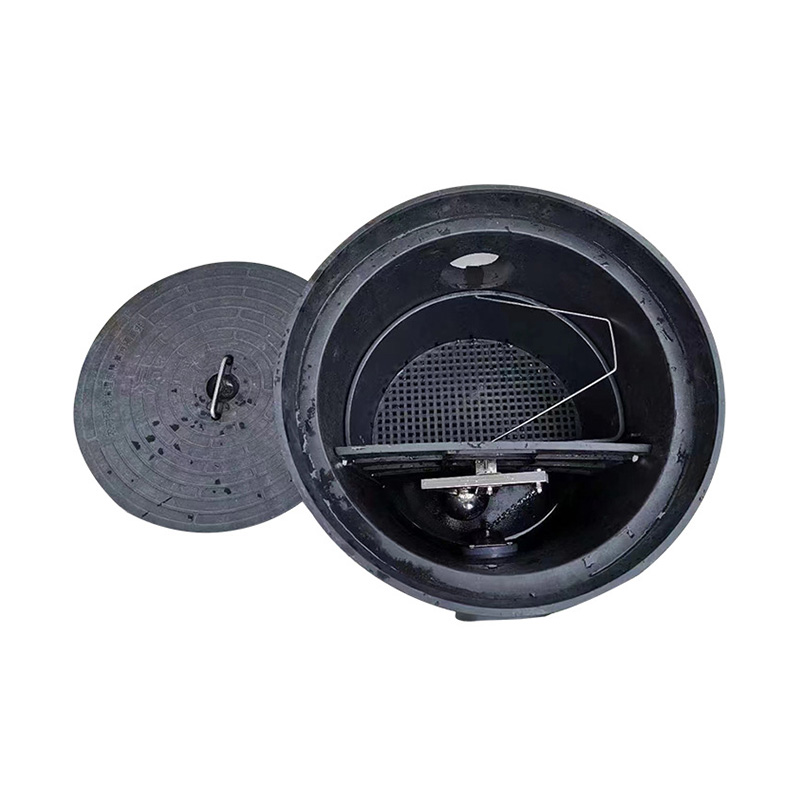
Balcony and roof rainwater pollution separators are devices installed on balconies, rooftops, or other outdoor areas to intercept and treat rainw...
See Details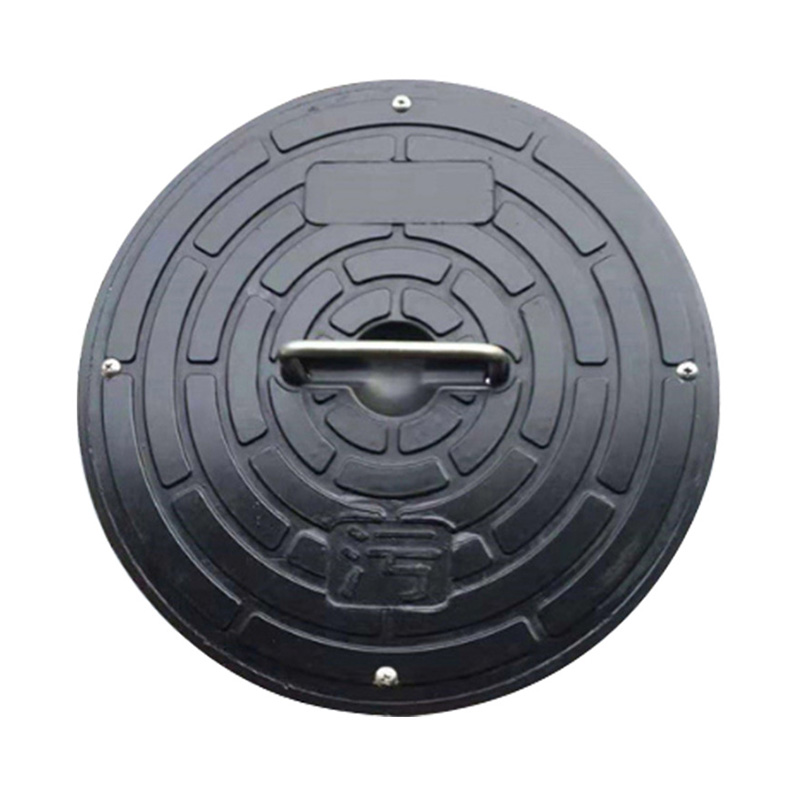
The effective management of sewage systems is paramount for public health and environmental sustainability. Composite plastic sewage manhole cove...
See Details
Integrated threading-free cable chamber box well is a commonly used equipment in the process of laying weak current lines. Its design structure m...
See DetailsIt would be great to hear from you!

The company independently develops HDPE drainage ditches, cage supports, and reinforced three-format plastic septic tank products, etc.


Phone: +86-13357651618
Tel: +86-0576-82929520
Email: [email protected]
Address: Heyu Industrial Zone, Yuanqiao Town, Huangyan District, Taizhou City, Zhejiang Province, China
Copyright © 2024 Taizhou Weicai Plastic Industry Co., Ltd. All Rights Reserved.

Plastic Drainage System Manufacturer