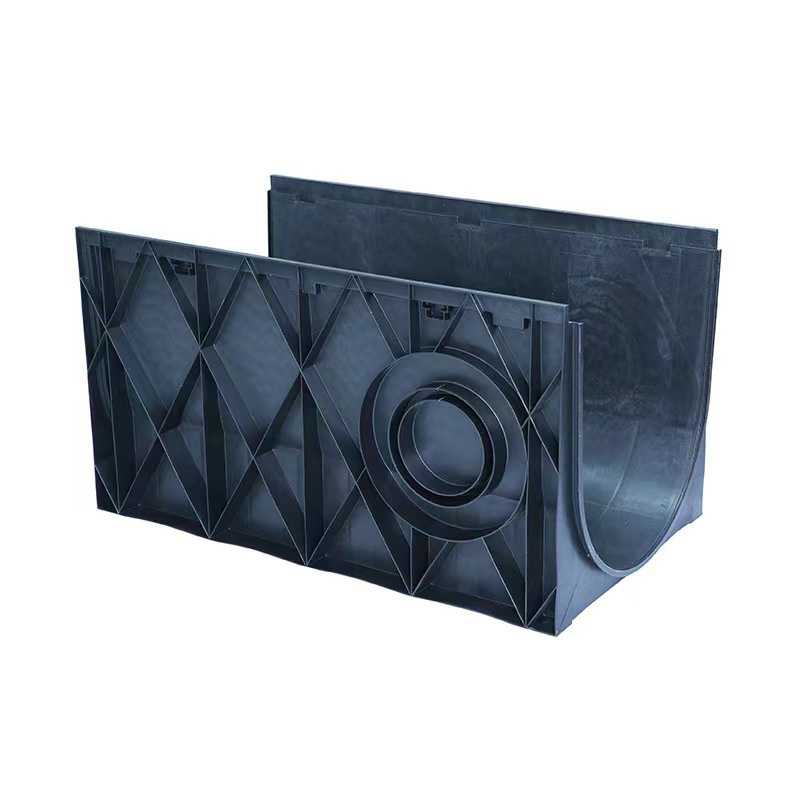
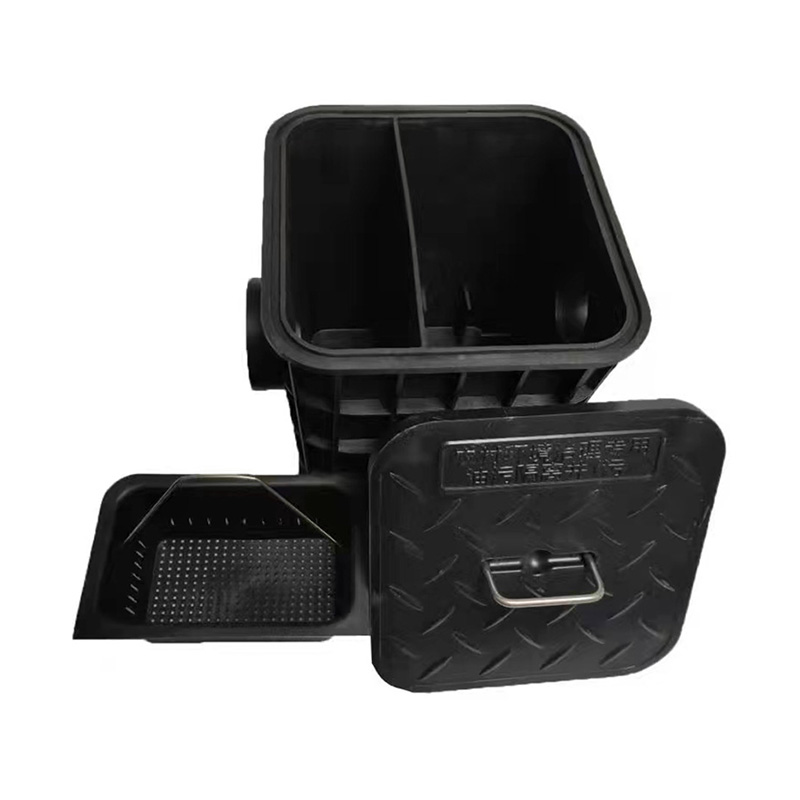
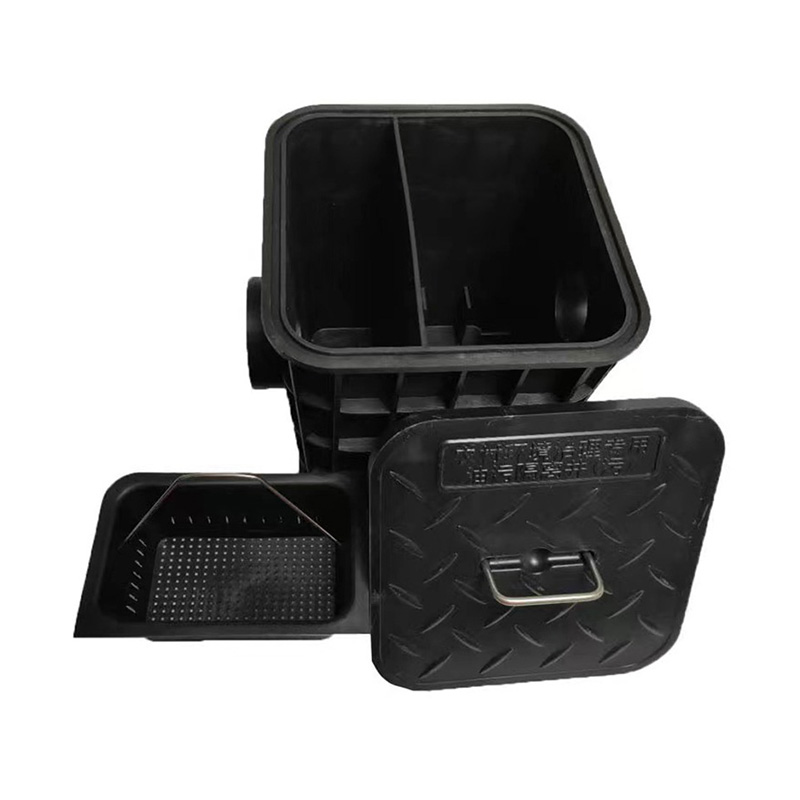
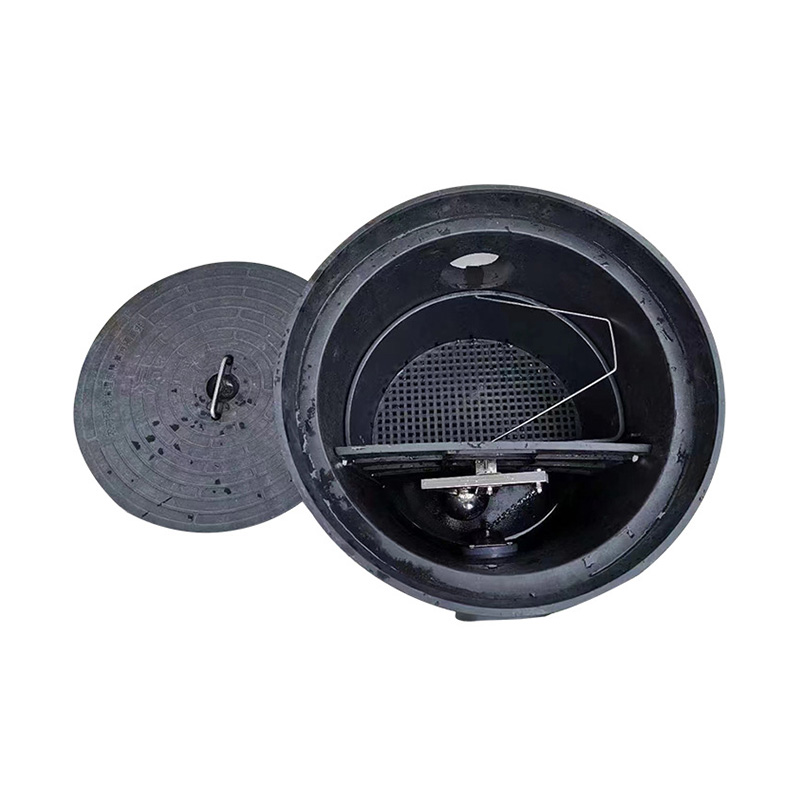
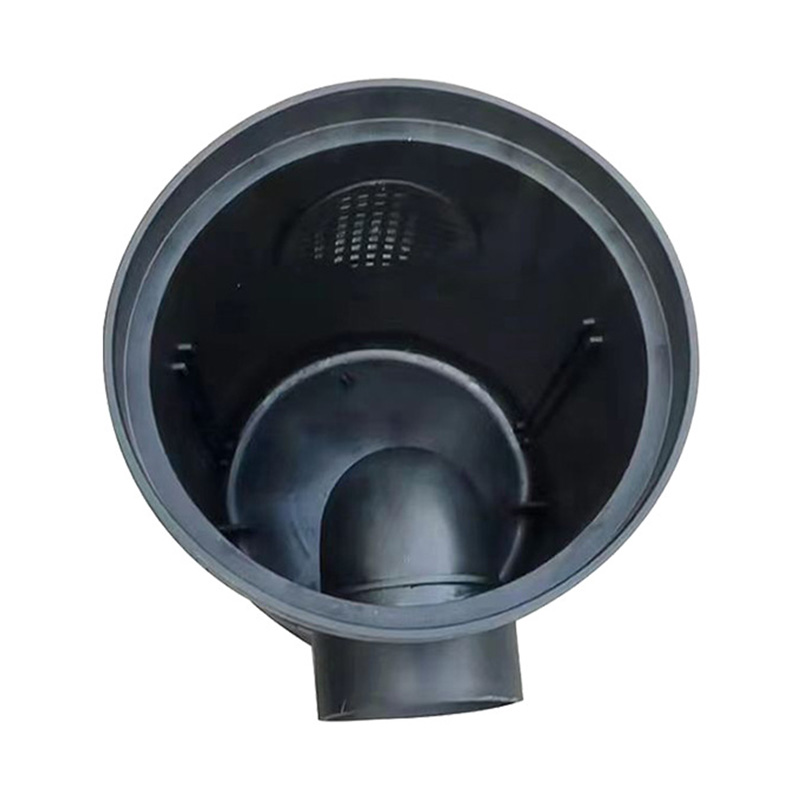
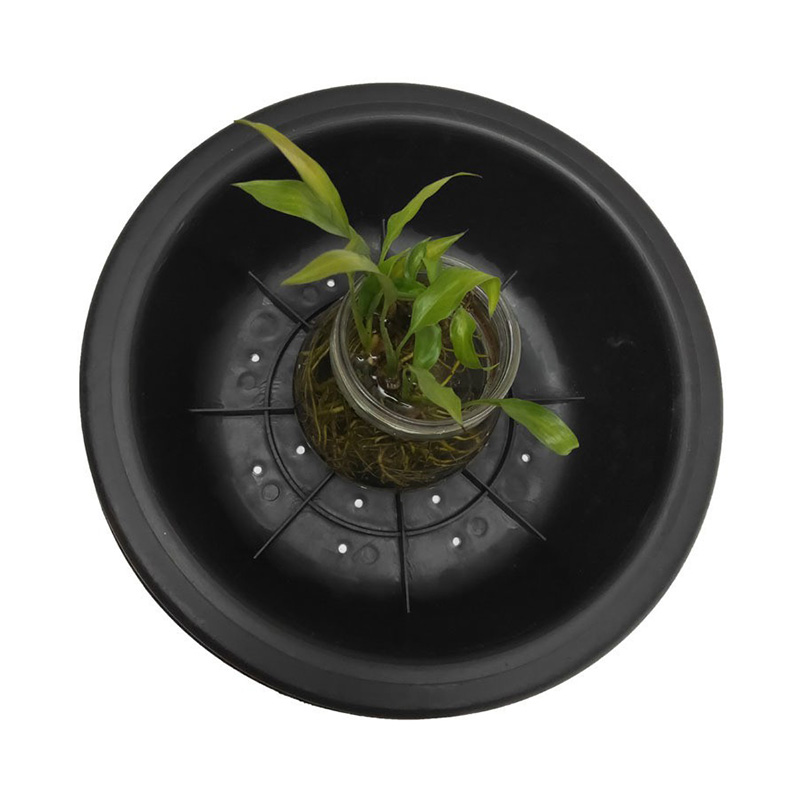
Owners and operators of kitchens, restaurants, or facilities with plumbing systems often ask a simple but crucial question: how often should a Domestic Grease Trap or a Plastic Oil Water Separator be cleaned or serviced so it keeps performing well without expensive issues later? This question comes up again and again because understanding a cleaning schedule protects plumbing, prevents backups, saves on repair costs, and helps comply with local wastewater requirements.
What Happens When You Don’t Maintain Filters
Grease traps and separators work by slowing wastewater so lighter fats, oils, and grease (FOG) float and heavier solids sink, while cleaner wastewater flows out. Over time, the FOG and solids accumulate in the unit’s upper and lower layers. When these materials exceed a certain level, the device can no longer separate effectively — water passes through with grease still suspended and problems begin: slow drains, foul odors, sewer backups, and even municipal penalties.
Common industry guidance uses a “25% or one–quarter rule”: when the combined volume of grease and solids in the trap reaches about one-quarter of the total capacity, it’s time for a cleaning. When ignored, this level reduces retention time and allows grease to bypass the trap and enter sewer lines.
Why Regular Cleaning Matters
There are several very practical reasons to not wait too long between cleanings for either a Plastic Oil Water Separator or Domestic Grease Trap:
Maintains effective separation: Excess buildup reduces the trap’s ability to slow wastewater and let grease rise, which means more grease escapes downstream.
Prevents odors and health issues: Decomposing food solids and trapped grease emit unpleasant smells that can disrupt your kitchen environment.
Prevents slow drains and backups: When a trap is full, wastewater can back up into sinks or floor drains, affecting kitchen operations and hygiene.
Avoids fines or compliance failure: Many municipalities require regular pumping and documentation of grease trap servicing. Missed cleanings can contribute to inspections, fines, or forced emergency pumping.
Local codes sometimes require official waste transfer notes that show when and how the grease trap was cleaned — skipping service may cause legal consequences.
Typical Grease Trap Cleaning Frequency
There’s no single universally correct interval because conditions vary widely between establishments, but here are general guidelines based on real user experiences and industry practice:
Small kitchens / low usage: Monthly or bi-monthly inspections and possible cleaning.
Medium service volume: Often every 4–8 weeks.
High volume (restaurants during peak seasons): Many professionals recommend checking and often cleaning every 1–3 months.
Warning signs: Odors, slow drains, visible grease around sinks or trap access points, or gurgling sounds — these suggest the trap needs attention sooner.
One restaurant owner’s shared experience underscores this: scheduling based primarily on regulatory check-ups isn’t always enough — proactive frequent service helps prevent costly issues during busy periods.
Common Scheduling Mistakes to Avoid
Many operators make assumption-based maintenance plans such as “every six months” or “when it looks full.” These approaches often fail because:
Trap performance can decline long before it looks filled to the eye.
Seasonal or peak shifts (special events, holidays) greatly increase FOG load, requiring more frequent service.
Using hot water or chemical cleaners mistakenly is not a substitute for pumping — they can emulsify grease and make separation worse.
Practical Tips for Scheduling Maintenance
Here are actionable suggestions that many successful operators use:
1. Measure, Don’t Guess
Record how much grease and solids accumulate each week. When a trap reaches about 25% of its capacity, plan the next cleaning.
2. Train Kitchen Staff
Simple habits like scraping plates, using strainers, and collecting large grease volumes before they reach drains can reduce how often cleaning is needed.
3. Use Log Sheets or Digital Tracking
Document each service — date, measured accumulation, and next scheduled service — to ensure consistent maintenance and documentation for local authorities.
4. Work with a Service Partner When Needed
For larger installations or busy operations, professional servicing helps ensure traps and separators perform reliably.
At Taizhou Weicai Plastic Industry Co., Ltd., we often remind customers that regular cleaning and careful scheduling are just as important as choosing a quality Domestic Grease Trap or Plastic Oil Water Separator — good practices extend equipment life and reduce hidden costs. Consistent care leads to smoother operations, fewer plumbing emergencies, and a cleaner, healthier facility.



 русский
 Español
 عربى
عربى