


 русский
 Español
 عربى
عربىResin Composite PE Mesh Plastic Drain Cover
Cat: Drain Channel Cover
The Resin Composite PE Grid Plastic Drainage Ditch Cover offers a durable and efficient way of covering drainage ditches in various environments.
See DetailsUnderstanding the difference between a Plastic Oil Water Separator and a Domestic Grease Trap is a question many facility managers, plumbers, and business owners frequently encounter. Although both types of equipment are designed to separate undesired substances from wastewater before it’s discharged to sewer or storm drains, they serve different purposes and operate under distinct conditions. Knowing these differences can reduce environmental issues, help with compliance, and improve wastewater management decisions.
A grease trap is a plumbing device installed in commercial kitchen drainage systems to intercept fats, oils, and grease (FOG) before wastewater enters the public sewer. It slows down water flow long enough for grease to rise and solids to settle, resulting in cleaner water exiting into the sewer system.
An oil water separator, meanwhile, is generally used to remove free oil and similar pollutants — including some heavier hydrocarbons — from water runoff or wastewater in industrial and facility settings. These separators allow oil to rise by gravity or other mechanisms, such as coalescing plates, while water drains out cleaner.
Though both rely on density differences between contaminants and water, their typical applications and discharge contexts are not the same.
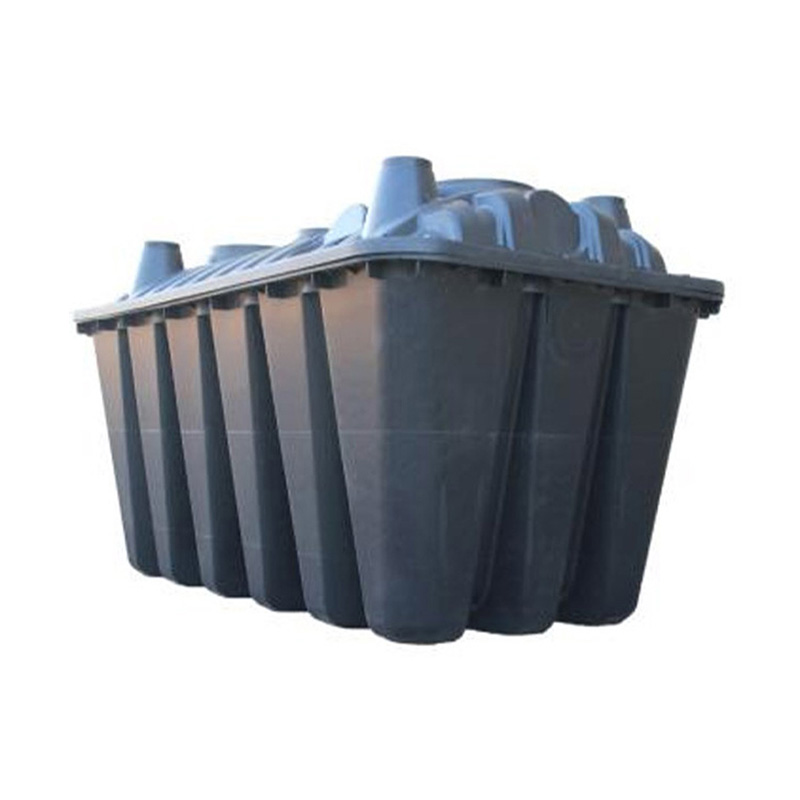
Domestic grease traps are more commonly installed where food preparation wastewater is generated — restaurants, cafeterias, or kitchens — because cooking oils and fats are the main contaminants in those waste streams.
Plastic Oil Water Separator units can be found in broader settings: workshops, vehicle wash bays, industrial facilities, and even stormwater runoff treatment. These separators handle water contaminated with mineral oils, lubricants, fuels, and similar substances.
The diversity of applications often leads to confusion among operators about which device is appropriate for their site.
Domestic grease traps are engineered with internal baffles that slow wastewater long enough for FOG and solids to separate effectively. The overall design focuses on smaller volumes and wastewater from kitchen fixtures.
Plastic Oil Water Separators may use gravity plates, coalescing plates, or other advanced internal structures to improve separation efficiency — especially with emulsified or finer oil droplets. These units are typically larger and built to handle higher volumes or different contaminant properties than kitchen grease traps.
A grease trap discharges grease-reduced wastewater to a sanitary sewer system that will further treat the water. This makes grease traps central to food service compliance and plumbing system protection.
Oil water separators are often connected to stormwater drains or pre-treatment systems, particularly where oil leaks, spills, or vehicle runoff are major concerns. Because stormwater infrastructure and regulatory requirements differ from sanitary sewers, what’s appropriate in one context won’t necessarily work in the other.
Domestic grease traps require frequent maintenance — typically cleaning every few weeks or months depending on usage — to prevent accumulated FOG from reducing efficiency or causing odors.
Oil water separators, due to larger capacities and different operating environments, generally require maintenance on a different schedule. Monitoring water quality and collected oil levels is key to ensuring continued separation performance.
This distinction is especially important for facility managers balancing operational cost with environmental compliance.
Facility managers often ask whether one system can replace the other. In reality, the choice between a grease trap and an oil water separator boils down to wastewater characteristics and legal discharge requirements:
Grease traps are better suited for kitchens and food service-derived wastewater loaded with cooking fats and grease.
Oil water separators excel where petroleum-based oils, industrial lubricants, or stormwater pollutants must be managed before release.
At Taizhou Weicai Plastic Industry Co., Ltd., our team supports clients in selecting the right wastewater separation solutions by assessing site needs, expected flow rates, and regulatory goals. Whether it’s optimizing equipment design for a Plastic Oil Water Separator or recommending maintenance plans for a Domestic Grease Trap, understanding how each system functions dramatically improves performance and sustainability.
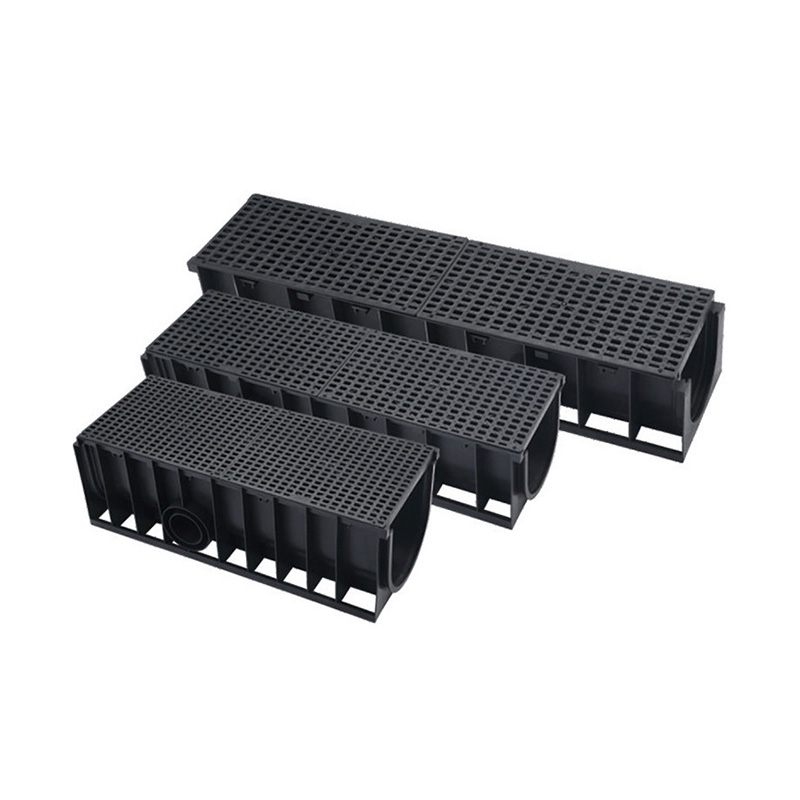
The Resin Composite PE Grid Plastic Drainage Ditch Cover offers a durable and efficient way of covering drainage ditches in various environments.
See Details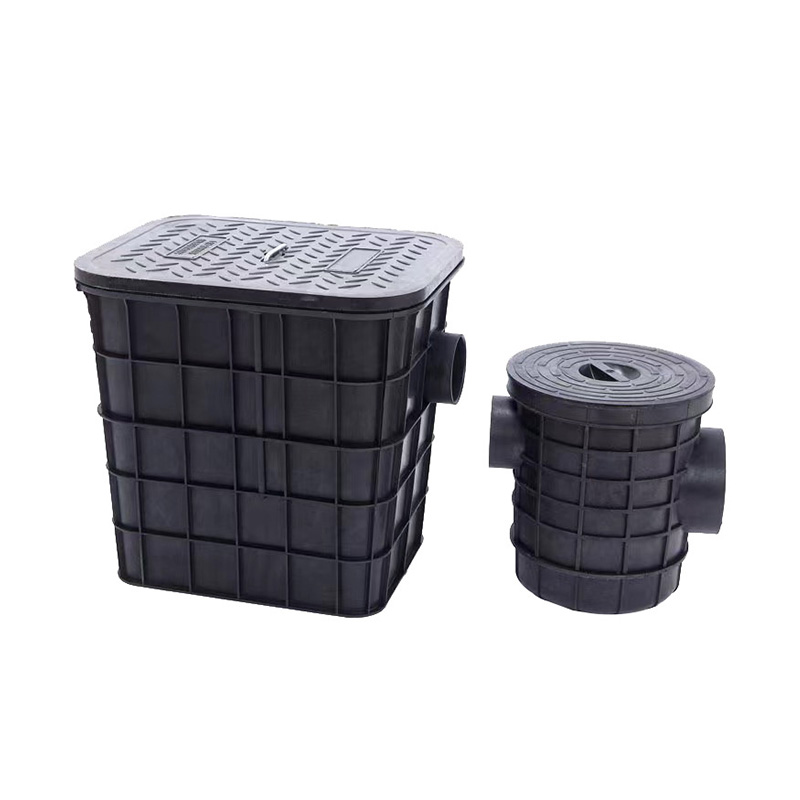
The HDPE Buried Triple-Compartment Plastic Oil-Water Separation Well is a robust and efficient design for the separation and containment of oil a...
See Details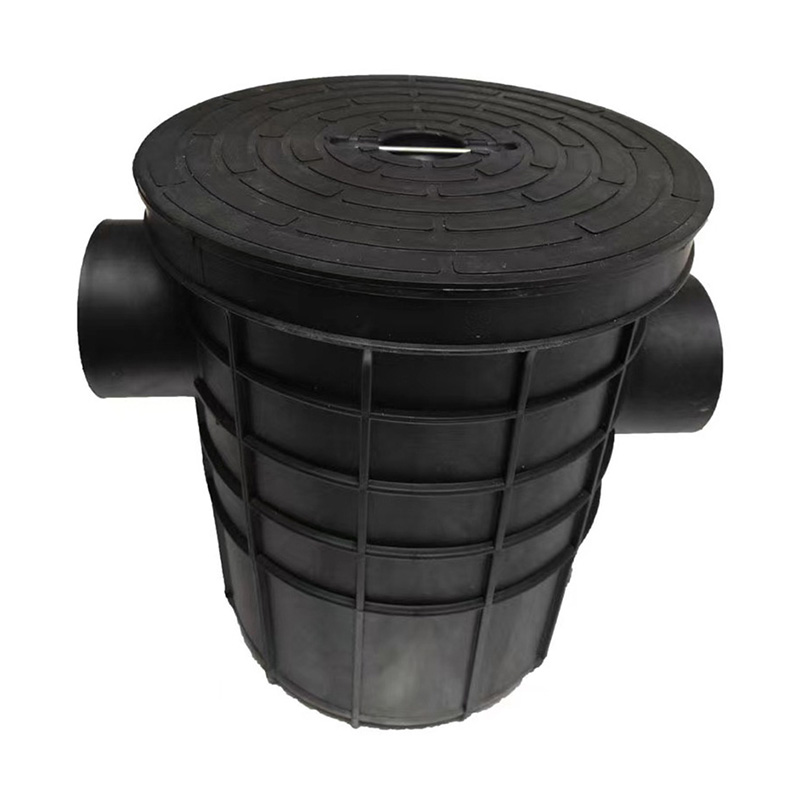
Buried pollution isolation tanks are essential components of modern wastewater management systems, designed to effectively separate and contain p...
See Details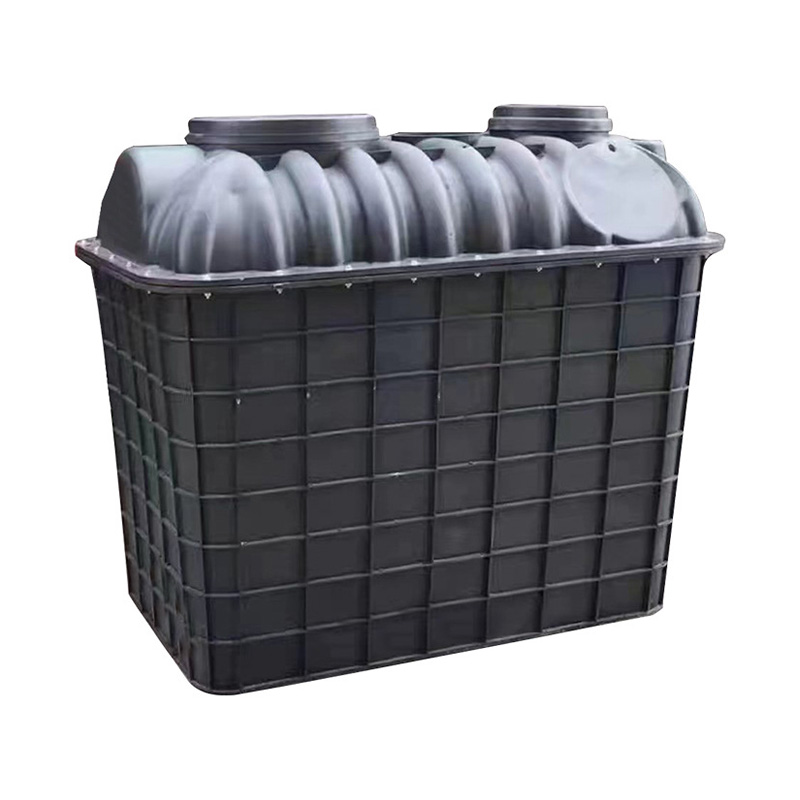
The balcony roof rainwater and sewage separator is a crucial component in urban water management systems, designed to effectively separate rainwa...
See Details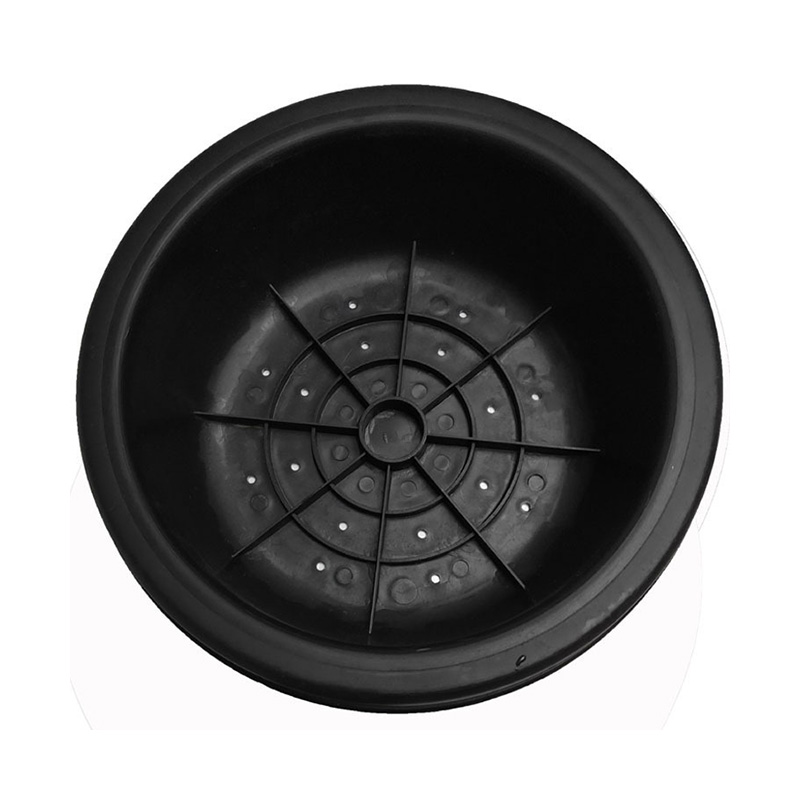
The composite resin recessed lawn decoration well cover represents an innovative solution designed to provide structural support while discreetly...
See Details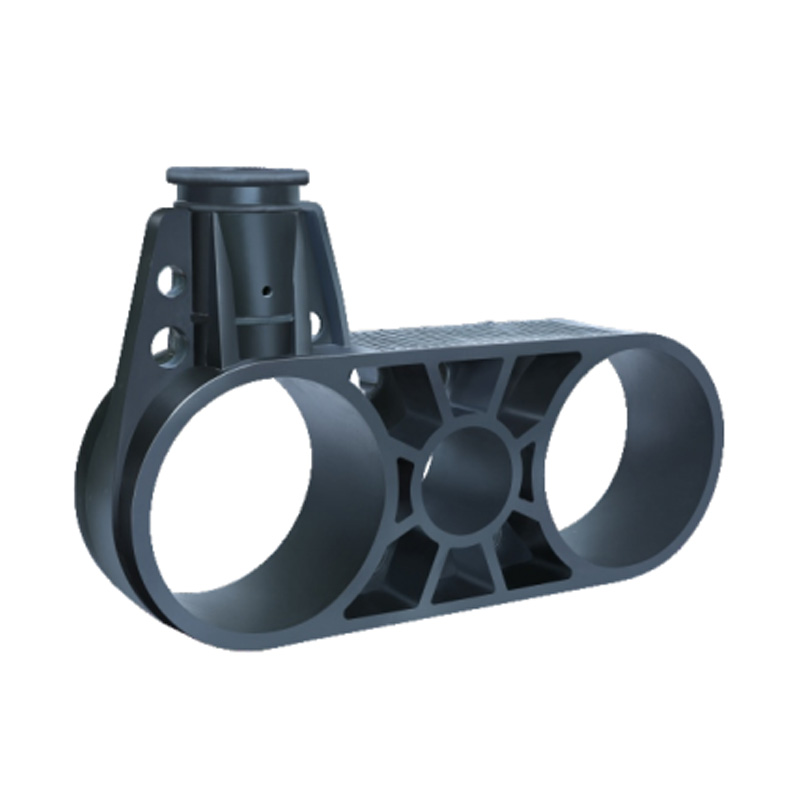
The Simple Round Breeding Cage features a durable and lightweight construction, making it suitable for both indoor and outdoor use. Its round sha...
See DetailsIt would be great to hear from you!

The company independently develops HDPE drainage ditches, cage supports, and reinforced three-format plastic septic tank products, etc.


Phone: +86-13357651618
Tel: +86-0576-82929520
Email: [email protected]
Address: Heyu Industrial Zone, Yuanqiao Town, Huangyan District, Taizhou City, Zhejiang Province, China
Copyright © 2024 Taizhou Weicai Plastic Industry Co., Ltd. All Rights Reserved.

Plastic Drainage System Manufacturer