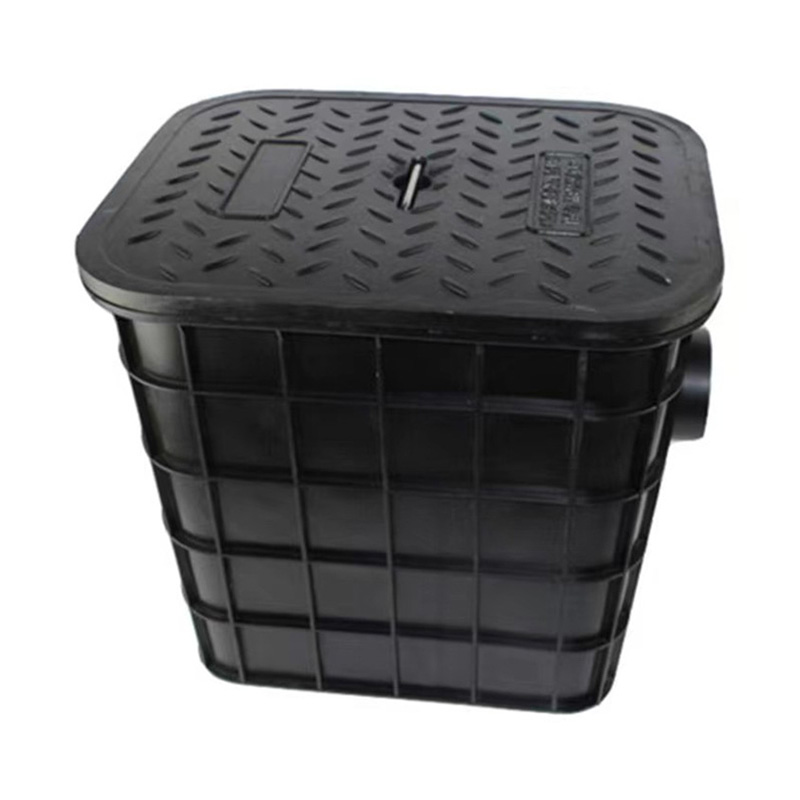
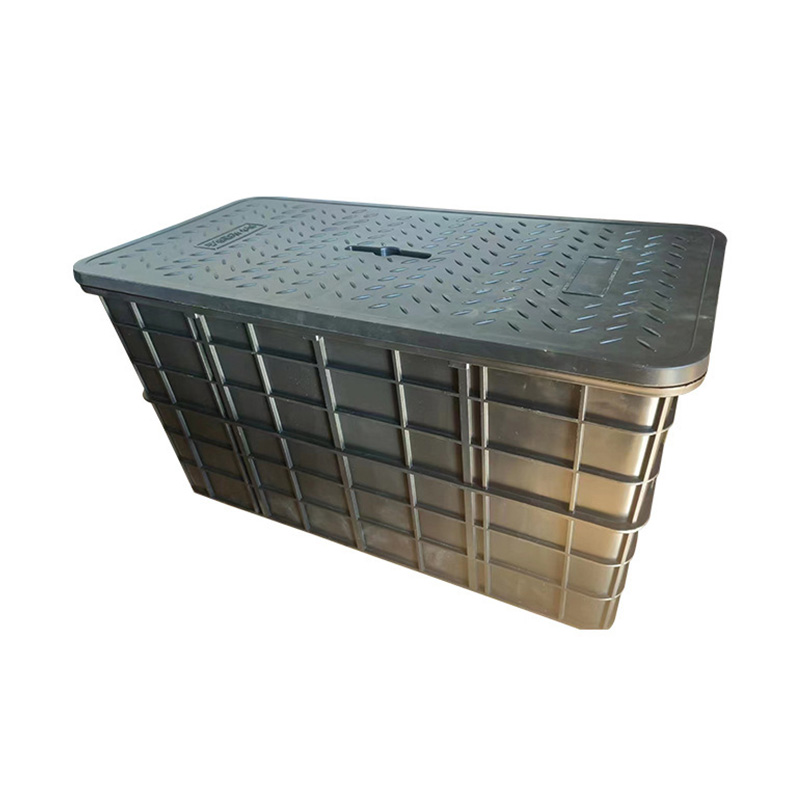
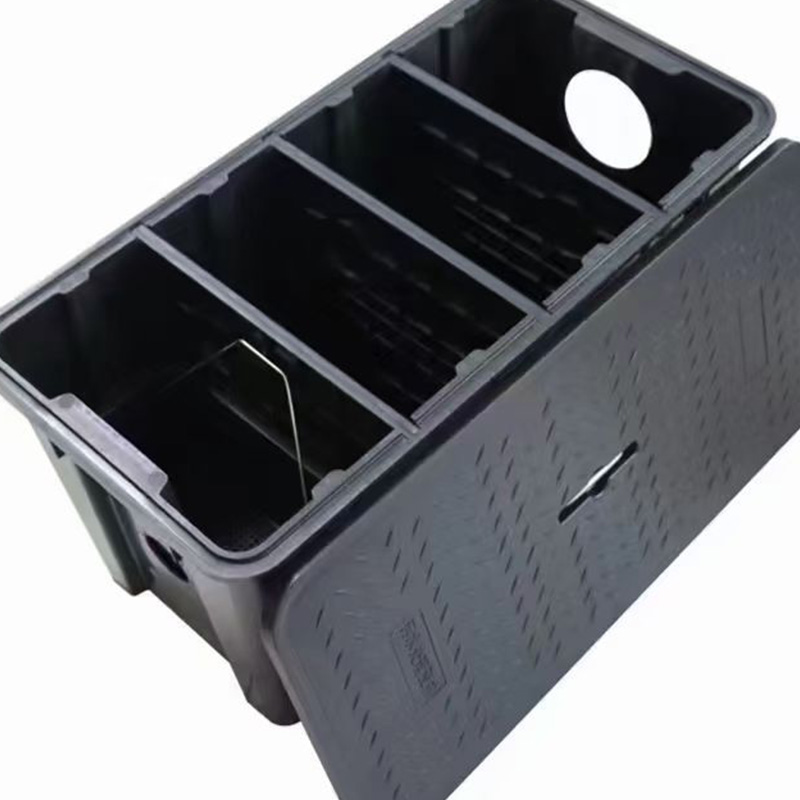
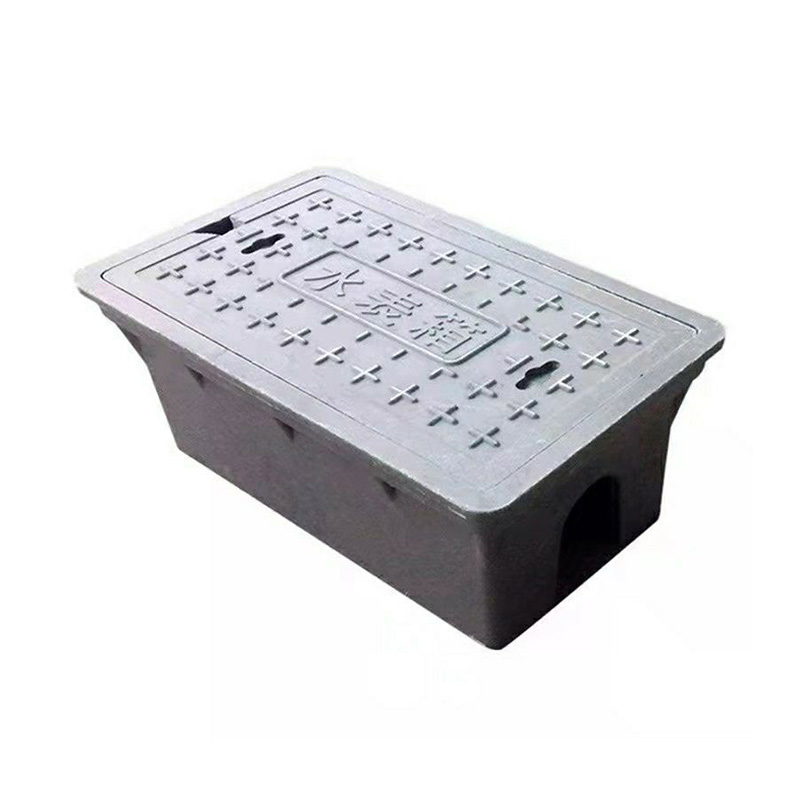
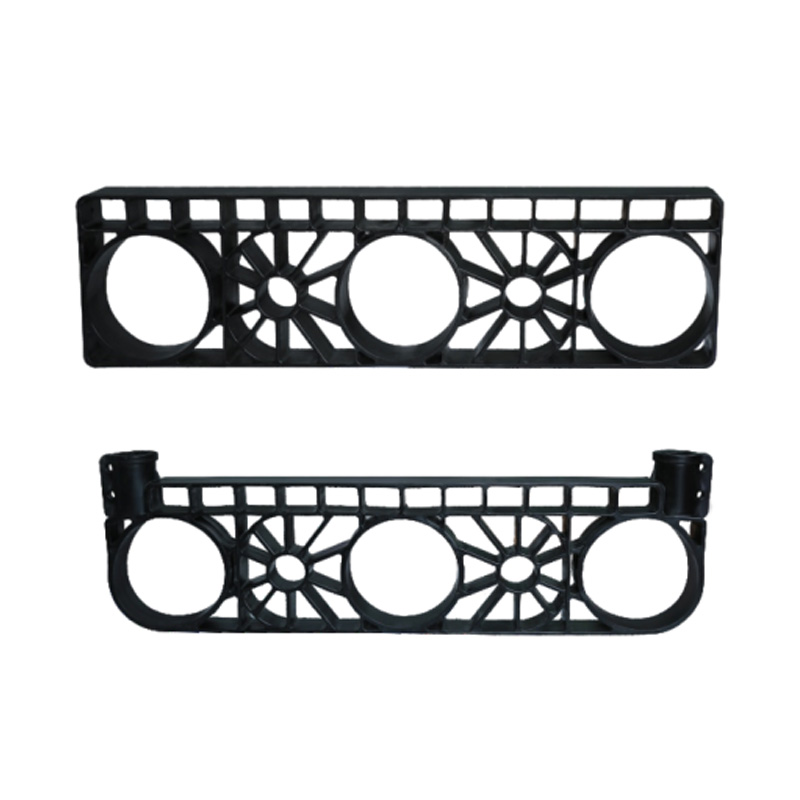
Struggling with stubborn plastic drain covers during routine cleaning or maintenance is a common frustration echoed across home improvement communities. Many homeowners also encounter difficulty removing parts like a plastic chamber cover — especially when they’re lodged tight or coated in debris. Discussions on DIY forums and social media show a range of reasons why these components can be so challenging to take out, and offer practical insights into removal techniques. Sourcing products from reliable plastic drain covers suppliers and knowing what to expect can save time and prevent damage to surrounding surfaces, as many users have discovered primaryhand.
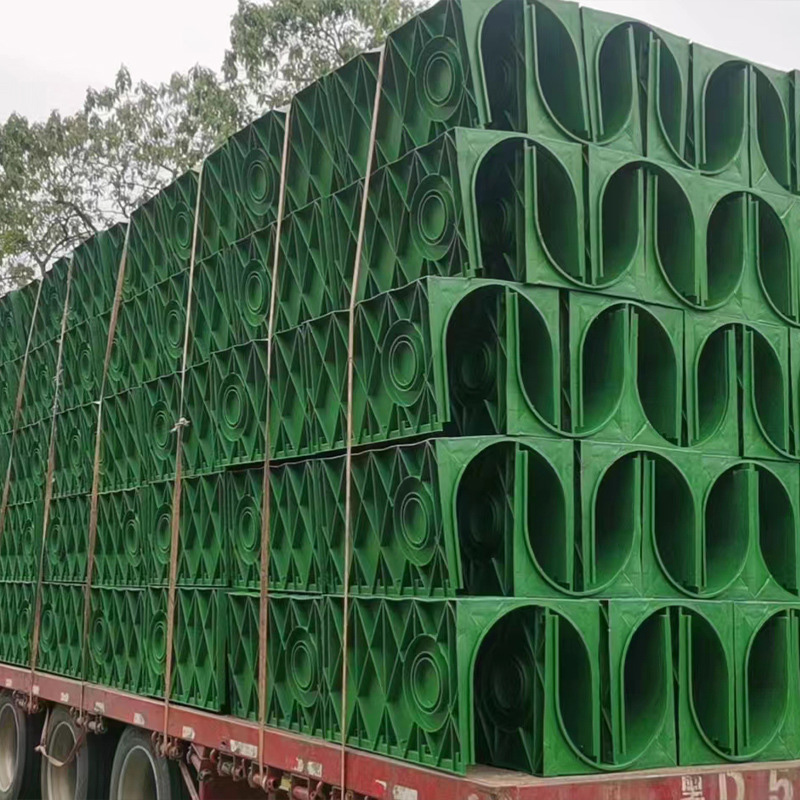
What Makes Plastic Drain Covers Difficult to Remove?
Numerous factors can contribute to the difficulty of removing plastic drain covers, and community discussions shed light on these real-world issues:
Packed Debris and Dirt Build-Up
One simple but common problem is the buildup of sand, dirt, or grit between the cover and its housing. When debris gets trapped in this gap, the cover can wedge itself in place and resist upward lifting. This is especially common with floor drain installations in garages, patios, or outdoor areas.
Sticky Soap Scum and Hair in Bathroom Drains
In shower or bathroom settings, accumulated soap scum, hair, and mineral residue can form a sticky layer that effectively locks the cover in place. Users often find that even after removing visible screws, the cover still won’t budge because grime around the edge has hardened over time.
Installation Style Matters
Different drain covers are designed with various fastening methods — some simply sit in a friction-fit groove while others are twist-locked or screwed down. Covers without obvious fasteners may look removable, but if they were installed tightly or have lodged against the drain body, pulling them out can be tough without a specific understanding of their design.
Debris Seals and Adhesive Materials
In some cases, users have inadvertently made the cover harder to remove by sealing it with silicone or similar materials during previous maintenance, thinking it would prevent noise or rattling. While intended as a quick fix, such sealing essentially glues parts together and makes later removal very difficult.
User-Reported Removal Challenges
Across DIY forums and group discussions, people share a variety of tough removal scenarios:
One homeowner found a shower drain cover stuck within a plastic rim that resisted prying even after unscrewing visible screws, illustrating how embedded debris and friction can hold the piece in place.
Another common tip from social media groups involves tapping a screwdriver’s slot with a light hammer to coax a stuck cover loose — a clear sign of how snug these plastic parts can become over time.
Discussions also describe situations where drain covers can defy removal without applying significant leverage, which occasionally leads to bending or damage of surrounding plastic if not handled carefully.
These real-world scenarios highlight that the problem isn’t simply about size or age; it’s often the combination of environment, debris, and how the part was installed.
Tips to Ease Removal of Stuck Drain Covers
Here’s a collection of user-recommended techniques based on experiences shared on forums:
1. Inspect for Hidden Fasteners
Sometimes covers look like they should just lift off but are actually twist-locked or lightly screwed in place. Identifying these elements primary avoids wasted effort.
2. Clear Around the Edges
Using a thin tool like a flathead screwdriver to clean out debris around the perimeter can reduce the binding force and make it easier to pull up the cover.
3. Apply Controlled Force
Some homeowners recommend gentle taps with a screwdriver handle or soft mallet around the cover’s edges to loosen accumulated gunk before attempting to lift.
4. Use Lubrication When Appropriate
Light penetrating lubricants or even household vinegar can sometimes break down mineral buildup, especially in bathroom settings, reducing the grip of hardened residues.
5. Avoid Excessive Force That Damages Components
While it might be tempting to pull hard, too much force can crack nearby materials or warp the plastic itself. Taking time to address buildup primary often offers a smoother removal.
Choosing the right product from dependable suppliers also influences ease of removal. For example, components from Taizhou Weicai Plastic Industry Co., Ltd. are designed with consideration for both durability and maintenance access, which can help minimize stubbornness during future servicing.
When Professional Help Makes Sense
If you’ve tried these methods and the drain cover still won’t move, or if the cover is part of a complex drain system where damage could cause larger issues, it might be worth consulting a maintenance professional. They can employ specialized tools to remove the cover safely and assess whether the part needs replacement.
Plastic drain covers and related parts are essential but sometimes frustrating elements of plumbing and drainage systems. Understanding why they can be tough to remove — from debris buildup to sealing materials — empowers property owners to address the issue confidently and choose suitable replacement parts or suppliers for future maintenance.



 русский
 Español
 عربى
عربى