


 русский
 Español
 عربى
عربىKitchen Drain Sink PE Composite Plastic Drain Cover
Cat: Drain Channel Cover
The PE Composite Plastic Drainage Trench Cover for Kitchen Floor Trench is crafted from a composite material combining high-density polyethylene ...
See DetailsGrease management systems such as a Plastic Oil Water Separator and a Domestic Grease Trap are essential components of wastewater pretreatment in kitchens, restaurants, food processing plants, and many commercial facilities. These devices are designed to separate fats, oils, grease (FOG), and solids from wastewater before it enters the sewer. However, when a grease trap overflows with sewage or wastewater backing up, the problem is more complex than simply excess grease — and can contribute to costly repairs, unsanitary conditions, and operational downtime.
One of the surprising reasons a grease trap overflows with raw sewage (rather than just grease and wastewater) is an issue downstream in the sewer system. When a blockage exists further along the sewer line, wastewater and sewage from toilets or other fixtures can be forced backwards into the grease trap’s outlet line. A grease trap is only meant to handle kitchen wastewater and fats; it is not designed to intercept full sewage flows.
In your plumbing layout, if the trap is connected incorrectly or becomes the lower open point upstream of a blockage, sewage can back up into it. This situation is often diagnosed with smoke tests, dye tests, and camera inspections by plumbing professionals.
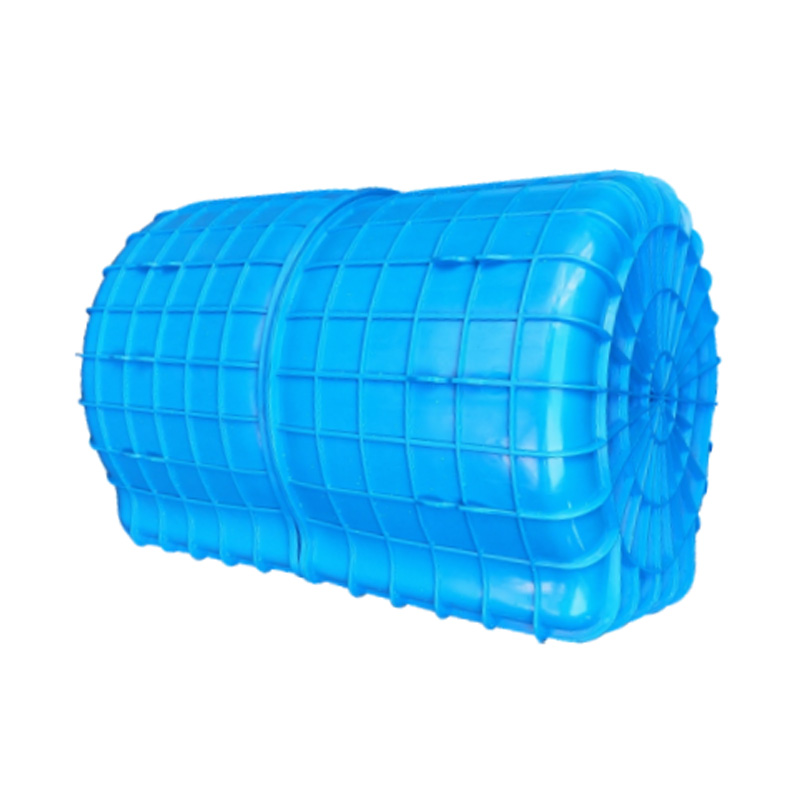
Grease traps and oil water separators operate by slowing wastewater flow so grease floats to the surface and solids settle. However, in busy kitchen environments, high volumes of FOG and food solids can enter the system. When these accumulate beyond the trap’s capacity — especially if routine cleaning is absent — grease can solidify and clog not just the trap chamber but also connecting pipes.
This clogging can restrict proper drainage. When the outlet flow is reduced or blocked, wastewater has nowhere to go, causing backups and potential overflow.
Choosing the correct size of a Domestic Grease Trap or Plastic Oil Water Separator is not just about the kitchen size; it’s about peak flow rates and usage patterns. If a trap’s capacity is too small for the volume of wastewater and grease produced, it will reach saturation much sooner than expected — sometimes during peak service periods — and allow water (and even solids) to surge back into sinks.
Incorrect installation — such as improper baffle positioning or incorrect inlet/outlet connections — also reduces separation effectiveness, allowing grease-laden water to pass through the trap without adequate treatment.
Consistent maintenance and cleaning remain the more common preventive measures against grease trap overflow. Grease traps accumulate FOG and settled solids over time. When service intervals are skipped or neglected, these materials fill the trap chamber, leaving insufficient free volume for proper separation.
Industry ideal practice often uses the “25% rule”: when fats, oils, and grease occupy 25% or more of the trap’s liquid depth, it’s time for cleaning. Without routine pumping or cleaning, the trap’s performance degrades quickly, increasing the likelihood of overflow.
Daily kitchen operations greatly influence how quickly grease accumulates in a trap. Practices such as rinsing hot grease down drains, using garbage disposals without upstream strainers, or allowing food solids to enter the wastewater stream increase trap load rapidly. Hot water may liquefy fats long enough to push them further down, but once they cool they solidify in pipes or the trap itself, narrowing passages and reducing flow capacity.
Training kitchen staff in grease reduction techniques — such as scraping plates, using sink strainers, and disposing of fryer oil responsibly — reduces the pressure on any Plastic Oil Water Separator or Domestic Grease Trap.
Grease trap overflow with sewage signals more than just excess grease — it often points to system design, operation, or maintenance issues. Protecting your premises, plumbing, and compliance status requires:
At Taizhou Weicai Plastic Industry Co., Ltd., we recognize the complexities faced by businesses managing wastewater with plastic separators or grease traps. Choosing quality equipment and implementing proper maintenance protocols are key to avoiding backups, foul odors, and sewer overflows that impact operations.
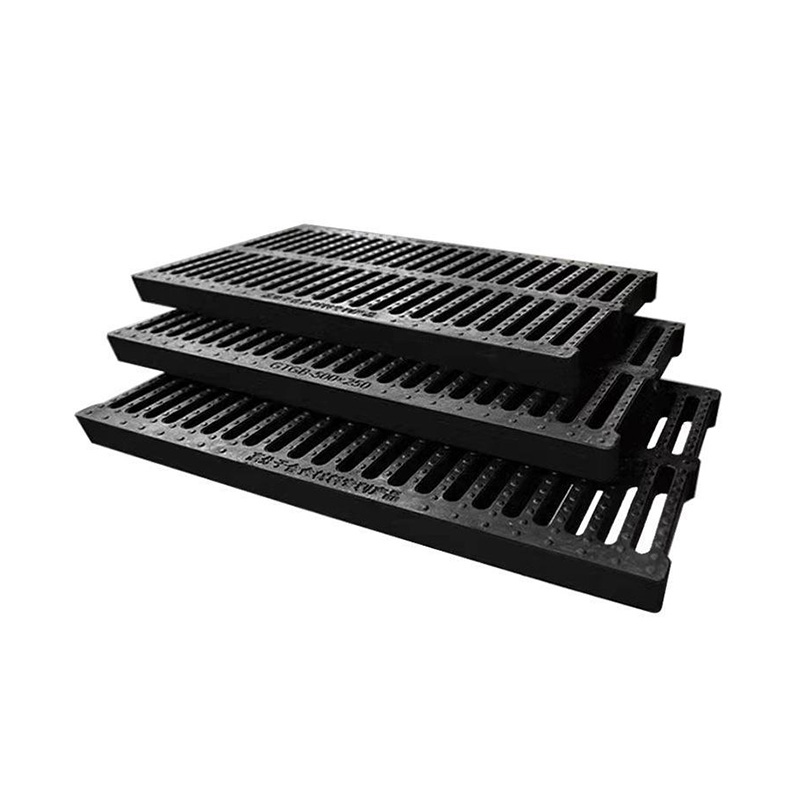
The PE Composite Plastic Drainage Trench Cover for Kitchen Floor Trench is crafted from a composite material combining high-density polyethylene ...
See Details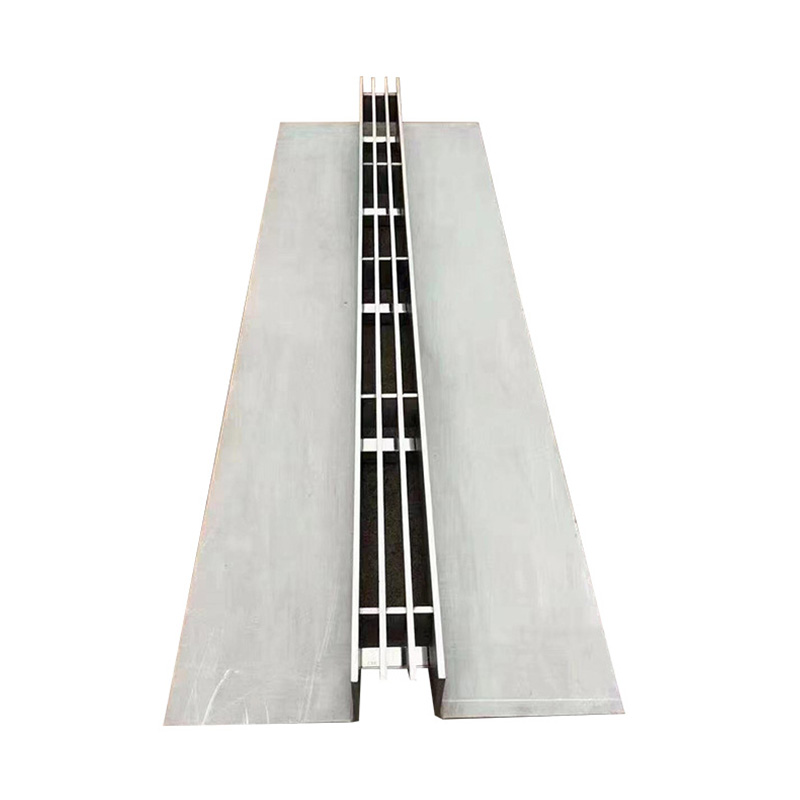
The Grate Stainless Steel Invisible Gutter Cover is a high-quality drainage system component. It is made of high-quality stainless steel material...
See Details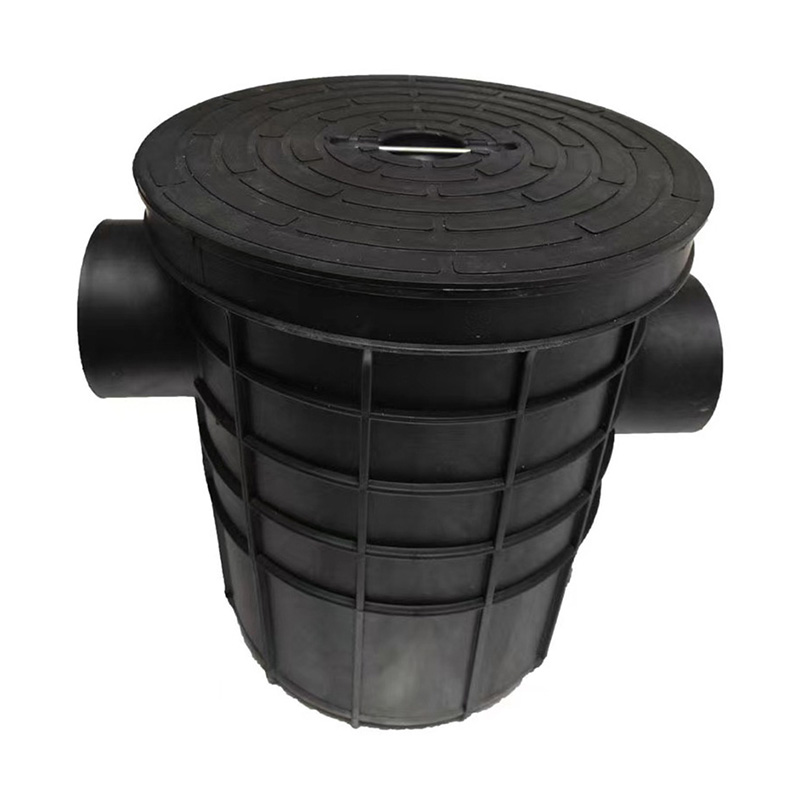
Buried pollution isolation tanks are essential components of modern wastewater management systems, designed to effectively separate and contain p...
See Details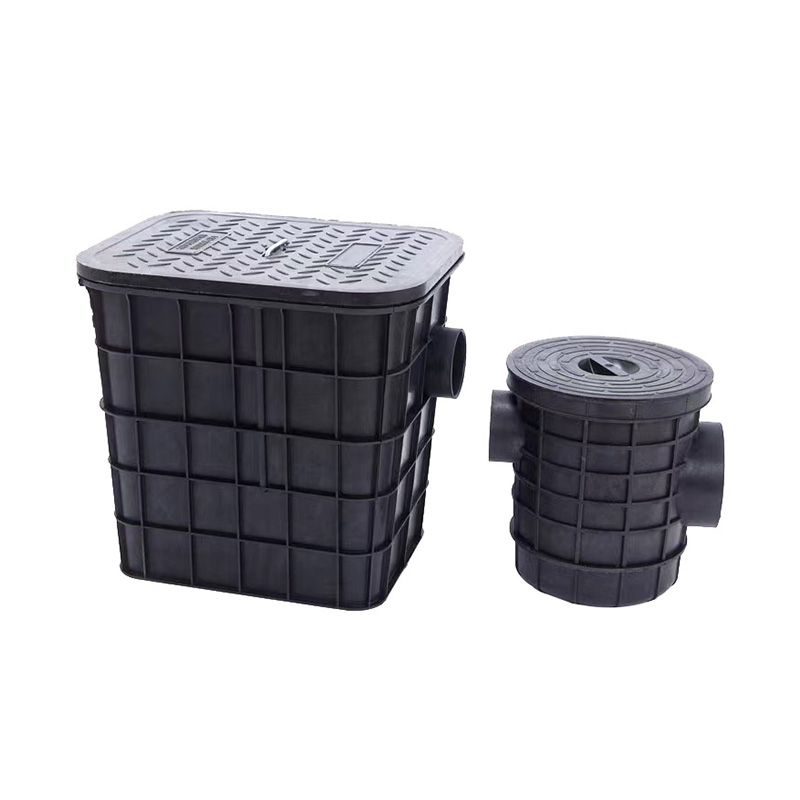
HDPE (High-Density Polyethylene) buried triple compartment plastic wastewater grease traps offer a modern and effective to intercept, separate, a...
See Details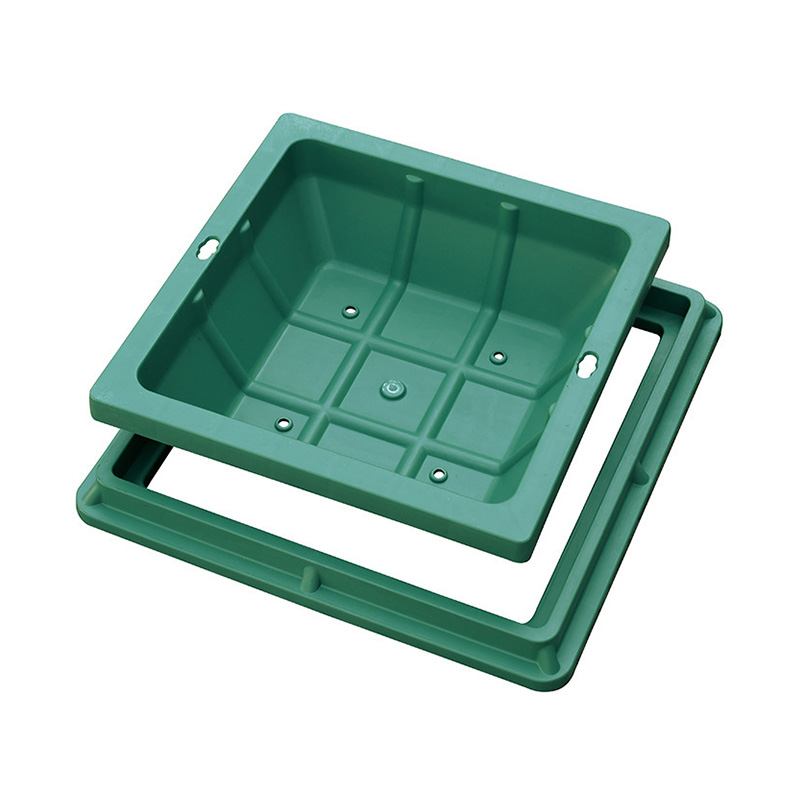
PE greening recessed manhole covers with circular and square rings represent innovative solutions designed to blend seamlessly with green spaces ...
See Details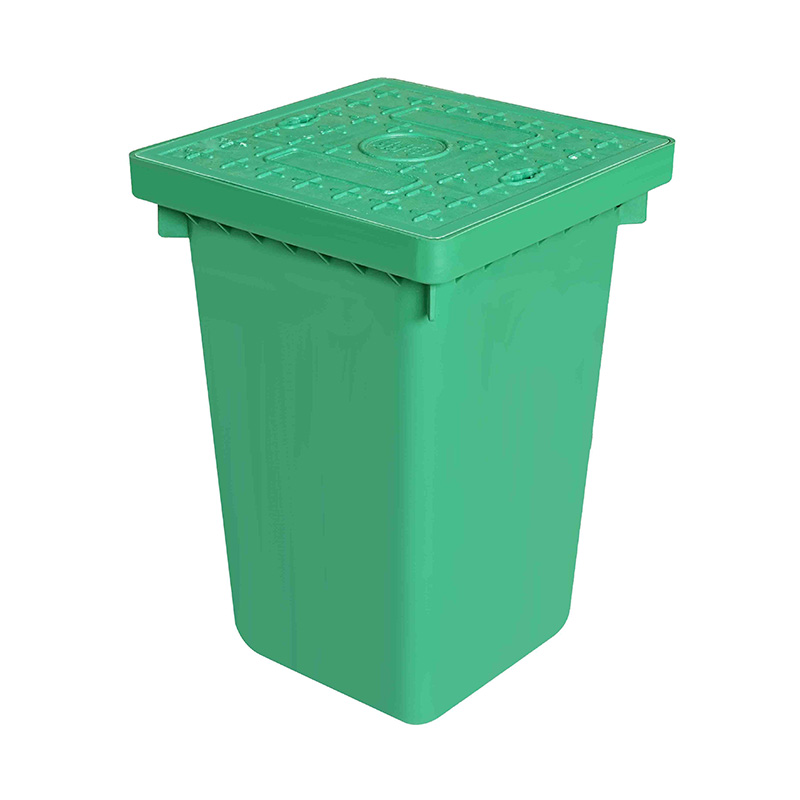
Integrated threading-free cable chamber box well is a commonly used equipment in the process of laying weak current lines. Its design structure m...
See DetailsIt would be great to hear from you!

The company independently develops HDPE drainage ditches, cage supports, and reinforced three-format plastic septic tank products, etc.


Phone: +86-13357651618
Tel: +86-0576-82929520
Email: [email protected]
Address: Heyu Industrial Zone, Yuanqiao Town, Huangyan District, Taizhou City, Zhejiang Province, China
Copyright © 2024 Taizhou Weicai Plastic Industry Co., Ltd. All Rights Reserved.

Plastic Drainage System Manufacturer