


 русский
 Español
 عربى
عربىHDPE Linear Plastic U-Shaped Round Forest Sewer Drain Ditch
Cat: Plastic Drain Channel
The HDPE linear plastic U-shaped circular forest sewer drainage ditch represents a significant advancement in drainage infrastructure, specifical...
See DetailsEffective wastewater pretreatment requires reliable equipment like a Plastic Oil Water Separator or a Domestic Grease Trap to intercept fats, oils, and grease (FOG) before wastewater goes into municipal sewer systems. Users often ask why, despite having such devices installed, grease still appears downstream of the unit and clogs pipes or leads to compliance issues.
At the heart of grease separation is a simple physical principle: grease is lighter than water, so when wastewater flow slows inside a trap or separator, grease should float to the surface while water continues out. However, this mechanism works only when conditions allow sufficient separation time.
Common factors that contribute to grease passing through include:
Fast Flow Rates: When water enters too quickly or at high volume, there isn’t enough time for grease to rise to the surface. The principle of gravity simply can’t work if retention time is too short.
System “Short-Circuiting”: Internal baffles in a trap create calm zones where separation happens. If these baffles are damaged, missing, or installed incorrectly, then wastewater can flow across the trap without adequate separation, pushing grease toward the outlet.
Emulsified Grease: Certain detergents, high temperatures, or chemical cleaners can break up FOG into tiny droplets that remain suspended in water, preventing the grease from floating. When grease stays suspended, it passes right through the outlet with minimal separation.
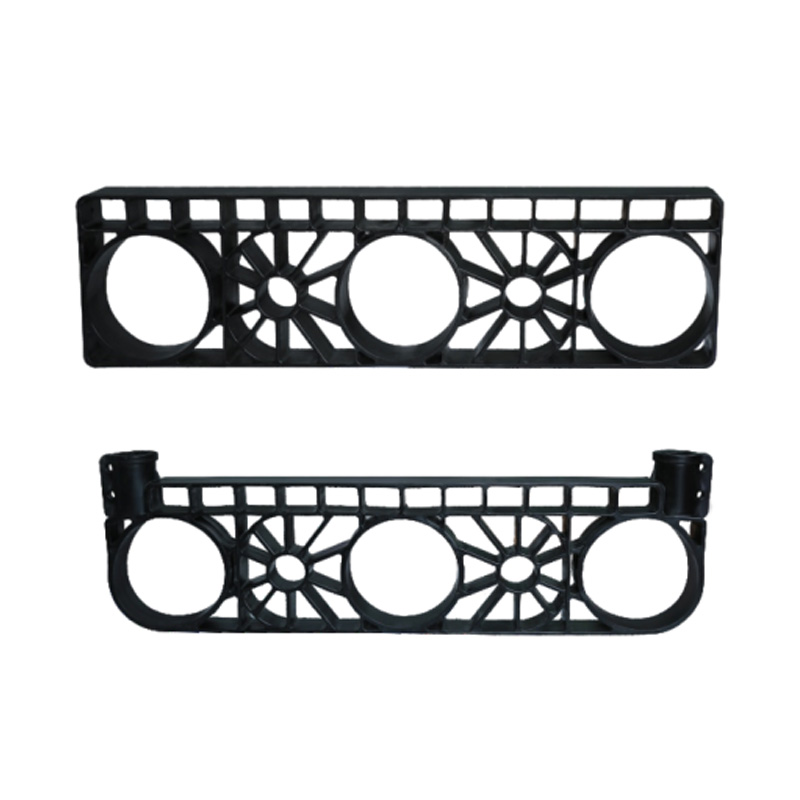
Internal Baffle Design and Functionality
Baffles create separate hydraulic zones inside the trap. These barriers slow down flow, reduce turbulence, and ensure wastewater stays in the separator long enough for FOG to rise. A properly designed system with correctly positioned baffles supports effective gravity separation.
Retention Time vs. Flow Rate
A basic rule shared by facility managers is that the longer wastewater remains in the trap, the better the separation. Many local codes stipulate shorter retention times — for example, 20–30 minutes — to achieve adequate FOG removal.
Effect of Cleaning Frequency
Even the ideal separators fill with grease and solids over time. As accumulated material reduces free volume, retention time drops, and separation efficiency declines. Regular cleaning based on measured trap fill levels (such as the “25% filled” guideline) helps maintain performance.
1. Manage Flow Control
Installing a flow control device before the grease trap can regulate how quickly wastewater enters the unit. Slowing down the inflow gives grease time to separate rather than being swept toward the outlet.
2. Avoid High-Temperature Washes
Grease tends to separate better once the wastewater cools. High-temperature wastewater pushes grease further into the trap without giving it time to rise and collect as a floating layer. While many cleaning operations use hot water, careful operational planning is essential.
3. Avoid Chemical Emulsifiers
Heavy use of strong detergents or degreasers can emulsify grease, making it harder for gravity separation to work. Emulsified grease droplets remain suspended in water and exit through the outlet without being captured.
Check baffle integrity regularly to ensure no cracks, holes, or blockage paths allow bypass flow.
Monitor “grease mat” thickness and remove FOG before it reaches critical levels.
Measure outlet water clarity: cloudy or milky effluent often indicates grease particles are not separating correctly.
Train kitchen staff about how certain washing practices and chemicals affect grease separation performance.
At Taizhou Weicai Plastic Industry Co., Ltd., our engineering support emphasizes correct internal design and recommended maintenance practices so that your separators and traps deliver reliable service and support regulatory compliance.
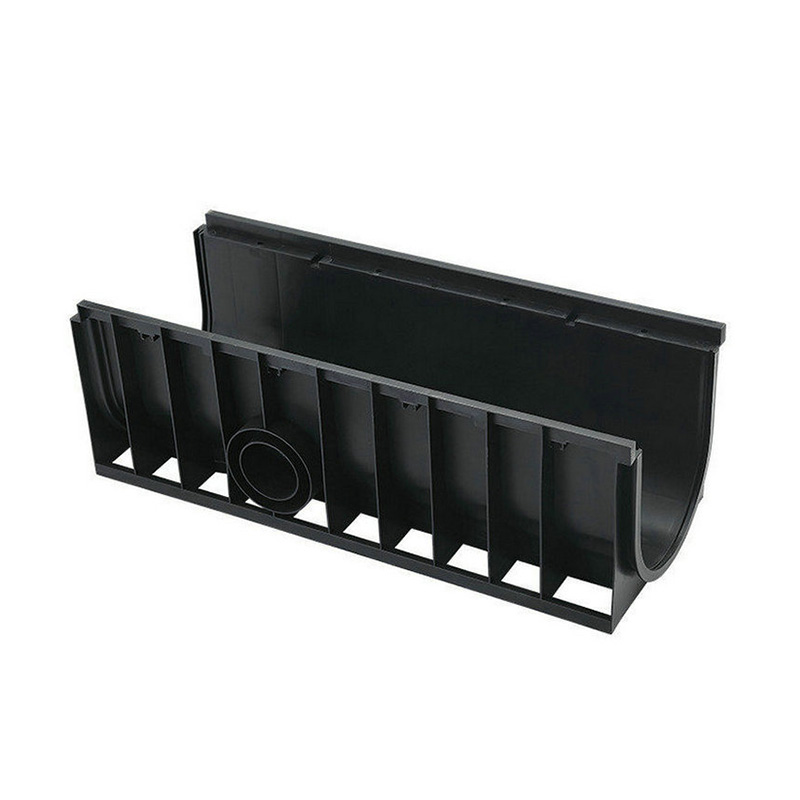
The HDPE linear plastic U-shaped circular forest sewer drainage ditch represents a significant advancement in drainage infrastructure, specifical...
See Details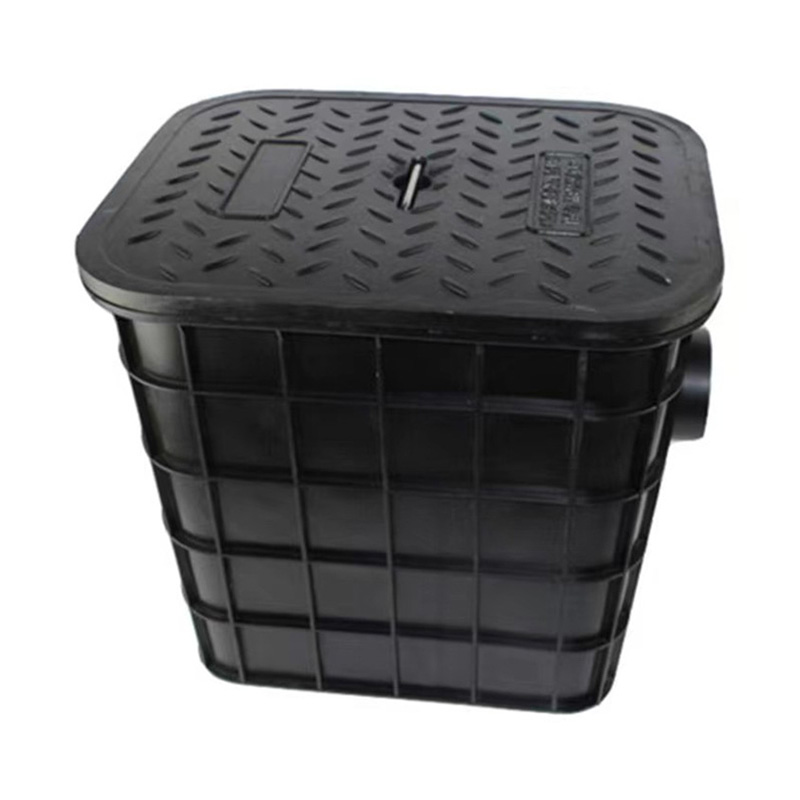
The triple compartment kitchen wastewater grease separator grease trap is designed to efficiently separate oil, grease, and solids from kitchen w...
See Details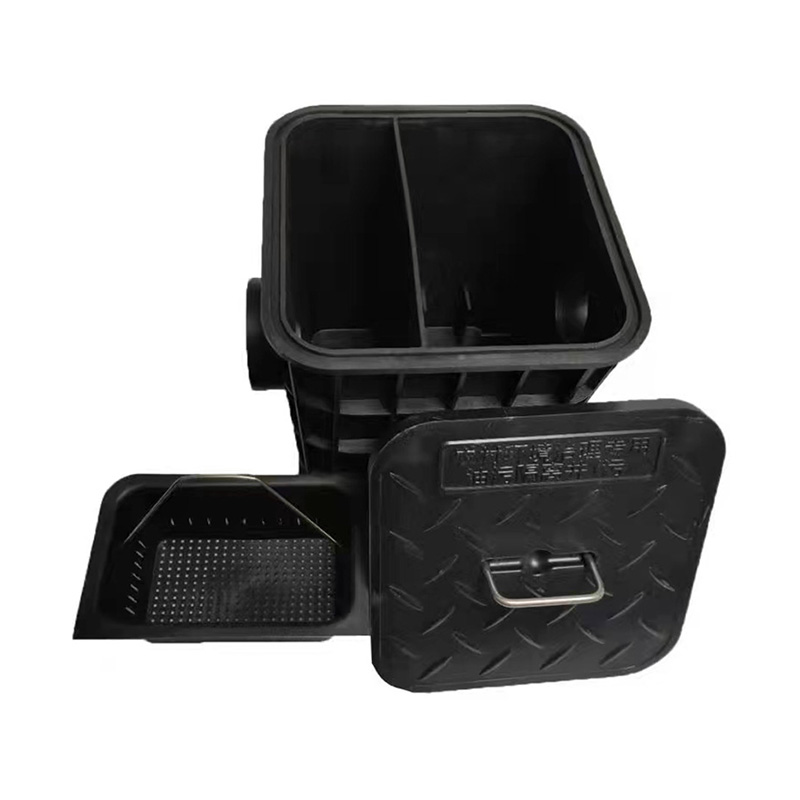
The subsurface automatic pollutant interceptor is a cutting-edge solution designed to address the challenge of urban runoff pollution. This innov...
See Details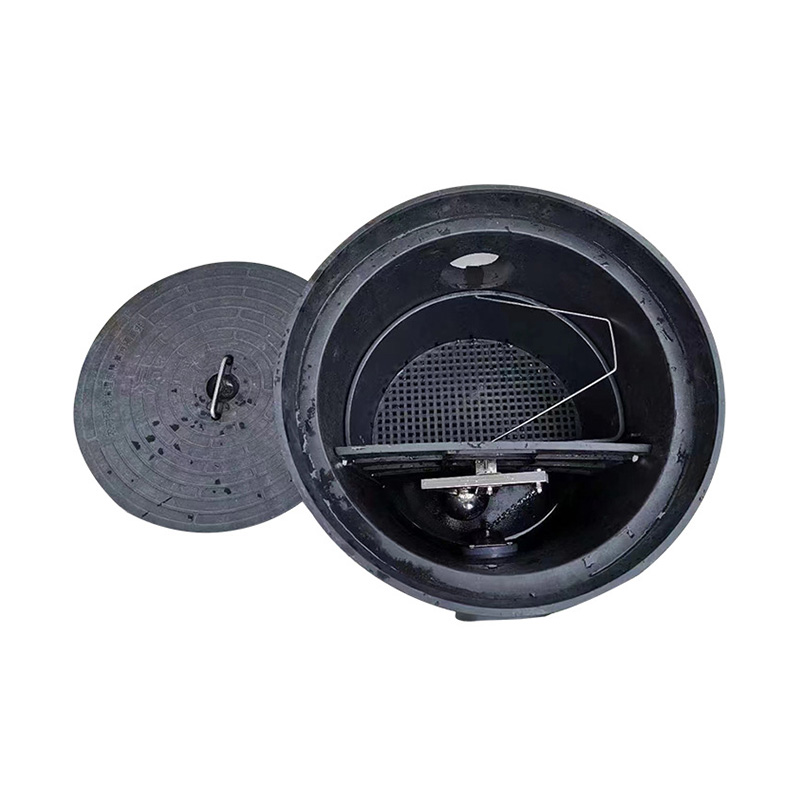
Balcony and roof rainwater pollution separators are devices installed on balconies, rooftops, or other outdoor areas to intercept and treat rainw...
See Details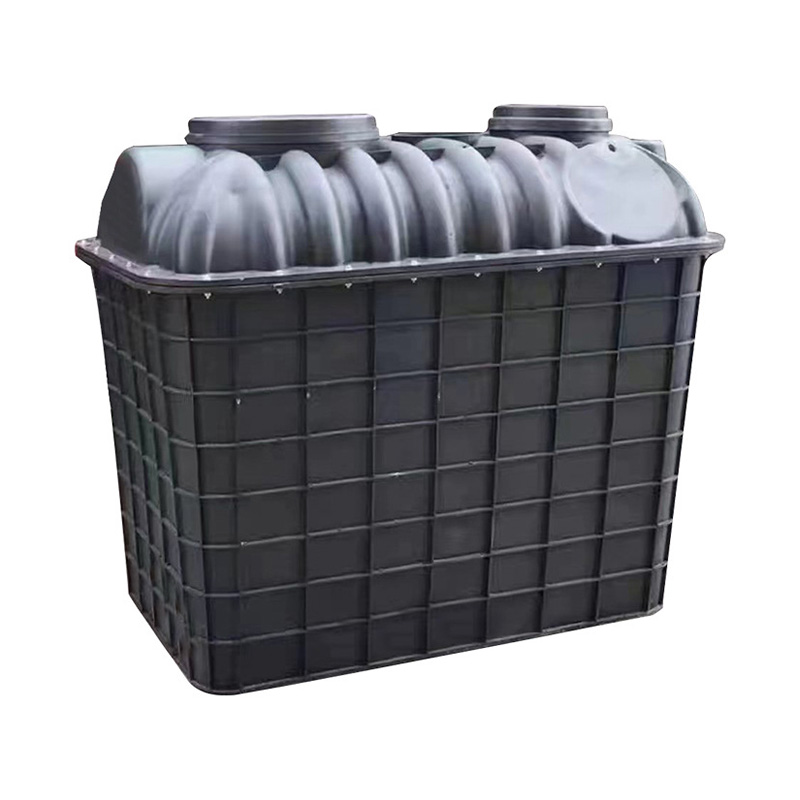
The balcony roof rainwater and sewage separator is a crucial component in urban water management systems, designed to effectively separate rainwa...
See Details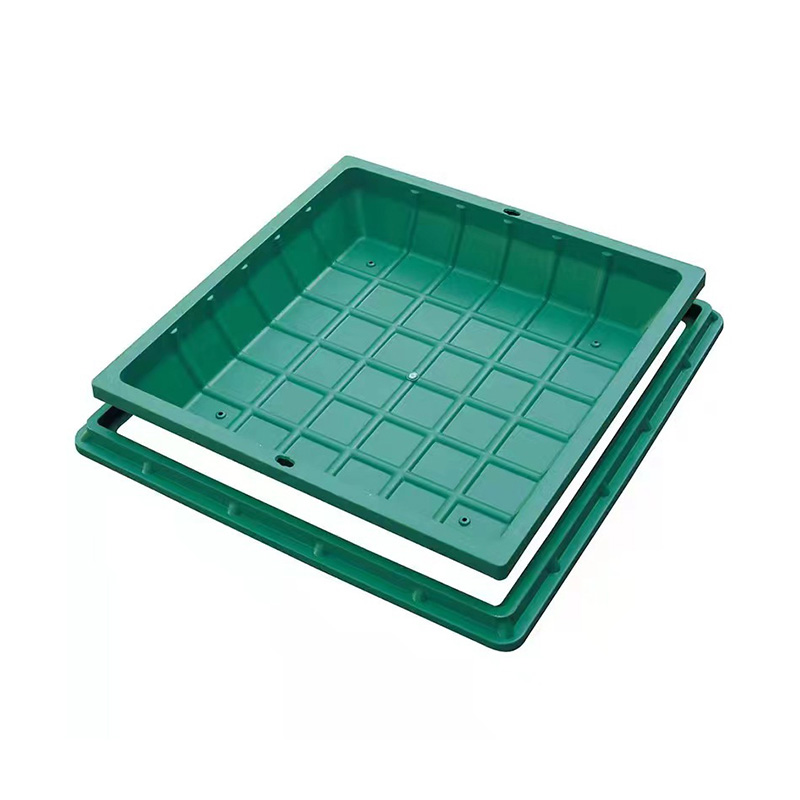
The PE grass pot park composite square flower pot well cover represents an innovative solution designed to combine practicality with visual appea...
See DetailsIt would be great to hear from you!

The company independently develops HDPE drainage ditches, cage supports, and reinforced three-format plastic septic tank products, etc.


Phone: +86-13357651618
Tel: +86-0576-82929520
Email: [email protected]
Address: Heyu Industrial Zone, Yuanqiao Town, Huangyan District, Taizhou City, Zhejiang Province, China
Copyright © 2024 Taizhou Weicai Plastic Industry Co., Ltd. All Rights Reserved.

Plastic Drainage System Manufacturer