


 русский
 Español
 عربى
عربىU-Shaped PE Farmland Trough Linear Plastic Drainage Ditch
Cat: Plastic Drain Channel
The U-shaped PE farm field linear plastic drainage ditch is a revolutionary solution designed to address the drainage needs of agricultural land....
See DetailsUnderground utility access points can be confusing for many property owners, especially when trying to figure out whether a plastic chamber cover is actually part of a drain system or serves another purpose. Questions like this appear frequently on DIY forums and community discussion groups where users attempt to identify covers and access points around their homes — particularly when the original construction documentation is unclear. Knowing what to look for and understanding how covers are used can save time and help you decide what parts to order from reliable plastic drain covers suppliers, especially when sourcing replacements or upgrades from manufacturers like Taizhou Weicai Plastic Industry Co., Ltd.
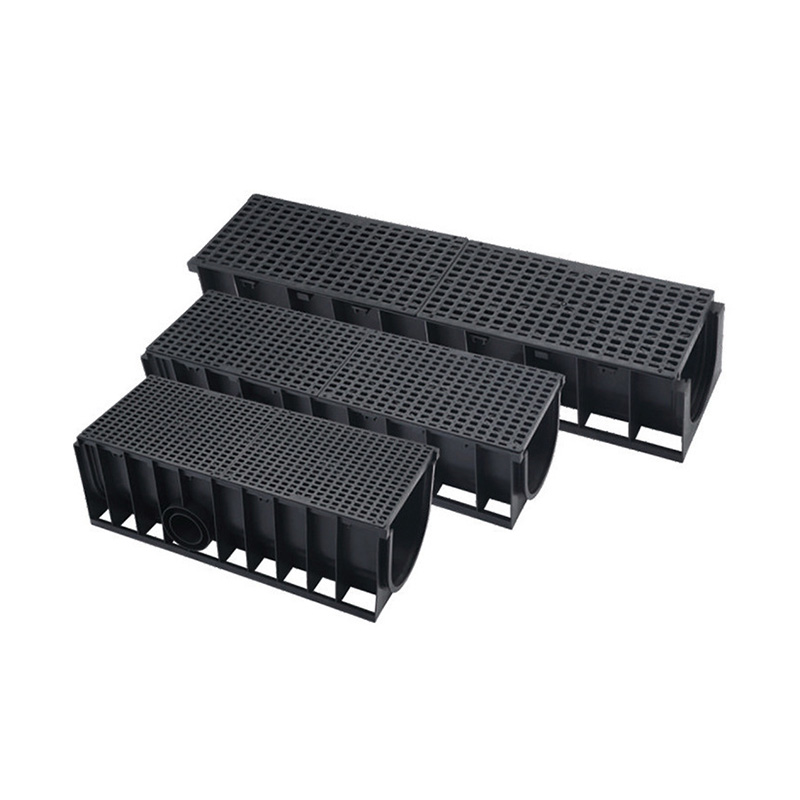
Why Identification Isn’t Always Straightforward
There are several reasons people can mislabel a plastic chamber cover or assume it’s part of a drainage line:
Looks Don’t Tell the Full Story
Some plastic caps or lids near or in the ground look like drain or inspection parts, but they might actually cover valve boxes, shut-off points, or access points for electrical/telecom conduits—especially if they sit flush with the surface. Others are access for floor drains or clean-outs that don’t relate to the main drain at all.
Variable Shapes and Sizes
Plastic access covers come in many sizes. While drain parts often have holes or grates to allow water flow, some chamber covers are solid because they’re meant to protect an access void rather than serve as a flow grate. This leads many to misinterpret them as miscellaneous caps rather than plumbing parts.
Local Terminology Differences
Across different communities, home improvement forums, and online threads, people may use terms like “clean-out cap,” “manhole cover,” “access hatch,” or “drain cover” interchangeably—even when referring to different components. This complicates matters when someone tries to figure out what a part is just based on descriptive words in a thread.
How to Tell a Chamber Cover From Other Parts
Here are some practical guidelines, based on homeowner discussions and inspection insights:
1. Look for Grates or Holes
If what you’re seeing has even a grid or series of openings, it’s much more likely a plastic drain cover. These allow stormwater or wastewater to enter the drainage system while blocking large debris. Solid lids are more likely chamber covers, electrical-box lids, or clean-out plugs not intended for water intake.
2. Check Location and Context
Covers found near downpipes, driveway edges, or low spots are often part of surface drainage systems, and associated plastic drain covers suppliers will offer grates for easy flow. Chamber covers, on the other hand, are found at points where maintenance access is needed—such as junctions in underground drain lines or utility access points.
3. Measure Dimensions and Lip Fits
A common frustration mentioned by users on DIY forums is mismatched covers not fitting the chamber flange properly. A lid that wiggles, refuses to sit level, or doesn’t align with the rim may not belong to that opening at all, hinting that it’s been placed there temporarily or incorrectly. In these situations, properly sized parts from knowledgeable manufacturers help ensure accurate fit and function.
What Homeowners Often Misinterpret
Community discussions reveal that people sometimes assume:
A plastic lid near pipes is automatically a drain cover.
Clean-out caps are decorative plugs rather than functional access points.
A perfectly flush cover must be buried drainage—but it could be a valve access cover for utilities like gas or water.
One Reddit thread highlighted this confusion, where a small round plastic cover was questioned for its purpose. Commenters pointed out that without markings or inspection, it’s nearly impossible to identify if it’s a sanitary sewer access point, storm drain access, or other utility service spot.
Why Correct Identification Matters
Getting it wrong can cause:
Unintentional damage to utility lines or plumbing during excavation.
Incorrect replacements, buying an unsuitable cover from a supplier that doesn’t fit the application.
Improper maintenance practices, like lifting a lid that opens to unexpected hazards.
When in doubt, measuring and photographing the part before consulting trusted suppliers helps avoid mistakes. Taizhou Weicai Plastic Industry Co., Ltd. offers tailored advice to ensure you match the right plastic chamber cover or drain system component to your specific application.
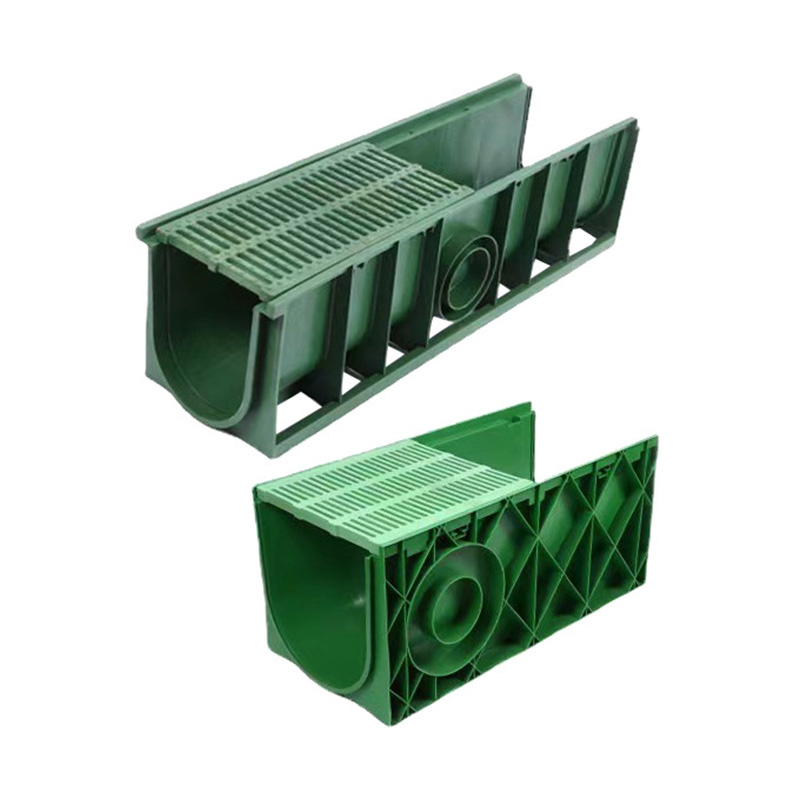
The U-shaped PE farm field linear plastic drainage ditch is a revolutionary solution designed to address the drainage needs of agricultural land....
See Details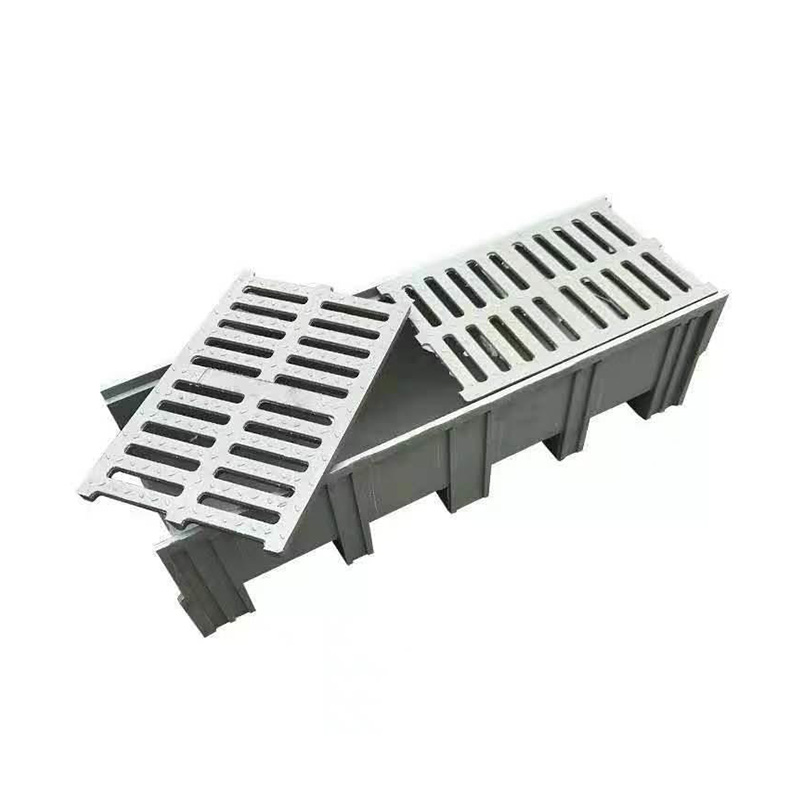
The U-shaped resin gap-type trench linear drainage ditch is characterized by its unique design, which optimizes water flow and sediment removal. ...
See Details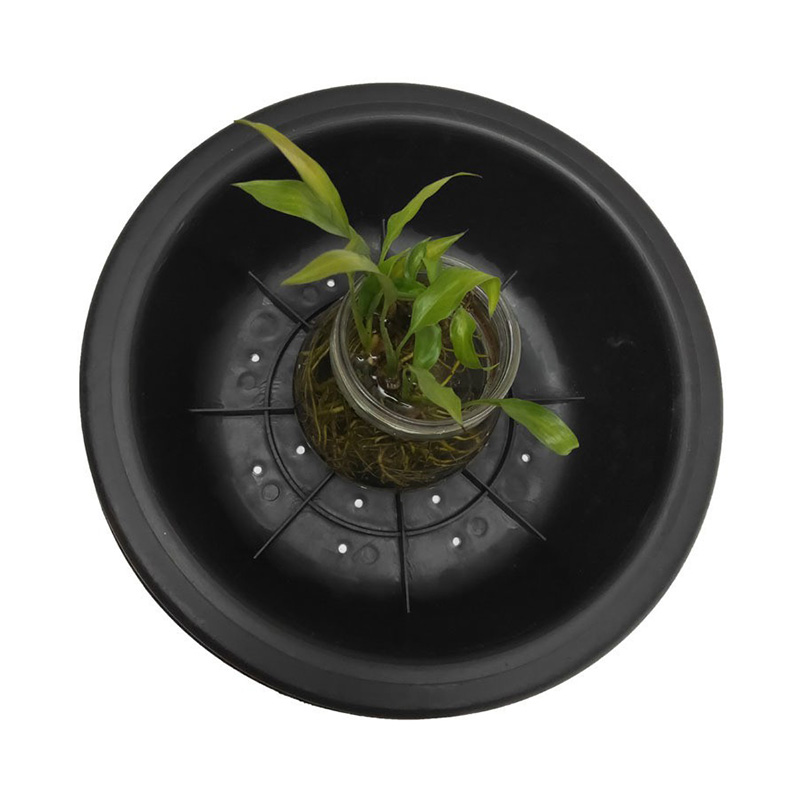
Crafted from durable PE materials, PE Recessed Composite Invisible Greening Planting Manhole Covers feature a discreet design allowing for the in...
See Details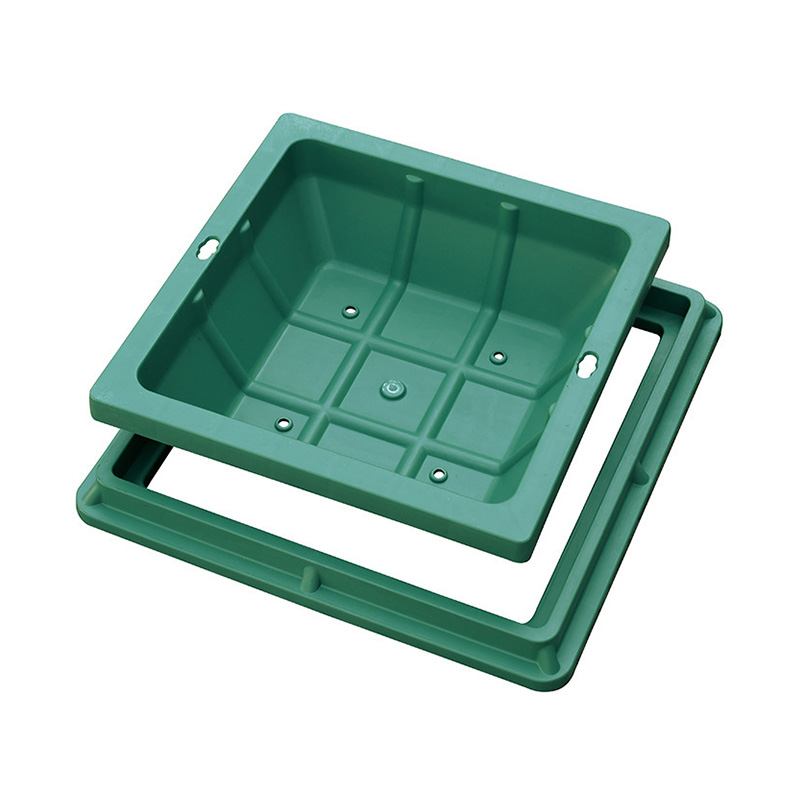
PE greening recessed manhole covers with circular and square rings represent innovative solutions designed to blend seamlessly with green spaces ...
See Details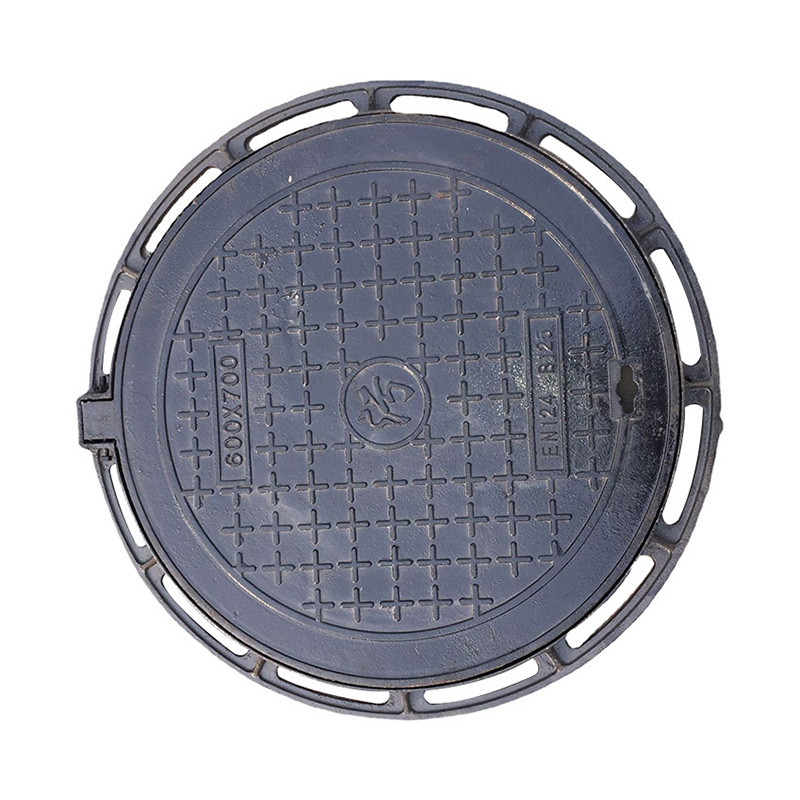
The management of public roads and utilities is critical for ensuring safety, efficiency, and convenience for residents and commuters. Heavy-duty...
See Details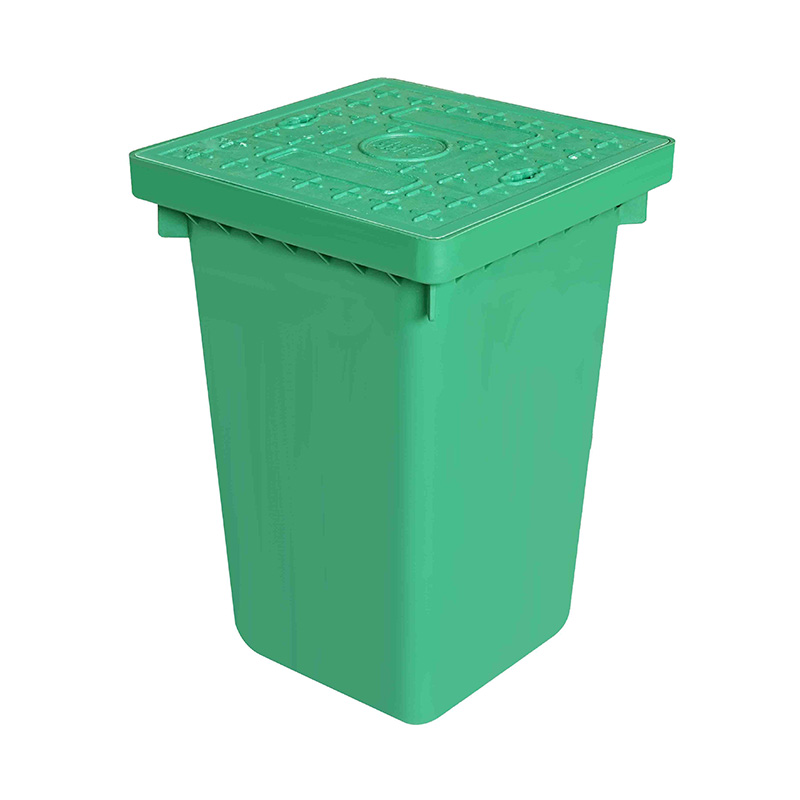
Integrated threading-free cable chamber box well is a commonly used equipment in the process of laying weak current lines. Its design structure m...
See DetailsIt would be great to hear from you!

The company independently develops HDPE drainage ditches, cage supports, and reinforced three-format plastic septic tank products, etc.


Phone: +86-13357651618
Tel: +86-0576-82929520
Email: [email protected]
Address: Heyu Industrial Zone, Yuanqiao Town, Huangyan District, Taizhou City, Zhejiang Province, China
Copyright © 2024 Taizhou Weicai Plastic Industry Co., Ltd. All Rights Reserved.

Plastic Drainage System Manufacturer