


 русский
 Español
 عربى
عربىV-Shaped HDPE Building Materials Pipe Plastic Drainage Ditch
Cat: Plastic Drain Channel
The V-shaped HDPE building material pipeline plastic drainage trench represents a significant innovation in drainage technology, tailored to meet...
See DetailsPlumbing systems that include units like a Plastic Oil Water Separator or a Domestic Grease Trap are integral to preventing fats, oils, grease (FOG), and food solids from entering sewer lines. Yet, even with these devices installed, clogs and backups remain a frequent headache in commercial kitchens and facilities. These issues interrupt operations, contribute to foul smells, and can result in expensive emergency repairs or regulatory problems.
Grease traps are built to collect greasy wastewater before it enters sewer lines, but they have a finite capacity. When large amounts of FOG enter the trap consistently, these materials cool, solidify, and form thick layers that restrict drainage and block flow channels. Over time, this buildup can completely clog inlet or outlet lines and cause wastewater to back up into sinks or floor drains.
In commercial kitchens — especially during peak service hours — the trap can reach full capacity fast without proper handling of cooking oils and fats.
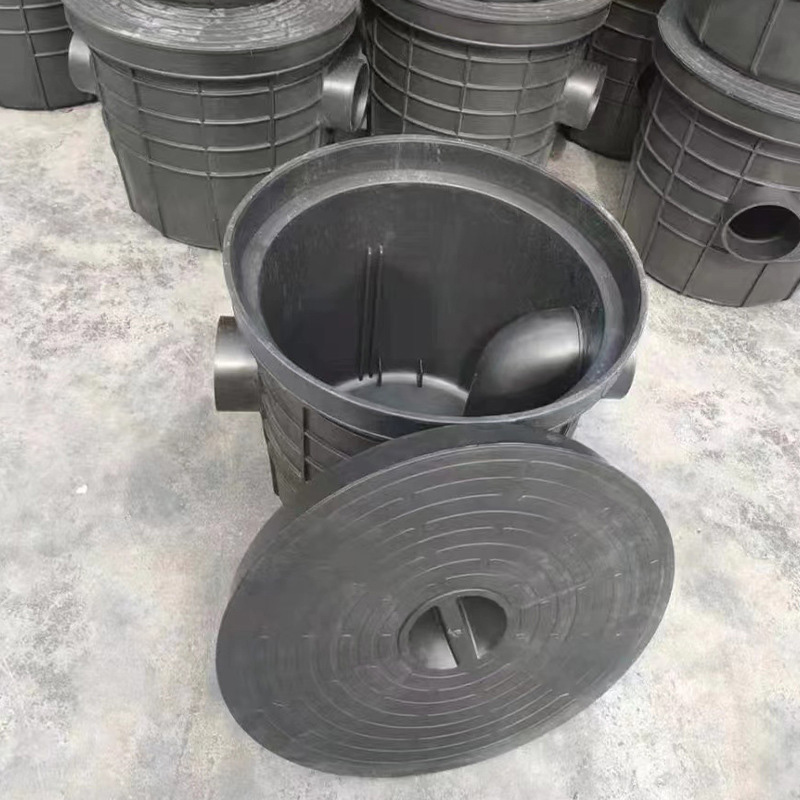
Grease traps are intended to intercept FOG, not food solids. Particles from plates, cookware, or appliances that are not adequately strained will settle inside the trap or pipes. As these solids combine with fats and debris, they create dense blockages that reduce trap efficiency and slow drainage.
Install sink strainers and educate kitchen staff to reduce the volume of solids reaching the trap. These simple steps drastically reduce clog risk.
Regular maintenance keeps grease traps functioning: without it, solids and FOG accumulate to the point where wastewater can’t flow freely through the trap. Professionals often recommend scheduled cleaning based on usage and actual fill levels rather than calendar dates.
A trap that is not cleaned frequently enough will inevitably create backups since there is no available volume for new wastewater to enter and be processed.
Clogs can occur not only inside the trap itself but also in the incoming and outgoing drain lines. Blockages in the incoming line can cause wastewater to back up from plumbing fixtures, while an obstruction in the outlet line leads to the trap filling up and overflowing.
Check these lines during routine inspections, as blockages here often mimic trap failures.
Even well-maintained grease traps can struggle if their capacity does not match kitchen output. An undersized Domestic Grease Trap or Oil Water Separator fills quickly and forces more frequent cleaning than anticipated.
Correct sizing should consider peak wastewater flow, meal volume, and types of food processed — not just average daily usage.
Some grease trap problems stem from internal design issues. For example:
Clogs in crossover points between compartments prevent proper separation of solids and liquids.
Damaged baffles or internal walls disrupt flow and allow FOG to bypass separation zones.
Regular inspection can catch these mechanical problems before they contribute to backups.
Poor disposal habits significantly increase clog risk. Pouring grease or hot fats down drains — even in small amounts — can quickly build up on pipe walls and accelerate blockages, despite the presence of a grease trap.
Reducing what enters your plumbing today reduces trouble tomorrow.
Here’s a practical checklist to keep your grease trap and plumbing flowing smoothly:
Implement sink strainers to catch solids before they enter the trap.
Schedule routine cleaning based on use, not assumptions.
Train staff in grease handling and disposal ideal practices.
Inspect inlet/outlet lines and internal baffles regularly.
Evaluate whether your current trap size fits your operational needs.
Taizhou Weicai Plastic Industry Co., Ltd. encourages facility operators to prioritize maintenance schedules, proper sizing, and operational habits in order to reduce clogs and backups in both Plastic Oil Water Separator and Domestic Grease Trap installations. With the right approach, these systems protect plumbing infrastructure and keep wastewater flowing as intended.
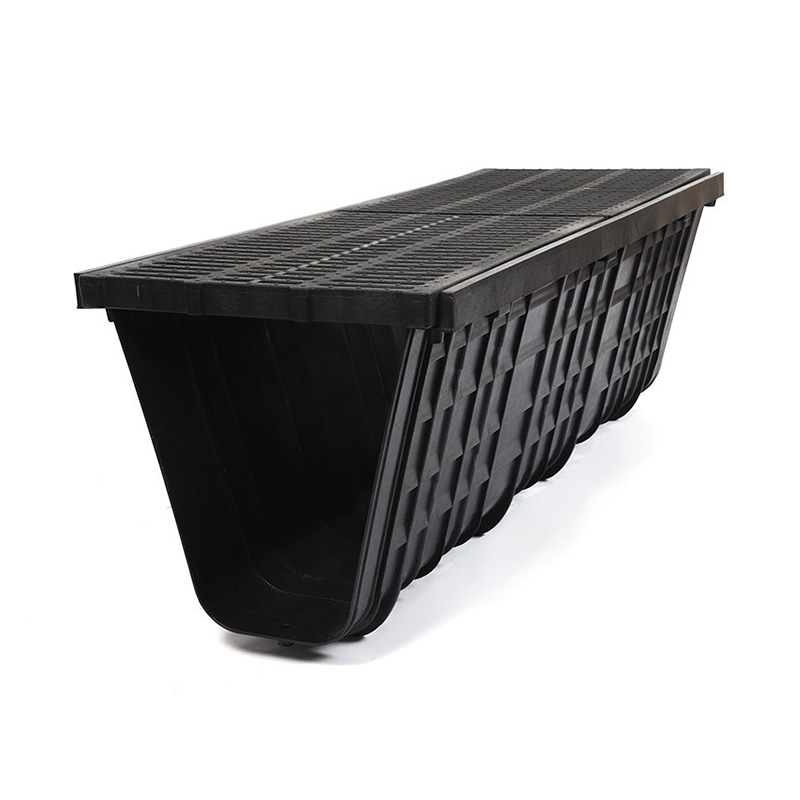
The V-shaped HDPE building material pipeline plastic drainage trench represents a significant innovation in drainage technology, tailored to meet...
See Details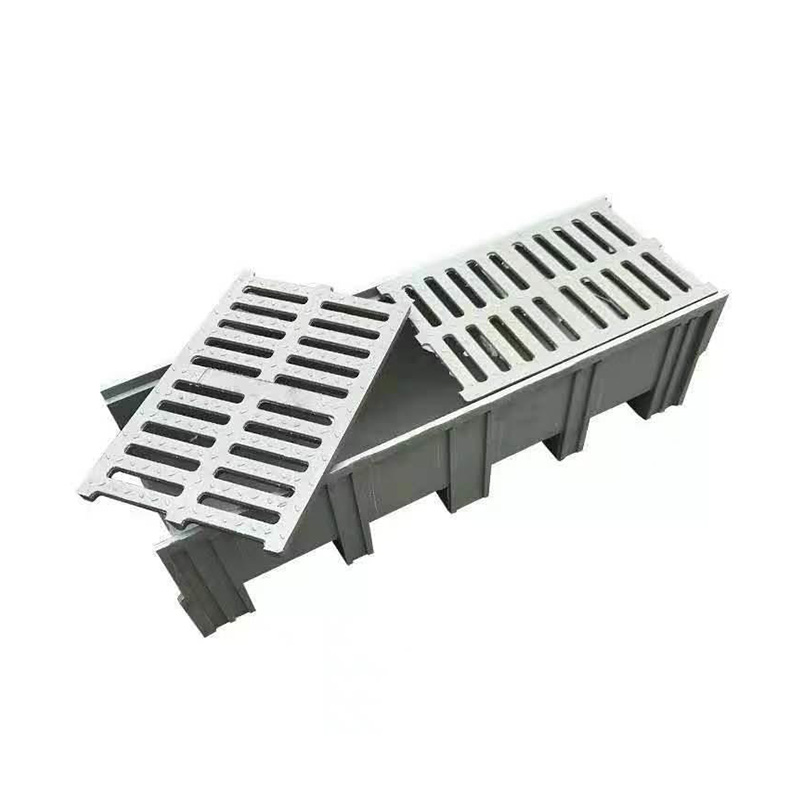
The U-shaped resin gap-type trench linear drainage ditch is characterized by its unique design, which optimizes water flow and sediment removal. ...
See Details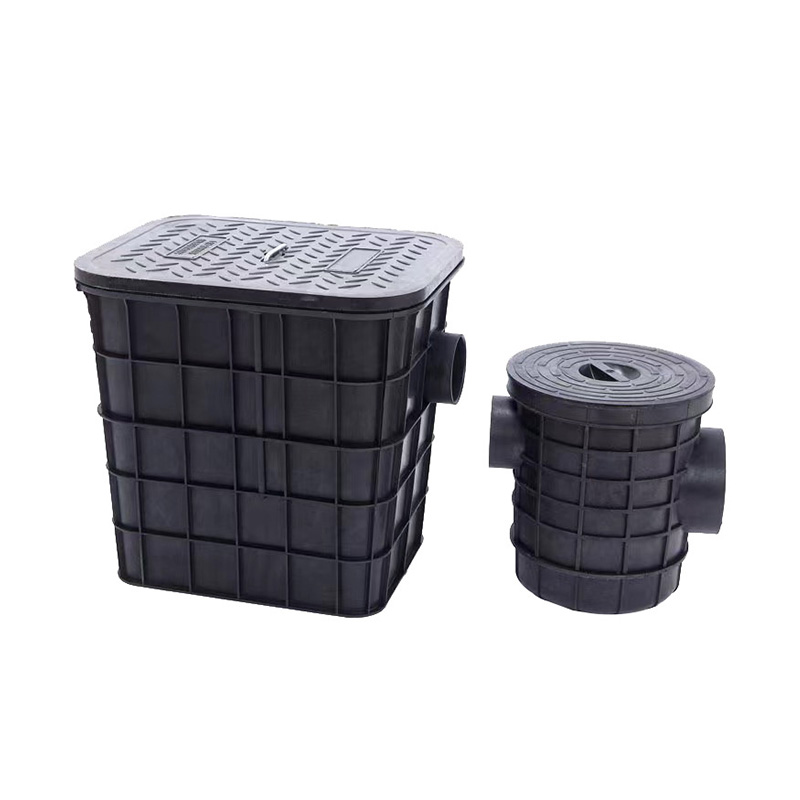
The HDPE Buried Triple-Compartment Plastic Oil-Water Separation Well is a robust and efficient design for the separation and containment of oil a...
See Details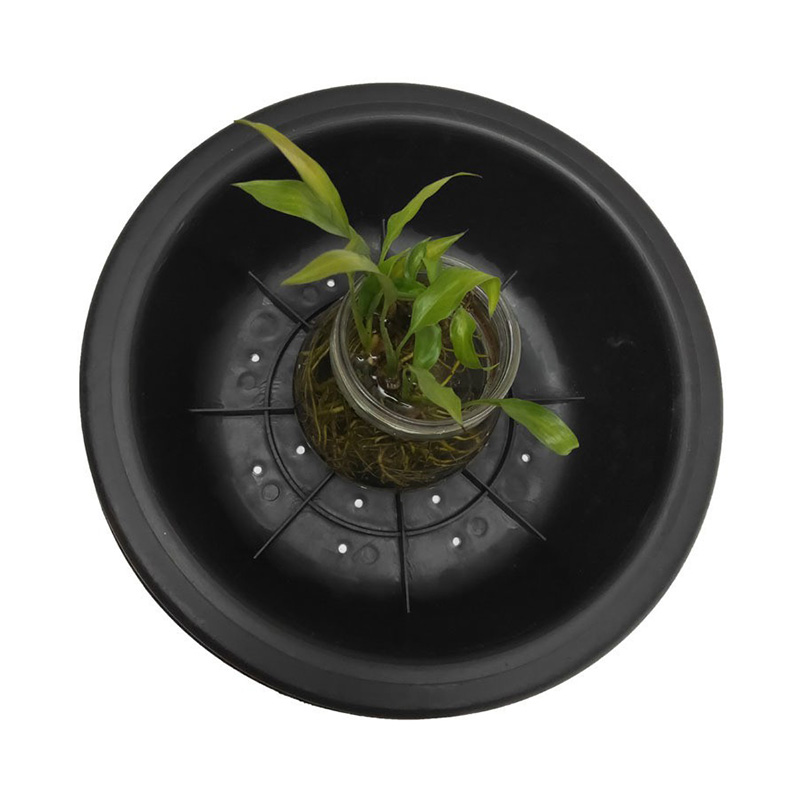
Crafted from durable PE materials, PE Recessed Composite Invisible Greening Planting Manhole Covers feature a discreet design allowing for the in...
See Details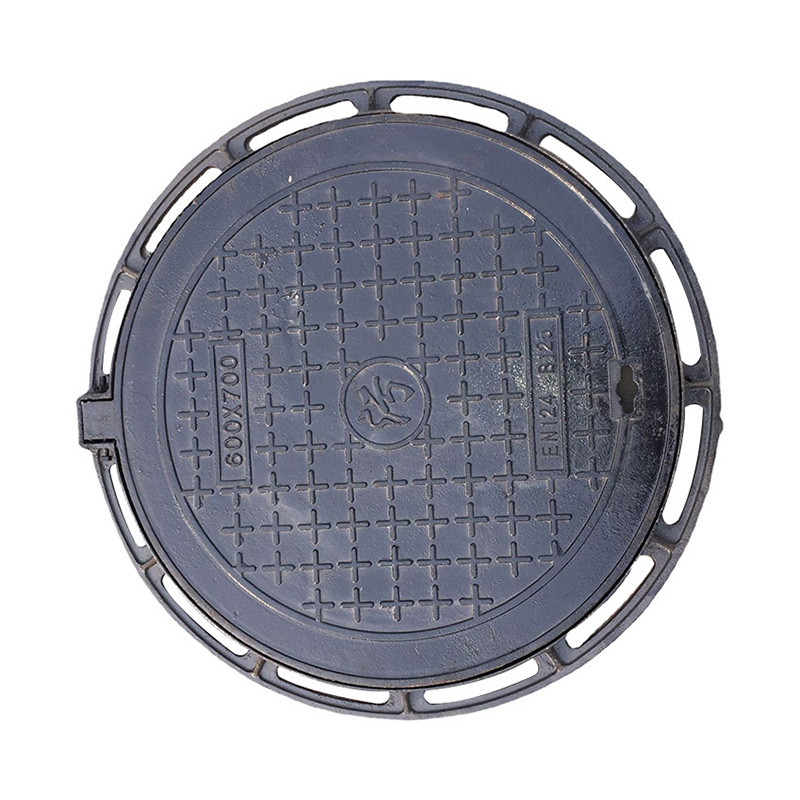
The management of public roads and utilities is critical for ensuring safety, efficiency, and convenience for residents and commuters. Heavy-duty...
See Details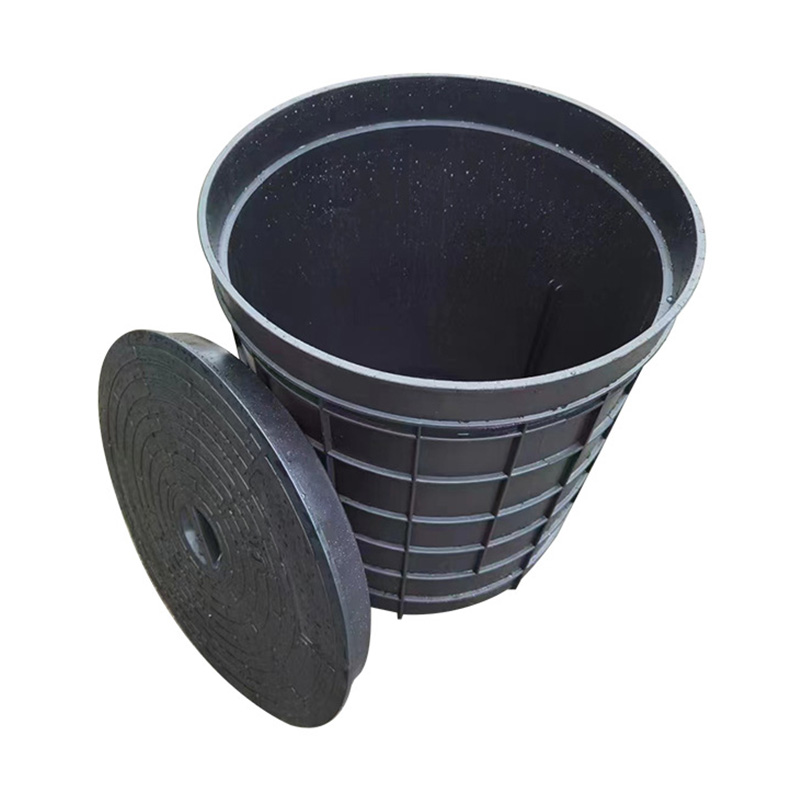
Drainage and sewage plastic water meter box is a container used to install equipment such as water meters, pipes and valves. It is usually used i...
See DetailsIt would be great to hear from you!

The company independently develops HDPE drainage ditches, cage supports, and reinforced three-format plastic septic tank products, etc.


Phone: +86-13357651618
Tel: +86-0576-82929520
Email: [email protected]
Address: Heyu Industrial Zone, Yuanqiao Town, Huangyan District, Taizhou City, Zhejiang Province, China
Copyright © 2024 Taizhou Weicai Plastic Industry Co., Ltd. All Rights Reserved.

Plastic Drainage System Manufacturer