


 русский
 Español
 عربى
عربىCircular Underground Oil Isolation Well
Cat: Separated Oil Well
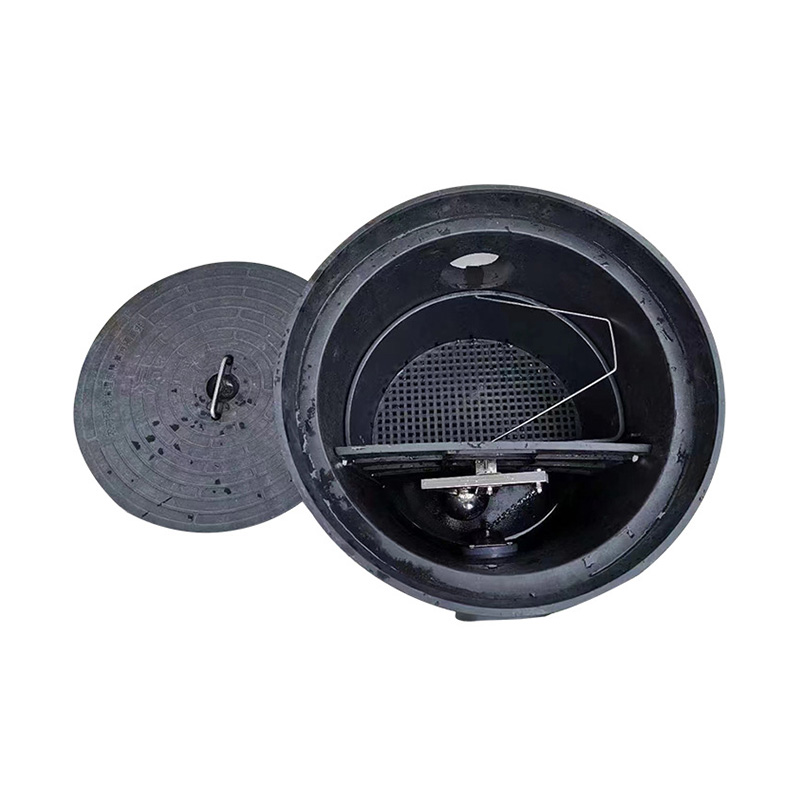
Circular buried oil interceptor wells are underground structures designed to intercept, collect, and contain oil pollutants from stormwater runof...
See DetailsWhen planning drainage for driveways, parking lots, or industrial yards, one of the more common questions is whether a PVC water channel can handle vehicle load. Combined with plastic strip drains, PVC channels form a comprehensive drainage system capable of managing surface water efficiently. At Taizhou Weicai Plastic Industry Co., Ltd., we manufacture PVC water channels and plastic strip drains with reinforced designs suitable for various applications, from pedestrian areas to light vehicular traffic zones.
PVC water channels are made of rigid polyvinyl chloride, which provides inherent structural strength. Some channels are reinforced with ribs or thicker walls to increase load-bearing capacity. In contrast, plastic strip drains are generally lighter and more flexible, designed for pedestrian areas or low-load surfaces. The combination of PVC water channels as main drainage lines with plastic strip drains as peripheral or decorative drains provides both durability and design flexibility.
Factors influencing load capacity include:
Wall thickness: Thicker channel walls distribute weight more effectively.
Rib design: Internal ribs increase resistance to bending under pressure.
Reinforced grates: Steel or heavy-duty polymer grates can improve overall load capacity.
Drainage channels are often classified by load rating standards. Understanding these ratings helps ensure that PVC water channels can handle intended traffic:
Pedestrian load: Suitable for walkways, garden paths, and terraces.
Light vehicle load: Cars, motorcycles, and small delivery vehicles.
Heavy vehicle load: Trucks, forklifts, and industrial equipment.
PVC water channels with reinforced designs can support light to moderate vehicle loads. For heavy trucks or industrial vehicles, additional measures such as concrete bedding, grating reinforcement, or alternative materials may be necessary.
Proper installation is crucial to ensure that PVC water channels can withstand vehicle loads:
Stable base: Excavate a trench and lay a compacted gravel or concrete base to distribute the load.
Correct slope: Maintain a slope (typically 0.5–1%) to allow water to flow efficiently without ponding.
Secure connection: Ensure joints are tightly fitted to prevent movement under repeated load.
Grate support: Use grates designed to carry vehicle weight and prevent deformation.
Plastic strip drains can be used alongside these channels to collect water from lighter traffic areas and feed it into the reinforced PVC channels.
Users often encounter problems if the load capacity is misjudged or installation is improper:
Cracking or bending: Can occur if unsupported PVC channels are subjected to heavy vehicle loads.
Grate deformation: Using lightweight grates on vehicle zones can result in damage.
Water pooling: Improper slope or insufficient channel width may cause overflow.
Solutions include using reinforced PVC channels, selecting grates rated for vehicular traffic, and ensuring proper base preparation. Regular inspection helps maintain performance.
Durability: Resistant to wear and deformation under repeated loads.
Versatility: Available in various lengths, widths, and load classes.
Integration: Works well with plastic strip drains for peripheral water collection.
Low Maintenance: PVC channels are easy to clean and maintain even under vehicle traffic.
Residential driveways: Prevent water accumulation and frost damage.
Commercial parking lots: Ensure safe drainage without structural failure.
Industrial yards: Handle light trucks and small machinery traffic while managing runoff efficiently.
By selecting the appropriate PVC water channel and planning proper installation, surface water management becomes reliable even in areas with vehicle traffic.
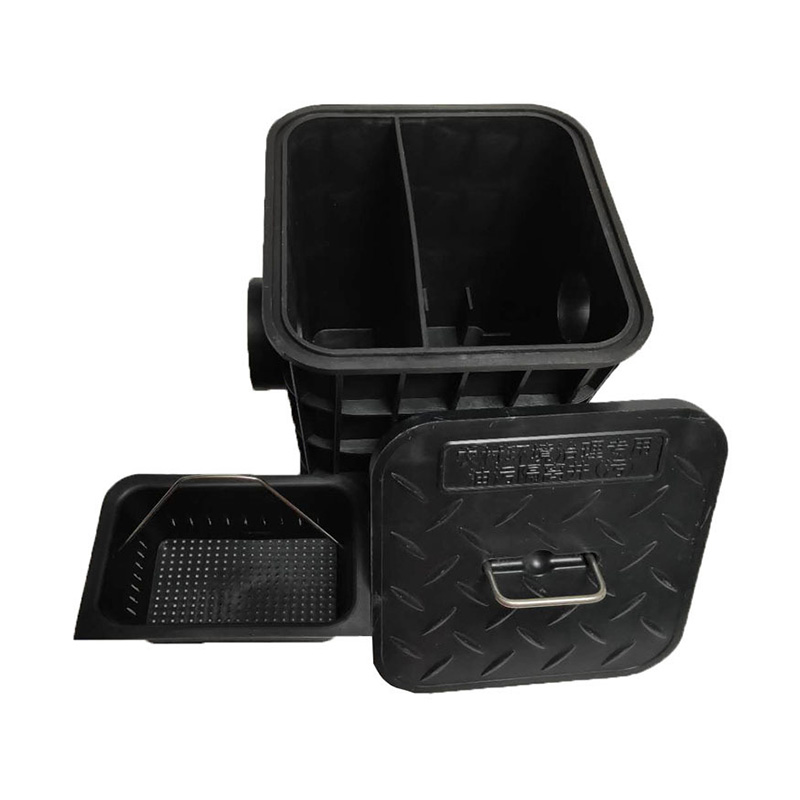
Circular buried oil interceptor wells are underground structures designed to intercept, collect, and contain oil pollutants from stormwater runof...
See Details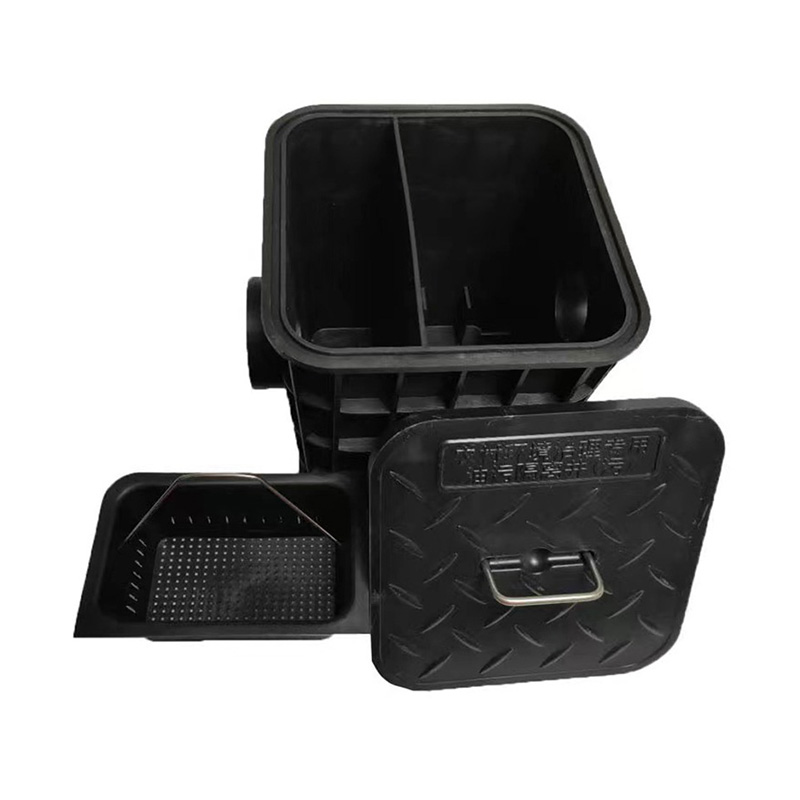
Triple compartment buried square oil-water separation filtration tanks represent an advanced solution designed to efficiently separate oil, greas...
See Details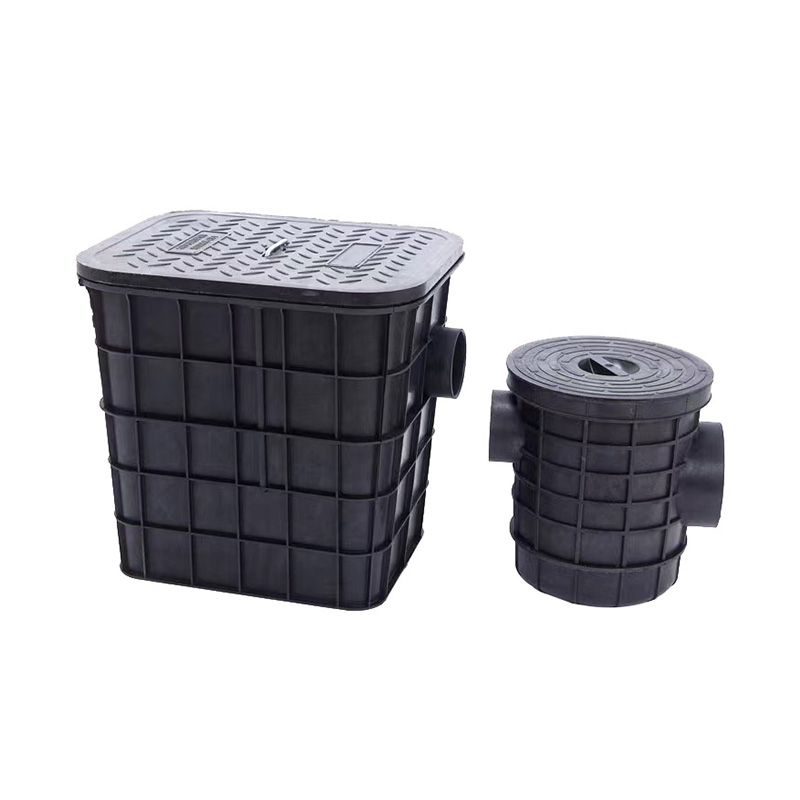
HDPE (High-Density Polyethylene) buried triple compartment plastic wastewater grease traps offer a modern and effective to intercept, separate, a...
See Details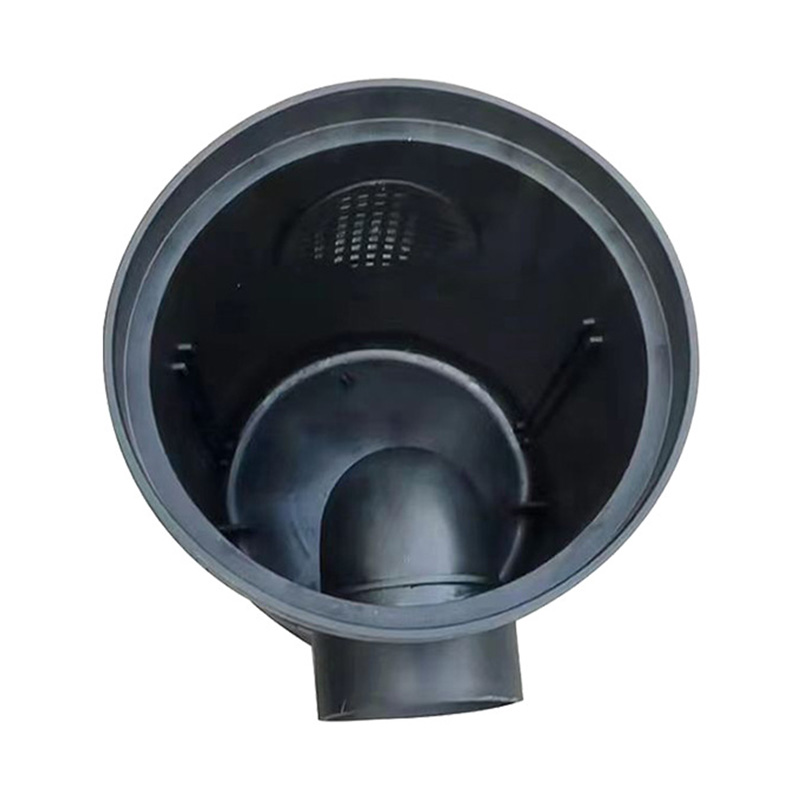
The buried plastic sewage isolation chamber is a fundamental component in wastewater management systems, particularly in urban and suburban envir...
See Details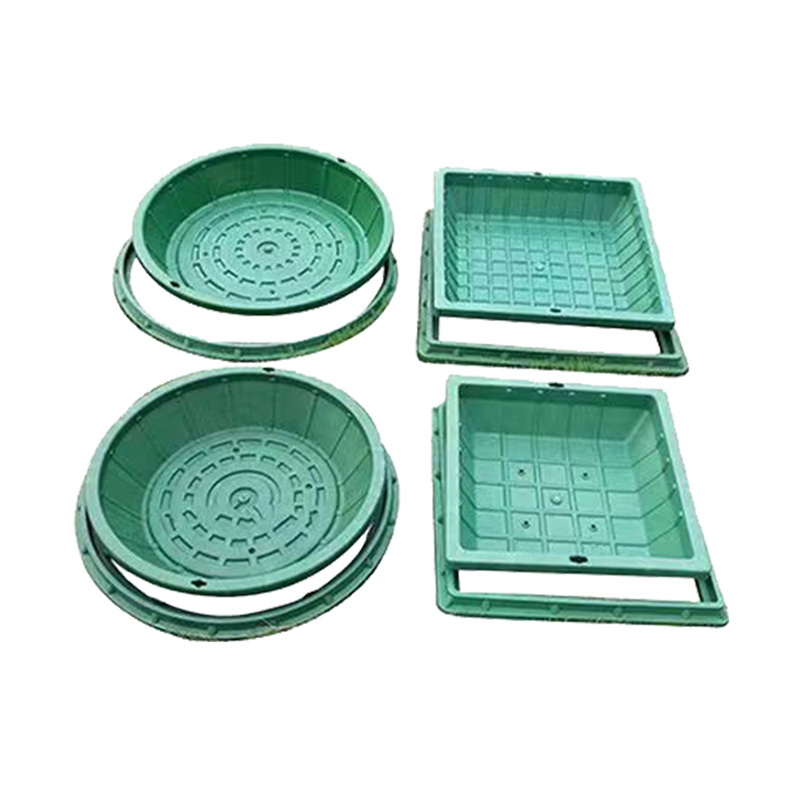
In the realm of landscaping and urban beautification, the integration of functional and aesthetically pleasing elements is essential for creating...
See Details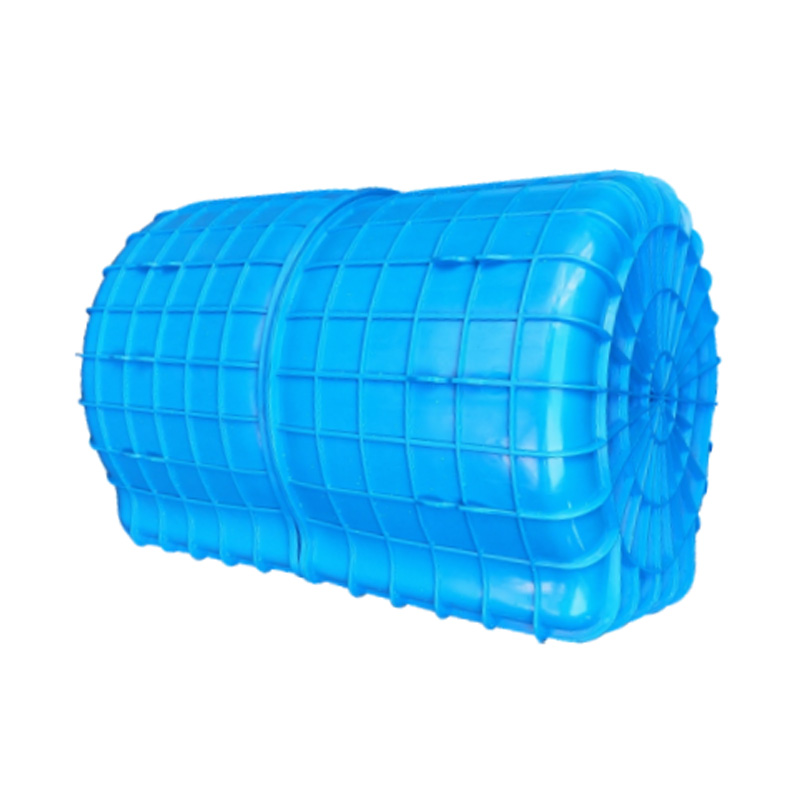
The Simple Square Aquaculture Net Cage is characterized by its simple yet effective design, tailored for ease of use and versatility. Typically c...
See DetailsIt would be great to hear from you!

The company independently develops HDPE drainage ditches, cage supports, and reinforced three-format plastic septic tank products, etc.


Phone: +86-13357651618
Tel: +86-0576-82929520
Email: [email protected]
Address: Heyu Industrial Zone, Yuanqiao Town, Huangyan District, Taizhou City, Zhejiang Province, China
Copyright © 2024 Taizhou Weicai Plastic Industry Co., Ltd. All Rights Reserved.

Plastic Drainage System Manufacturer