


 русский
 Español
 عربى
عربىU-Shaped PE Farmland Trough Linear Plastic Drainage Ditch
Cat: Plastic Drain Channel
The U-shaped PE farm field linear plastic drainage ditch is a revolutionary solution designed to address the drainage needs of agricultural land....
See DetailsFish farming continues to expand worldwide as demand for seafood increases, yet concerns about ecosystem pressure are rising. A modern Fish Cage Culture System plays a central role in this growth, especially in offshore and inland waters where Aquaculture Fish Cage installations are widely deployed for commercial production. Our company focuses on engineering floating cage components and durable polymer materials designed for marine aquaculture environments.
Cage farming of carnivorous species often depends on fishmeal and fish oil derived from wild catch.
From an engineering perspective, improving feed conversion ratios (FCR) below 1.5 is now a key target in advanced cage farming systems.
A Fish Cage Culture System is an open environment, meaning waste is released directly into surrounding waters.
However, modern Aquaculture Fish Cage designs using deeper net placement and stronger water circulation can reduce sediment buildup significantly.
Another concern is the escape of farmed fish from cages due to storms, net damage, or handling errors.
To address this, our company integrates high-tensile HDPE floating collars and reinforced knotless netting systems designed to reduce rupture risk under harsh marine conditions.
Despite concerns, cage installations can also create localized ecological interactions.
This dual effect shows that environmental outcomes depend heavily on system design and management practices.
Site selection is critical for minimizing environmental stress.
Engineering specifications for modern cage systems often include:
These improvements help maintain stable water quality and reduce ecosystem stress.
High-density farming environments may increase disease spread.
Preventive strategies include fallowing cycles, vaccination programs, and automated feeding systems to reduce waste accumulation.
Modern aquaculture engineering is actively addressing environmental concerns through innovation:
Our company develops modular cage frames and plastic floating systems designed for long service life and reduced maintenance frequency, supporting more stable farming operations.
Cage farming does not operate in isolation from natural ecosystems.
This means impact is not determined by farming itself, but by technology, location, and operational control.
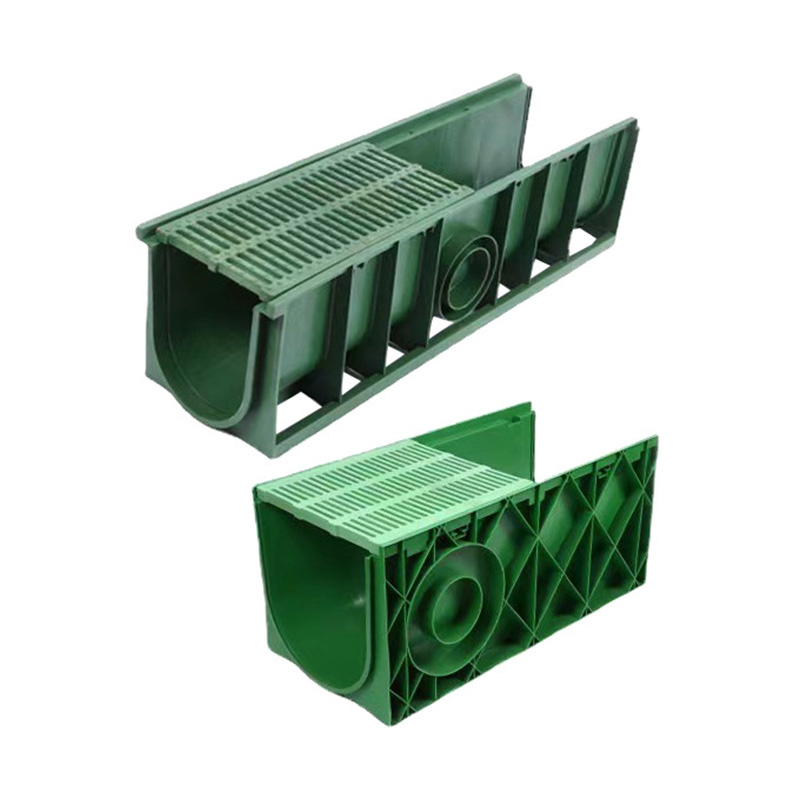
The U-shaped PE farm field linear plastic drainage ditch is a revolutionary solution designed to address the drainage needs of agricultural land....
See Details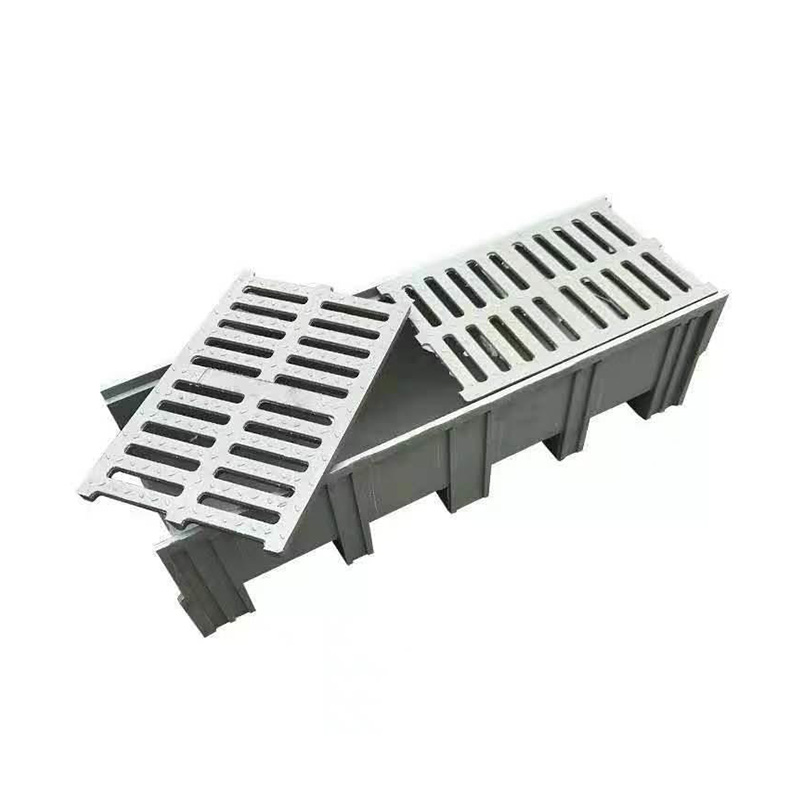
The U-shaped resin gap-type trench linear drainage ditch is characterized by its unique design, which optimizes water flow and sediment removal. ...
See Details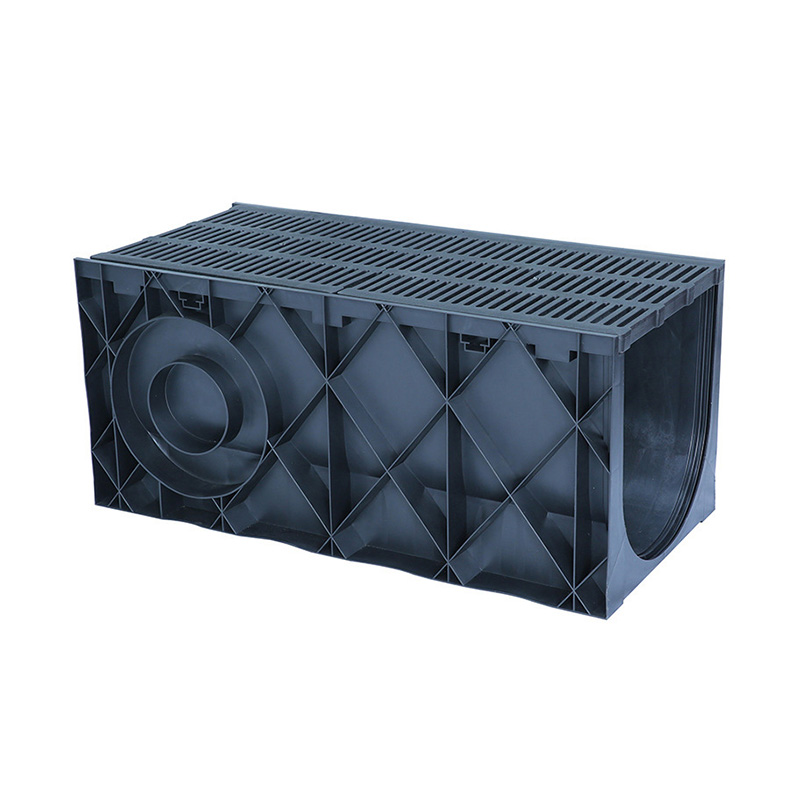
The HDPE plastic linear gap drainage channel cover plate offers a revolutionary solution for efficient surface water runoff management. Made from...
See Details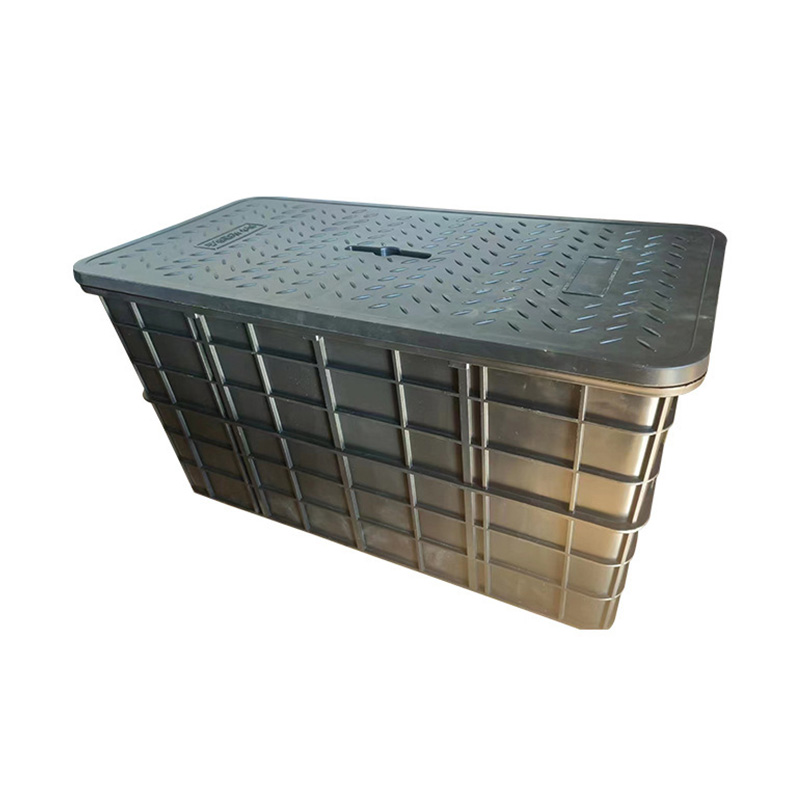
The quadrant design of the oil separator is tailored to optimize oil-water separation efficiency. As contaminated water enters the separator, it ...
See Details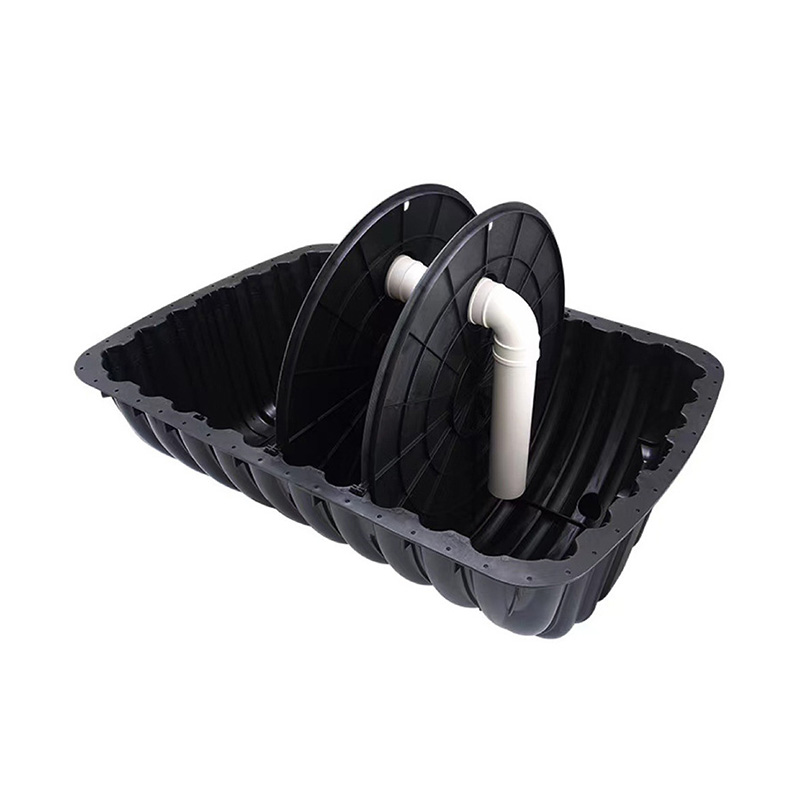
The household small thickened partition PE three-format plastic septic tank is an environmentally friendly and efficient sewage treatment equipme...
See Details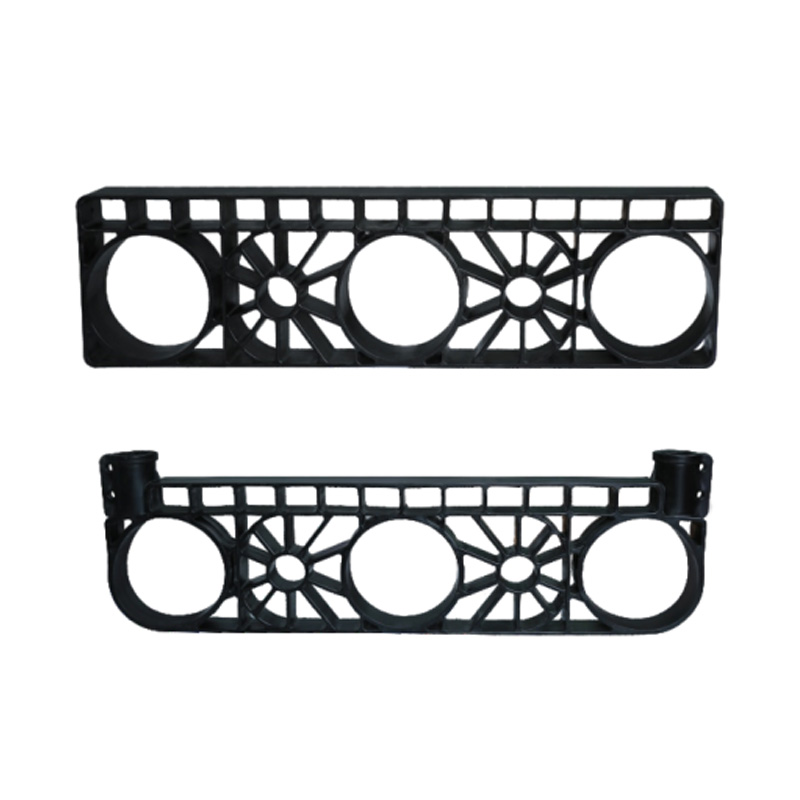
The PE Floating Buoy Aquaculture Net Cage is distinguished by its buoyant structure, which allows it to float on the surface of water bodies such...
See DetailsIt would be great to hear from you!

The company independently develops HDPE drainage ditches, cage supports, and reinforced three-format plastic septic tank products, etc.


Phone: +86-13357651618
Tel: +86-0576-82929520
Email: [email protected]
Address: Heyu Industrial Zone, Yuanqiao Town, Huangyan District, Taizhou City, Zhejiang Province, China
Copyright © 2024 Taizhou Weicai Plastic Industry Co., Ltd. All Rights Reserved.

Plastic Drainage System Manufacturer