


 русский
 Español
 عربى
عربىPE Composite Plastic Trench Sink Sewer Drain Cover
Cat: Drain Channel Cover
The PE composite plastic trench drainage channel cover plate is a cutting-edge solution designed to effectively manage surface water runoff in va...
See DetailsAs marine farming continues to extend into open sea areas, the role of the Deep Sea Aquaculture Cage becomes increasingly important in offshore aquaculture projects. These systems are designed for environments with waves, currents, and changing weather conditions. In many projects, supporting infrastructure such as the Cable Chamber Box is also used to protect and organize electrical and communication lines connected to offshore monitoring and control systems.
Offshore farming is developing as a way to expand production space while reducing pressure on coastal zones. This shift encourages improvements in equipment design and system integration for marine operations.
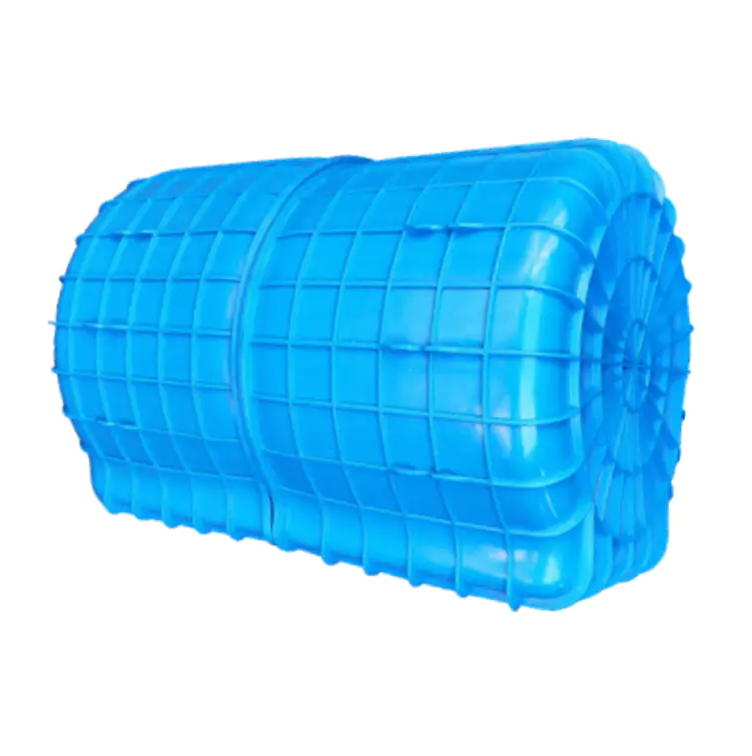
Structural Design Adaptation for Open Water
Cage structures used in offshore environments require stronger adaptation compared to sheltered-water systems. Engineers focus on improving stability under wave impact and current movement.
Modern designs often include reinforced floating rings, flexible connections, and improved net configurations. These elements help the Deep Sea Aquaculture Cage maintain performance under changing sea conditions.
Hydrodynamic behavior is an important factor in design work. Simulation tools are widely used to evaluate how structures respond to wind, waves, and load changes before deployment.
Material Considerations for Marine Environments
Material selection plays a key role in offshore cage performance. Exposure to saltwater, sunlight, and biological growth requires materials with strong resistance characteristics.
HDPE is widely applied due to corrosion resistance and flexibility. Steel components are used in areas requiring higher structural support. Protective coatings are sometimes applied to extend service life.
The selection process depends on installation depth, farming scale, and maintenance conditions. Proper material matching helps maintain operational stability over time.
Monitoring and Digital Integration
Digital systems are becoming more common in offshore aquaculture operations. Sensors can track environmental conditions such as water quality and system performance.
Data transmission systems require protected cable routes, where infrastructure like the Cable Chamber Box is used in shore-based or platform-based installations to organize and protect wiring systems.
Remote monitoring allows operators to observe conditions without constant physical presence. This supports faster response when environmental changes occur.
Mooring System Requirements
Mooring systems are essential for keeping cages stable in offshore locations. They must be designed according to seabed conditions, water depth, and local marine forces.
Anchoring arrangements often include multiple connection points to distribute load evenly. Engineers focus on improving reliability under continuous stress from currents and waves.
Inspection and maintenance are necessary to ensure long-term stability. Monitoring systems can help identify potential issues in advance.
Feeding and Operation Automation
Automated feeding systems are increasingly used in offshore aquaculture projects. These systems can operate based on scheduled programs and environmental conditions.
When combined with monitoring data, feeding operations can be adjusted to match fish behavior and water conditions. This reduces manual workload and supports consistent management routines.
Automation also helps improve coordination between different operational systems in offshore farms.
Supporting Infrastructure in Offshore Systems
Offshore aquaculture projects rely on supporting infrastructure beyond cage systems. Communication lines, control systems, and power distribution networks all require protection and organization.
The Cable Chamber Box is often applied in land-based or platform-based junction areas to manage underground or surface cable connections. This supports stable communication between monitoring systems and operational equipment.
Proper cable management helps maintain system reliability and reduces maintenance difficulty in complex offshore environments.
Future Development Direction
Offshore aquaculture continues to evolve through improvements in structure, materials, and system integration. The Deep Sea Aquaculture Cage remains central to offshore fish farming operations, while supporting infrastructure such as the Cable Chamber Box contributes to system stability.
Future development is expected to focus on improved durability, better monitoring integration, and more efficient operational coordination. These advancements support expanding offshore farming activities in different marine environments.
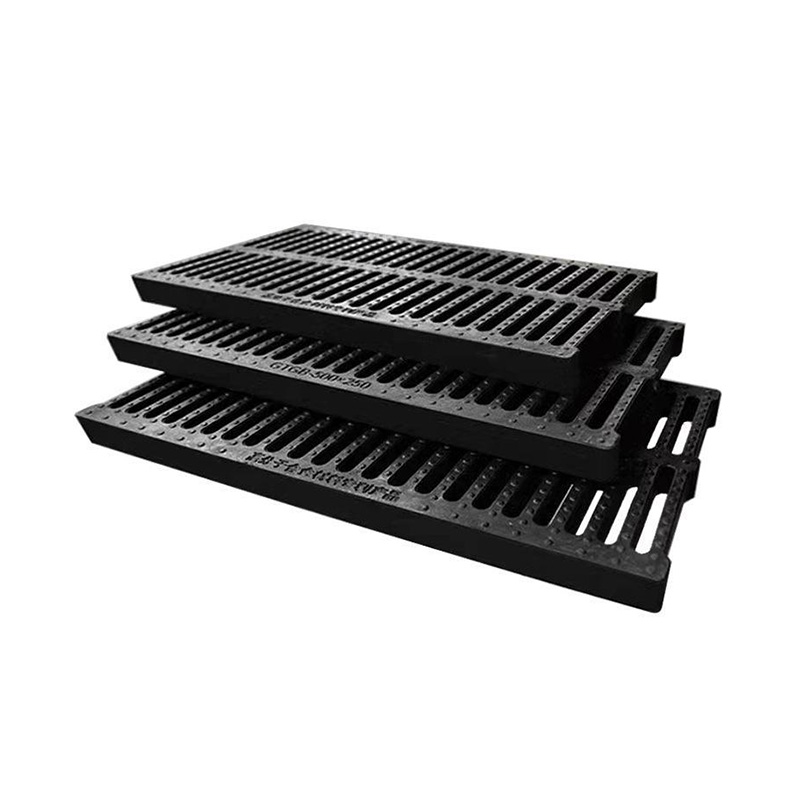
The PE composite plastic trench drainage channel cover plate is a cutting-edge solution designed to effectively manage surface water runoff in va...
See Details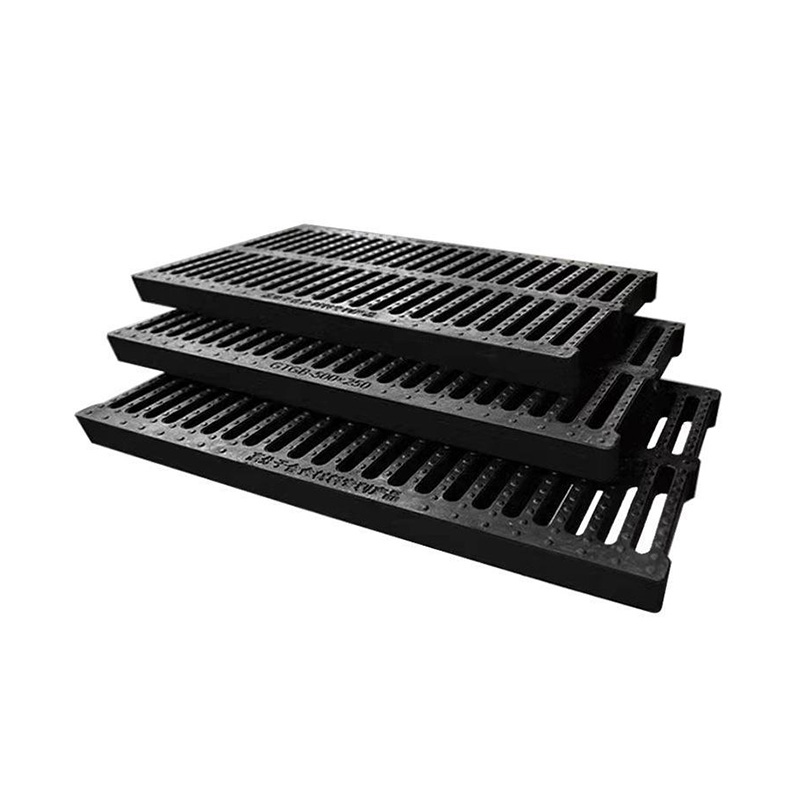
The PE Composite Plastic Drainage Trench Cover for Kitchen Floor Trench is crafted from a composite material combining high-density polyethylene ...
See Details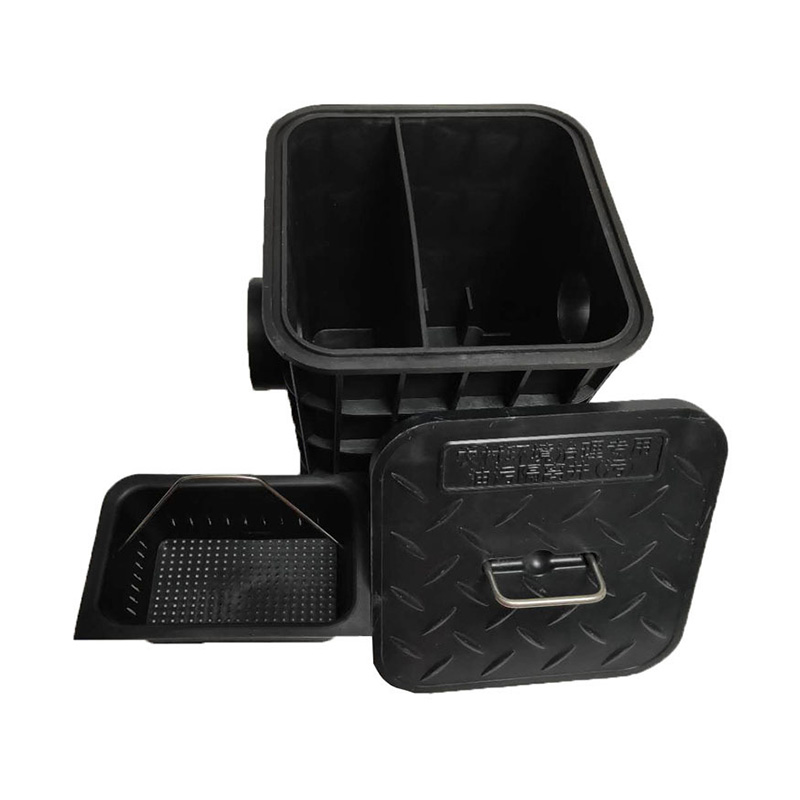
The circular oil separation PE plastic buried oil interceptor underground system is designed to capture and separate oil from water, preventing i...
See Details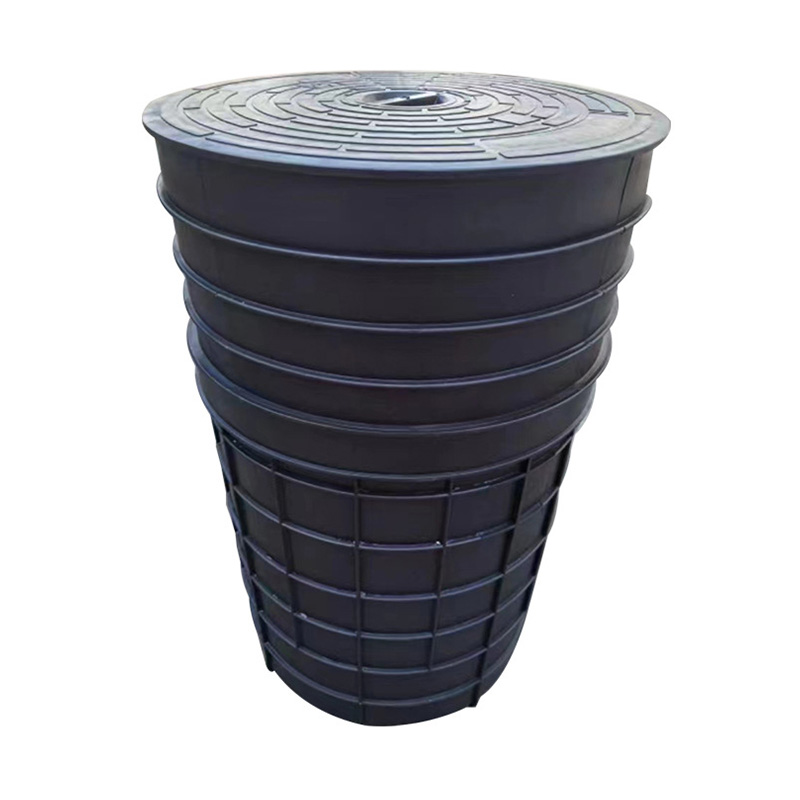
The sedimented sewage discharge plastic water meter box efficiently manages water consumption by facilitating sediment discharge, ensuring accura...
See Details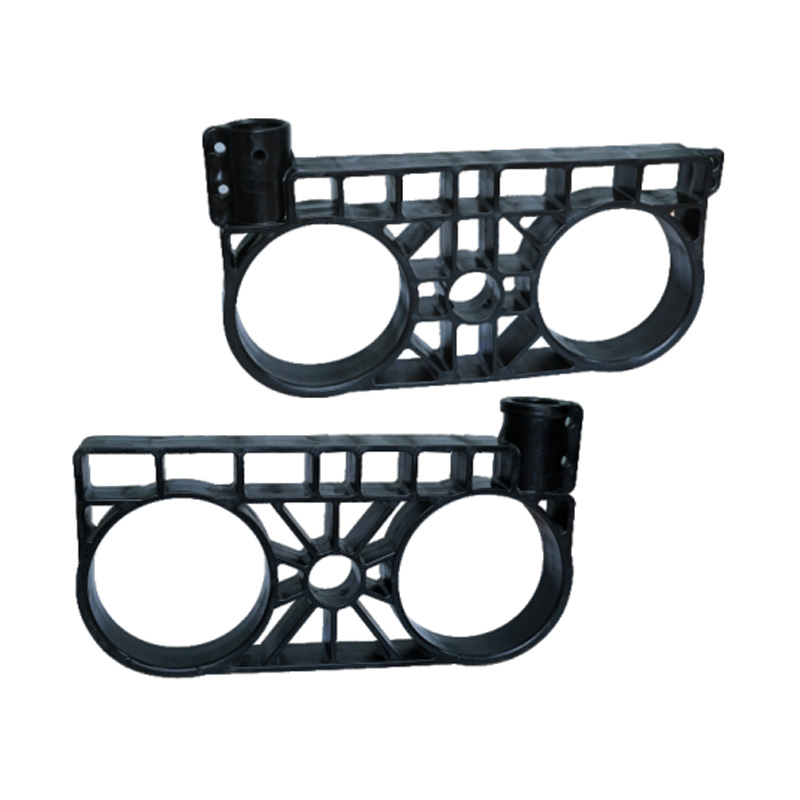
The Recreational Circular Aquaculture Net Cage is characterized by its simple yet effective design, tailored for ease of use and suitability for ...
See Details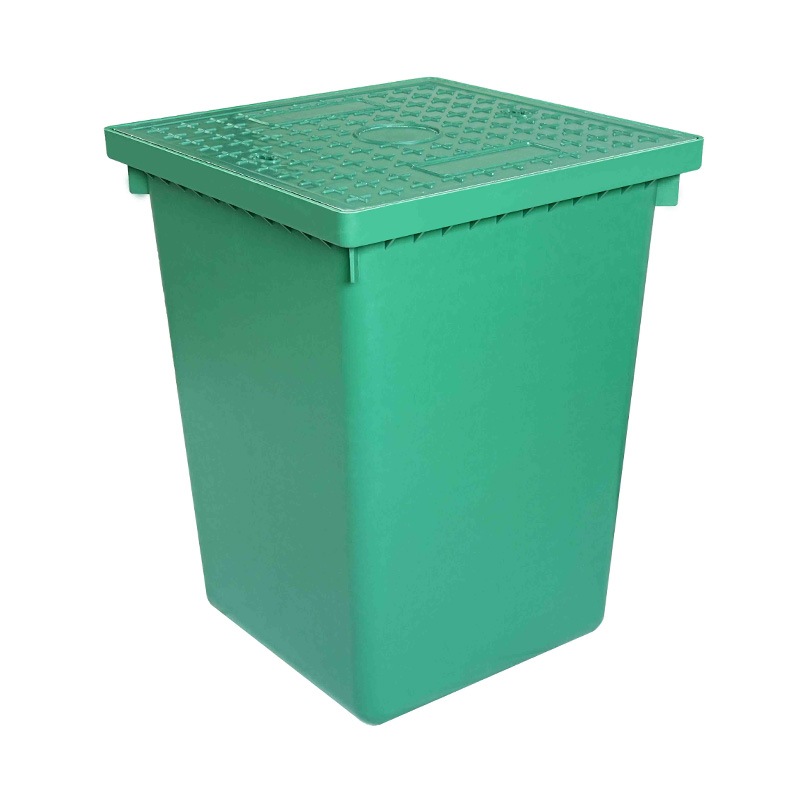
The composite resin square round threaded integrated cable chamber box well is a pipeline facility used in urban roads, squares, residential area...
See DetailsIt would be great to hear from you!

The company independently develops HDPE drainage ditches, cage supports, and reinforced three-format plastic septic tank products, etc.


Phone: +86-13357651618
Tel: +86-0576-82929520
Email: [email protected]
Address: Heyu Industrial Zone, Yuanqiao Town, Huangyan District, Taizhou City, Zhejiang Province, China
Copyright © 2024 Taizhou Weicai Plastic Industry Co., Ltd. All Rights Reserved.

Plastic Drainage System Manufacturer