


 русский
 Español
 عربى
عربىCircular Underground Oil Isolation Well
Cat: Separated Oil Well
Circular buried oil interceptor wells are underground structures designed to intercept, collect, and contain oil pollutants from stormwater runof...
See DetailsAs demand for marine protein resources continues to grow, large-scale offshore farming systems are receiving more attention. The Deep Sea Aquaculture Cage plays an important role in enabling fish production in open water environments, where space and water quality conditions support larger cultivation capacity. In many offshore projects, supporting infrastructure such as the Cable Chamber Box is also used to protect and organize electrical and communication cabling for monitoring and control systems.
Large-scale production systems require stable structures, efficient management methods, and reliable supporting networks to maintain continuous operation in offshore conditions.
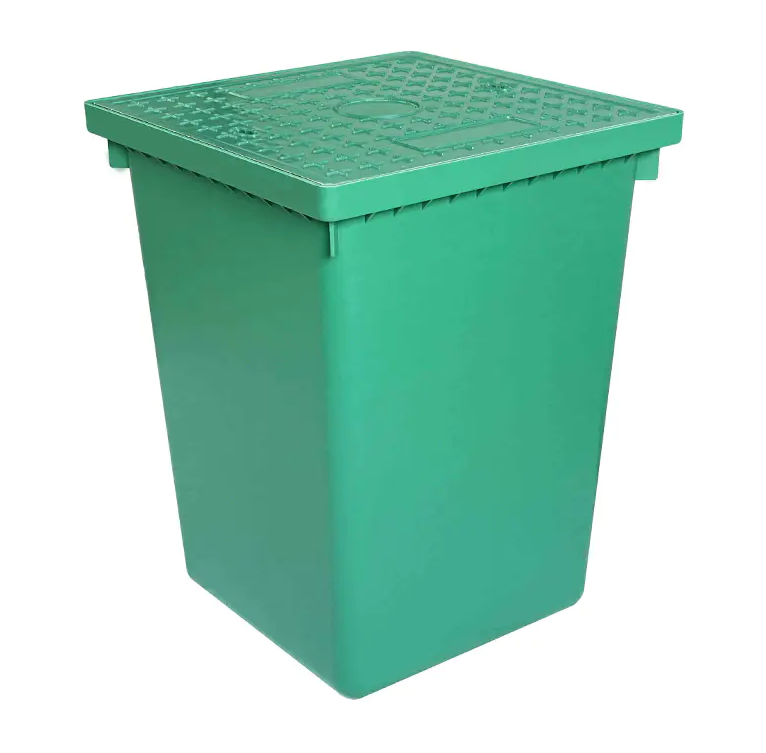
Structural Requirements for Large-Scale Cages
When aquaculture systems expand in size, structural design becomes more complex. The cage must support higher water volume, stronger environmental loads, and increased operational activity.
Engineers focus on reinforcing frame systems, improving load distribution, and optimizing overall stability. Floating ring structures are designed to maintain balance under wave movement, while flexible connectors help reduce stress concentration.
The Deep Sea Aquaculture Cage used in large-scale production must also maintain shape integrity over long periods of exposure to marine forces. This requires careful structural planning and testing before deployment.
Material Selection and Durability Factors
Material performance is a key consideration in offshore cage systems. Large-scale operations increase stress on structural components, making durability essential.
HDPE materials are commonly applied due to resistance to corrosion and flexibility under dynamic conditions. Metal reinforcements may be included in high-stress areas to improve structural strength.
Surface treatment and protective layers are sometimes used to reduce environmental wear. Material decisions are influenced by farming scale, environmental exposure, and maintenance strategy.
Water Environment and Fish Growth Conditions
Large-scale fish production requires stable water exchange and suitable living conditions. Cage design affects water circulation, oxygen distribution, and waste removal.
Proper spacing and structural layout help maintain water flow inside the cage system. This contributes to maintaining stable environmental conditions for fish cultivation.
The design of a Deep Sea Aquaculture Cage must balance structural strength with water permeability to support farming performance.
Monitoring Systems and Operational Support
Modern offshore aquaculture systems often include monitoring equipment to observe environmental conditions and operational performance. Sensors can track parameters such as water quality and system movement.
Communication networks used in these systems require organized cable routing and protection. In shore stations or offshore platforms, a Cable Chamber Box can be used to manage cable connections and reduce exposure to environmental damage.
Data from monitoring systems supports operational decisions, including feeding schedules and maintenance planning.
Feeding Efficiency and Automation
Feeding systems in large-scale aquaculture operations are often automated to improve consistency and reduce manual workload.
Automated feeders can distribute feed based on programmed schedules or environmental feedback. This helps maintain more stable feeding conditions across large cage systems.
When combined with monitoring data, feeding operations can be adjusted according to fish behavior and water conditions.
Mooring Systems for Large Installations
Large offshore cages require strong mooring systems to maintain position under marine forces. These systems are designed according to site-specific conditions such as water depth, seabed type, and wave intensity.
Anchoring systems distribute load across multiple points to improve stability. Engineering design focuses on reducing movement and maintaining cage alignment.
Regular inspection of mooring components is necessary to support long-term operation.
Operational Coordination in Offshore Farms
Large-scale aquaculture systems involve multiple operational components, including cages, feeding equipment, monitoring systems, and communication networks.
Coordination between these systems is important for maintaining stable production. Infrastructure such as the Cable Chamber Box supports reliable cable management, which helps maintain communication between different system parts.
Efficient integration of these components supports smoother farm operation and reduces maintenance complexity.
Development Trends in Large-Scale Aquaculture
Offshore aquaculture continues to move toward larger production capacity and improved system integration. The Deep Sea Aquaculture Cage remains a central structure in this development, supporting high-volume fish farming in marine environments.
Supporting systems, including cable management infrastructure like the Cable Chamber Box, contribute to overall operational stability. Future development is expected to focus on improving structural adaptability, monitoring integration, and system coordination for offshore production environments.
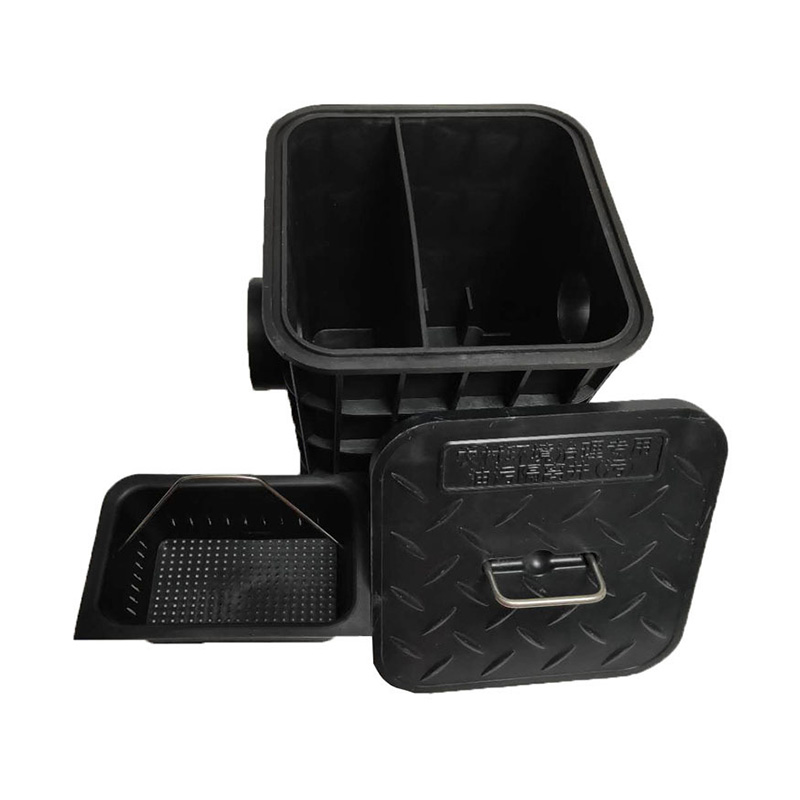
Circular buried oil interceptor wells are underground structures designed to intercept, collect, and contain oil pollutants from stormwater runof...
See Details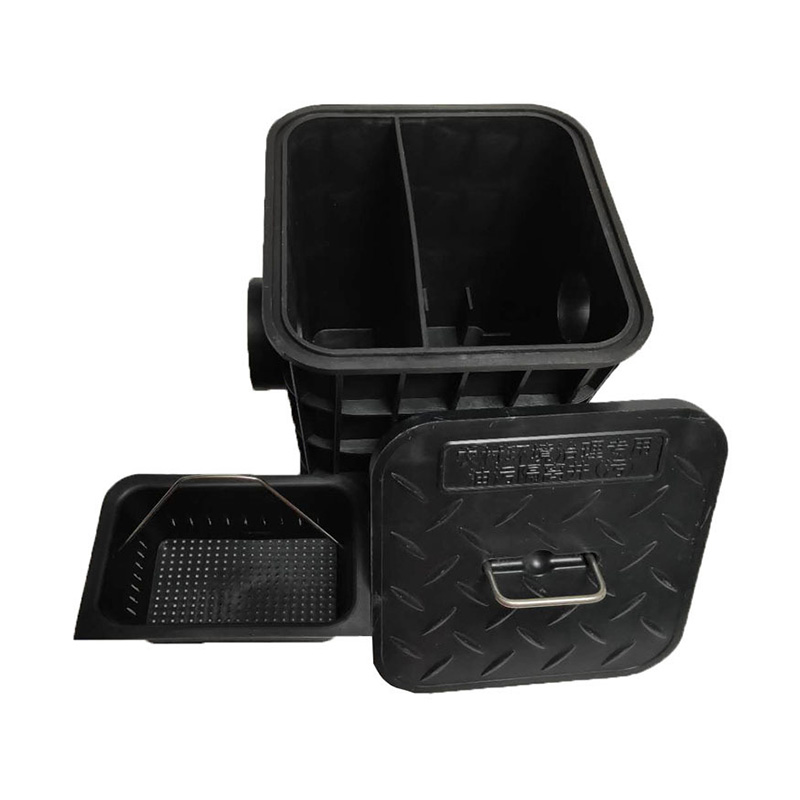
The circular oil separation PE plastic buried oil interceptor underground system is designed to capture and separate oil from water, preventing i...
See Details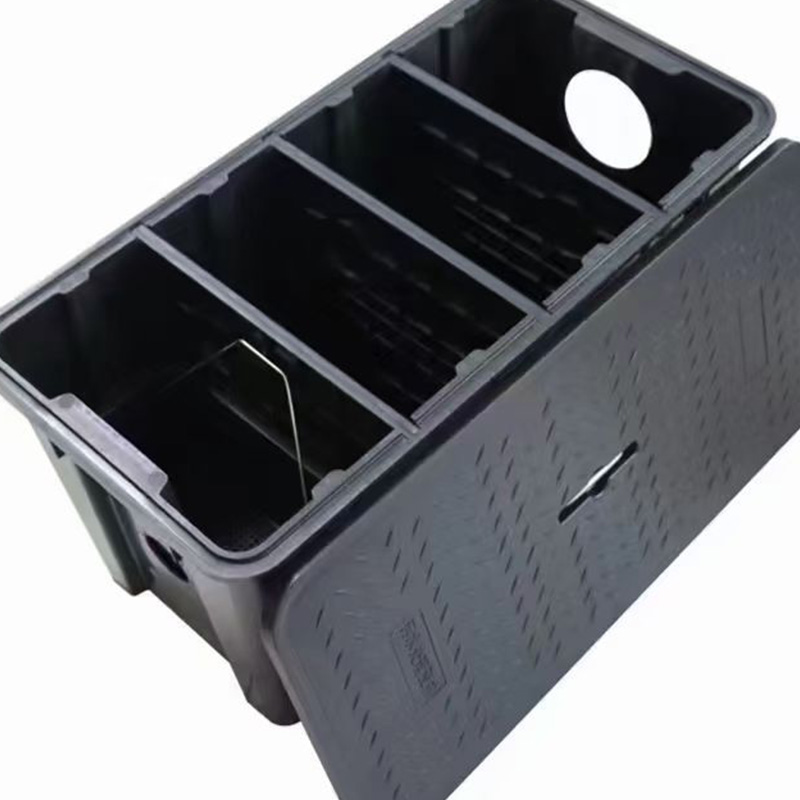
The PE plastic water seal well grease trap with grating is an exceptional wastewater treatment. Crafted from durable polyethylene, it offers pred...
See Details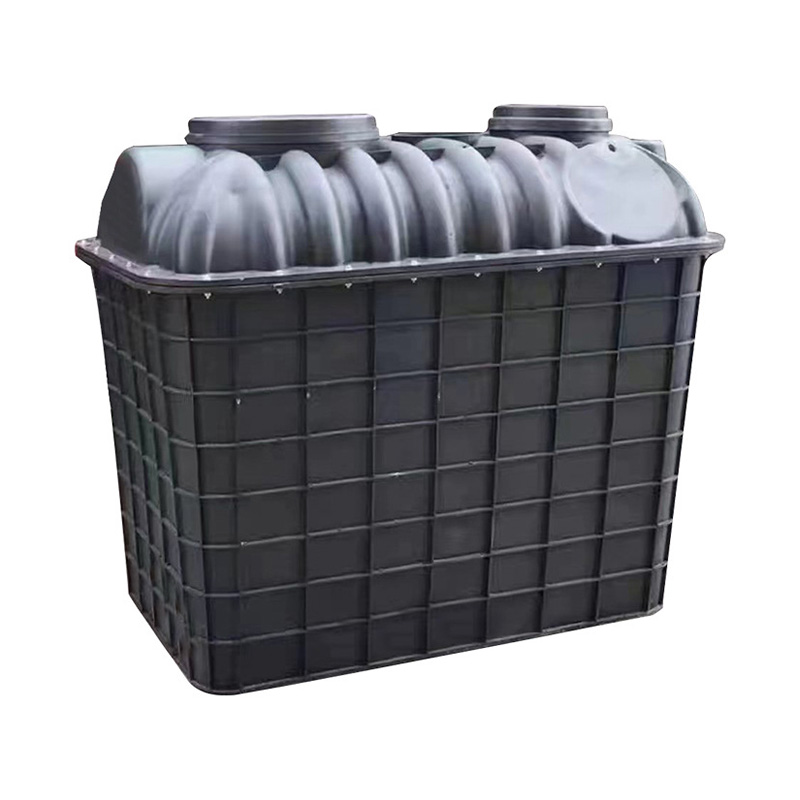
The balcony roof rainwater and sewage separator is a crucial component in urban water management systems, designed to effectively separate rainwa...
See Details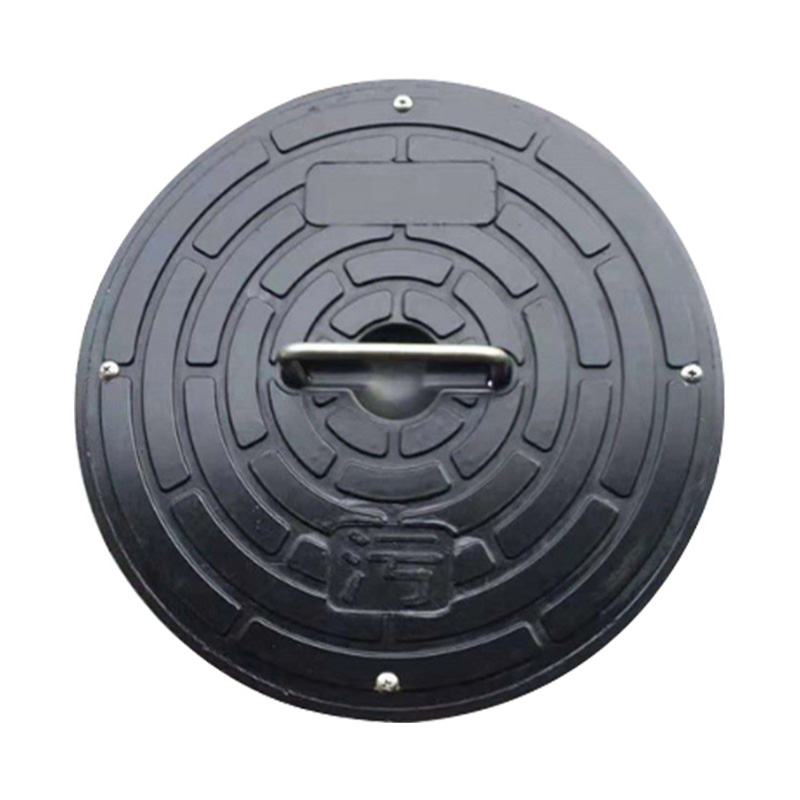
The PE plastic circular composite sewage manhole cover represents an innovative solution designed to enhance the durability, safety, and efficien...
See Details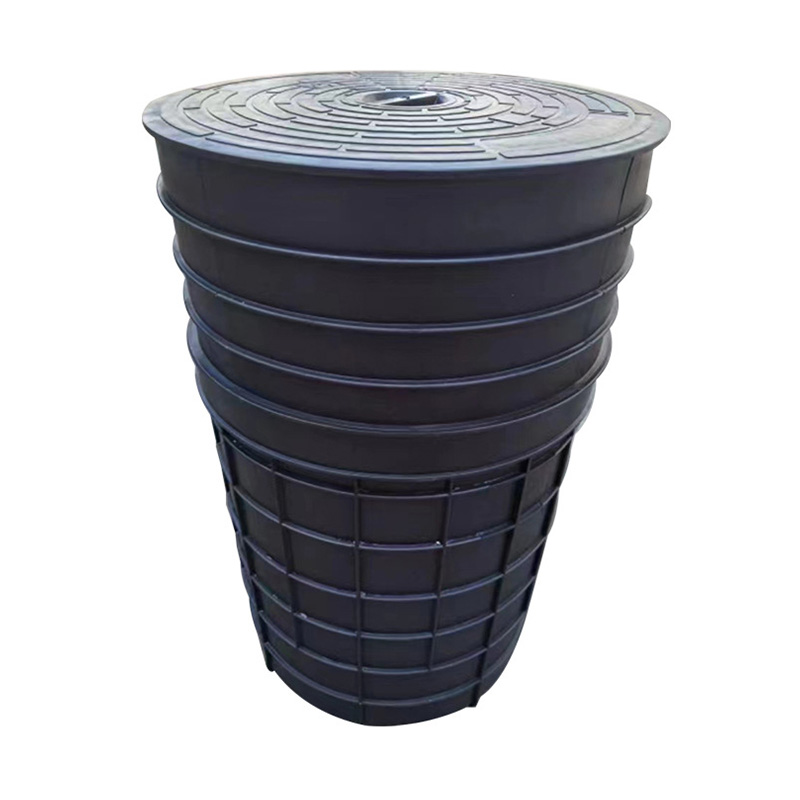
The sedimented sewage discharge plastic water meter box efficiently manages water consumption by facilitating sediment discharge, ensuring accura...
See DetailsIt would be great to hear from you!

The company independently develops HDPE drainage ditches, cage supports, and reinforced three-format plastic septic tank products, etc.


Phone: +86-13357651618
Tel: +86-0576-82929520
Email: [email protected]
Address: Heyu Industrial Zone, Yuanqiao Town, Huangyan District, Taizhou City, Zhejiang Province, China
Copyright © 2024 Taizhou Weicai Plastic Industry Co., Ltd. All Rights Reserved.

Plastic Drainage System Manufacturer