


 русский
 Español
 عربى
عربىU-Shaped PE Farmland Trough Linear Plastic Drainage Ditch
Cat: Plastic Drain Channel
The U-shaped PE farm field linear plastic drainage ditch is a revolutionary solution designed to address the drainage needs of agricultural land....
See DetailsA Cable Chamber Box has a simple job: provide a protected and accessible point for underground cables, joints, and connections. Yet on active telecom and utility projects, a poorly selected chamber can create installation delays, difficult maintenance work, and unnecessary excavation later. As underground fiber networks continue to expand across residential areas, commercial sites, and data-center connections, buyers are paying closer attention to chamber structure, access, drainage, and installation compatibility.
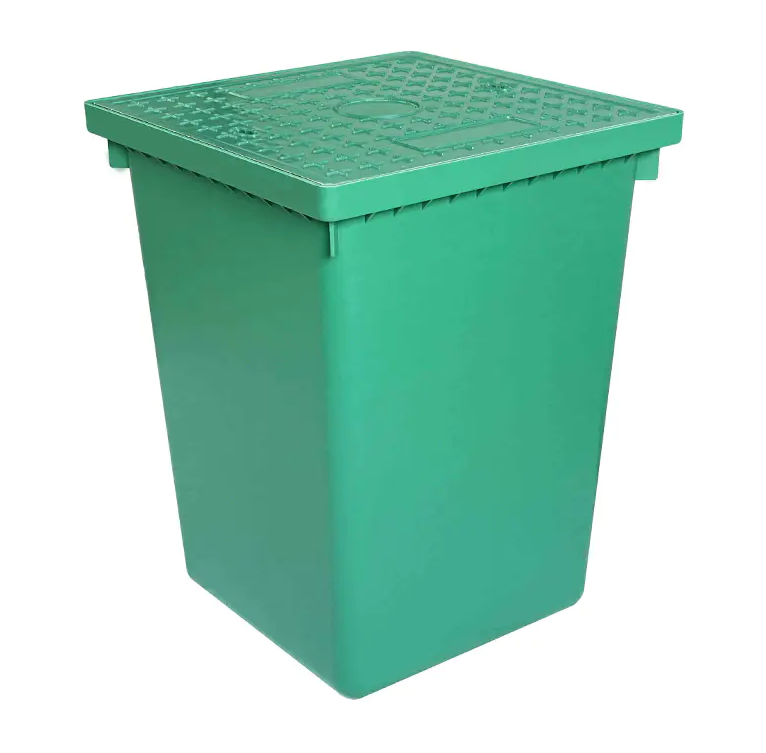
Access Matters More After Installation
The chamber may receive little attention once the road or pavement is restored, but technicians still need practical access during cable inspection, repair, and network expansion. A suitable cable chamber should provide enough internal working space for the intended cable arrangement without making the external footprint unnecessarily large.
For engineering teams, the useful details include:
These details can make routine maintenance much easier, especially where several cables share the same underground route.
Material Selection Affects Site Performance
Underground chambers face conditions that are very different from indoor cable enclosures. Soil pressure, moisture, temperature changes, traffic loads, and repeated opening of the cover can all affect service life.
For this reason, procurement teams should consider the chamber material together with the installation environment. Polymer-based chambers, concrete structures, and composite designs can each serve different project requirements. The decision should be based on loading conditions, installation depth, local regulations, expected exposure, and handling requirements rather than material preference alone.
For projects using a plastic cable chamber box, resistance to moisture and practical handling can also be important during installation in residential or roadside applications.
Cable Entry Design Reduces Installation Trouble
Cable entry points are easy to overlook during purchasing, yet they directly affect installation quality. Poorly positioned openings can force installers to create awkward bends or leave insufficient room around cables.
A practical underground cable chamber should allow cables and conduits to enter and leave in an organized way. Smooth edges help reduce unnecessary contact with cable jackets, while suitable entry locations make routing easier when several conduits approach the same chamber.
This becomes particularly useful in fiber projects where installation teams may need to manage existing lines together with newly deployed ducts.
Drainage Should Be Considered Early
Water is one of the everyday problems associated with underground infrastructure. Rainwater, groundwater, and condensation can enter a chamber through covers, joints, or cable openings depending on the site.
Instead of treating drainage as an afterthought, engineers can evaluate the surrounding soil, groundwater conditions, chamber depth, and local drainage arrangement during the design stage. Cover fit, sealing details, internal layout, and drainage provisions should work together with the site construction method.
A chamber designed around the actual environment is easier to maintain than one selected only by external dimensions.
Future Expansion Changes the Buying Decision
Underground networks are rarely static. New fiber routes, additional service connections, and network upgrades may require technicians to reopen existing access points years after the original installation.
Choosing a chamber with practical spare capacity can therefore reduce future excavation work. Procurement specifications can include the expected number of cables, conduit sizes, bend requirements, jointing space, and possible expansion routes.
This approach is particularly relevant to broadband and data-center connectivity projects, where underground fiber routes are being extended to support growing network demand.
Installation Details Deserve the Same Attention
A good chamber can still perform poorly if installation is inconsistent. The surrounding base should provide suitable support, while backfilling needs to be completed according to the project requirements. The chamber should remain correctly positioned and level after surrounding material is compacted.
Project teams should also confirm cover loading requirements, installation depth, cable entry configuration, and compatibility with existing ducts before placing an order. These checks help prevent the common situation where a product technically fits the specification but creates additional work on site.
Procurement Starts With the Application
For buyers comparing underground cable access solutions, the practical starting point is the application rather than a product name. Roadside telecom projects, residential fiber deployment, industrial facilities, and data-center connections can require different chamber configurations.
A well-matched Cable Chamber Box provides protected cable access while keeping installation and future maintenance practical. By reviewing material, loading, dimensions, drainage, cable entry, and expansion space together, procurement teams can select an underground enclosure that fits the actual working conditions instead of creating problems after installation.
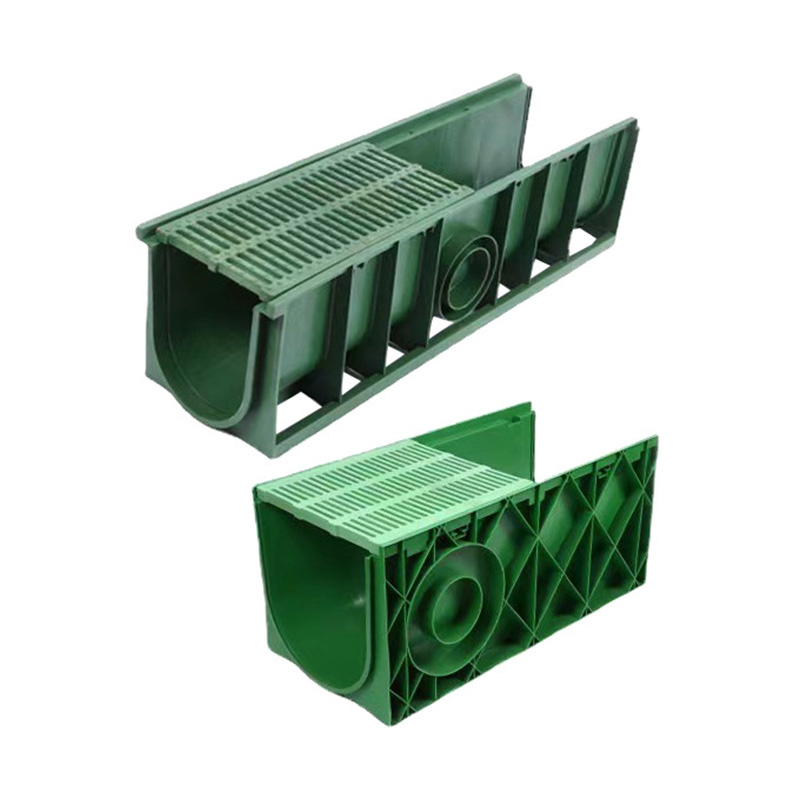
The U-shaped PE farm field linear plastic drainage ditch is a revolutionary solution designed to address the drainage needs of agricultural land....
See Details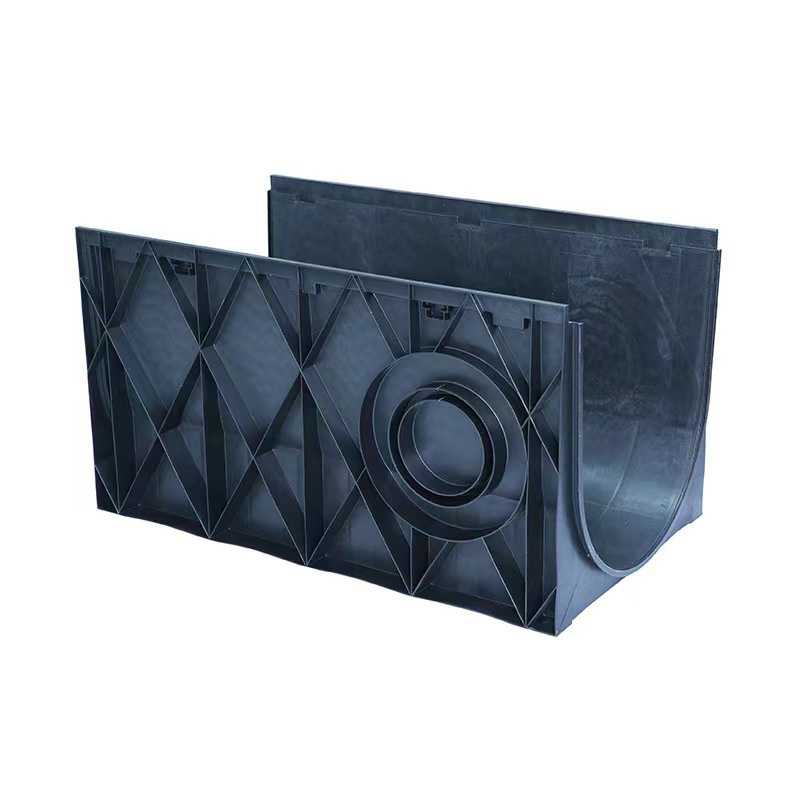
The composite resin linear gap-type PE trench grating U-shaped channel drain represents a significant advancement in drainage technology, particu...
See Details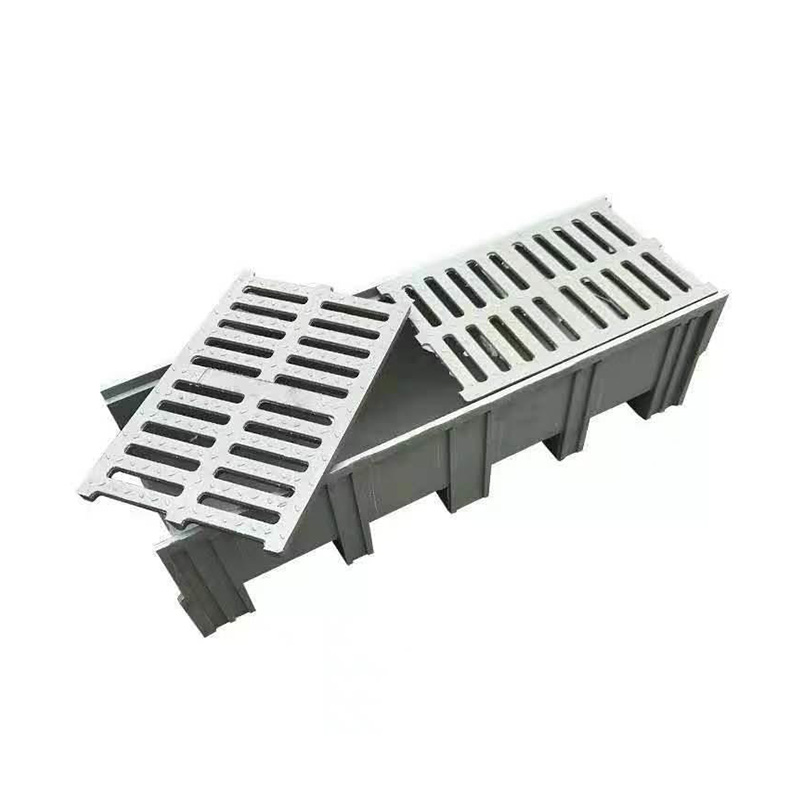
The U-shaped resin gap-type trench linear drainage ditch is characterized by its unique design, which optimizes water flow and sediment removal. ...
See Details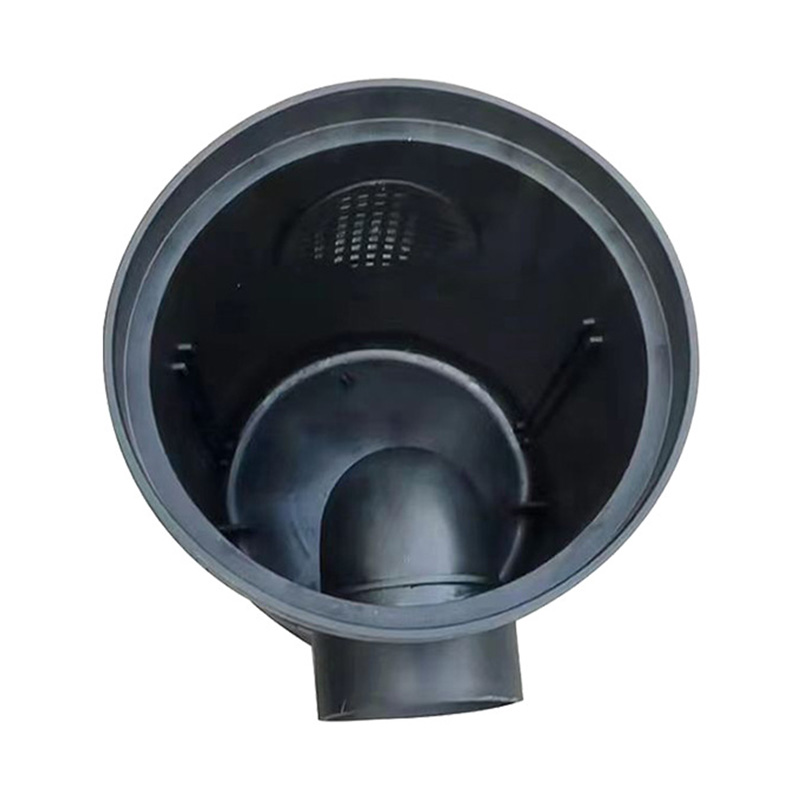
The buried plastic sewage isolation chamber is a fundamental component in wastewater management systems, particularly in urban and suburban envir...
See Details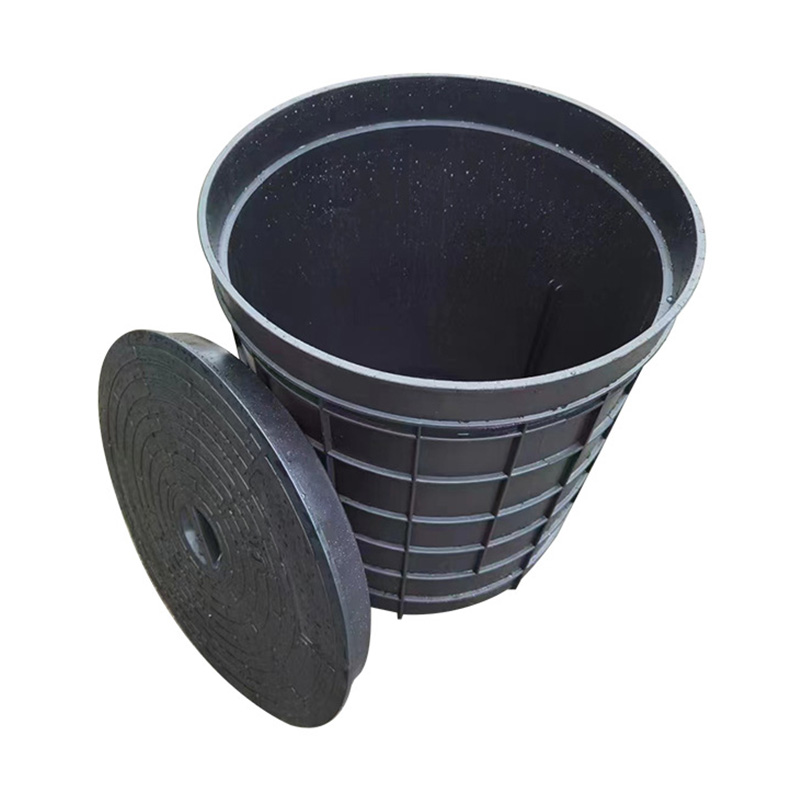
Drainage and sewage plastic water meter box is a container used to install equipment such as water meters, pipes and valves. It is usually used i...
See Details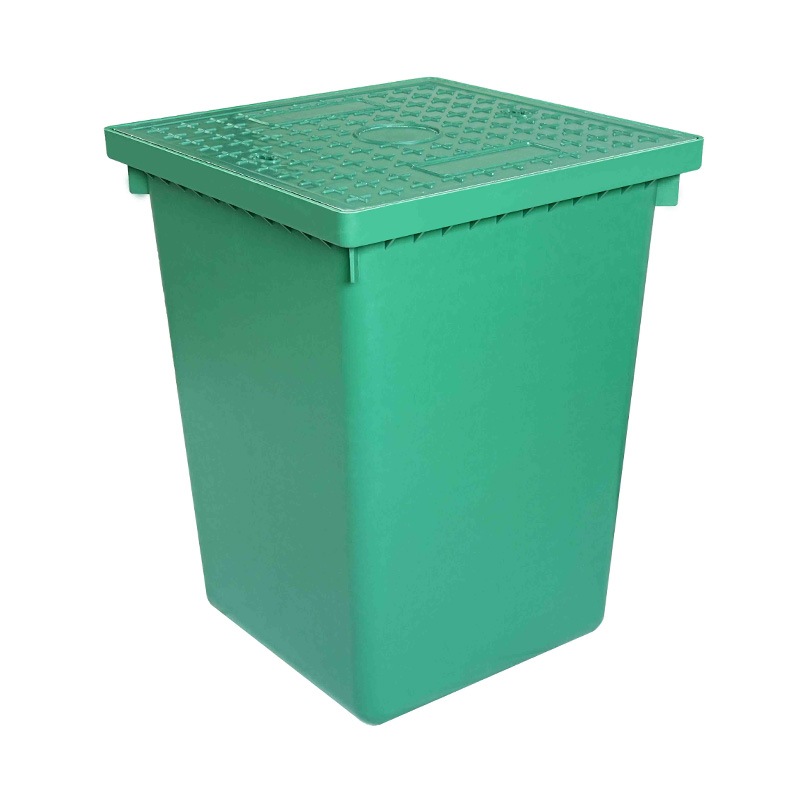
The composite resin square round threaded integrated cable chamber box well is a pipeline facility used in urban roads, squares, residential area...
See DetailsIt would be great to hear from you!

The company independently develops HDPE drainage ditches, cage supports, and reinforced three-format plastic septic tank products, etc.


Phone: +86-13357651618
Tel: +86-0576-82929520
Email: [email protected]
Address: Heyu Industrial Zone, Yuanqiao Town, Huangyan District, Taizhou City, Zhejiang Province, China
Copyright © 2024 Taizhou Weicai Plastic Industry Co., Ltd. All Rights Reserved.

Plastic Drainage System Manufacturer