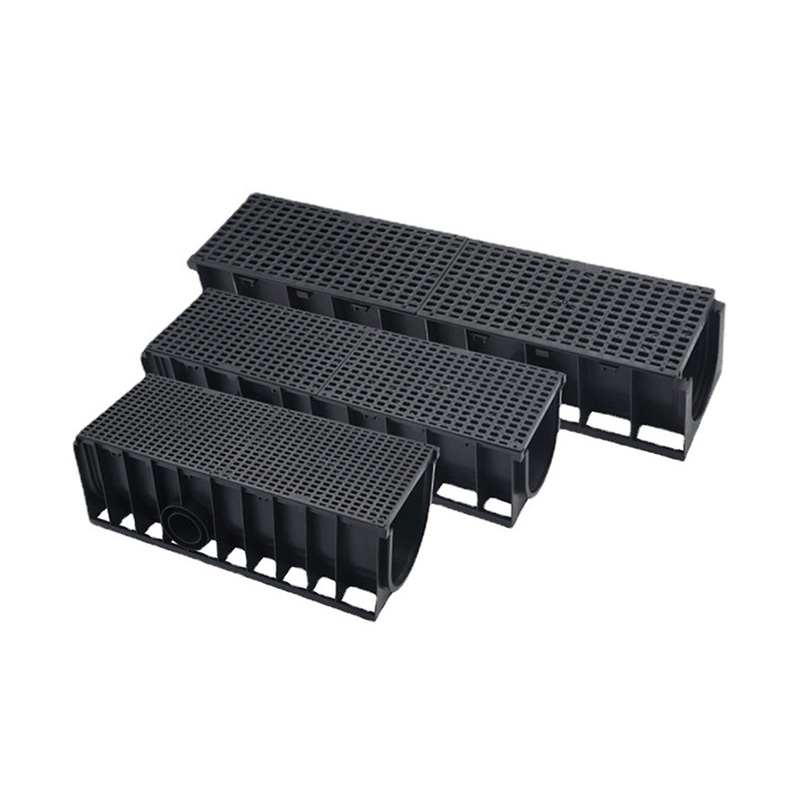
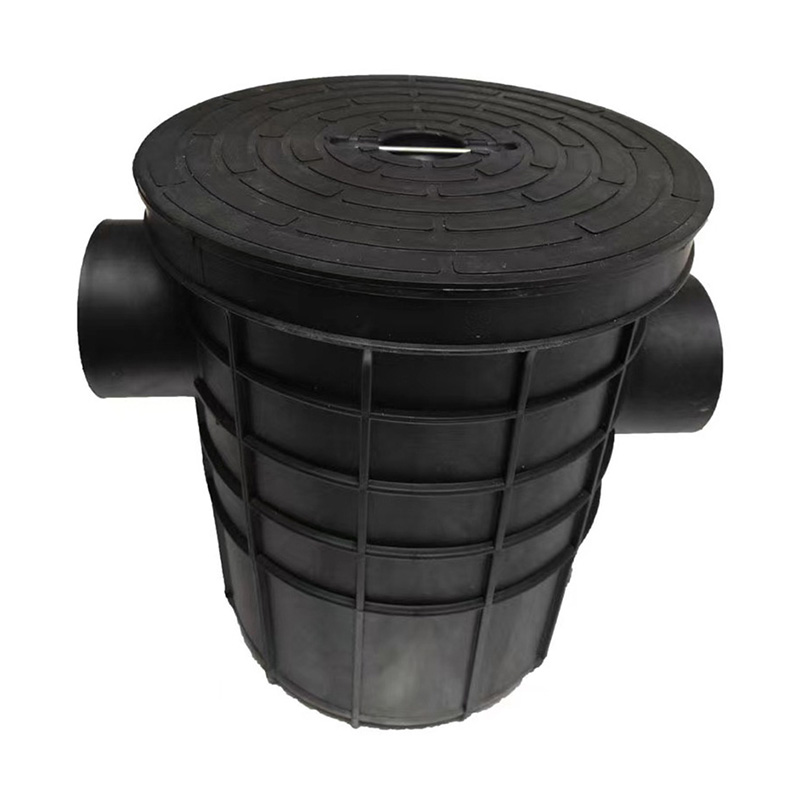
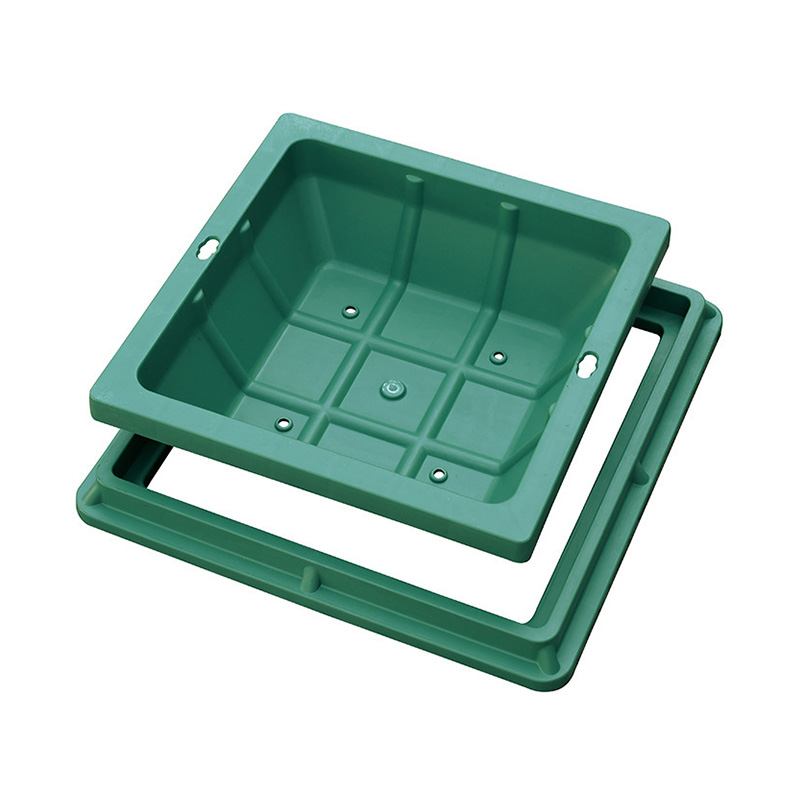
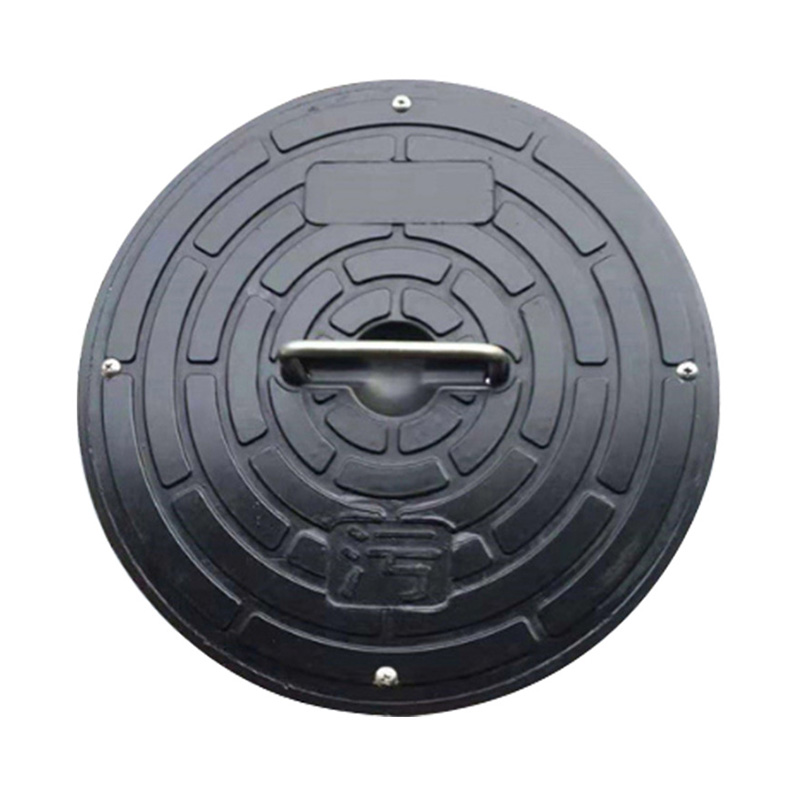
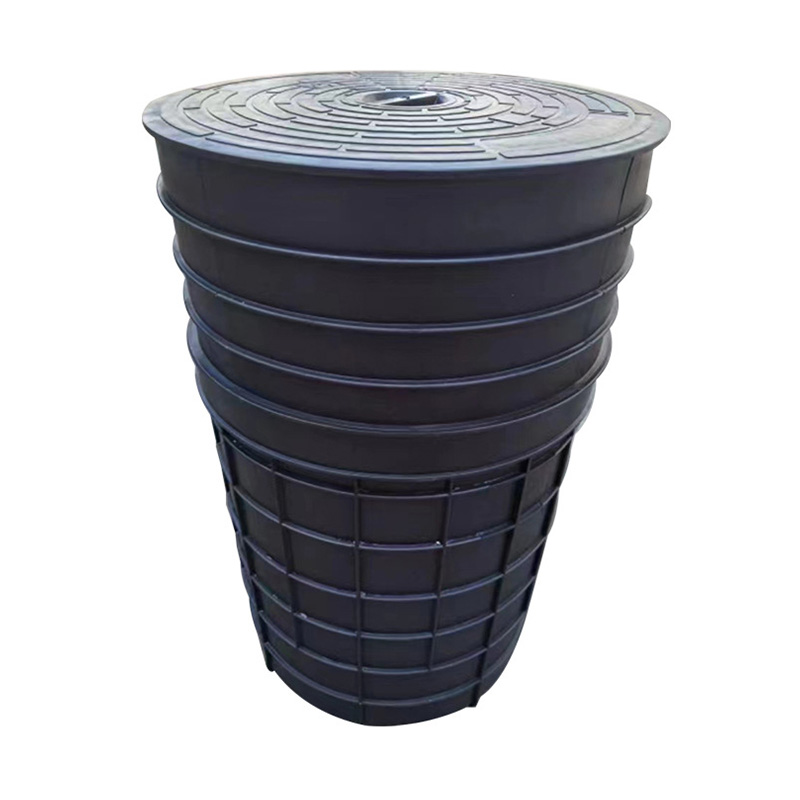
A Cable Chamber Box may look like a small part of an underground network, but its design can affect how easily cables are installed, inspected, repaired, and extended later. With fiber construction moving through residential streets, commercial areas, and data-center corridors, installation crews are working around existing utilities and limited road space. A well-planned chamber gives cables a practical access point without adding unnecessary complications to the job.

Keep Cable Routing Practical
Underground cable work becomes frustrating when the chamber leaves too little room for routing or jointing. Engineers should look beyond the external dimensions and check the usable internal space.
A practical layout should allow technicians to:
- Guide cables without sharp or forced bends
- Arrange incoming and outgoing ducts clearly
- Leave working room around joints and connections
- Identify individual cable routes during maintenance
This is especially useful for fiber projects where several ducts may reach the same access point.
Match the Chamber to the Installation Site
A chamber installed beside a residential sidewalk does not necessarily face the same conditions as one placed near an industrial road. Soil conditions, installation depth, traffic exposure, drainage, and surrounding structures all influence the appropriate chamber specification.
For procurement teams, checking these conditions before ordering can prevent a common problem: selecting a chamber based mainly on size or price and discovering later that its construction does not suit the actual site.
A plastic cable chamber box can be practical for applications where manageable weight, corrosion resistance, and straightforward handling are important, while other installations may call for different structural solutions.
Make Cable Entry Easier for Crews
Cable entry points deserve close attention because they directly influence the installation process. Poorly positioned openings can create unnecessary cable bends, difficult duct alignment, or crowded working areas.
A useful underground chamber should provide a clean transition between ducts and cables. Smooth entry areas can help protect cable jackets during installation, while a sensible opening arrangement gives workers more freedom when routing multiple lines.
This becomes increasingly relevant as contractors use different construction methods, including trenching, directional boring, and microtrenching, across the same network program. Current fiber projects continue to combine these methods according to local site conditions.
Plan Around Water and Ground Conditions
Moisture is an everyday concern for underground equipment. A chamber can be exposed to rainwater, groundwater, wet soil, or water entering through surrounding construction layers.
Instead of relying on the chamber alone to solve drainage problems, the complete installation should be considered. Site drainage, chamber positioning, cover fit, cable openings, and surrounding backfill all influence the result.
Before purchasing an underground cable chamber, project teams can review:
- Expected groundwater exposure
- Local rainfall and drainage conditions
- Installation depth
- Surrounding soil characteristics
- Required sealing or drainage arrangements
This simple assessment can reduce maintenance problems after the surface has been restored.
Leave Room for Network Changes
Fiber networks often grow after the original construction is finished. A route that initially carries a limited number of cables may later require additional ducts, replacement lines, or new connections.
That makes future access worth considering during the initial procurement stage. A chamber with practical working space can make later cable handling easier without requiring a completely new excavation point.
This matters in areas connected to data centers and expanding broadband networks, where underground communications construction remains an active market.
Reduce Unnecessary Work on Site
Installation efficiency is not only about how quickly a crew can place the chamber. It also depends on how much adjustment is required after placement.
Correct dimensions, suitable cable openings, manageable handling, and stable positioning can help crews spend less time modifying the installation. Clear product specifications are equally important because engineers can prepare the excavation and duct arrangement before materials arrive.
For larger projects, consistent chamber configurations can also make installation procedures easier to repeat across multiple locations.
Think Beyond the Initial Installation
The real value of an underground access chamber becomes clearer when maintenance starts. Technicians may need to inspect cable joints, trace a route, replace damaged sections, or add another connection without disturbing a large area of finished pavement.
A properly selected Cable Chamber Box provides a practical balance between protection, accessibility, installation convenience, and future cable work. For overseas procurement teams, evaluating the chamber according to actual site conditions and cable requirements can turn a small component into a much more useful part of the overall fiber installation.



 русский
 Español
 عربى
عربى