


 русский
 Español
 عربى
عربىHDPE Plastic Linear Gap Gutter Cover
Cat: Drain Channel Cover
The HDPE plastic linear gap drainage channel cover plate offers a revolutionary solution for efficient surface water runoff management. Made from...
See DetailsA Cable Chamber Box can make a noticeable difference when underground fiber has to be installed along busy streets, narrow sidewalks, or developed commercial areas. As contractors increasingly use microtrenching and directional drilling to reduce surface disruption, the small access points along a cable route also need careful planning. A chamber that is easy to position, route cables through, and reopen later can save unnecessary work when the network needs attention.
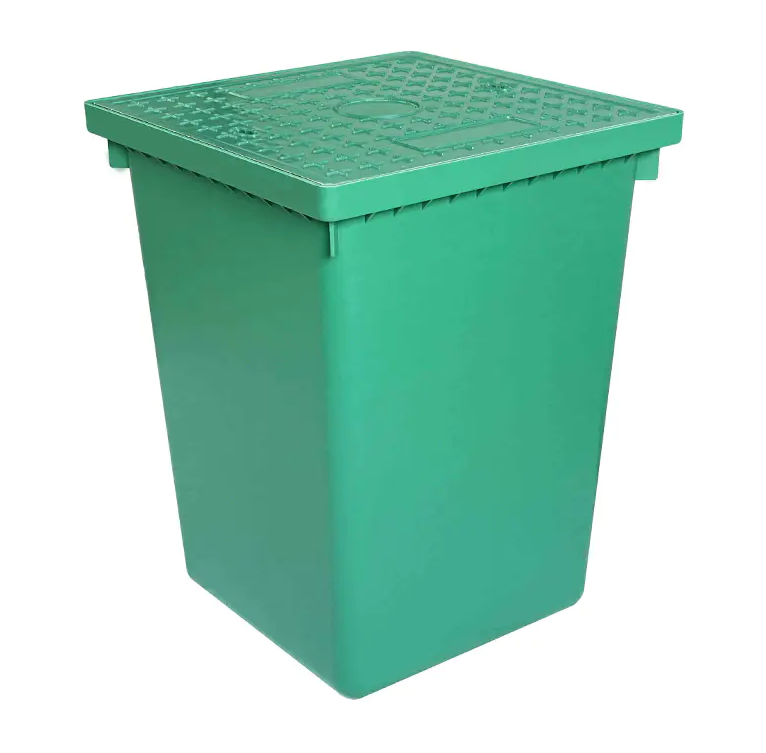
Urban fiber projects rarely offer unlimited room. Existing utilities, paving, drainage systems, and property boundaries can all restrict where an access chamber can be placed. This makes the chamber dimensions more important than simply choosing a larger enclosure.
Before procurement, engineers can check:
A compact design can be useful in restricted locations, provided it still leaves enough room for practical cable handling.
Cable arrangement becomes difficult when several conduits enter from different directions. Tight bends, crossed cables, and crowded joints can slow down installation and make later inspection less convenient.
A well-planned underground cable chamber should provide sensible entry points and enough internal space for cables to be guided naturally. Smooth edges around cable openings are also worth considering because installers regularly handle fiber and conduit during pulling, splicing, and maintenance.
For projects using a fiber optic cable chamber, the internal layout should match the cable routing plan rather than being treated as an isolated component.
Microtrenching has become a practical option for some fiber projects because it can reduce surface disruption compared with conventional open trenching. This construction approach also makes access planning important. When a narrow route has already been restored, reopening a poorly positioned access point can create avoidable disruption.
Placing chambers where technicians can reach them without interfering with surrounding pavement, driveways, or other utilities makes the completed network easier to work on.
An underground chamber lives in a completely different environment from an indoor enclosure. Wet soil, rainfall, groundwater, and surface runoff can all affect the installation.
Instead of looking only at whether a chamber is described as waterproof or weather resistant, project teams should examine the complete site arrangement. Chamber depth, cover fit, cable entry points, surrounding drainage, and backfill conditions all contribute to how the installation handles moisture.
This is particularly relevant for roadside fiber routes where drainage conditions can vary considerably from one section of the network to another.
A newly installed network may not remain unchanged for long. Additional subscribers, network upgrades, replacement ducts, or new service routes can increase the amount of cable passing through an existing access point.
Leaving practical working space inside the chamber can make future modifications easier. Procurement specifications can therefore consider both current cable requirements and possible expansion rather than selecting dimensions based only on the initial installation.
This approach is useful for telecom contractors working on phased fiber deployment, where the same underground route may be revisited as coverage expands.
The real test of an underground chamber often comes months or years after installation. A technician may need to inspect a joint, identify a cable, replace a section, or introduce another connection.
If the chamber is difficult to open or leaves little room for hands and tools, a small repair can become a larger site operation. A practical cover, usable internal clearance, organized cable entries, and stable installation position can make routine maintenance much easier.
For procurement teams, the useful comparison is not simply chamber size or material. A better evaluation looks at how the product fits the entire installation process.
Key points include:
When these factors are considered together, a Cable Chamber Box becomes more than an underground enclosure. It provides a practical access point that supports cleaner installation, easier maintenance, and more flexible fiber network development.
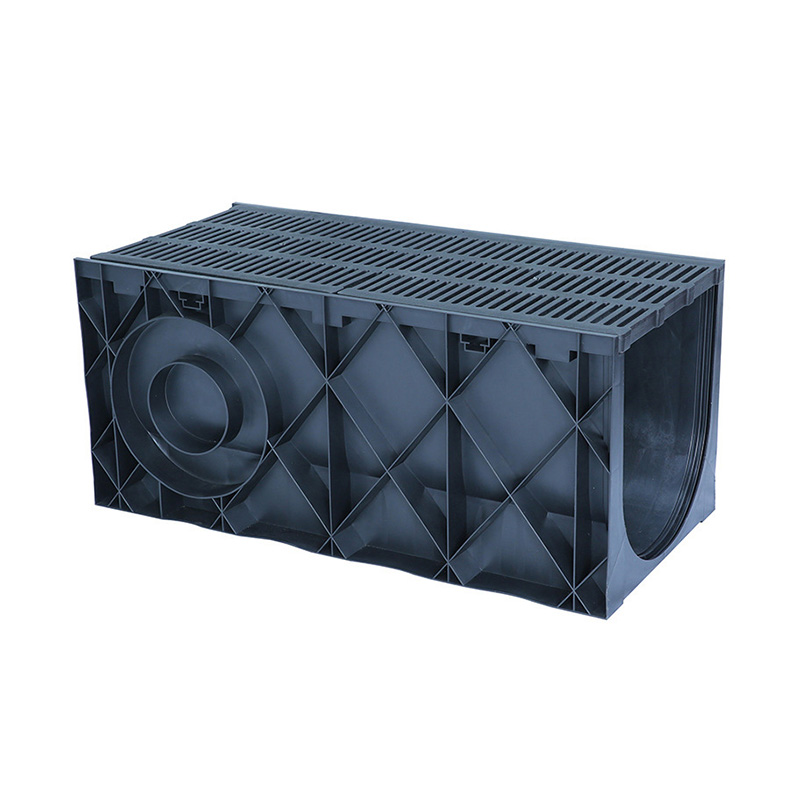
The HDPE plastic linear gap drainage channel cover plate offers a revolutionary solution for efficient surface water runoff management. Made from...
See Details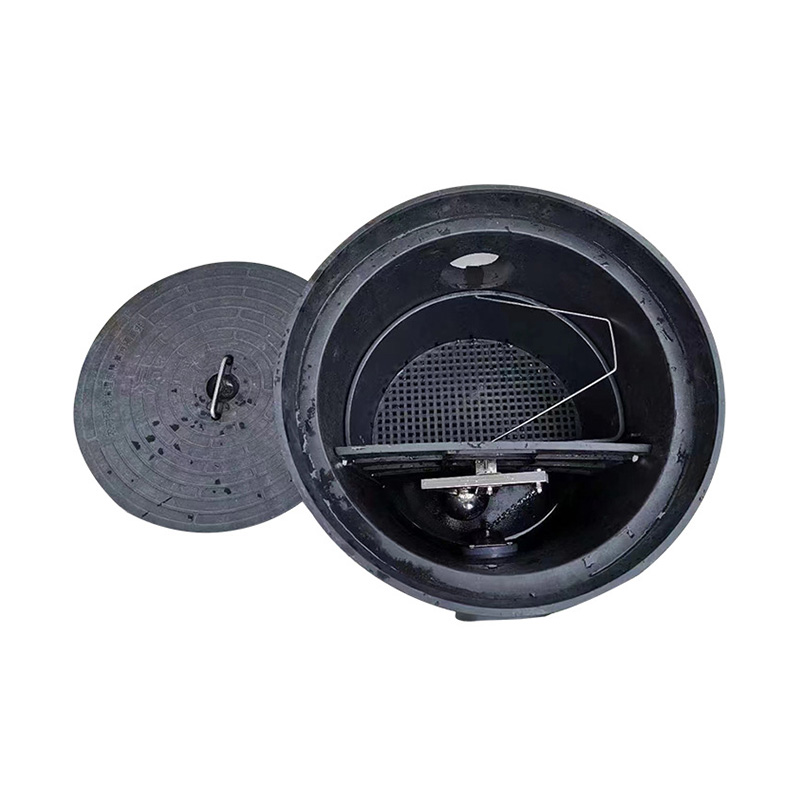
Balcony and roof rainwater pollution separators are devices installed on balconies, rooftops, or other outdoor areas to intercept and treat rainw...
See Details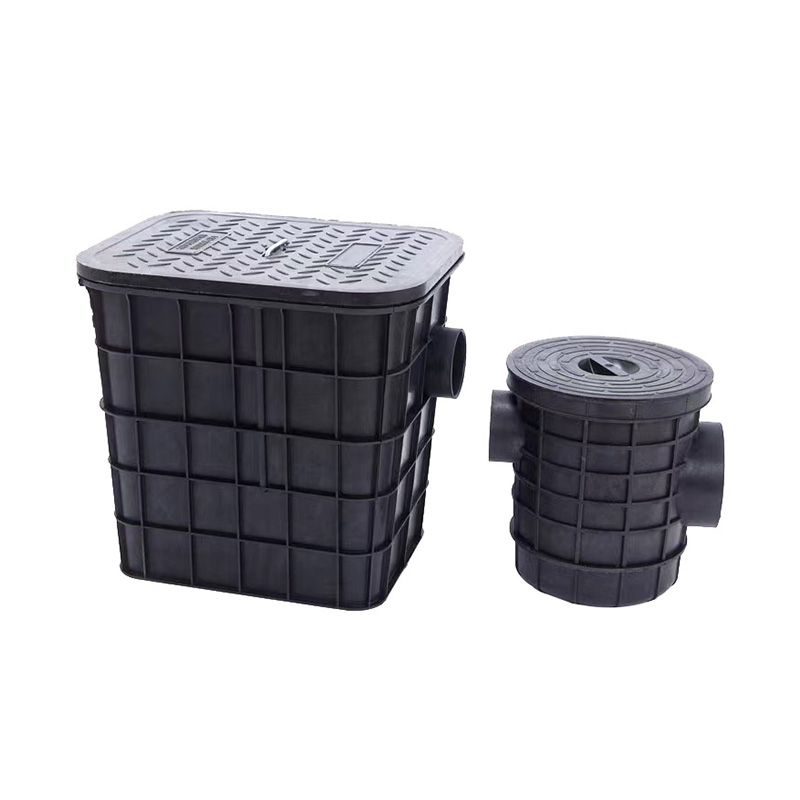
HDPE (High-Density Polyethylene) buried triple compartment plastic wastewater grease traps offer a modern and effective to intercept, separate, a...
See Details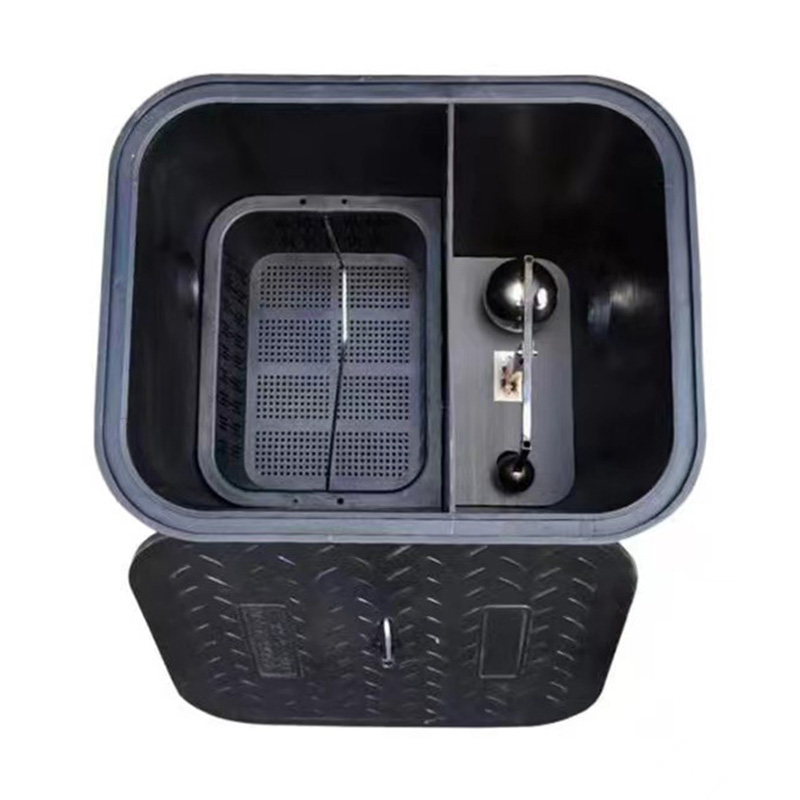
Balcony and roof rainwater diverters are devices installed on balconies, rooftops, or other outdoor areas to redirect rainwater runoff away from ...
See Details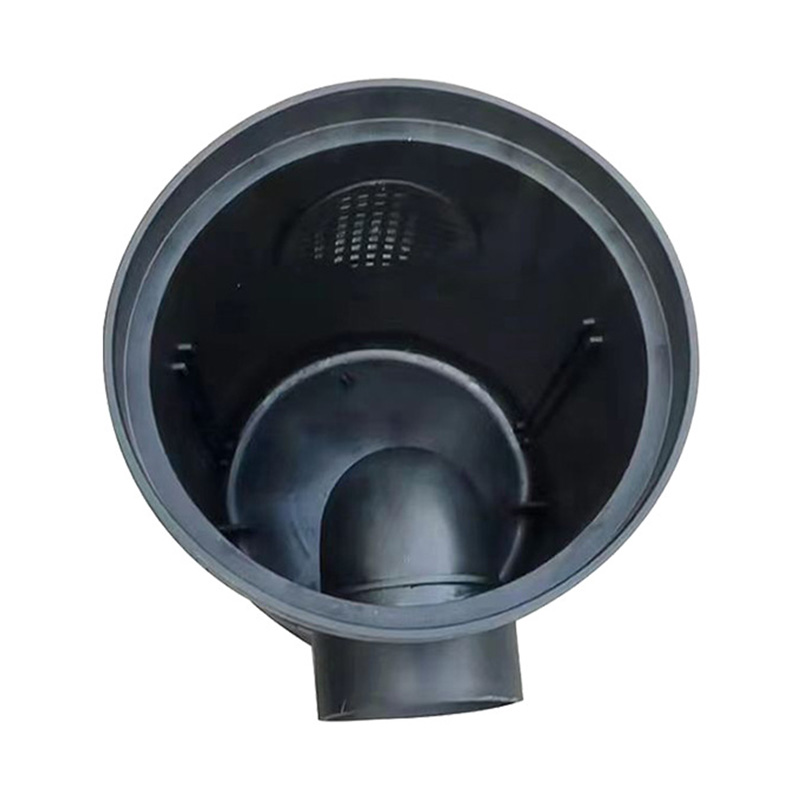
The buried plastic sewage isolation chamber is a fundamental component in wastewater management systems, particularly in urban and suburban envir...
See Details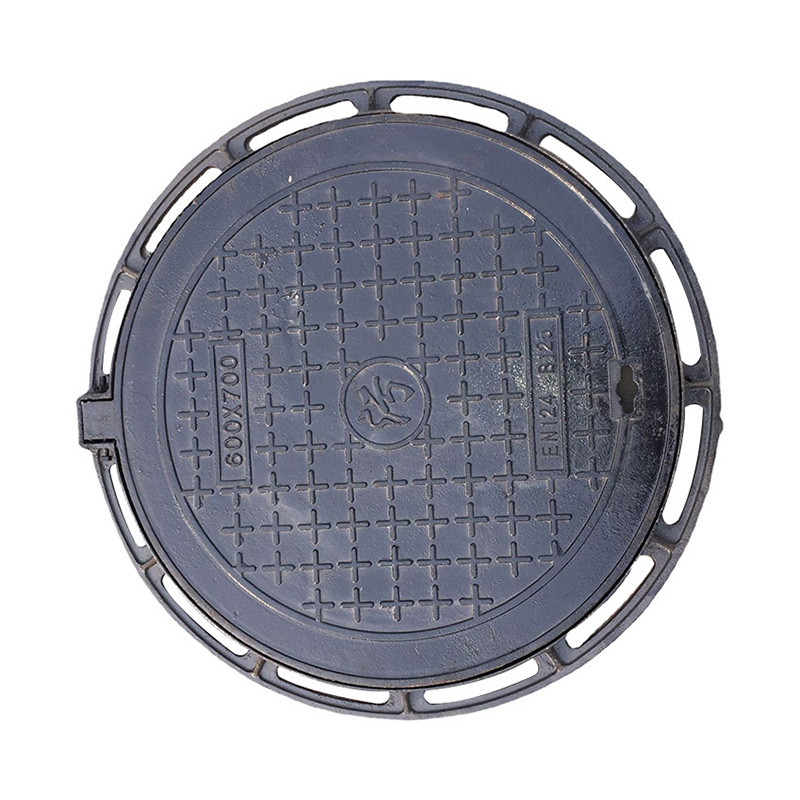
The management of public roads and utilities is critical for ensuring safety, efficiency, and convenience for residents and commuters. Heavy-duty...
See DetailsIt would be great to hear from you!

The company independently develops HDPE drainage ditches, cage supports, and reinforced three-format plastic septic tank products, etc.


Phone: +86-13357651618
Tel: +86-0576-82929520
Email: [email protected]
Address: Heyu Industrial Zone, Yuanqiao Town, Huangyan District, Taizhou City, Zhejiang Province, China
Copyright © 2024 Taizhou Weicai Plastic Industry Co., Ltd. All Rights Reserved.

Plastic Drainage System Manufacturer