


 русский
 Español
 عربى
عربىU-Shaped PE Farmland Trough Linear Plastic Drainage Ditch
Cat: Plastic Drain Channel
The U-shaped PE farm field linear plastic drainage ditch is a revolutionary solution designed to address the drainage needs of agricultural land....
See DetailsA Plastic Oil Water Separator helps workshops, vehicle maintenance facilities, and industrial sites manage oily wastewater before discharge or further treatment. However, oil appearing in outlet water, slow drainage, and frequent cleaning can create problems for daily operations. As a manufacturer, we focus on helping buyers select suitable separation equipment based on actual wastewater conditions, installation requirements, and maintenance needs.
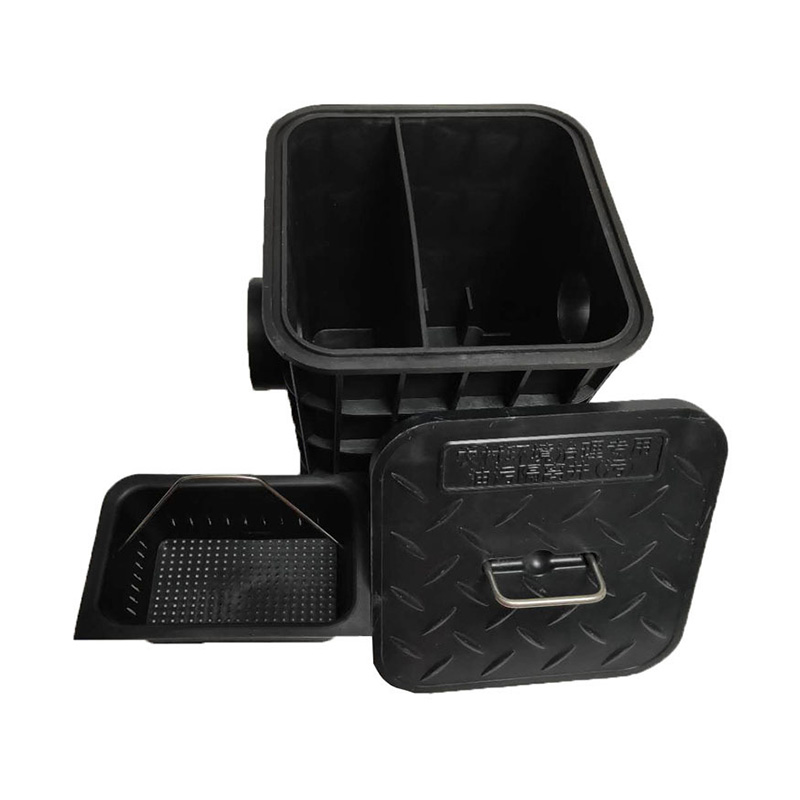
Oil in the outlet water does not always indicate equipment failure. Excessive inflow, sudden discharge surges, and turbulent water movement can prevent oil droplets from rising to the surface. When several washing stations share one drainage line, these conditions may become more noticeable.
Before replacing a separator, operators should check the wastewater flow pattern and treatment capacity. Gravity separation requires sufficient time for oil and water to separate. Matching the equipment to actual operating conditions helps reduce performance problems and unnecessary replacement costs.
Different wastewater sources require different treatment considerations. Free oil is generally easier to separate through gravity than stable emulsions formed by detergents or cleaning chemicals. Suspended solids can also accumulate inside the tank and interfere with normal operation.
Before choosing a separator, buyers should evaluate:
Providing these details to the manufacturer helps determine whether a standard gravity separator meets the application's needs.
Plastic equipment offers manageable weight and corrosion resistance in suitable environments. However, different plastic materials respond differently to oils, cleaning agents, temperature changes, and mechanical stress.
As a manufacturer, we recommend confirming material compatibility before ordering. Buyers should explain the chemicals present in the wastewater, expected operating temperatures, and installation environment. These details help reduce the risk of material damage, leakage, and premature maintenance.
Oil, sludge, and sediment gradually accumulate inside a separator. Excessive buildup reduces the available separation space and may restrict water movement, drainage issues or oil carryover.
Routine inspections should cover the oil collection area, tank bottom, inlet, outlet, and internal components. Operators should remove accumulated oil and sludge when necessary and inspect seals and connections for leakage. Maintenance frequency depends on wastewater conditions and operating loads, while collected waste must be handled according to local requirements.
Incorrect installation can affect separator performance even when the equipment is suitable for the application. Uneven positioning, restricted pipe connections, and poorly arranged inlet flow may create operational difficulties.
Before installation, confirm the available footprint, inlet and outlet elevations, drainage layout, and space for cleaning. Facilities with fluctuating wastewater flow may also need upstream collection or flow regulation to reduce sudden surges.
For overseas distributors, engineering contractors, and industrial buyers, selecting equipment involves more than comparing product dimensions and prices. The separator must suit the wastewater source, installation conditions, and maintenance practices.
When requesting a quotation, provide the estimated flow rate, wastewater composition, oil characteristics, available space, and relevant cleaning chemicals. Installation drawings or photographs can further clarify connection requirements.
As a manufacturer, we use this information to discuss product suitability, material options, and configuration requirements before confirming an order. Early communication helps buyers avoid equipment mismatches and supports smoother installation planning.
Effective oil separation depends on suitable equipment, stable flow conditions, correct installation, and regular maintenance. Addressing these factors helps reduce drainage problems and makes routine operation easier to manage. For workshops, vehicle service facilities, and industrial sites handling oily wastewater, a properly selected Plastic Oil Water Separator provides a practical solution for oil removal before discharge or further treatment.
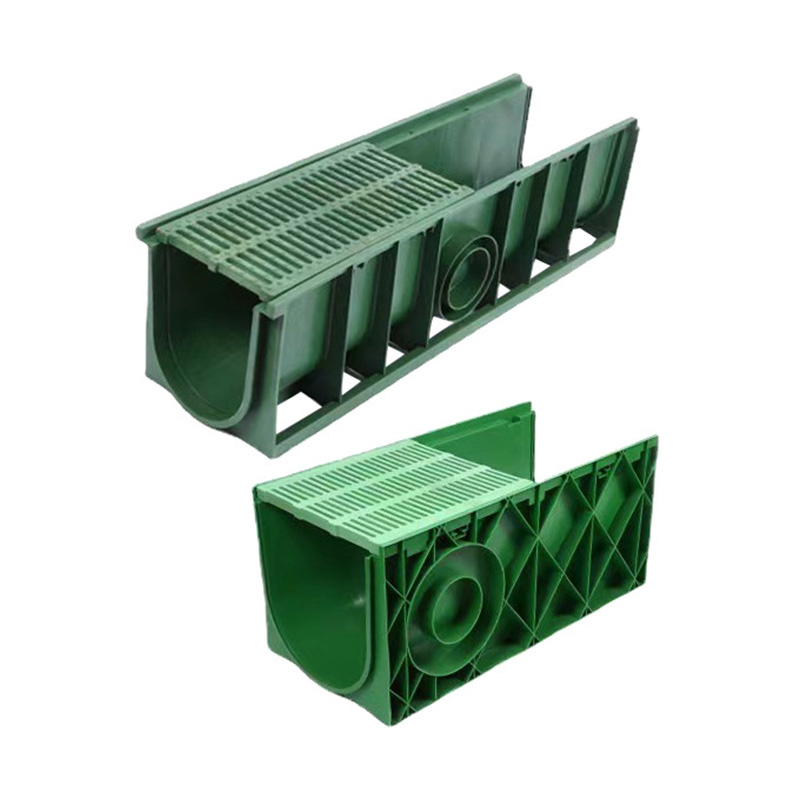
The U-shaped PE farm field linear plastic drainage ditch is a revolutionary solution designed to address the drainage needs of agricultural land....
See Details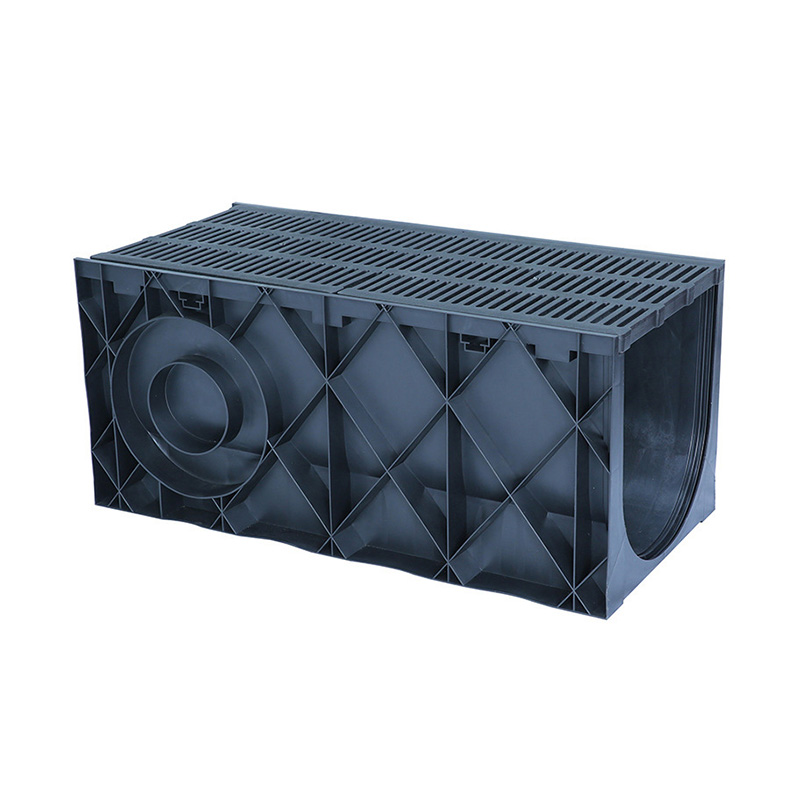
The HDPE plastic linear gap drainage channel cover plate offers a revolutionary solution for efficient surface water runoff management. Made from...
See Details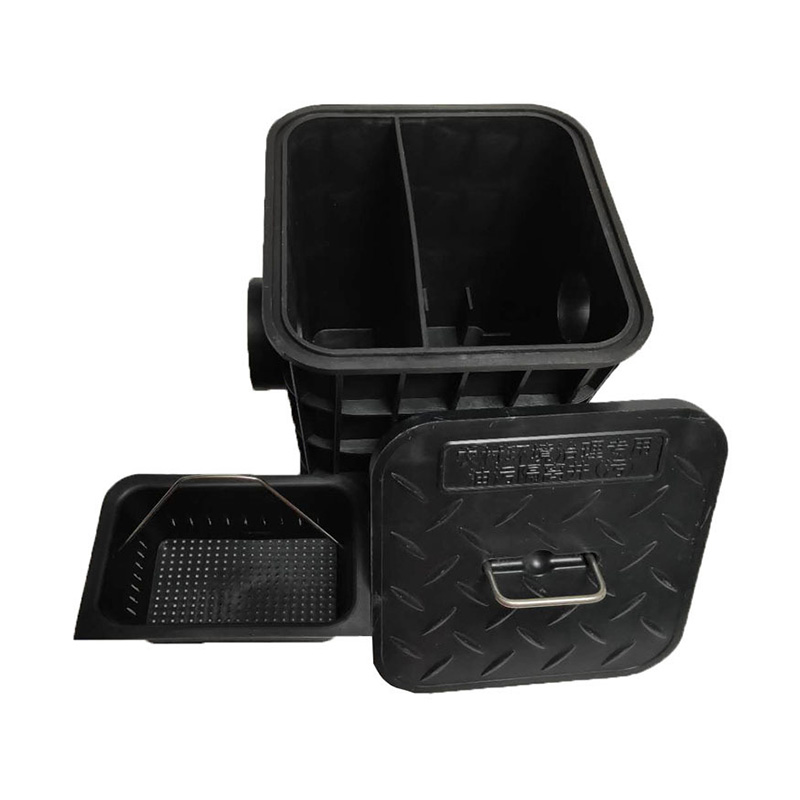
The circular oil separation PE plastic buried oil interceptor underground system is designed to capture and separate oil from water, preventing i...
See Details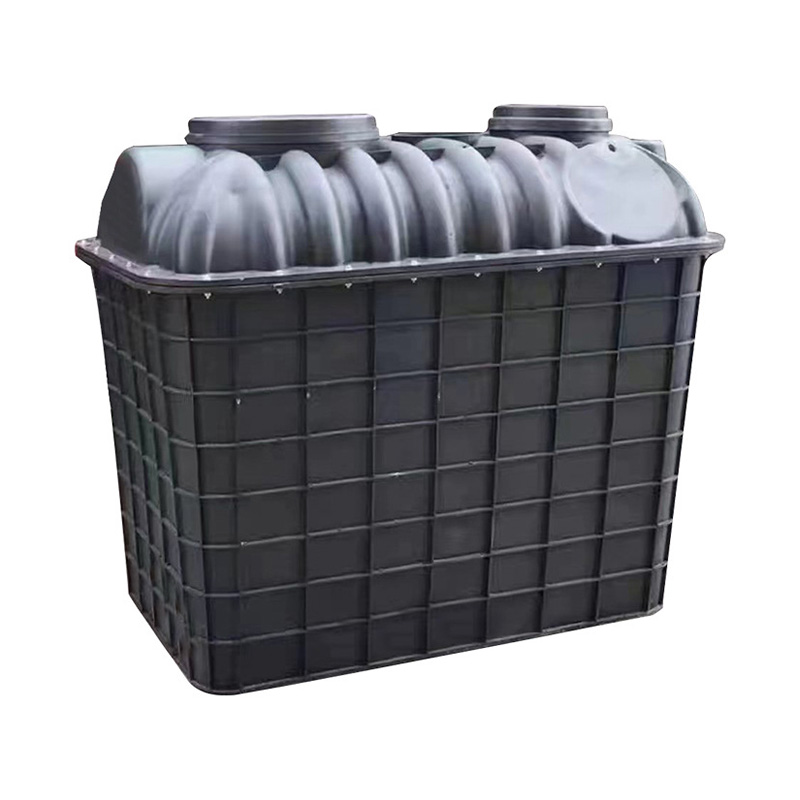
The balcony roof rainwater and sewage separator is a crucial component in urban water management systems, designed to effectively separate rainwa...
See Details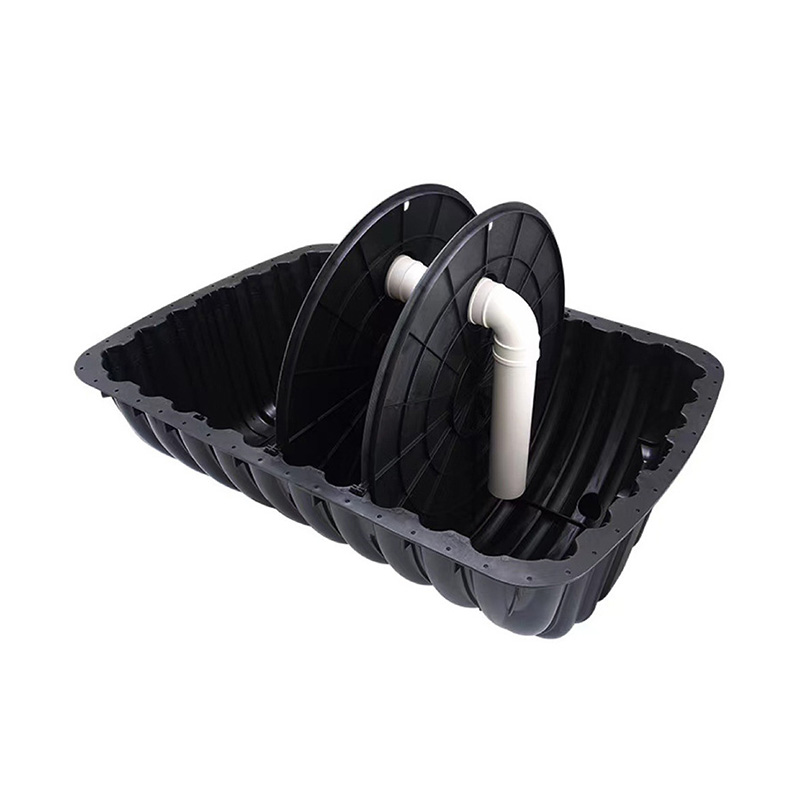
The household small thickened partition PE three-format plastic septic tank is an environmentally friendly and efficient sewage treatment equipme...
See Details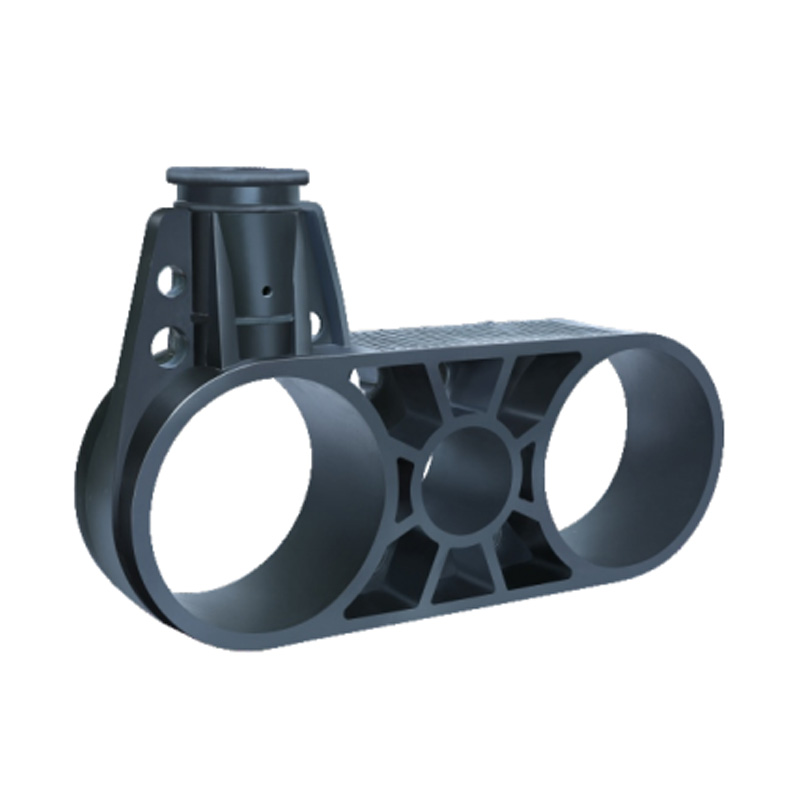
The Simple Round Breeding Cage features a durable and lightweight construction, making it suitable for both indoor and outdoor use. Its round sha...
See DetailsIt would be great to hear from you!

The company independently develops HDPE drainage ditches, cage supports, and reinforced three-format plastic septic tank products, etc.


Phone: +86-13357651618
Tel: +86-0576-82929520
Email: [email protected]
Address: Heyu Industrial Zone, Yuanqiao Town, Huangyan District, Taizhou City, Zhejiang Province, China
Copyright © 2024 Taizhou Weicai Plastic Industry Co., Ltd. All Rights Reserved.

Plastic Drainage System Manufacturer