Deep Sea Aquaculture Cage systems are being developed for farming operations that need to work beyond sheltered coastal waters, where stronger waves, currents and changing weather create different engineering demands. Recent offshore aquaculture research and projects are placing more attention on cage behavior, mooring performance, fish monitoring and practical maintenance rather than simply increasing cage capacity.
Mooring Design Becomes a Practical Priority
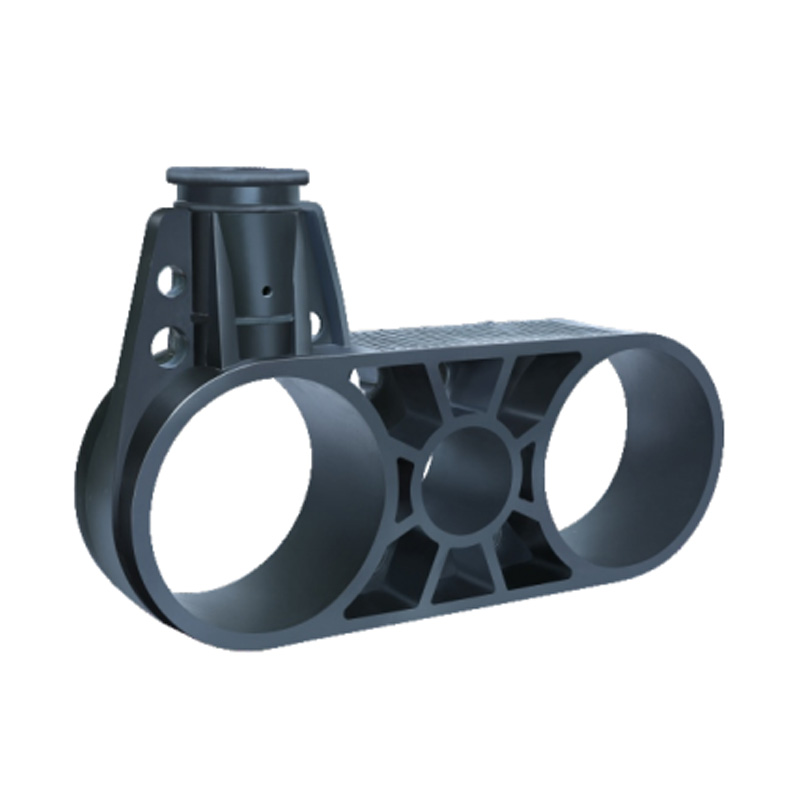
For offshore fish farming, the cage is only one part of the working system. Mooring lines, anchors, connectors and flotation components must work together under changing marine conditions. Research into offshore aquaculture platforms has examined cage movement and mooring responses under different environmental loads, showing why mooring design should be considered together with cage structure rather than treated as a separate installation task.
As a manufacturer, we recommend confirming the intended water depth, seabed conditions, current profile and local weather environment before selecting a cage configuration. This helps engineers determine whether the system needs a floating, semi-submersible or other offshore arrangement.
Cage Structure Needs to Match the Working Environment
A cage designed for sheltered water may not be suitable for exposed offshore conditions. Wave action and current can influence net deformation, cage movement and mooring tension. Testing and numerical modeling are therefore useful during the engineering stage, particularly when a project will operate farther from shore.
For buyers comparing deep sea fish farming equipment, useful design points include:
- Structural stability under changing loads
- Reliable connection between cage and mooring system
- Net arrangement suited to the target species
- Convenient access for inspection and maintenance
- Compatibility with feeding and monitoring equipment
Remote Monitoring Is Changing Daily Farm Management
Offshore farms can be difficult and costly to access, making monitoring an important part of system design. Current aquaculture research is exploring machine learning, computer vision and IoT technologies for biomass estimation, fish behavior analysis, environmental forecasting and operational decision-making.
For a commercial cage project, monitoring should not be viewed only as an optional digital feature. Cameras, sensors and related equipment can help operators identify changes in fish behavior, cage condition or environmental conditions before sending personnel offshore for inspection.
Maintenance Access Matters as Much as Initial Installation
A deep-water cage must remain practical after installation. Net cleaning, inspection, replacement of components and mooring checks all become more complicated when the farm is located away from sheltered waters. Poor access can turn routine maintenance into a major operational task.
When selecting an offshore aquaculture cage supplier, buyers should therefore examine how nets, connectors, walkways, flotation components and other working parts can be inspected or replaced. A design that supports straightforward maintenance can make long-term operation easier to organize.
Fish Health and Environmental Monitoring Work Together
Modern offshore aquaculture is also paying closer attention to fish welfare and the surrounding marine environment. Research into fish behavior monitoring is developing methods for observing movement and responses within sea cages, while broader offshore aquaculture studies cover feeding, growth, disease and environmental management as connected processes.
This makes cage design part of a larger production system. Water exchange, net condition, stocking practices, feeding equipment and monitoring tools should be considered together when developing a project.
Custom Engineering Supports Different Offshore Projects
There is no single cage configuration that fits every farm. Species, stocking strategy, water depth, current conditions, vessel access and maintenance plans can all influence the final design. For this reason, manufacturers working with overseas aquaculture buyers need to discuss the operating environment before confirming the cage structure.
From an engineering perspective, customization may involve cage dimensions, net systems, flotation arrangements, mooring components, working platforms and equipment interfaces. Early technical communication can also reduce changes during installation.
Building a More Practical Offshore Aquaculture System
The growing interest in offshore and deep-water farming is shifting attention toward complete operating systems rather than cages alone. Recent projects and research continue to examine open-ocean farming, multi-species production, monitoring technologies and structural performance under marine conditions. For buyers evaluating a Deep Sea Aquaculture Cage, working with a manufacturer that can coordinate cage structure, mooring, monitoring interfaces and maintenance requirements provides a practical starting point for developing an offshore farming system suited to its actual operating environment.



 русский
 Español
 عربى
عربى