


 русский
 Español
 عربى
عربىV-Shaped HDPE Building Materials Pipe Plastic Drainage Ditch
Cat: Plastic Drain Channel
The V-shaped HDPE building material pipeline plastic drainage trench represents a significant innovation in drainage technology, tailored to meet...
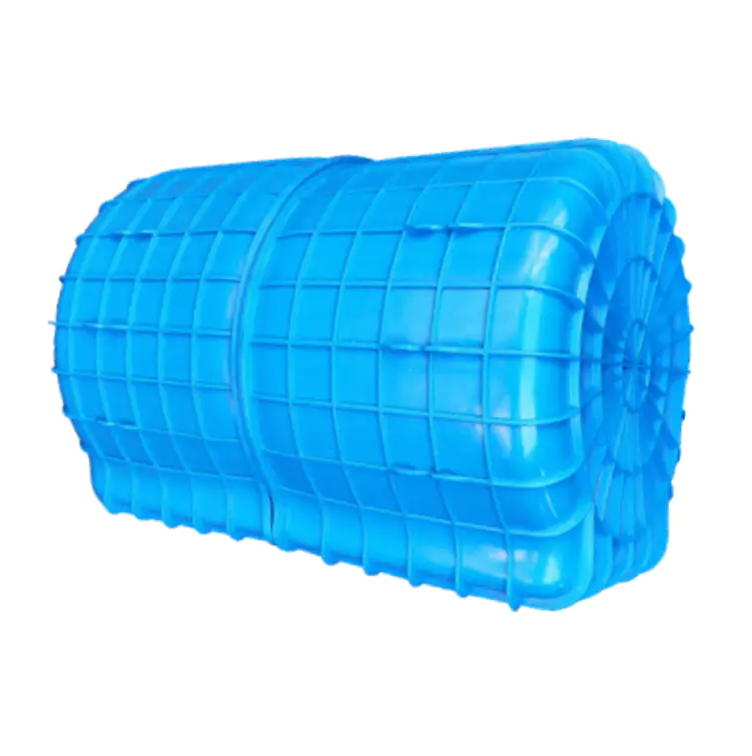
See DetailsModern utility networks depend on reliable cable management systems to support power distribution, telecommunications, and public infrastructure. The Cable Chamber Box is widely used to provide access, protection, and organization for underground cable installations. In projects that involve monitoring systems for marine facilities, including Deep Sea Aquaculture Cage operations, cable chambers can also support communication and power connections between equipment and control systems.
Selecting a suitable cable chamber requires consideration of load requirements, environmental conditions, installation methods, and long-term maintenance needs.
Understanding Load Requirements
Load capacity is one of the key factors when choosing a Cable Chamber Box. Different installation locations expose cable chambers to varying levels of pressure and traffic.
Pedestrian areas generally require chambers designed for light-duty applications, while commercial zones and parking facilities may require structures capable of handling heavier loads. Roadways and industrial areas often place additional demands on chamber construction due to vehicle traffic and continuous use.
Matching the chamber design to the expected load conditions helps support structural integrity and operational reliability throughout the service life of the installation.
Evaluating Site Conditions
Site conditions play an important role in chamber selection. Factors such as soil characteristics, drainage conditions, and groundwater levels can influence the performance of underground infrastructure.
Areas with unstable soil may require additional support measures, while locations exposed to heavy rainfall may benefit from enhanced drainage features. Environmental exposure can also affect material performance over time.
Before installation, project planners often assess site-specific conditions to determine the suitable chamber configuration and installation approach.
Comparing Common Material Options
Cable chambers are manufactured using a variety of materials, each offering different characteristics.
Concrete chambers are commonly used in applications where structural strength is a priority. Polymer concrete options are often selected for their durability and resistance to environmental exposure. Composite materials such as FRP are valued for their lighter weight and ease of handling during installation.
Material selection depends on factors including project requirements, environmental conditions, transportation considerations, and maintenance expectations.
The chosen material should support both operational needs and long-term infrastructure planning.
Installation Efficiency and Accessibility
Ease of installation is another important consideration when selecting a Cable Chamber Box. Infrastructure projects often involve complex construction schedules, making efficient installation procedures beneficial.
Precast and modular chamber designs can simplify on-site work and reduce construction complexity. Access openings and internal layouts should allow technicians to inspect, maintain, and modify cable systems when necessary.
Proper accessibility supports routine maintenance activities and helps accommodate future network expansion.
Water Management Considerations
Underground cable infrastructure is frequently exposed to moisture. Rainwater, groundwater, and surface runoff can create challenges if not properly managed.
Many cable chamber designs incorporate drainage features intended to reduce water accumulation. Chamber covers, sealing systems, and internal drainage arrangements can contribute to maintaining a suitable environment for cable installations.
Effective water management may help reduce maintenance requirements and support the long-term operation of utility networks.
Supporting Utility and Communication Networks
Cable chamber systems are used across a wide range of infrastructure sectors. Electrical distribution projects, telecommunications networks, transportation facilities, and industrial developments all rely on organized cable routing and protection.
In some offshore and coastal facilities, including support stations connected to Deep Sea Aquaculture Cage operations, cable chambers may be used to protect communication lines and electrical connections that link monitoring equipment with control systems.
As infrastructure networks continue to expand, reliable cable access points remain an important component of project planning.
Balancing Performance and Project Requirements
Selecting a Cable Chamber Box involves balancing structural performance, installation efficiency, maintenance accessibility, and environmental suitability. Every project presents different requirements based on location and operational objectives.
By evaluating load conditions, site characteristics, material options, and future maintenance needs, project planners can identify chamber solutions that align with infrastructure goals. Alongside specialized applications such as Deep Sea Aquaculture Cage monitoring systems, cable chambers continue to support a wide variety of utility and communication projects through organized and protected cable management.
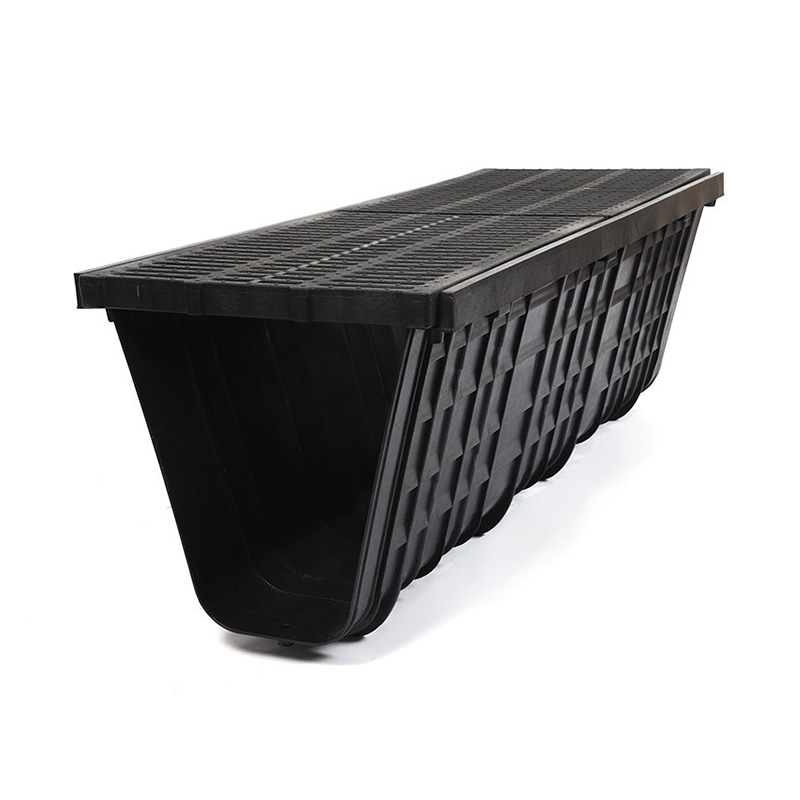
The V-shaped HDPE building material pipeline plastic drainage trench represents a significant innovation in drainage technology, tailored to meet...
See Details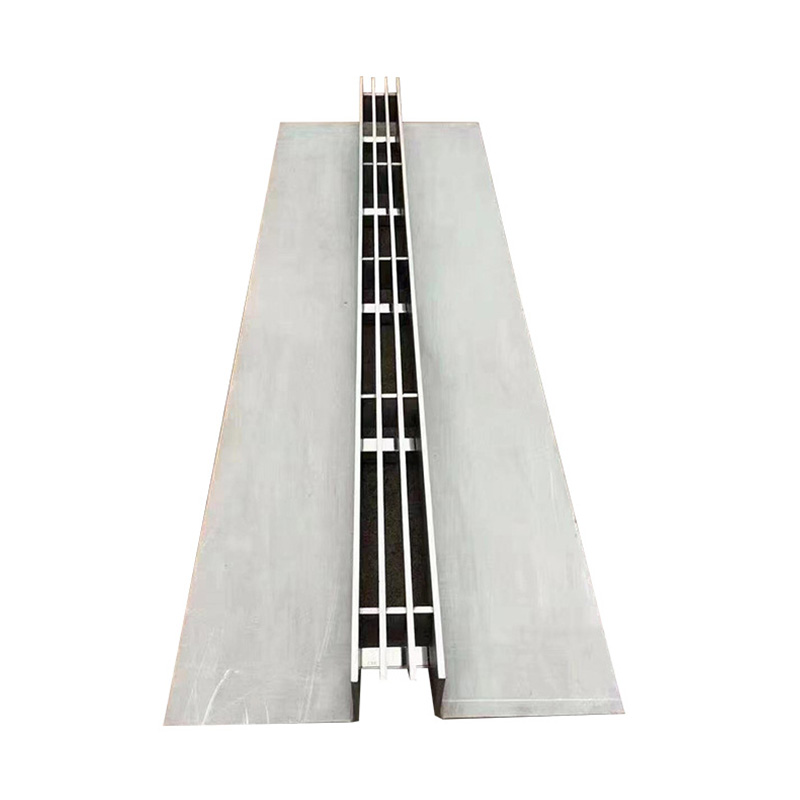
The Grate Stainless Steel Invisible Gutter Cover is a high-quality drainage system component. It is made of high-quality stainless steel material...
See Details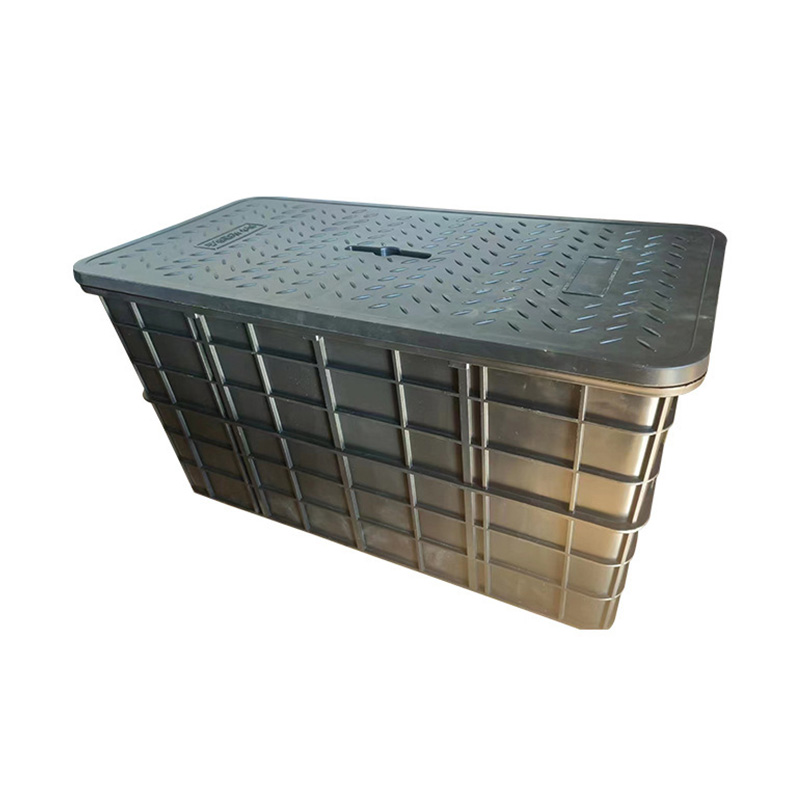
The quadrant design of the oil separator is tailored to optimize oil-water separation efficiency. As contaminated water enters the separator, it ...
See Details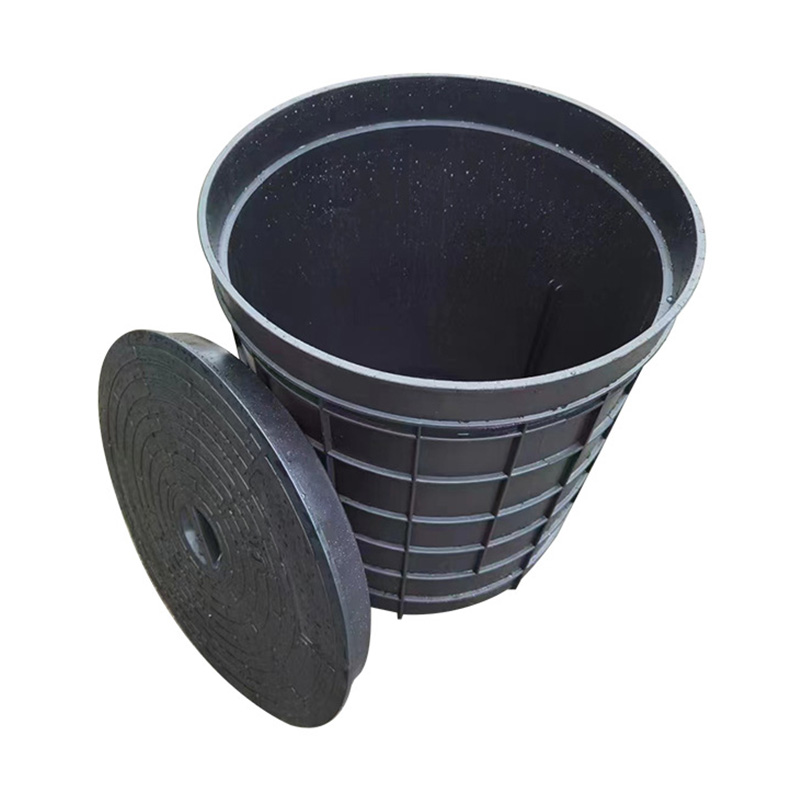
Drainage and sewage plastic water meter box is a container used to install equipment such as water meters, pipes and valves. It is usually used i...
See Details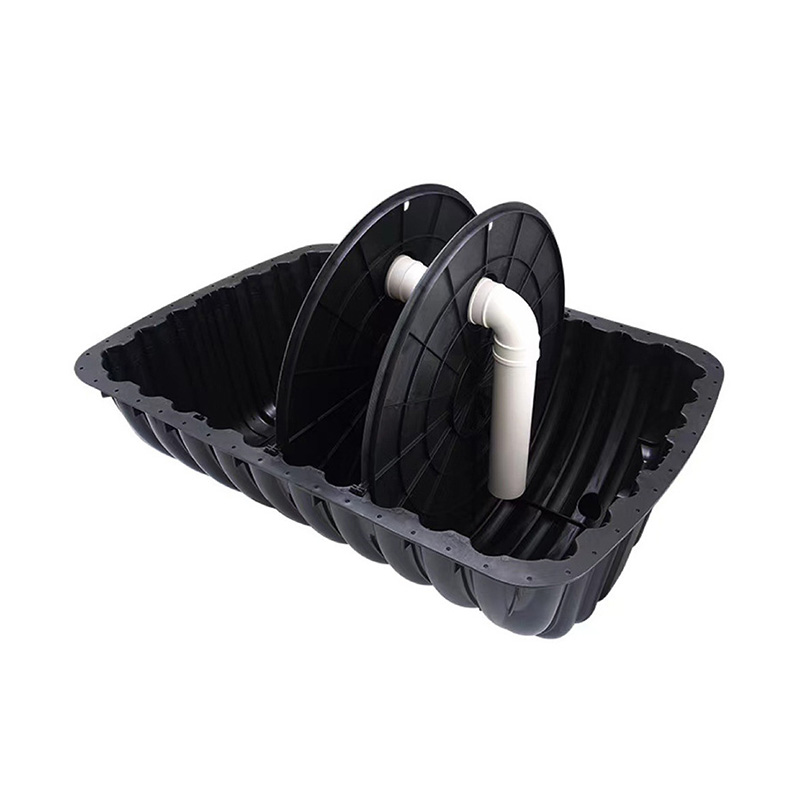
The household small thickened partition PE three-format plastic septic tank is an environmentally friendly and efficient sewage treatment equipme...
See Details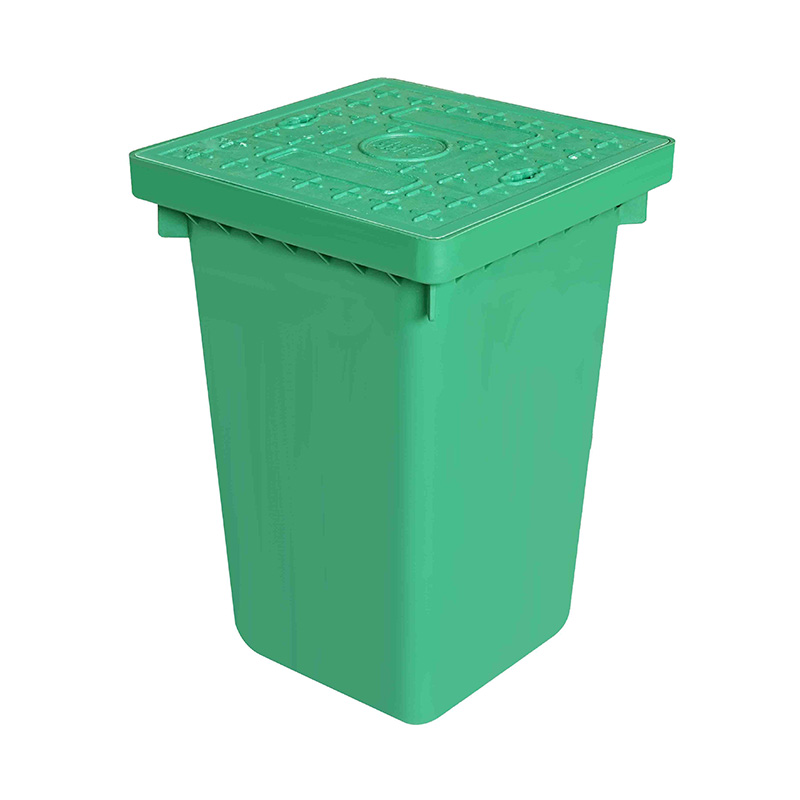
Integrated threading-free cable chamber box well is a commonly used equipment in the process of laying weak current lines. Its design structure m...
See DetailsIt would be great to hear from you!

The company independently develops HDPE drainage ditches, cage supports, and reinforced three-format plastic septic tank products, etc.


Phone: +86-13357651618
Tel: +86-0576-82929520
Email: [email protected]
Address: Heyu Industrial Zone, Yuanqiao Town, Huangyan District, Taizhou City, Zhejiang Province, China
Copyright © 2024 Taizhou Weicai Plastic Industry Co., Ltd. All Rights Reserved.

Plastic Drainage System Manufacturer