


 русский
 Español
 عربى
عربىResin Composite PE Mesh Plastic Drain Cover
Cat: Drain Channel Cover
The Resin Composite PE Grid Plastic Drainage Ditch Cover offers a durable and efficient way of covering drainage ditches in various environments.
See DetailsAs utility networks expand and infrastructure projects become more demanding, engineers and procurement teams are placing greater emphasis on long-term cable protection rather than simply reducing upfront costs. A well-designed Cable Chamber Box plays a critical role in safeguarding underground cable connections, simplifying maintenance, and supporting network reliability. Whether for power distribution, telecommunications, smart city projects, or industrial facilities, selecting the right chamber box helps minimize operational risks while improving installation efficiency.
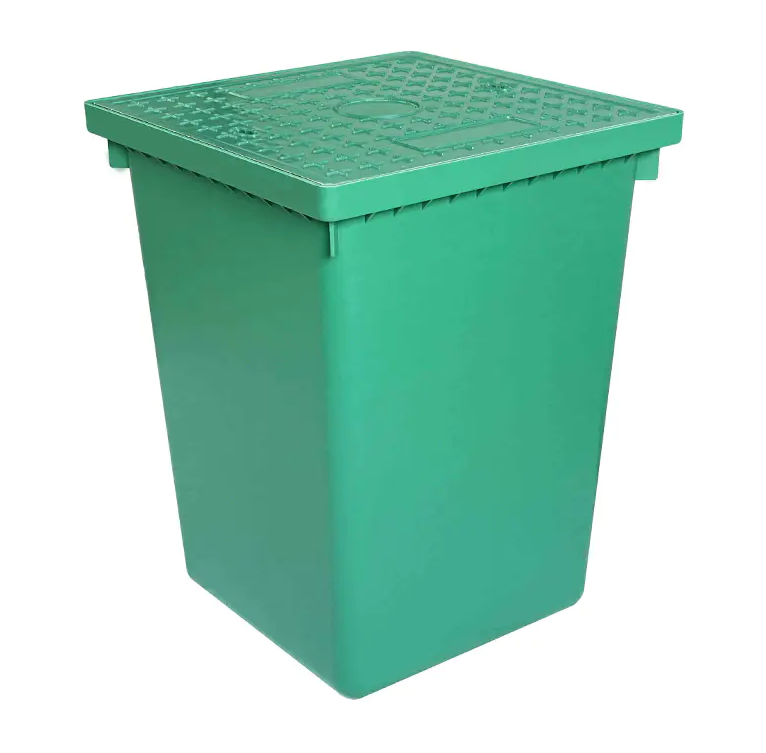
Why Procurement Teams Are Rethinking Underground Cable Protection
Recent infrastructure upgrades across global markets have shifted purchasing priorities. Instead of focusing solely on material costs, buyers increasingly evaluate lifecycle performance, installation efficiency, and maintenance accessibility.
When sourcing a cable chamber solution, purchasing managers commonly ask:
Will the chamber withstand heavy traffic loads?
Is it suitable for different soil and weather conditions?
Can technicians easily access cables for inspection?
Does the design reduce future maintenance costs?
Is customization available for project-specific requirements?
These practical questions are driving demand for durable and application-oriented cable chamber systems rather than one-size-fits-all products.
Common Installation Challenges That Affect Long-Term Performance
Many underground cable failures are not caused by the cables themselves but by inadequate protection structures. Poor chamber design may water accumulation, structural deformation, difficult cable routing, or limited access during maintenance.
Typical issues include:
Insufficient internal space for cable management
Weak structural strength under vehicle loads
Poor drainage performance in wet environments
Covers that are difficult to remove safely
Limited compatibility with different conduit sizes
Choosing the appropriate underground cable chamber box at the planning stage helps avoid expensive repairs and unnecessary project delays later.
Material Selection Matters More Than Many Buyers Expect
The material used in a cable chamber directly influences durability, corrosion resistance, and service life.
Manufacturers generally offer solutions using reinforced concrete, polymer concrete, fiberglass composite, or high-performance engineering plastics. Each option serves different project environments.
For example:
Composite materials offer corrosion resistance in coastal or chemical environments.
Reinforced concrete provides load-bearing capacity for municipal infrastructure.
Lightweight engineered materials simplify transportation and installation on remote construction sites.
Selecting materials according to actual application requirements is more effective than choosing based solely on initial purchase price.
Design Features That Improve Installation Efficiency
An efficient Cable Chamber Box is designed not only for protection but also for practical field installation.
Key design considerations include:
Multiple conduit entry options
Flexible chamber dimensions
Secure yet accessible cover systems
Smooth interior surfaces for cable routing
Optional sealing solutions for moisture protection
These features allow contractors to complete installations more efficiently while giving maintenance teams easier access throughout the product's service life.
How Manufacturers Support Custom Infrastructure Projects
Every infrastructure project presents unique engineering requirements. As a manufacturer, we understand that standardized products cannot meet every installation scenario.
Our engineering team works closely with project contractors, distributors, and utility companies to provide customized solutions, including chamber dimensions, loading classifications, inlet configurations, cover options, and material recommendations. This collaborative approach helps ensure the selected solution aligns with both technical specifications and construction requirements while supporting efficient project execution.
What Global Buyers Look for in a Reliable Supplier
Beyond product quality, international buyers increasingly evaluate supplier capabilities before making purchasing decisions.
A dependable manufacturing partner should provide:
Consistent production quality
Stable supply capacity
Technical consultation during project planning
Flexible OEM and customized manufacturing
Responsive communication throughout the project cycle
These factors often have a greater impact on project success than price alone, particularly for large-scale infrastructure developments.
Building Smarter Underground Networks Starts with the Right Choice
As governments and private sectors continue investing in resilient utility infrastructure, demand for dependable underground cable protection solutions will continue to grow. Selecting a professionally engineered Cable Chamber Box helps improve cable safety, simplify maintenance, and support long-term network reliability. By working directly with an experienced manufacturer capable of providing customized solutions, buyers can reduce project risks while ensuring their infrastructure is prepared for future expansion. Whether your project requires a standard Cable Chamber Box, a customized underground cable chamber box, or an integrated cable management chamber solution, choosing the right partner is an important step toward building durable and efficient underground utility networks.
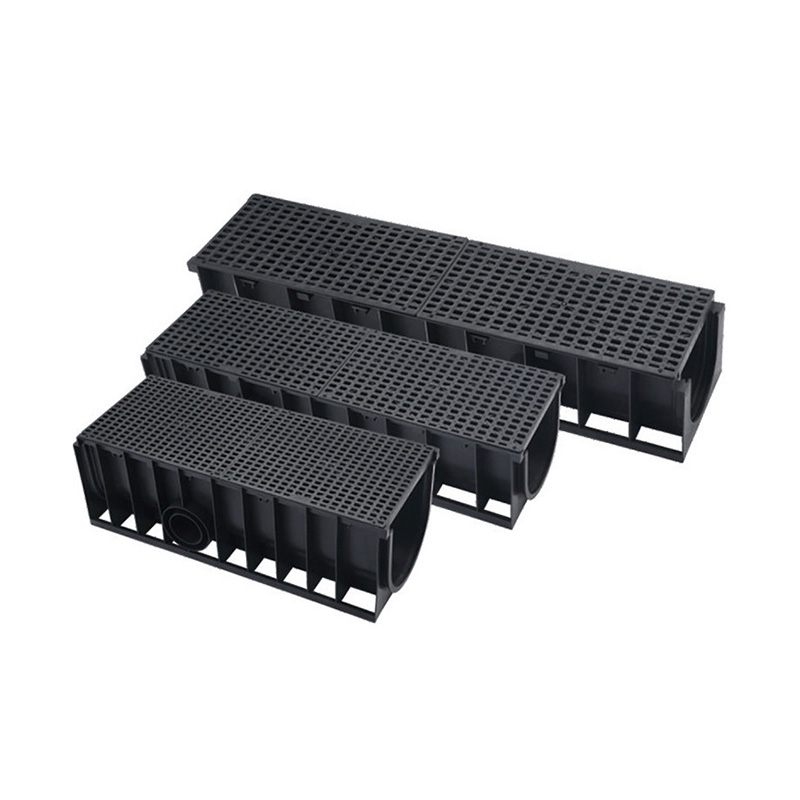
The Resin Composite PE Grid Plastic Drainage Ditch Cover offers a durable and efficient way of covering drainage ditches in various environments.
See Details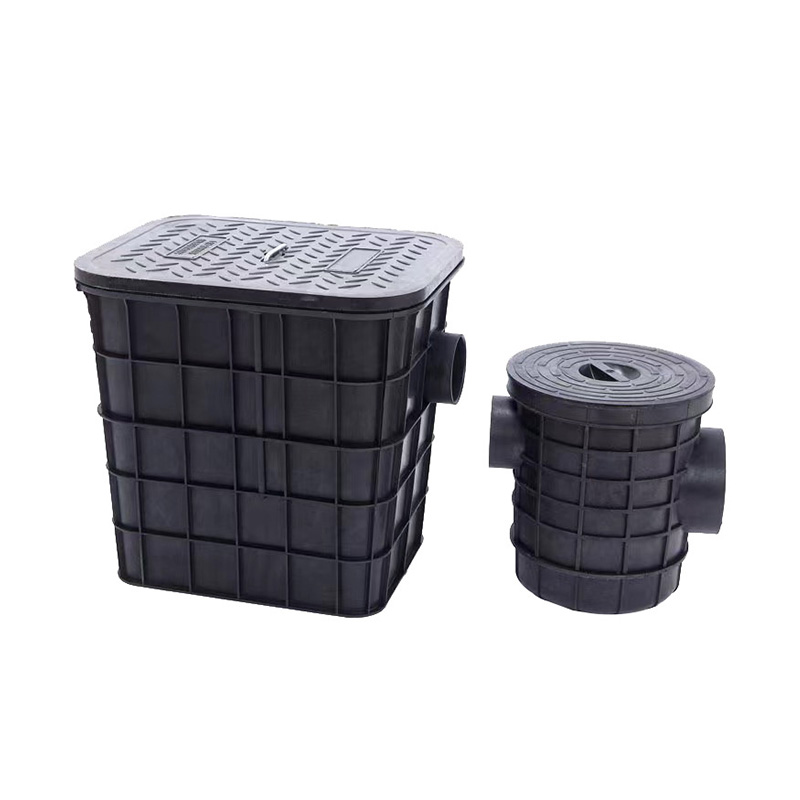
The HDPE Buried Triple-Compartment Plastic Oil-Water Separation Well is a robust and efficient design for the separation and containment of oil a...
See Details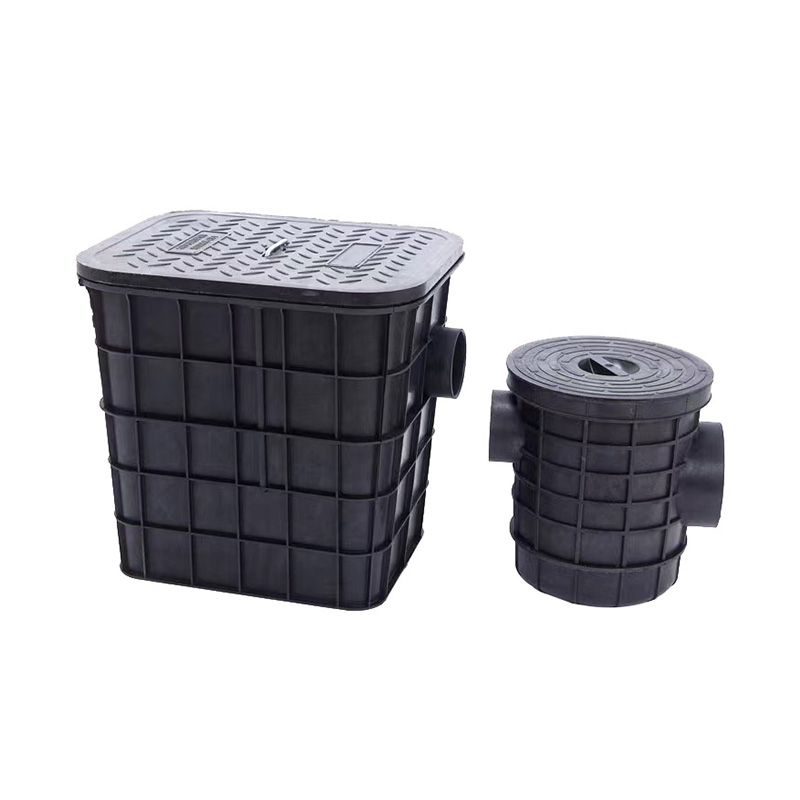
HDPE (High-Density Polyethylene) buried triple compartment plastic wastewater grease traps offer a modern and effective to intercept, separate, a...
See Details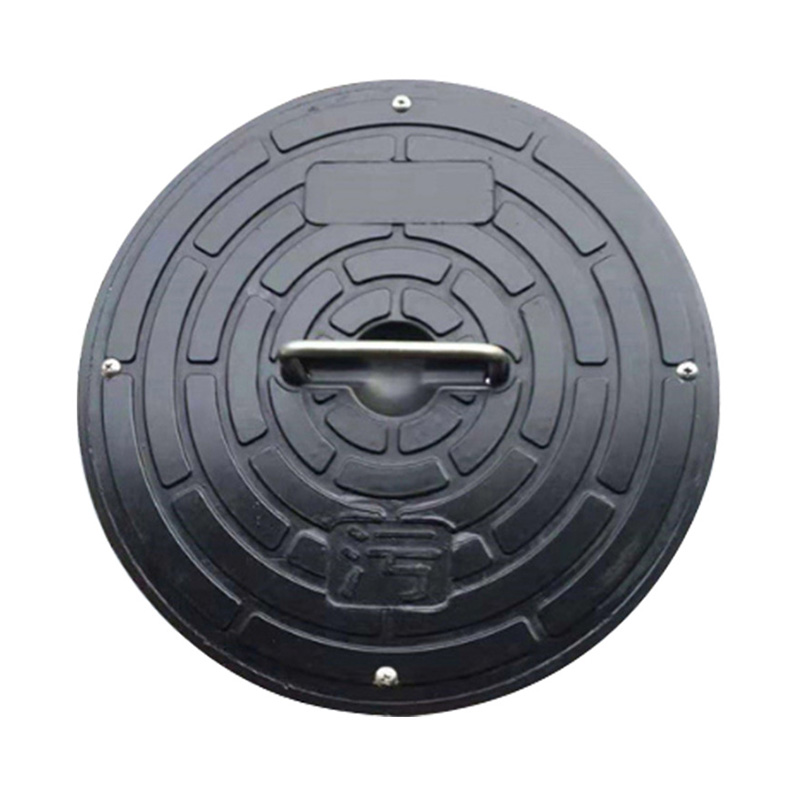
The effective management of sewage systems is paramount for public health and environmental sustainability. Composite plastic sewage manhole cove...
See Details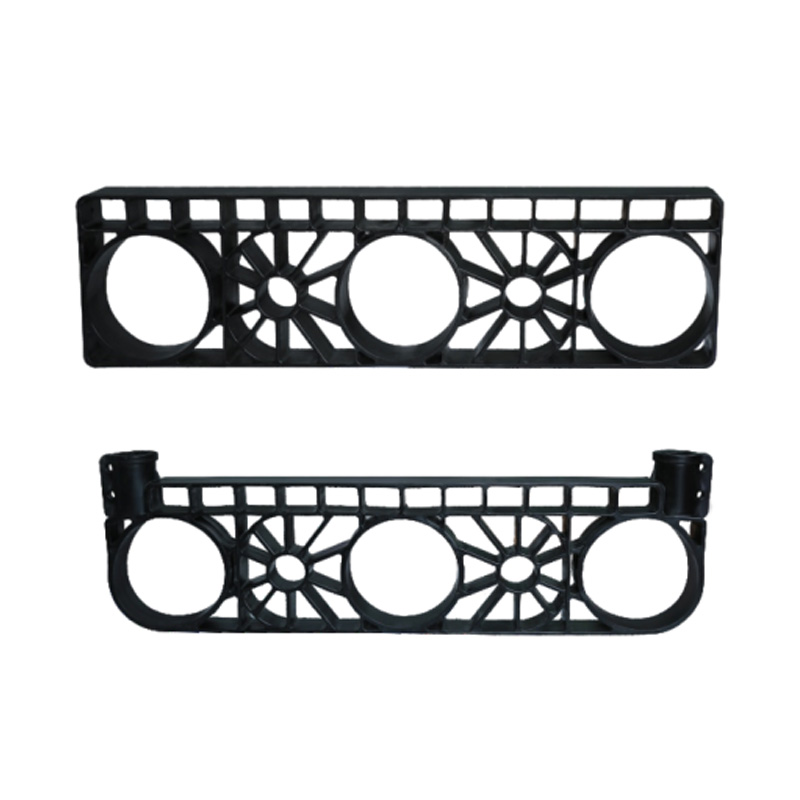
The PE Floating Buoy Aquaculture Net Cage is distinguished by its buoyant structure, which allows it to float on the surface of water bodies such...
See Details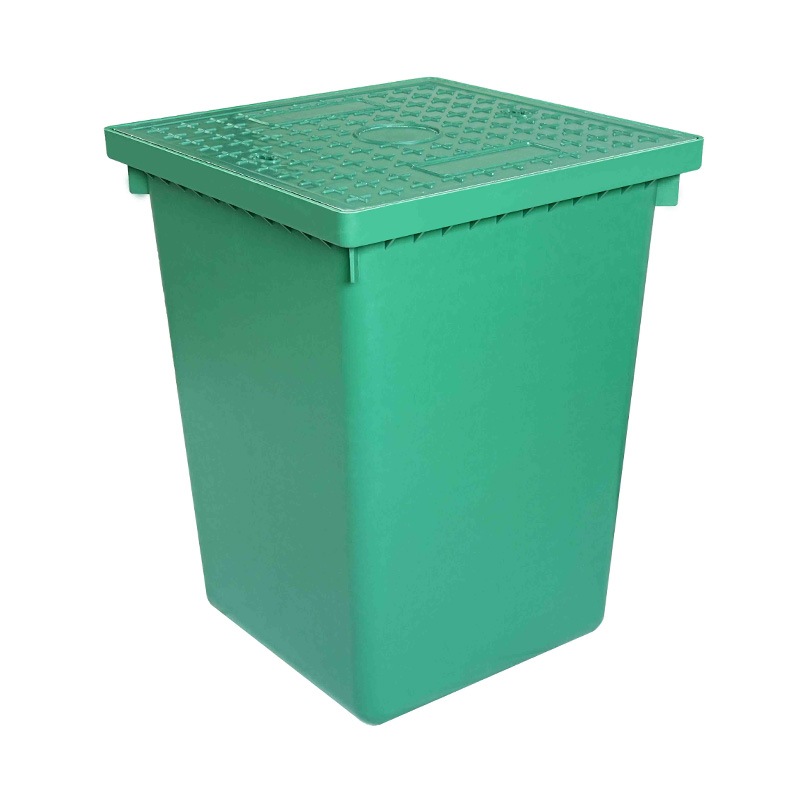
The composite resin square round threaded integrated cable chamber box well is a pipeline facility used in urban roads, squares, residential area...
See DetailsIt would be great to hear from you!

The company independently develops HDPE drainage ditches, cage supports, and reinforced three-format plastic septic tank products, etc.


Phone: +86-13357651618
Tel: +86-0576-82929520
Email: [email protected]
Address: Heyu Industrial Zone, Yuanqiao Town, Huangyan District, Taizhou City, Zhejiang Province, China
Copyright © 2024 Taizhou Weicai Plastic Industry Co., Ltd. All Rights Reserved.

Plastic Drainage System Manufacturer