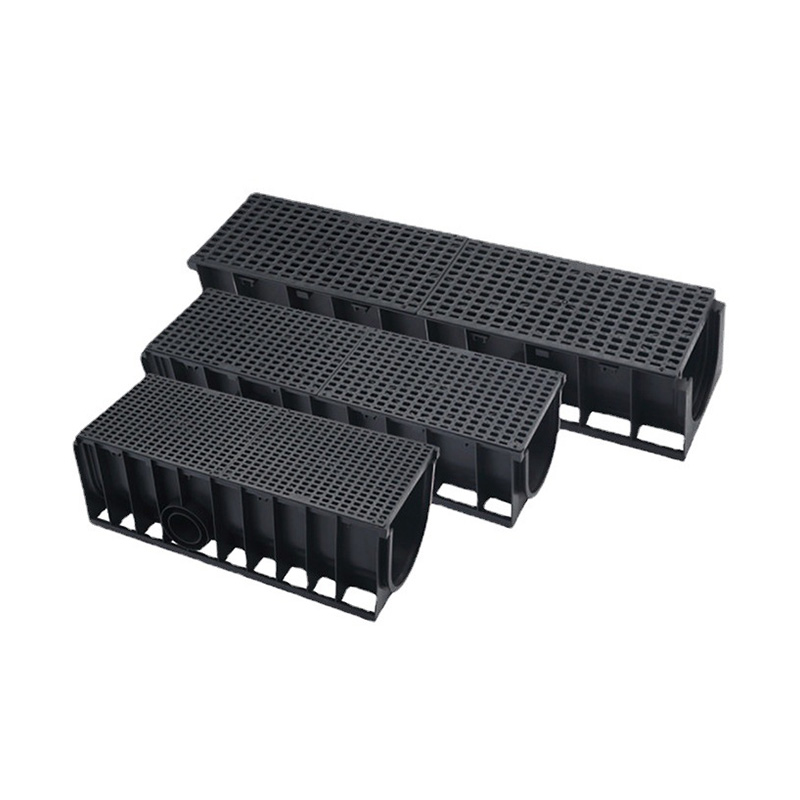
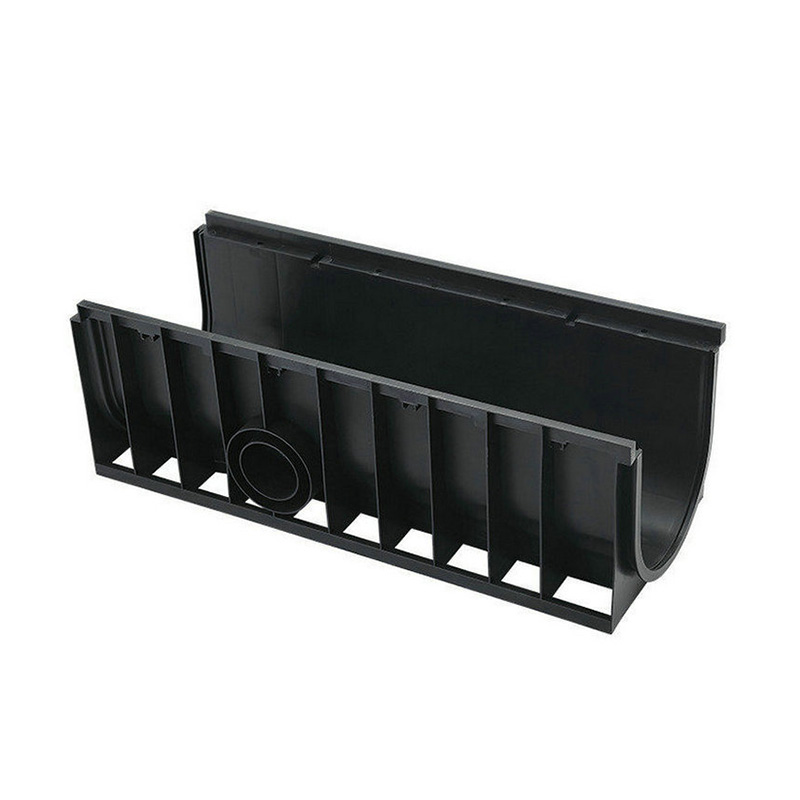
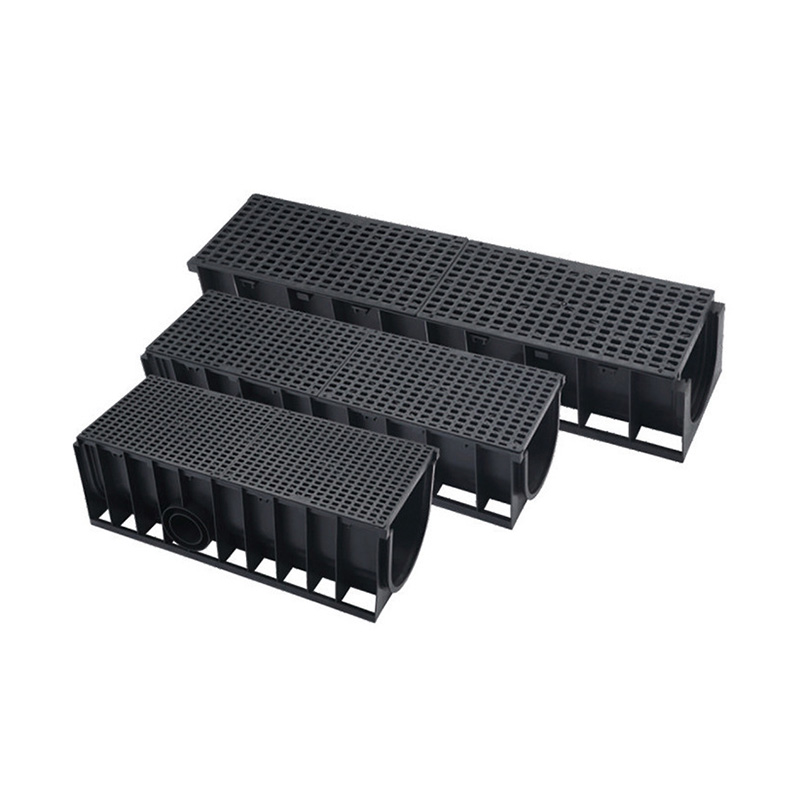
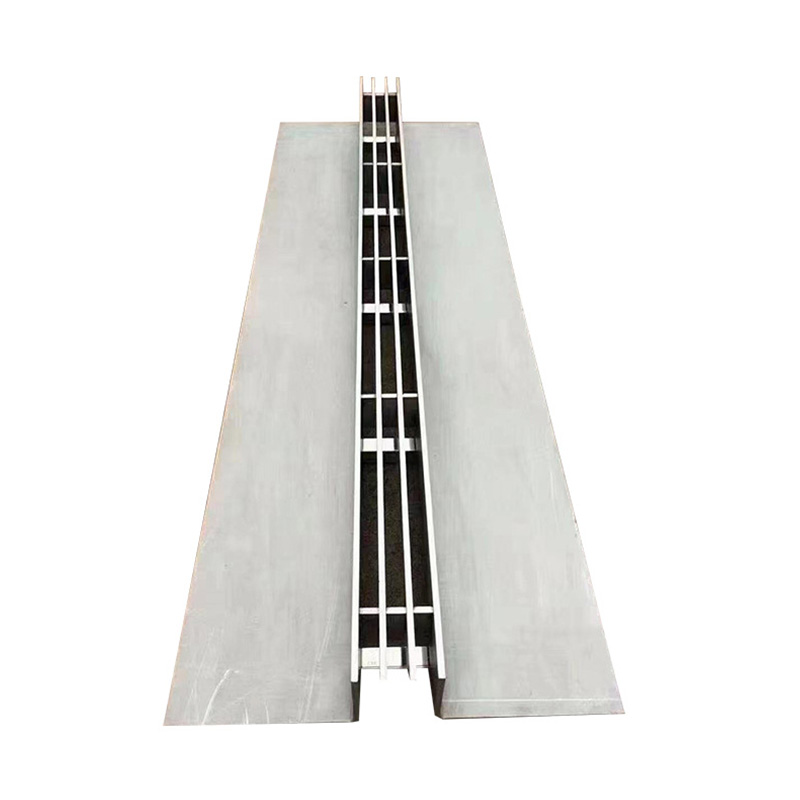
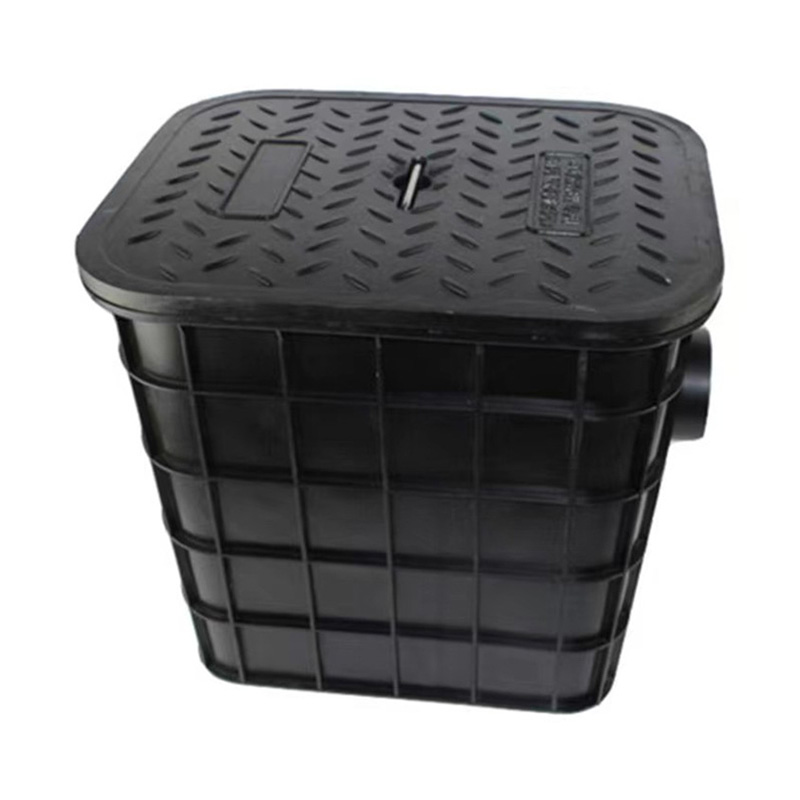
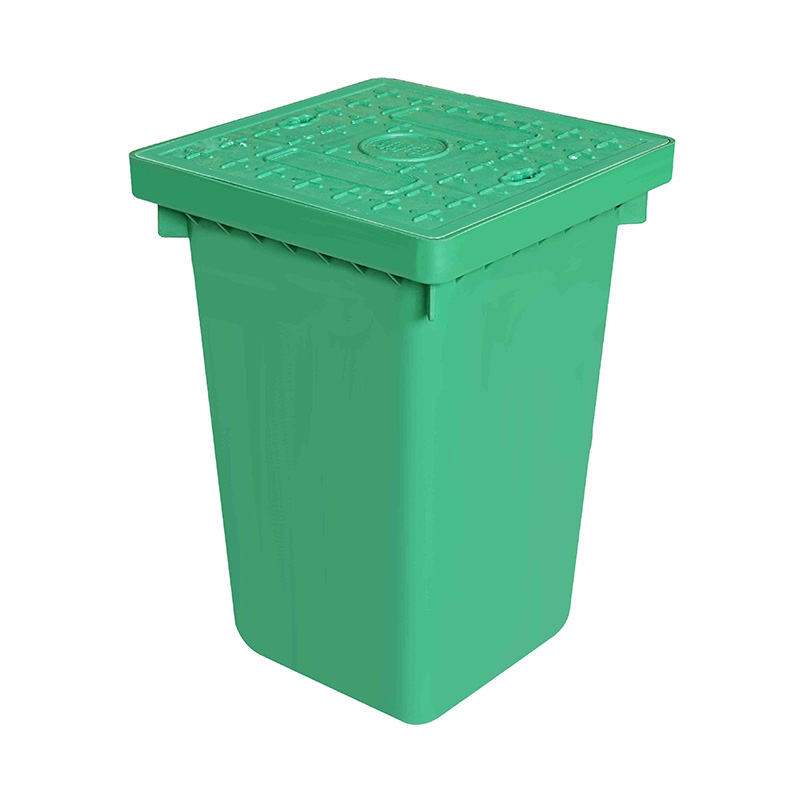
Drainage installation can become complicated when channel dimensions, connection methods, and site conditions are not properly coordinated. For construction contractors and drainage material distributors, these issues may additional labor, installation adjustments, and maintenance concerns. Choosing a suitable Plastic Drain Channel requires attention to more than basic dimensions. Product structure, connection compatibility, water collection efficiency, and installation convenience all influence the performance of the finished drainage system.
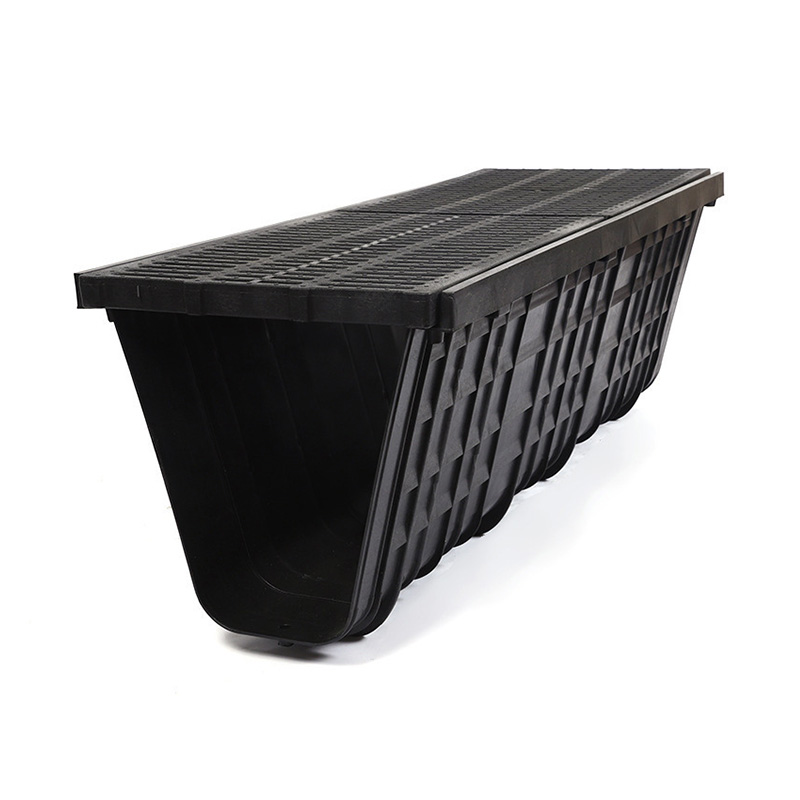
Simplifying Handling During Construction
Construction teams often work with limited installation space and tight project schedules. Heavy drainage components can increase transportation and handling difficulties, particularly when materials need to be moved across large construction sites.
Plastic drainage channels offer a lightweight alternative for many surface drainage applications. Their manageable weight can make positioning and handling more convenient for installation workers.
For bulk buyers, product weight and packaging should also be considered during transportation planning. Consistent packaging dimensions help distributors organize warehouse storage and shipment arrangements.
Choosing Suitable Channel Dimensions
Channel dimensions directly influence water collection and discharge. Selecting a product based only on its external size may overlook the actual internal drainage capacity.
Before procurement, engineers should evaluate:
- Internal channel width and depth.
- Expected surface runoff.
- Drainage outlet dimensions.
- Installation gradient.
- Available space beneath the paved surface.
These details help ensure that the selected drainage components match the requirements of the project.
Checking Connection Compatibility
Poor connections between drainage sections can create installation difficulties and potential leakage points. This is particularly important for projects involving long drainage lines or multiple channel sections.
Manufacturers should provide clear dimensional information and compatible connection designs. Buyers should check whether connecting components, end caps, and outlets match the selected channel model.
A coordinated product system can reduce on-site modifications and make installation planning more straightforward.
Considering Load Requirements and Surface Support
Drainage channels installed in pedestrian walkways have different structural requirements from those used in parking areas or vehicle access routes.
The expected traffic load should therefore be confirmed before selecting the channel and grate combination. Buyers should review the applicable load classification and installation recommendations rather than assuming that all plastic channels are suitable for vehicle traffic.
Proper foundation preparation and surrounding concrete support are also important for maintaining the position of the drainage system after installation.
Managing Debris and Routine Cleaning
Leaves, soil, sand, and construction waste can accumulate inside drainage channels. If debris is not removed regularly, water flow may become restricted.
A removable grate makes inspection and cleaning more convenient. For outdoor commercial projects, buyers should also consider the accessibility of drainage outlets and the availability of compatible cleaning accessories.
Simple maintenance arrangements can help property managers reduce unnecessary repair work.
Evaluating Product Quality Before Bulk Orders
For overseas importers and construction material wholesalers, consistent product quality is essential when purchasing drainage channels in volume.
A practical supplier evaluation should cover material specifications, dimensional accuracy, surface finish, connection structure, and packaging protection. Buyers can also request product samples or technical drawings to check compatibility with their existing drainage systems.
Manufacturers should communicate product limitations and applicable installation conditions clearly, helping customers avoid selecting unsuitable models.
Supporting Different Project Requirements
Drainage requirements vary across residential developments, commercial buildings, landscaping projects, and industrial facilities. A flexible product range can help distributors serve different customer groups without sourcing entirely different systems for every application.
When discussing customized requirements, buyers should provide installation drawings, required dimensions, expected loading conditions, and outlet specifications. This information helps manufacturers assess suitable product configurations.
Selecting a suitable Plastic Drain Channel is not simply a matter of choosing a drainage component. Careful consideration of handling, connections, load requirements, and maintenance can reduce installation difficulties and support dependable drainage performance across different construction projects.



 русский
 Español
 عربى