


 русский
 Español
 عربى
U-Shaped PE Farmland Trough Linear Plastic Drainage Ditch
Cat: Plastic Drain Channel
The U-shaped PE farm field linear plastic drainage ditch is a revolutionary solution designed to address the drainage needs of agricultural land....
See DetailsOil accumulation in wastewater collection systems can create ongoing problems for maintenance teams, from unpleasant odors to blocked pipes and additional cleaning work. For factories, workshops, and equipment washing facilities, the challenge is not simply removing visible oil but managing it before it spreads through the treatment line. A Plastic Oil Water Separator can help address this issue when selected according to wastewater characteristics and site conditions. As a manufacturer, we believe that understanding daily operating problems is essential to choosing suitable separation equipment.
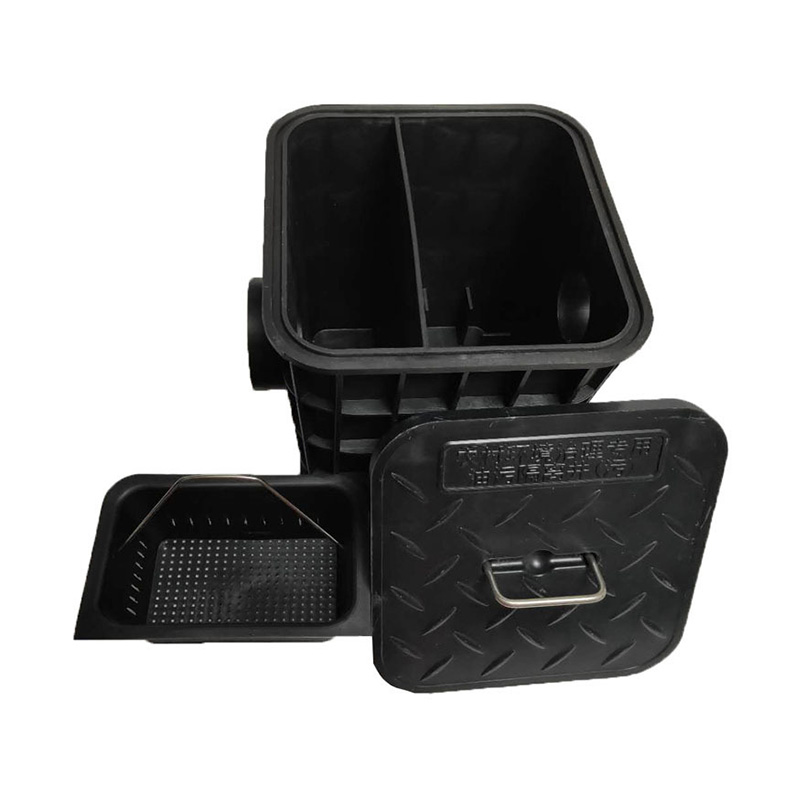
Oil entering drainage systems may come from machinery cleaning, equipment maintenance, production processes, or vehicle washing. When oily wastewater moves directly into downstream treatment equipment, it can increase the cleaning burden and affect subsequent processes.
Installing a suitable separation unit at an appropriate collection point can help remove free-floating oil before the wastewater moves further through the system. However, the location should reflect actual drainage patterns and wastewater sources. Separating different wastewater streams where practical can also make treatment conditions easier to manage.
Industrial wastewater rarely remains identical throughout the working day. Cleaning operations, production changes, and occasional spills can alter both flow rate and oil concentration. Equipment selected under assumptions that do not reflect these changes may struggle during peak discharge periods.
Before choosing a separator, operators should review when wastewater is generated, how quickly it enters the system, and whether suspended solids are present. These observations help determine whether additional collection capacity, upstream screening, or other treatment steps may be needed.
Plastic separation equipment can be useful in environments where corrosion resistance and straightforward handling are important. Its suitability still depends on the specific material, wastewater composition, and installation conditions.
When evaluating a Plastic Oil Water Separator, buyers should confirm compatibility with oils, cleaning agents, and other chemicals present in the wastewater. Temperature limits and outdoor exposure should also be reviewed. Sharing these details with the manufacturer helps ensure that material selection reflects actual operating demands rather than general assumptions.
Collected oil and settled solids require regular attention. If operators cannot inspect the equipment easily, maintenance may be postponed until performance problems become noticeable.
A practical equipment assessment should consider access to inspection points, the method of removing separated oil, sediment accumulation, and cleaning procedures. Maintenance teams should also establish a routine based on actual wastewater conditions and operating experience.
Clear operating instructions and accessible components can simplify daily checks and help facilities identify changes before they develop into larger maintenance issues.
A new separator must fit the existing drainage and wastewater treatment arrangement. Pipe sizes, inlet and outlet positions, available floor space, and downstream equipment requirements can all affect installation.
Before confirming an order, engineering teams should review site drawings and identify any restrictions that may affect equipment placement. Where wastewater contains stable oil emulsions, gravity separation may need to be combined with other treatment methods. Understanding these limitations early helps prevent unrealistic performance expectations.
For overseas industrial buyers, product selection also involves communication, installation planning, and long-term maintenance. Suppliers should be able to clarify material specifications, operating conditions, connection details, and cleaning requirements.
Providing accurate application information allows manufacturers to assess whether the proposed equipment fits the project. Buyers should also confirm customization details and technical drawings before production, especially when replacing existing equipment or integrating a separator into a compact treatment area.
Oil buildup is easier to manage when facilities address it at the source, monitor changes in wastewater conditions, and maintain equipment consistently. A properly selected Plastic Oil Water Separator can help remove free oil before it creates additional challenges in the treatment process. By matching equipment design to site requirements and working closely with the manufacturer, industrial users can establish a more practical approach to oily wastewater management.
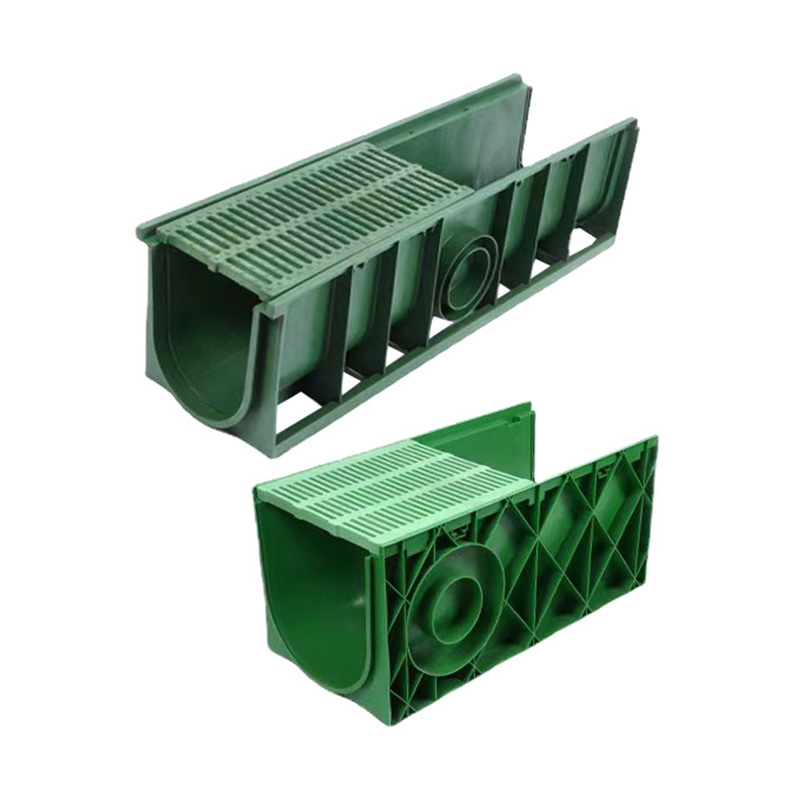
The U-shaped PE farm field linear plastic drainage ditch is a revolutionary solution designed to address the drainage needs of agricultural land....
See Details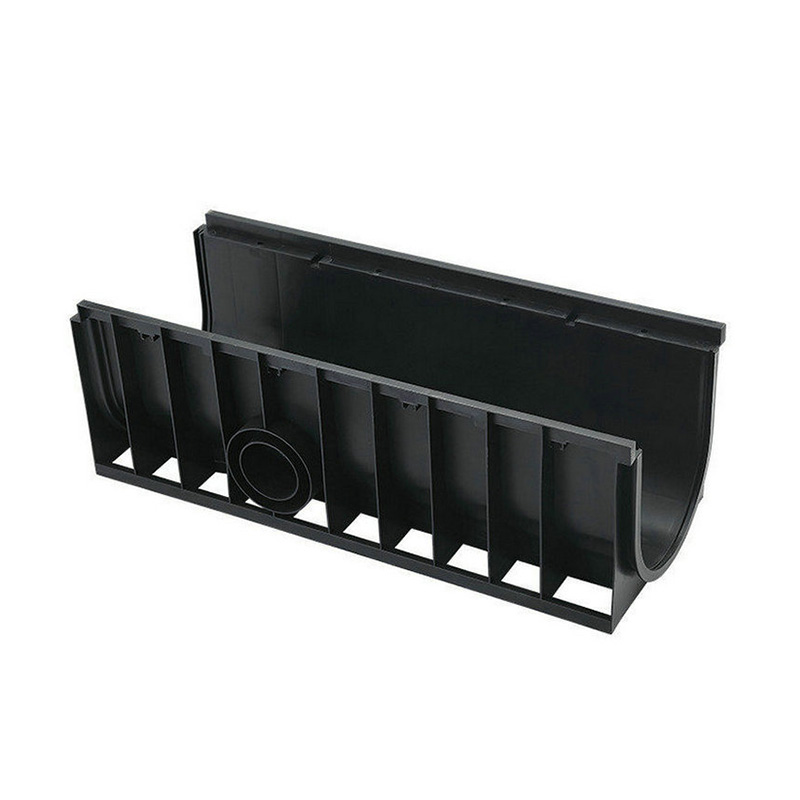
The HDPE linear plastic U-shaped circular forest sewer drainage ditch represents a significant advancement in drainage infrastructure, specifical...
See Details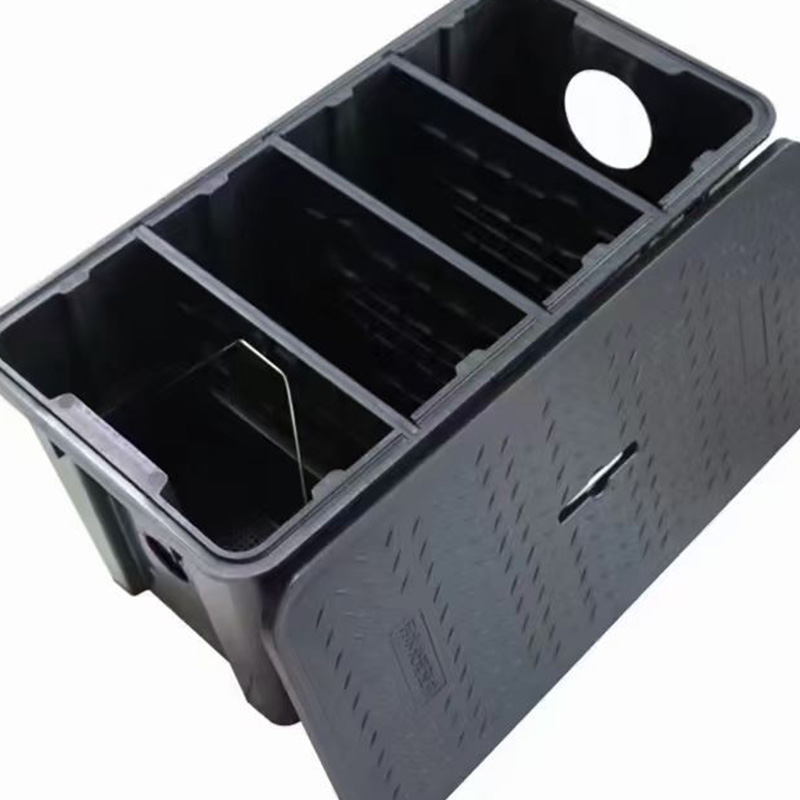
The PE plastic water seal well grease trap with grating is an exceptional wastewater treatment. Crafted from durable polyethylene, it offers pred...
See Details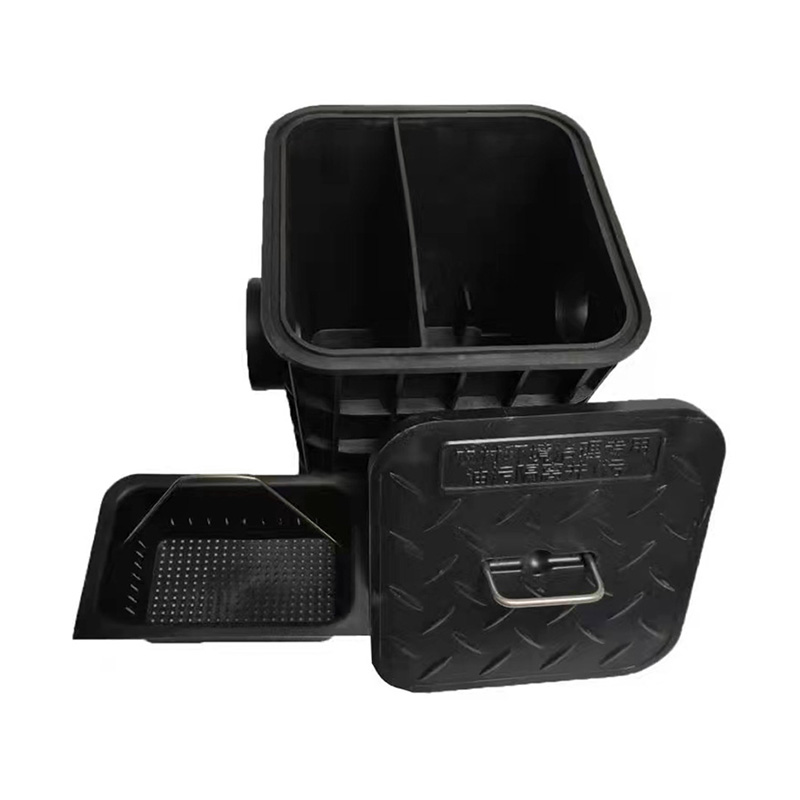
The subsurface automatic pollutant interceptor is a cutting-edge solution designed to address the challenge of urban runoff pollution. This innov...
See Details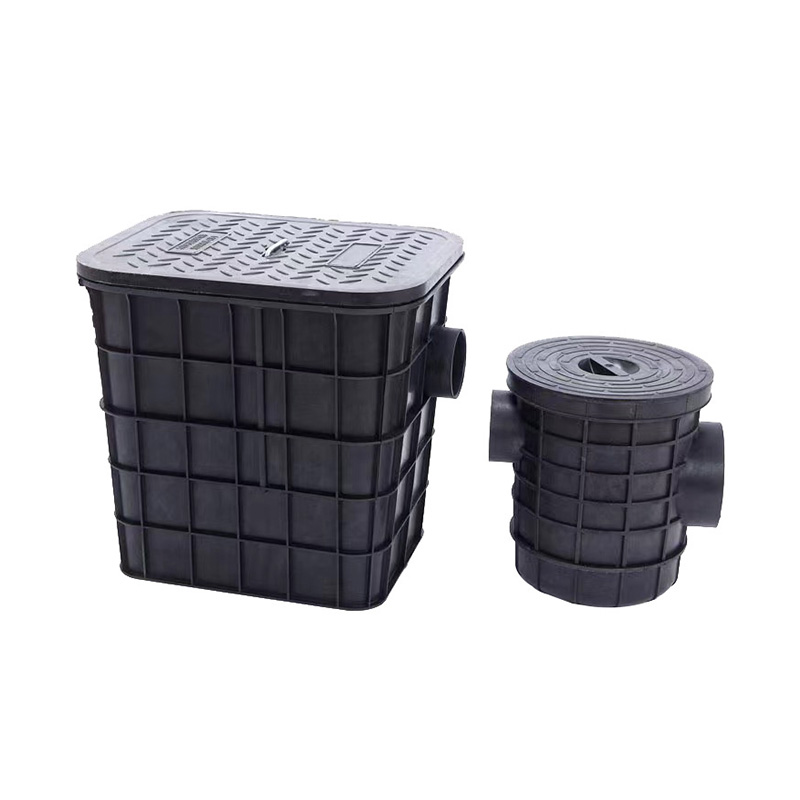
HDPE (High-Density Polyethylene) buried triple compartment plastic wastewater grease traps offer a modern and effective to intercept, separate, a...
See Details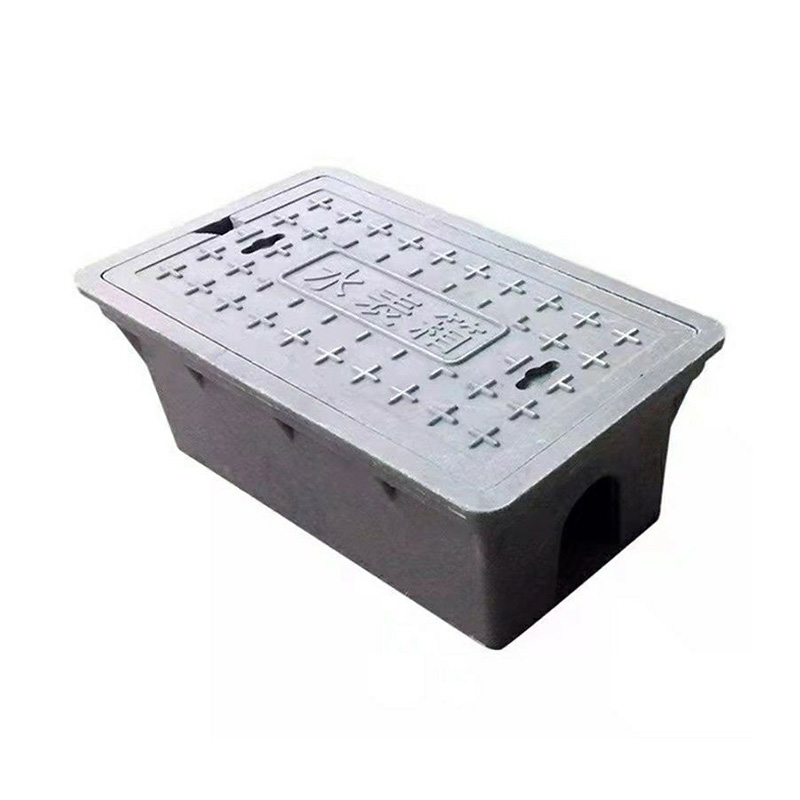
The thickened plastic composite integrated buried three-dimensional water meter box is a modern solution for housing water meters. It is designed...
See DetailsIt would be great to hear from you!

The company independently develops HDPE drainage ditches, cage supports, and reinforced three-format plastic septic tank products, etc.


Phone: +86-13357651618
Tel: +86-0576-82929520
Email: [email protected]
Address: Heyu Industrial Zone, Yuanqiao Town, Huangyan District, Taizhou City, Zhejiang Province, China
Copyright © 2024 Taizhou Weicai Plastic Industry Co., Ltd. All Rights Reserved.

Plastic Drainage System Manufacturer