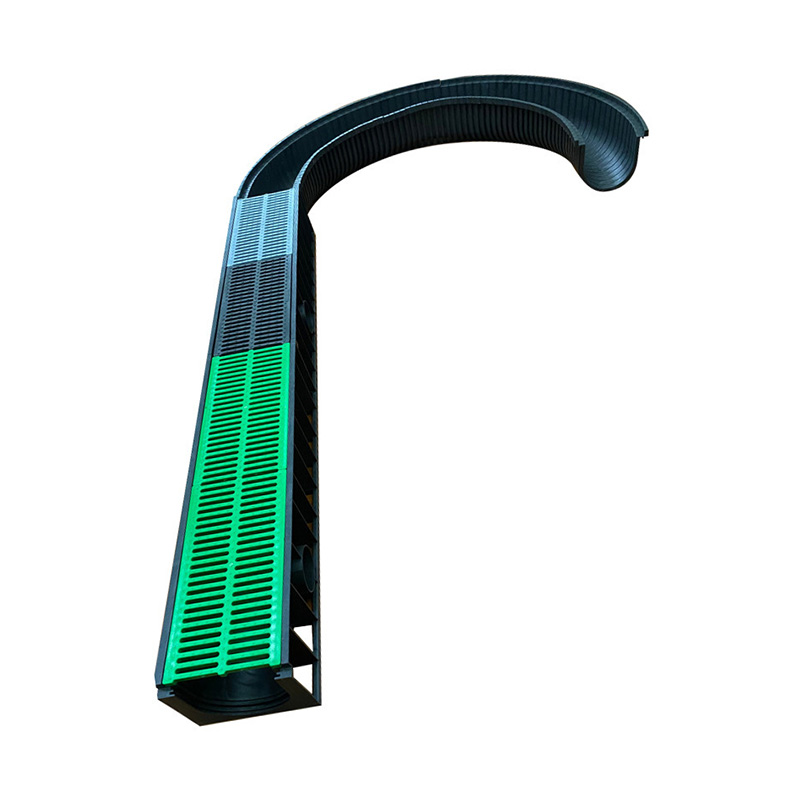
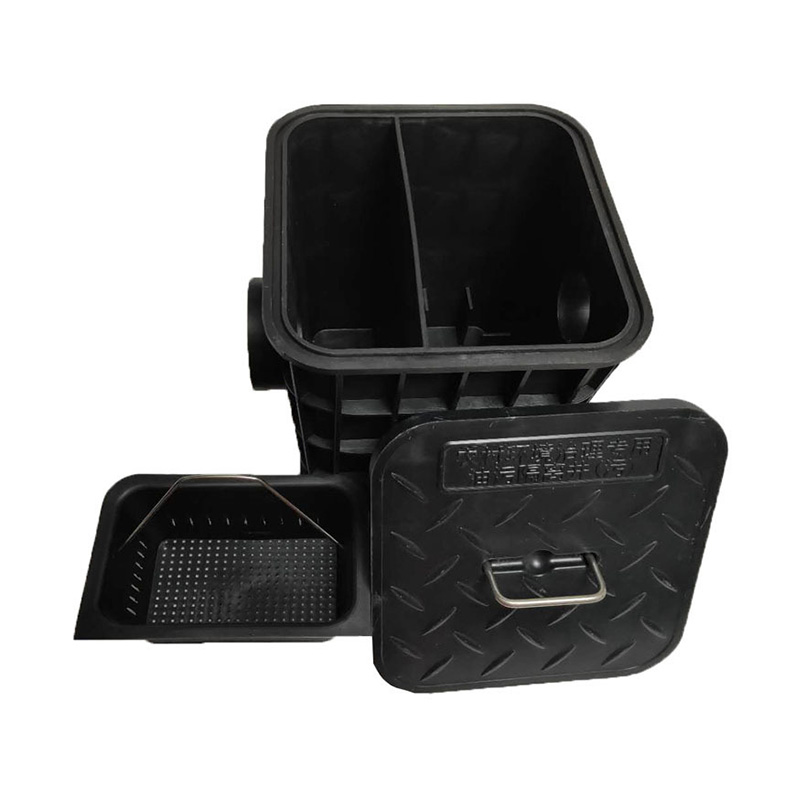
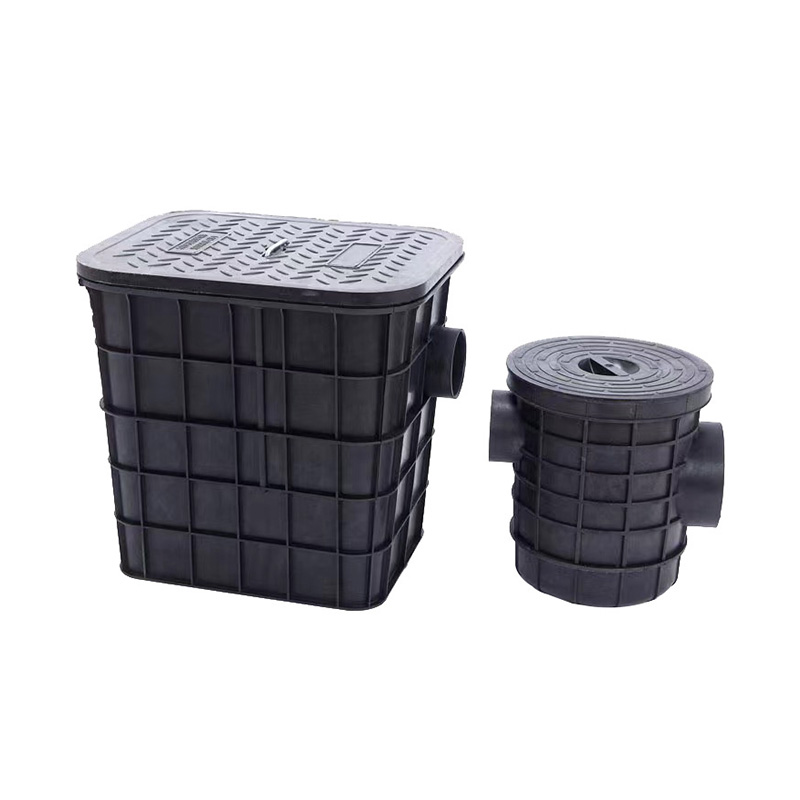
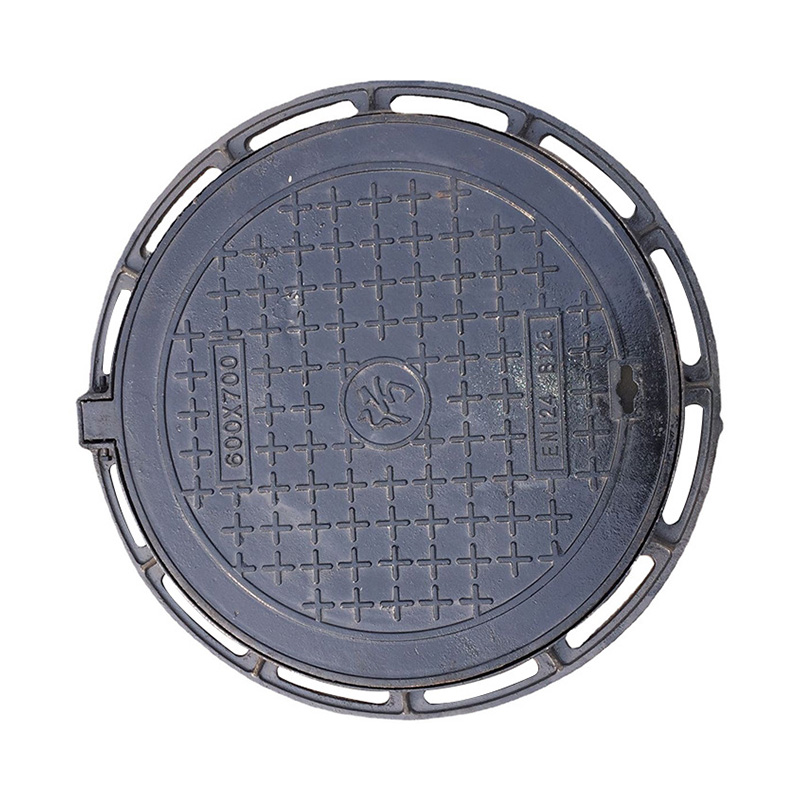
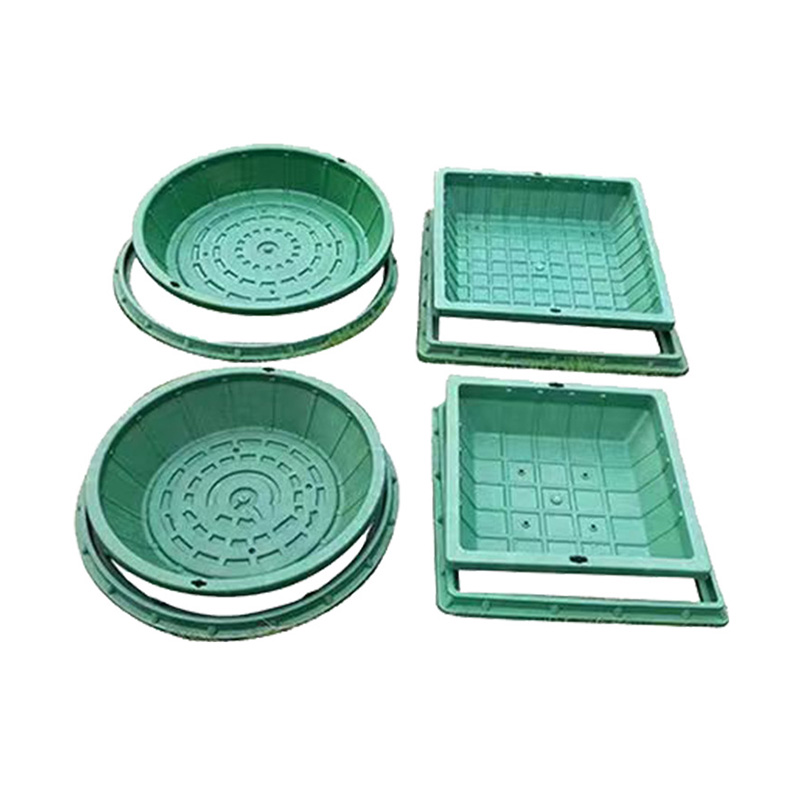
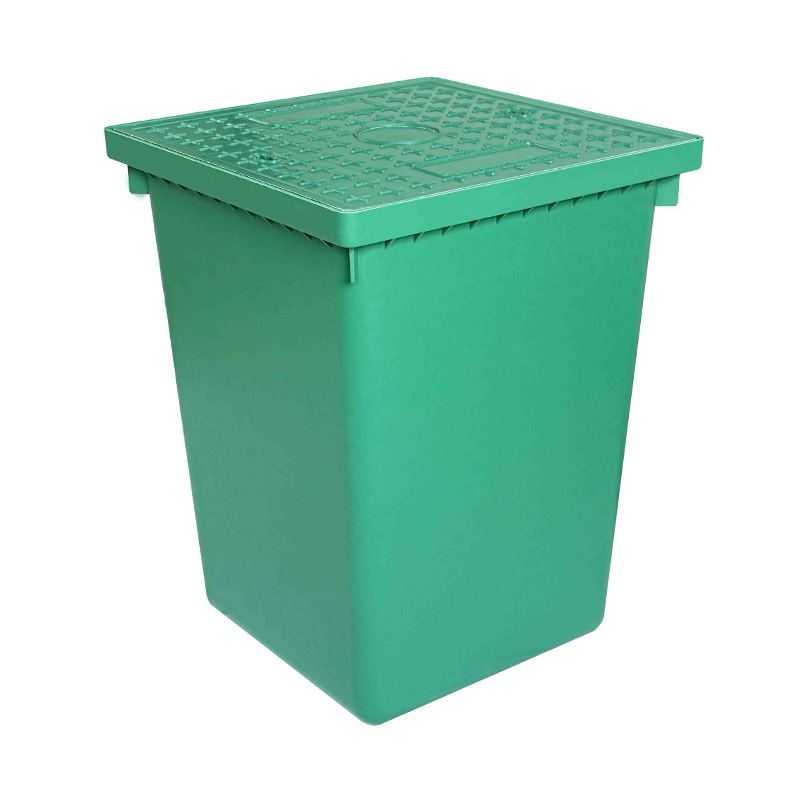
Drainage problems do not always come from insufficient water capacity. In many construction projects, poorly connected channel sections, incorrect installation levels, and weak joint structures can also affect drainage performance. For contractors, engineers, and wholesale buyers, these details deserve attention when selecting a Plastic Drain Channel. A well-matched drainage system should provide reliable connections, maintain consistent water flow, and remain practical for installation and maintenance.
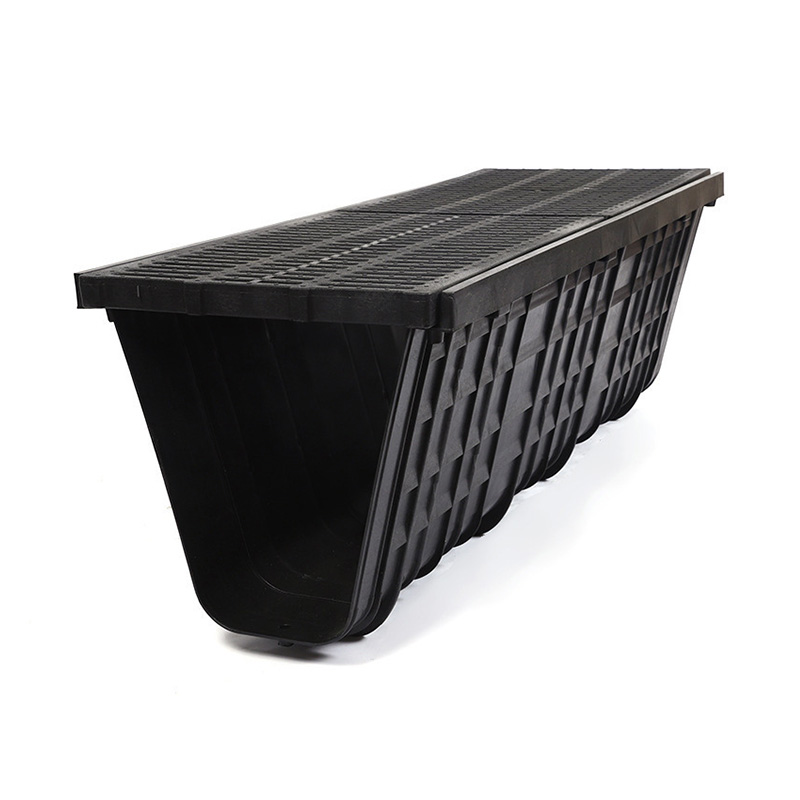
Understanding the Importance of Channel Connections
Long drainage lines often require multiple channel sections connected together. If the joints are poorly aligned, gaps or uneven transitions may appear between sections.
These problems can complicate installation and create areas where sediment accumulates. Buyers should therefore examine the connection structure before purchasing, especially when sourcing channels for large commercial or industrial projects.
Manufacturers should provide clear information about connection dimensions and compatible accessories to help contractors prepare their installation plans.
Maintaining Consistent Channel Alignment
Channel alignment directly affects the continuity of the drainage line. Even small positioning errors can create uneven sections that interfere with water movement.
During installation, construction teams should pay attention to:
- The planned drainage elevation.
- Alignment between adjacent channel sections.
- Stability of the supporting foundation.
- Connection accuracy at corners and outlets.
Checking these details before surrounding concrete is completed can reduce later adjustments.
Selecting Materials for Different Site Conditions
Drainage channels may be installed in parking facilities, factory grounds, commercial developments, and landscaped areas. Each environment presents different requirements regarding moisture exposure, traffic loads, and maintenance.
Plastic drainage channels are commonly selected for their lightweight construction and corrosion resistance. However, buyers should evaluate the actual material specifications and structural design rather than assuming every model suits every application.
The channel should be selected according to the expected operating conditions and installation requirements.
Avoiding Problems with Incorrect Drainage Gradients
A drainage channel must be installed at a suitable gradient to guide collected water toward the outlet. An incorrect slope may leave water standing inside the system, increasing sediment accumulation and cleaning requirements.
Engineers should determine the drainage direction and elevation before installation begins. Contractors should then check the channel position throughout construction to maintain the planned gradient.
Outlet locations and underground pipe connections should also be coordinated with the overall drainage layout.
Matching Grates with Channel Structures
Grates need to fit securely onto the corresponding channel body. Incompatible dimensions or fixing methods may cause movement, installation difficulties, or additional maintenance work.
When purchasing drainage components, buyers should confirm:
- Grate dimensions and opening structure.
- Fixing and locking arrangements.
- Applicable load classification.
- Compatibility with the selected channel model.
This is particularly important for projects exposed to regular pedestrian or vehicle traffic.
Making Maintenance Easier for Property Managers
A drainage system should remain accessible after construction is finished. Accumulated leaves, soil, and other debris can gradually affect water flow, particularly in outdoor environments.
Removable grates and accessible outlets make routine inspection more convenient. For distributors supplying commercial projects, providing compatible accessories and clear maintenance instructions can also add practical value to the product offering.
Working with Manufacturers on Project Requirements
For overseas buyers, choosing a supplier involves evaluating more than product appearance and purchase price. Dimensional consistency, connection quality, material information, packaging, and technical communication all influence procurement decisions.
Providing project drawings, installation locations, required dimensions, and loading conditions allows manufacturers to assess suitable product configurations before production.
A properly specified Plastic Drain Channel can help contractors avoid connection problems, maintain drainage continuity, and simplify installation. Careful attention to joint design and system compatibility also gives distributors a stronger basis for supplying drainage products to different construction markets.



 русский
 Español
 عربى