


 русский
 Español
 عربى
V-Shaped HDPE Building Materials Pipe Plastic Drainage Ditch
Cat: Plastic Drain Channel
The V-shaped HDPE building material pipeline plastic drainage trench represents a significant innovation in drainage technology, tailored to meet...
See DetailsIndustrial facilities often face oil-water separation problems caused by changing wastewater conditions, accumulated residue, or unsuitable equipment selection. For buyers evaluating a Plastic Oil Water Separator, the challenge is finding equipment that fits actual operating conditions while keeping cleaning and maintenance manageable. As a manufacturer, we focus on practical factors that help industrial users select suitable separation equipment and integrate it into existing wastewater treatment systems.
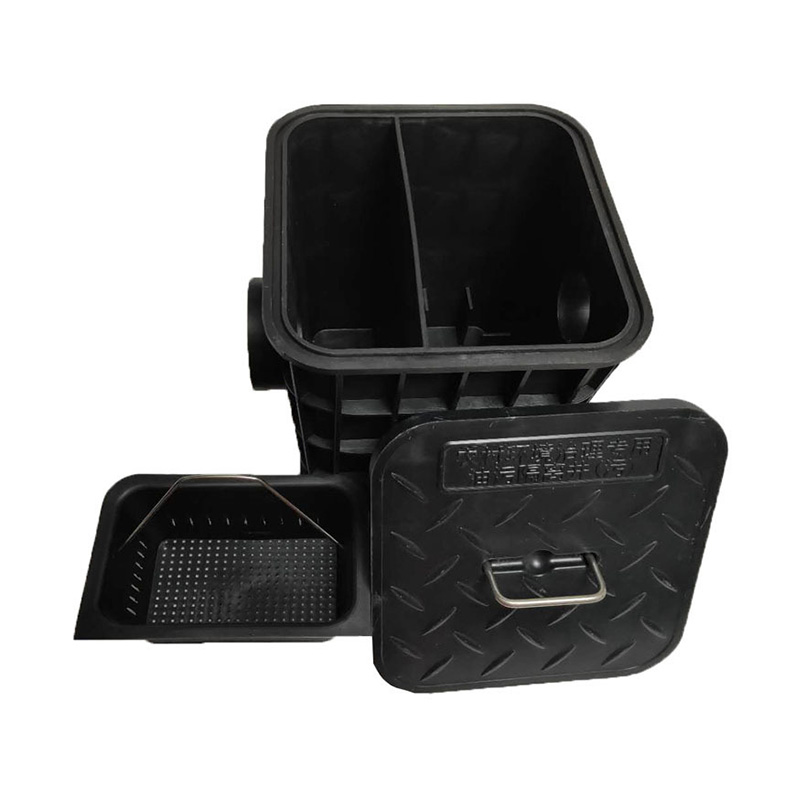
Separation performance can change when wastewater contains varying amounts of oil, suspended solids, or cleaning chemicals. Fluctuating flow rates may also reduce the time available for oil and water to separate.
Before selecting equipment, operators should identify the wastewater source and determine whether the oil is present as free oil or a stable emulsion. This distinction matters because gravity-based separation may not be sufficient for every wastewater type. Understanding the incoming water conditions helps buyers avoid unsuitable equipment choices.
Plastic equipment can offer useful corrosion resistance and practical installation options in suitable industrial environments. However, material selection should account for wastewater chemistry, operating temperature, and exposure conditions.
When purchasing a Plastic Oil Water Separator, buyers should confirm that the construction material is compatible with the liquids being treated. Outdoor installations may also require consideration of sunlight exposure and weather conditions. Reviewing these factors with the manufacturer helps reduce the risk of premature material deterioration.
Selecting equipment based only on average flow can cause problems when production activity increases wastewater discharge. Workshops, equipment cleaning stations, and manufacturing facilities may experience considerable changes in flow throughout the day.
Engineering teams should evaluate normal and peak flow rates, oil concentration, suspended solids, available installation space, and downstream treatment requirements. These details provide a more useful basis for equipment selection than nominal capacity alone and help ensure the separator fits the intended application.
Oil residue and settled solids can accumulate inside separation equipment, affecting operation when maintenance is delayed. Difficult access to internal components may also increase servicing time.
Before purchasing, check how collected oil is removed, whether sediment can be accessed, and how internal surfaces are cleaned. A clear maintenance procedure helps operators identify developing problems and plan servicing around production schedules. As a manufacturer, we recommend considering maintenance access during the initial equipment selection rather than after installation.
A separator needs to work with the other components of the wastewater treatment line. Upstream screening or sediment removal may help reduce solid particles entering the equipment, while downstream filtration or additional treatment may be required for certain wastewater conditions.
Buyers should review pipe connections, drainage arrangements, installation space, and discharge requirements before confirming an order. If the wastewater contains emulsified oil, additional treatment may be necessary because a conventional separator may not achieve the required result on its own.
For overseas distributors, contractors, and industrial buyers, a quotation should provide more than a price. Important details include material specifications, dimensions, connection requirements, operating conditions, and maintenance arrangements.
Providing the manufacturer with information about wastewater composition, expected flow variations, and site restrictions allows the proposed equipment to be assessed more accurately. Technical drawings and customization requirements should also be confirmed before production to reduce installation issues and communication gaps.
Reliable oil-water separation depends on matching equipment to wastewater characteristics, maintaining accessible components, and planning for integration with the existing treatment line. A properly specified Plastic Oil Water Separator can support industrial wastewater management when its capabilities suit the application. Working with an experienced manufacturer helps buyers evaluate technical requirements clearly and select equipment that fits their facility's operating conditions.
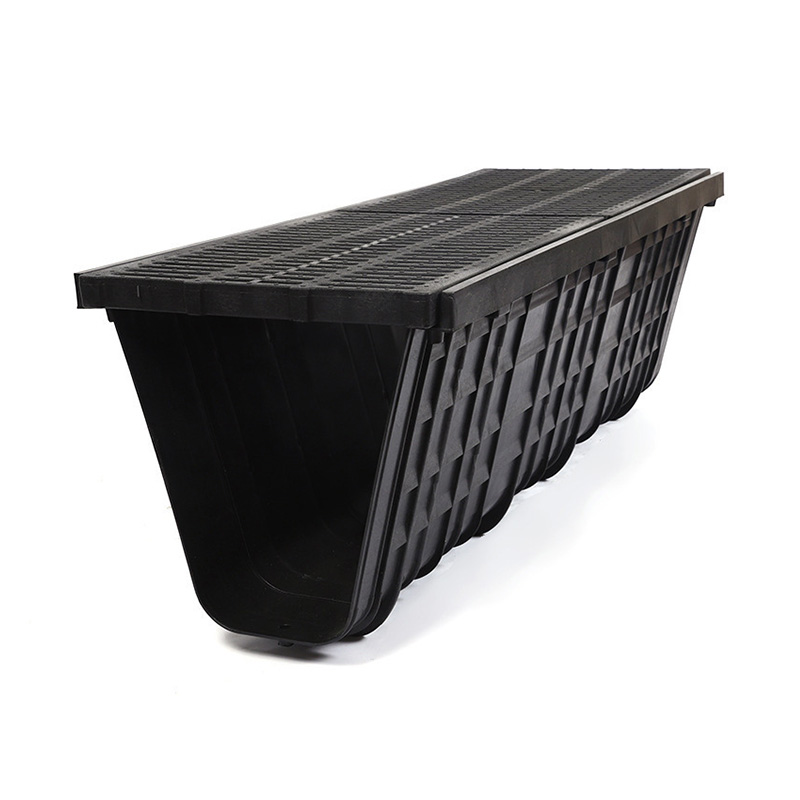
The V-shaped HDPE building material pipeline plastic drainage trench represents a significant innovation in drainage technology, tailored to meet...
See Details
Circular buried oil interceptor wells are underground structures designed to intercept, collect, and contain oil pollutants from stormwater runof...
See Details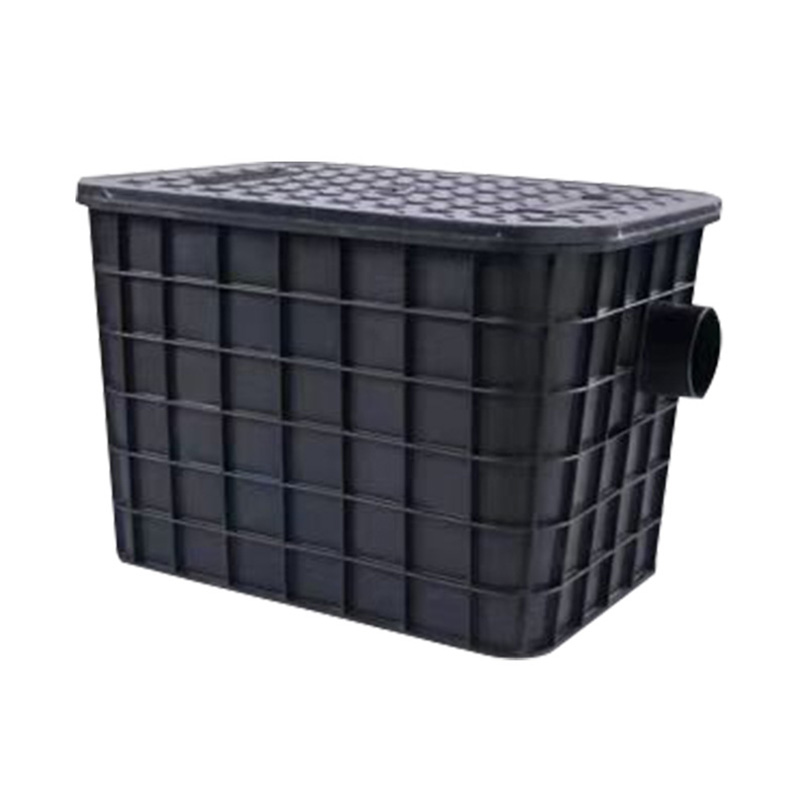
HDPE (High-Density Polyethylene) plastic buried oil interceptor wells represent a modern and efficient solution designed to intercept, separate, ...
See Details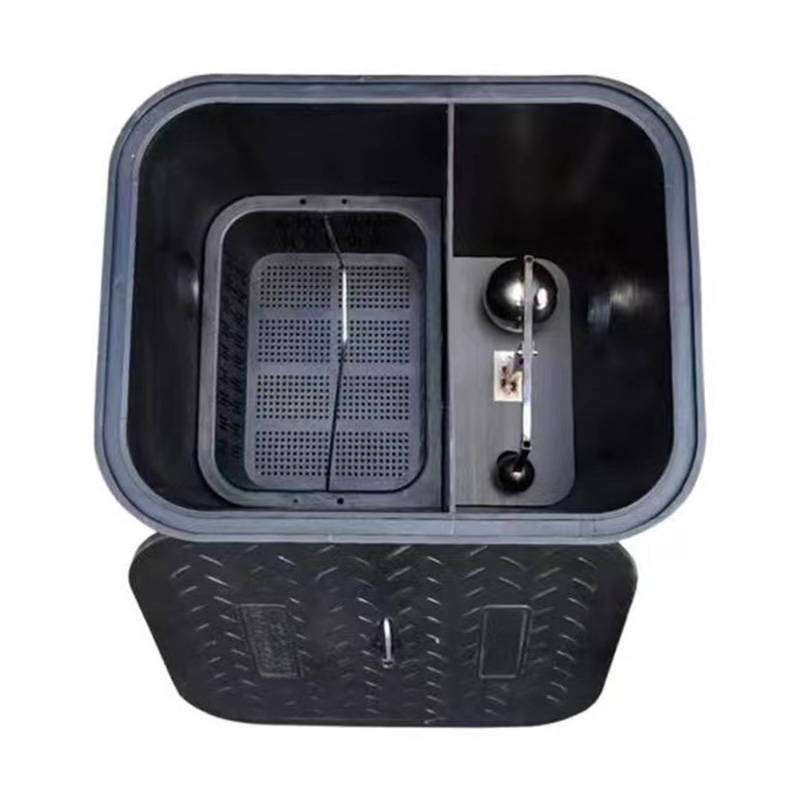
Balcony and roof rainwater diverters are devices installed on balconies, rooftops, or other outdoor areas to redirect rainwater runoff away from ...
See Details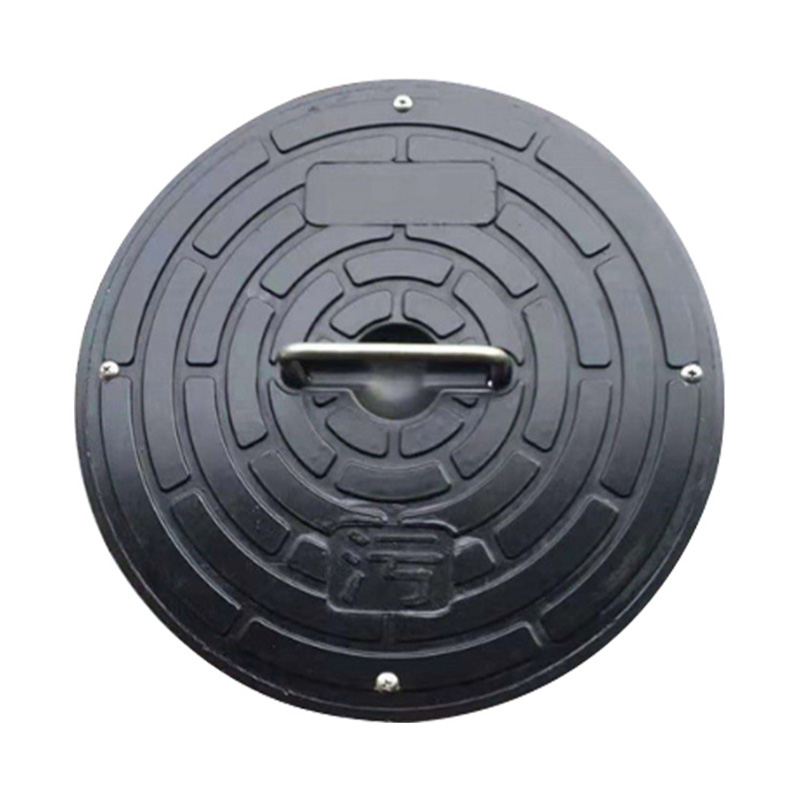
The PE plastic circular composite sewage manhole cover represents an innovative solution designed to enhance the durability, safety, and efficien...
See Details
The Simple Round Breeding Cage features a durable and lightweight construction, making it suitable for both indoor and outdoor use. Its round sha...
See DetailsIt would be great to hear from you!

The company independently develops HDPE drainage ditches, cage supports, and reinforced three-format plastic septic tank products, etc.


Phone: +86-13357651618
Tel: +86-0576-82929520
Email: [email protected]
Address: Heyu Industrial Zone, Yuanqiao Town, Huangyan District, Taizhou City, Zhejiang Province, China
Copyright © 2024 Taizhou Weicai Plastic Industry Co., Ltd. All Rights Reserved.

Plastic Drainage System Manufacturer