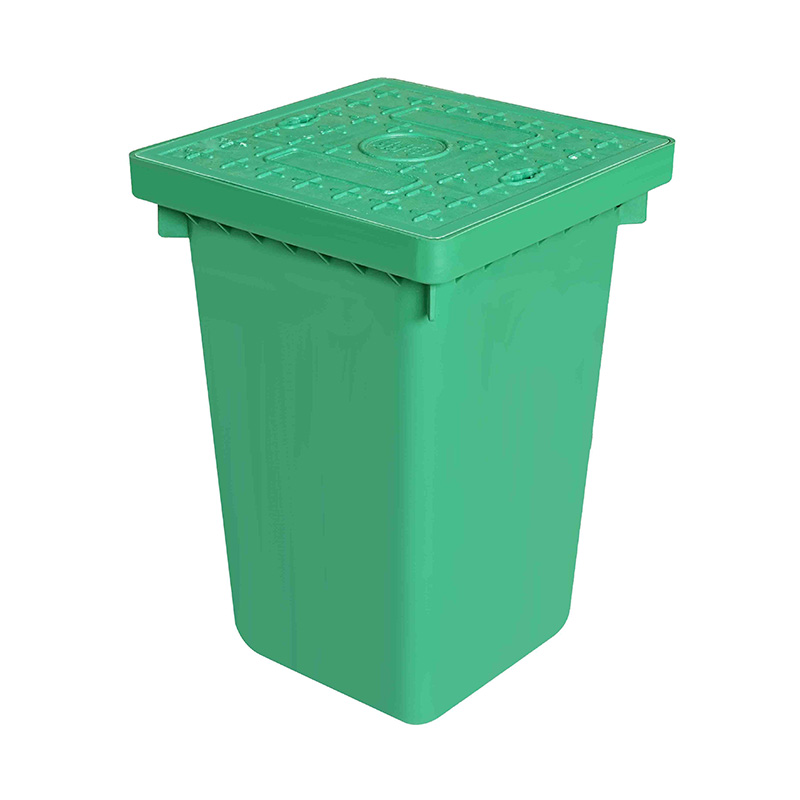
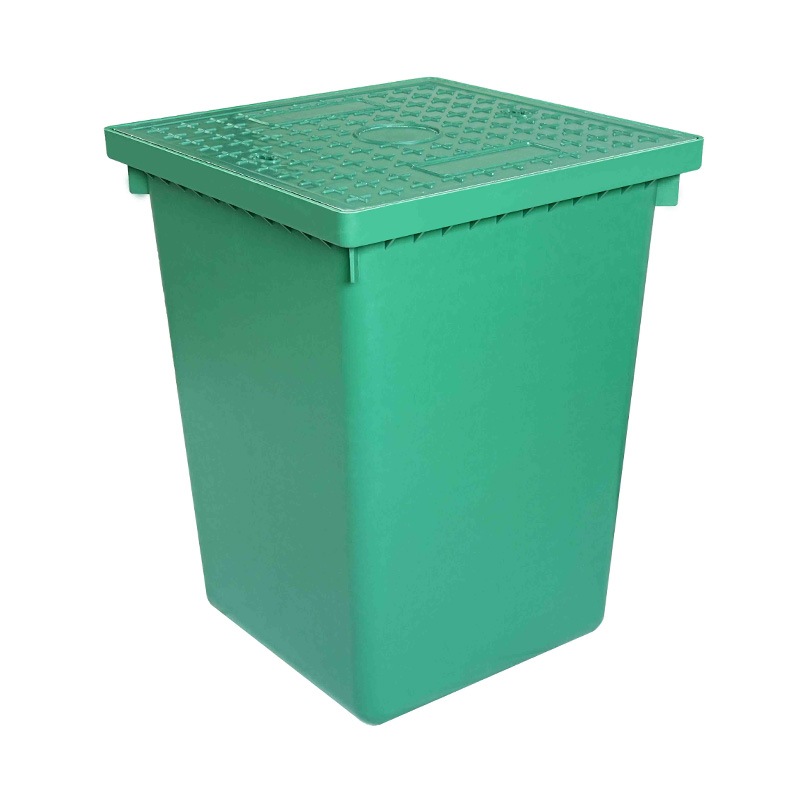
Oily wastewater can create unexpected problems in vehicle washing areas, machine workshops, and industrial cleaning facilities. Oil buildup, blocked drainage, and inconsistent separation results may disrupt daily operations if the treatment system is not properly maintained. A Plastic Oil Water Separator can help manage these challenges, but its performance depends on wastewater conditions, equipment selection, and regular inspection. As a manufacturer, we focus on practical solutions that help customers maintain stable operation and simplify routine maintenance.
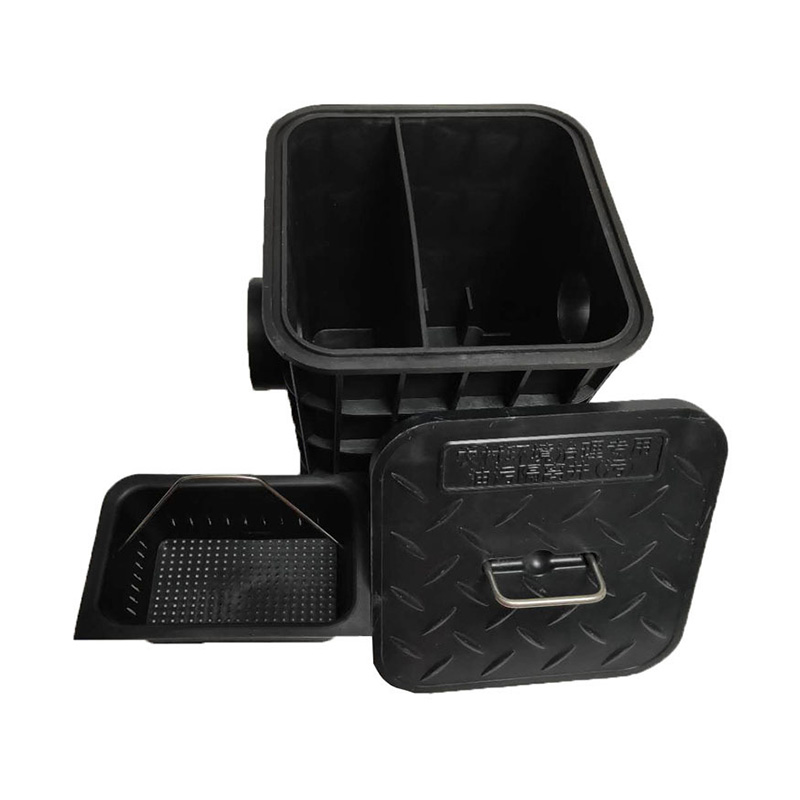
Detergents Can Change Oil Separation Performance
Cleaning chemicals are often used to remove grease from machinery, vehicle parts, and working surfaces. However, some detergents disperse oil into smaller droplets, making gravity separation more difficult. Operators may notice cloudy outlet water or oil remaining after the normal treatment process.
When these problems occur, check the cleaning products used upstream and review the wastewater composition. A gravity separator is generally suited to separating free oil, while stable emulsions may require additional treatment. Understanding the source of the problem helps prevent unnecessary equipment replacement.
Sludge Accumulation Reduces Available Separation Space
Sand, dirt, metal particles, and other solids can enter the separator with wastewater. Over time, settled material occupies space inside the tank and may interfere with water movement. If the inlet becomes restricted, drainage can slow down and maintenance demands can increase.
A practical inspection routine should include checking the tank bottom, inlet pipe, outlet pipe, and accessible internal components. Remove accumulated sludge according to operating conditions and equipment instructions. Regular cleaning also gives operators an opportunity to identify damage before it develops into a more serious maintenance issue.
Flow Fluctuations Can Disrupt Normal Operation
Some facilities produce wastewater continuously, while others discharge large amounts during short cleaning periods. Sudden increases in flow can reduce the time available for oil droplets to rise and separate from water.
Before selecting a Plastic Oil Water Separator, buyers should consider both normal operating flow and peak discharge conditions. Where wastewater production varies considerably, a collection tank or suitable flow-control arrangement may help provide more consistent inlet conditions. The appropriate solution depends on the site layout and treatment requirements.
Plastic Material Selection Requires Application Details
Plastic construction can offer corrosion resistance and easier handling in suitable applications. Nevertheless, compatibility varies with the polymer, wastewater composition, and operating environment. Certain oils, solvents, cleaning agents, and temperature conditions may affect material performance.
When discussing equipment with a manufacturer, provide details about the wastewater source, chemicals used during cleaning, and expected operating temperature. These factors help determine whether the proposed material and separator configuration are appropriate for the intended service.
Installation Planning Helps Prevent Avoidable Problems
A suitable separator can still cause difficulties when installed without considering drainage layout and maintenance access. Poorly arranged pipework, unsuitable inlet conditions, or limited space around the tank may complicate operation and servicing.
Before installation, review the following points:
- Available installation space and equipment dimensions.
- Inlet and outlet positions and pipe connections.
- Access for oil removal, sludge cleaning, and inspection.
- Provisions for safe handling of collected waste.
Discussing these details before delivery can reduce installation adjustments and help operators establish a workable maintenance routine.
Manufacturer Communication Improves Equipment Selection
For distributors, contractors, and industrial buyers, product selection should begin with the actual application rather than price alone. Relevant information includes estimated wastewater flow, oil characteristics, suspended solids, cleaning chemicals, and discharge requirements.
As a manufacturer, we use these details to assess application suitability and discuss material selection, configuration, and installation considerations. Clear communication also helps identify cases where pretreatment or additional wastewater treatment may be necessary.
Build a More Manageable Wastewater Treatment Routine
Consistent oil separation requires suitable equipment, controlled flow, compatible materials, and timely maintenance. Monitoring changes in outlet water, checking for sludge buildup, and investigating detergent-related problems can help facilities address issues before they affect daily work. For businesses handling oily wastewater, a properly selected Plastic Oil Water Separator provides a practical part of a wastewater management system designed around real operating conditions.



 русский
 Español
 عربى
عربى