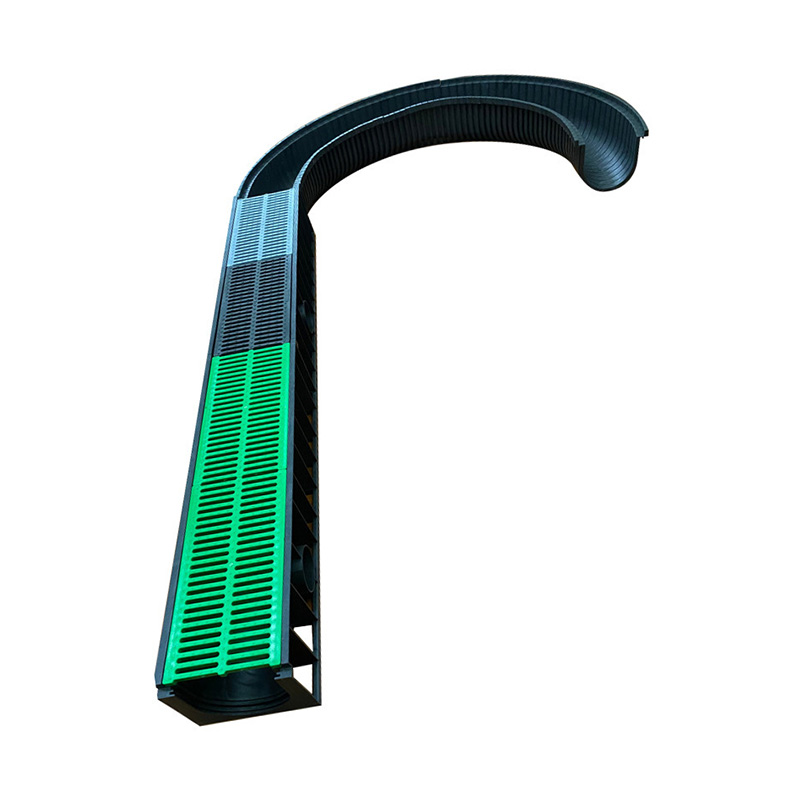
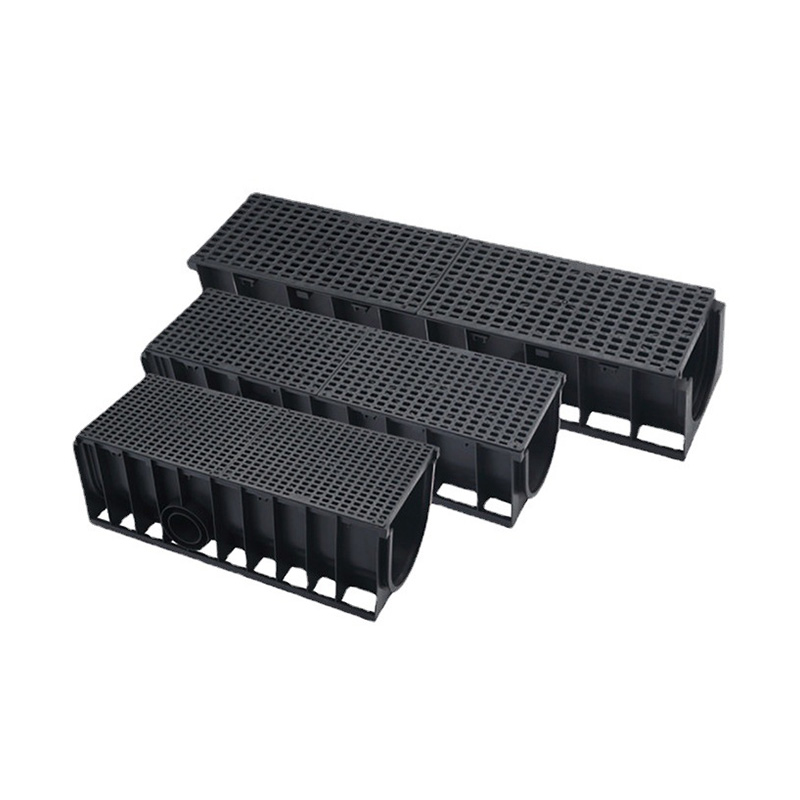
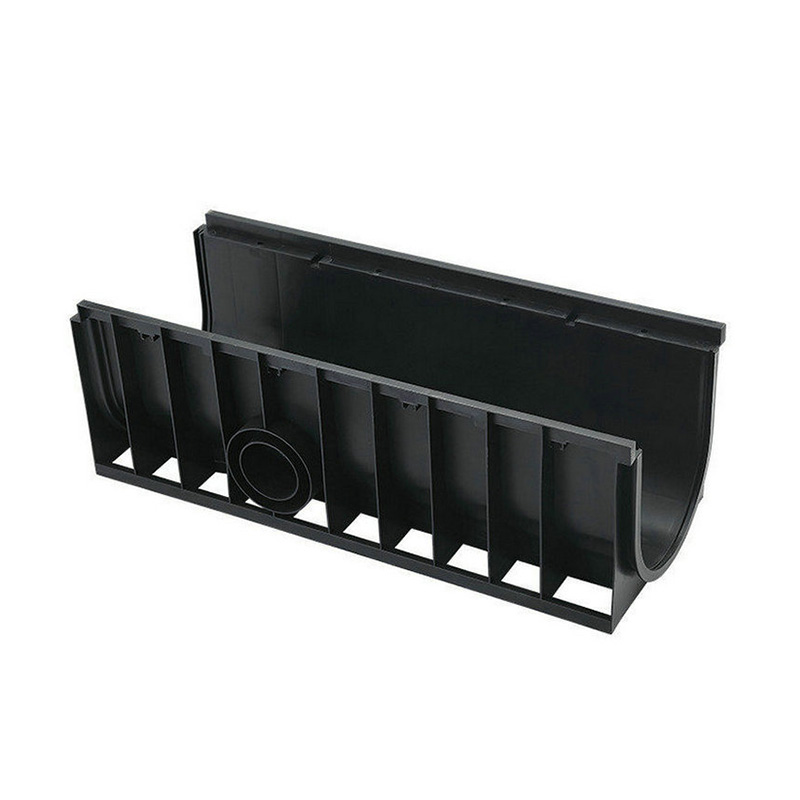
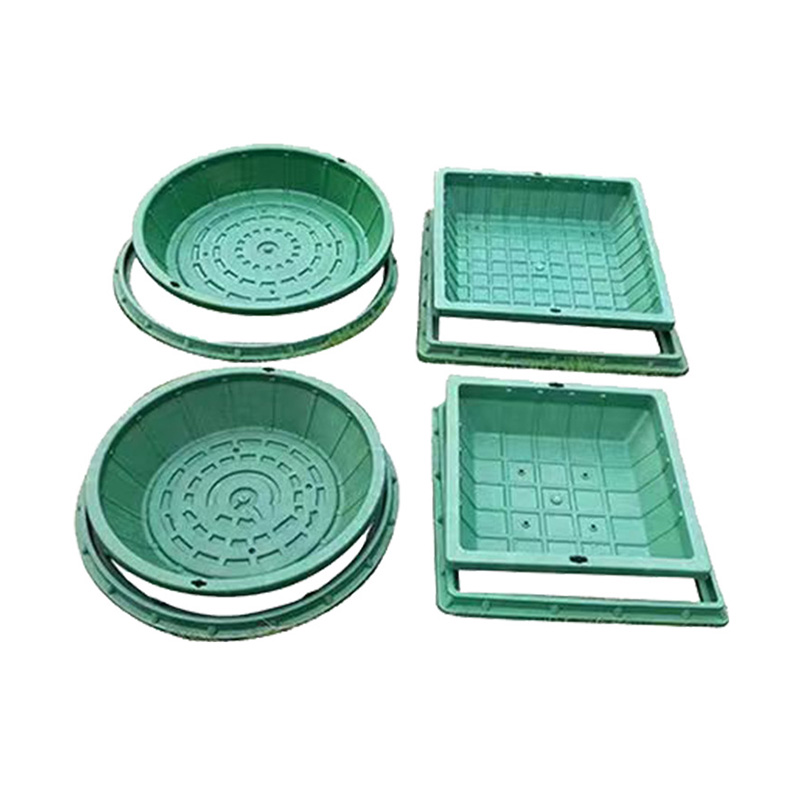
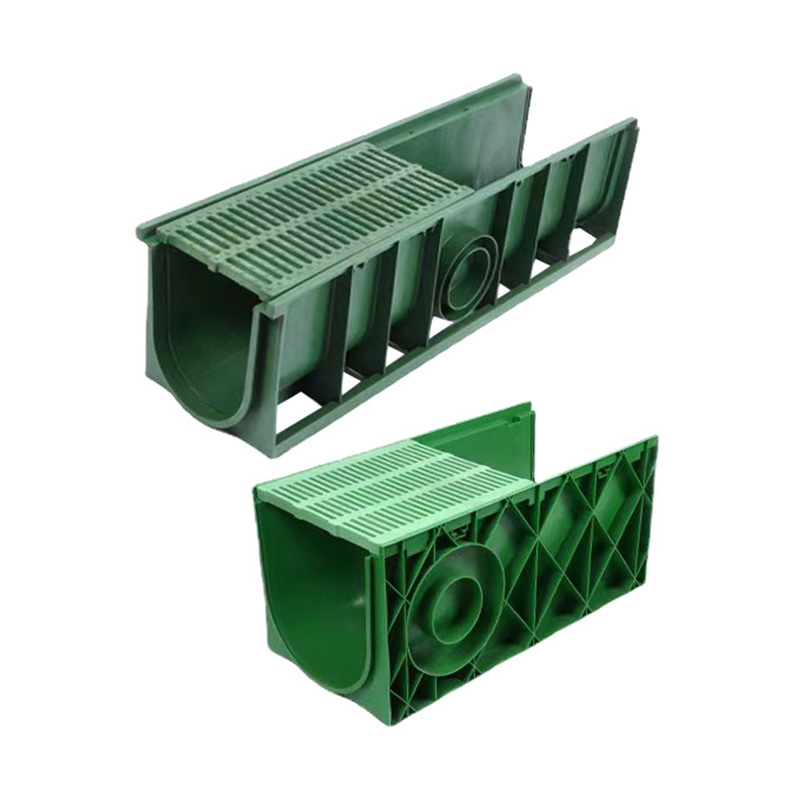
Heavy rainfall, surface water accumulation, and drainage blockages can create ongoing problems for residential, commercial, and industrial projects. For contractors and drainage system distributors, choosing the right Plastic Drain Channel is not simply about finding a suitable product size. Water flow capacity, installation conditions, load requirements, and long-term maintenance all influence the performance of a drainage system. As a manufacturer, we believe that understanding these practical factors before installation helps buyers avoid unnecessary replacements and improve project reliability.
Choosing the Right Channel Size for Different Drainage Needs
One common problem in drainage projects is selecting a channel that cannot handle the expected volume of surface water. A narrow or shallow channel may struggle during periods of heavy rainfall, especially around large paved areas.
Before selecting a plastic drainage channel, project planners should consider:
- Water collection area: Larger paved surfaces generally require more attention to drainage capacity.
- Channel depth and width: These dimensions influence how much water the channel can collect and transport.
- Outlet position: The distance to the discharge point and the available drainage connections affect water movement.
- Installation slope: An appropriate gradient helps water move toward the outlet instead of remaining inside the channel.
Matching channel dimensions with actual site conditions is more practical than choosing products based on appearance alone.
Material Performance Matters in Outdoor Environments
Outdoor drainage products are regularly exposed to rainwater, soil, sunlight, temperature changes, and cleaning activities. These conditions can influence material performance over time.
Plastic Drain Channel products are widely considered for outdoor drainage because plastic construction offers corrosion resistance and convenient handling compared with many traditional metal alternatives.
However, buyers should pay attention to material quality, wall structure, dimensional consistency, and resistance to the environmental conditions expected at the installation site. For projects exposed to prolonged sunlight, UV resistance should also be considered.
As a manufacturer, we recommend evaluating the actual material specifications rather than assuming that all plastic channels offer the same performance.
Load Requirements Should Match the Installation Area
Another important consideration is the weight that a drainage channel will experience after installation. A channel installed beside a garden walkway has different requirements from one positioned in a commercial parking area.
Engineers should evaluate pedestrian traffic, passenger vehicles, delivery trucks, and maintenance equipment before selecting a drainage system.
Where EN 1433 applies, its load classifications provide a reference for selecting channel systems according to their intended installation environments. Buyers should also check whether the required classification depends on a concrete surround and whether the complete channel-and-grating assembly meets project specifications.
aco.com+1
Preventing Blockages Through Practical Drainage Design
Leaves, sand, small stones, and other debris can gradually accumulate inside drainage channels. When these materials restrict water movement, surface water may collect around the installation area.
Several practical measures can help reduce this problem:
- Select a suitable grating design to limit the entry of larger debris.
- Position inspection and cleaning access where maintenance teams can reach it.
- Consider drainage baskets or collection units where the system design supports them.
- Schedule inspections after heavy rainfall or seasonal leaf fall.
A removable grating can also make routine cleaning more convenient, helping maintenance teams inspect the channel without unnecessary disruption.
Correct Installation Protects Long-Term Performance
Even a well-designed Plastic Drain Channel may experience problems if the installation is not properly prepared. Uneven foundations, insufficient concrete support, incorrect alignment, and poorly connected outlets can affect drainage performance.
Before installation, contractors should prepare a stable base and confirm the channel route, discharge direction, and finished ground level. The surrounding concrete support should follow the manufacturer's installation requirements and the project's structural specifications.
It is also important to keep construction debris out of the channel during paving and concrete work. Following the correct installation sequence helps reduce alignment problems and protects the drainage structure.
aco.com+1
Matching Product Specifications with Project Requirements
For overseas distributors, construction contractors, and engineering buyers, product selection also involves checking whether the available specifications meet local project requirements.
When comparing plastic channel drainage systems, buyers should review:
- Channel dimensions and available configurations.
- Material composition and relevant performance documentation.
- Compatible grating and connection accessories.
- Applicable load classification and installation requirements.
- Packaging, product consistency, and supply arrangements.
Clear technical communication between buyers and manufacturers can prevent specification misunderstandings before bulk orders are placed.
Manufacturer Support Makes Product Selection Easier
Drainage projects often involve different site conditions, installation methods, and maintenance expectations. A product suitable for a residential driveway may not be appropriate for a commercial loading area. This is why product recommendations should be based on application details rather than general product descriptions.
As a Plastic Drain Channel manufacturer, we encourage buyers to share their intended applications, required dimensions, expected traffic conditions, and connection requirements before confirming an order. With the right product selection and installation planning, a suitable Plastic Drain Channel can support effective surface water management while making future maintenance more manageable.



 русский
 Español
 عربى