


 русский
 Español
 عربى
عربىHDPE Plastic Sewage Underground Oil Isolation Well
Cat: Separated Oil Well
HDPE (High-Density Polyethylene) plastic buried oil interceptor wells represent a modern and efficient solution designed to intercept, separate, ...
See DetailsAs offshore fish farming expands into more exposed marine environments, cage operators are placing greater attention on net maintenance, water exchange, and operational efficiency. For a Deep Sea Aquaculture Cage, the net system is not simply a containment barrier. Its condition can influence water flow, fish welfare, inspection work, and long-term maintenance requirements. Recent aquaculture research has also highlighted biofouling as an important factor affecting cage net performance, making net management a practical issue for buyers evaluating offshore farming equipment.
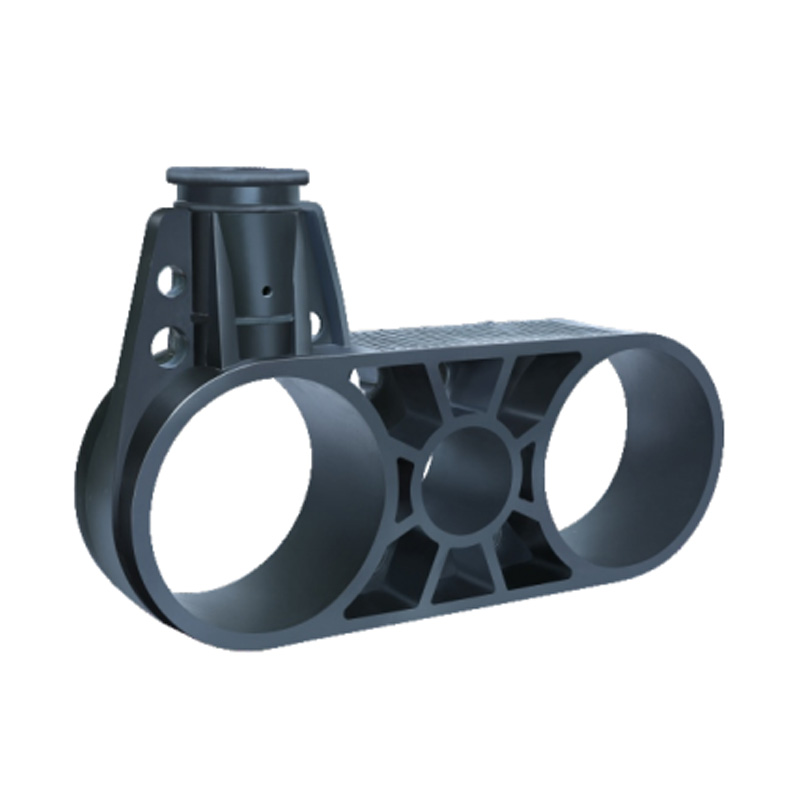
Algae, mussels, hydroids, tunicates, and other marine organisms can accumulate on cage netting over time. This buildup may reduce mesh openings and restrict water exchange. Research published in 2026 indicates that depth, wave exposure, and seasonal conditions can influence the composition of biofouling communities on aquaculture nets.
For operators, this means that net maintenance should be considered during cage selection rather than treated as an issue after installation.
Good water exchange is important for maintaining suitable conditions inside an offshore cage. When marine growth covers a significant portion of the net surface, the effective flow area can change, increasing the maintenance burden.
During procurement, buyers can evaluate:
These details can make routine operation easier to organize.
Manual net cleaning can require considerable labor, vessel support, and operational planning. New research is increasingly examining underwater net-cleaning equipment designed specifically for deep-sea aquaculture cages. Current studies focus on cleaning efficiency, equipment adhesion to flexible net surfaces, navigation, and movement control.
For manufacturers, this development creates an opportunity to design cage structures with maintenance access and cleaning operations in mind from the beginning.
The net should not be evaluated independently from the cage frame. In exposed offshore conditions, waves and currents continuously load both the structural system and netting. Recent offshore aquaculture research identifies net integrity, station-keeping, and cage structural performance as closely connected engineering concerns.
A suitable cage design therefore needs coordinated consideration of net attachment, load transfer, frame connections, and mooring arrangements.
A technically sound cage still needs practical maintenance arrangements. Inspection points, accessible connection areas, replaceable net sections, and compatible cleaning methods can help operators organize maintenance without unnecessary disruption to farming activities.
From a manufacturer's perspective, these details are part of system design rather than optional accessories. They should be discussed according to the farm's operating environment and maintenance resources.
When comparing offshore aquaculture cage suppliers, buyers may benefit from looking beyond frame dimensions and nominal cage capacity. Net material, fouling management, cleaning compatibility, spare-part availability, and maintenance procedures can have a direct influence on the ownership experience.
This is particularly relevant for projects operating in areas where marine growth develops rapidly or where access for maintenance vessels is limited.
As offshore farming develops, cage design is increasingly connected with maintenance planning. A Deep Sea Aquaculture Cage should provide suitable structural support while allowing operators to manage net inspection, cleaning, replacement, and mooring-related maintenance efficiently. By addressing these practical requirements during the engineering and procurement stages, manufacturers can help buyers build offshore farming systems that are easier to operate and maintain over their working life.
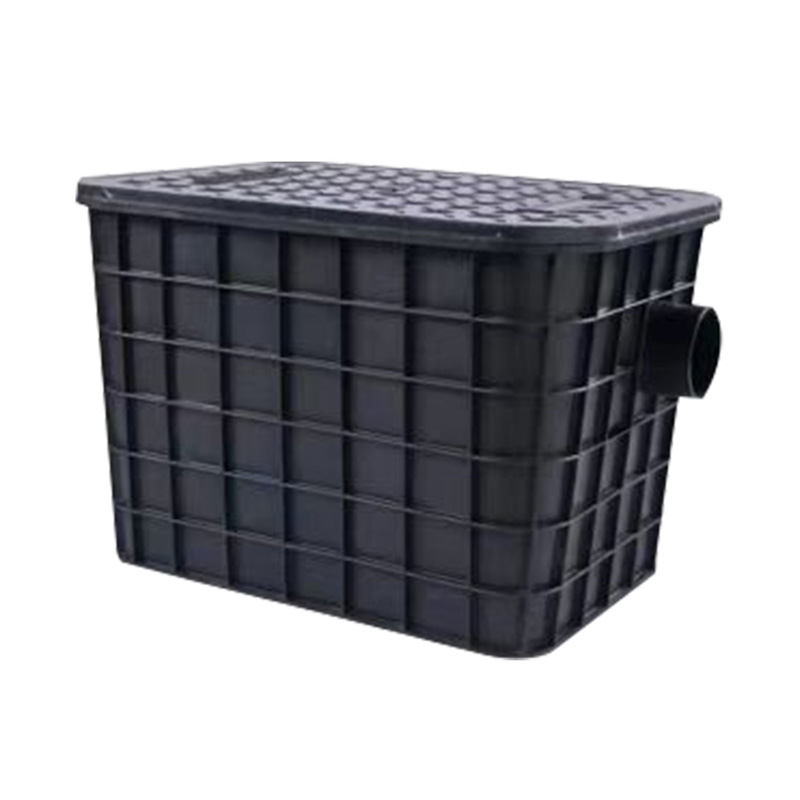
HDPE (High-Density Polyethylene) plastic buried oil interceptor wells represent a modern and efficient solution designed to intercept, separate, ...
See Details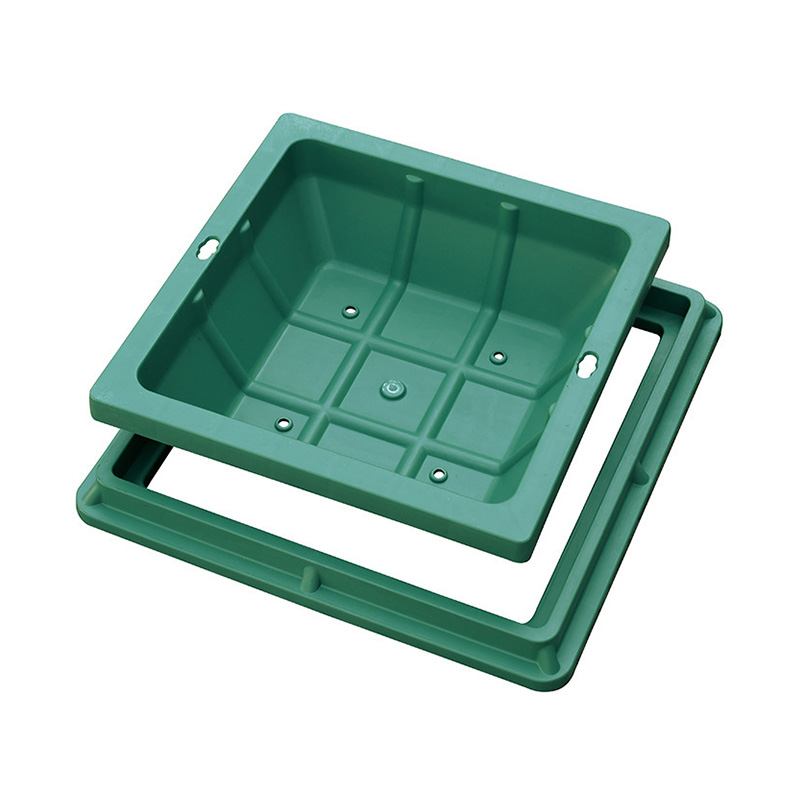
PE greening recessed manhole covers with circular and square rings represent innovative solutions designed to blend seamlessly with green spaces ...
See Details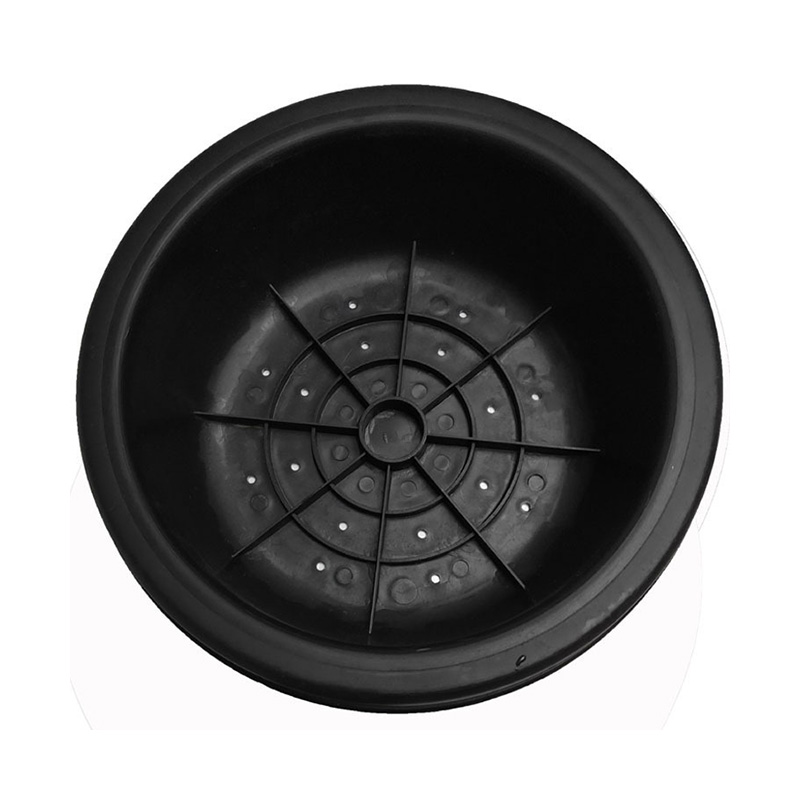
The composite resin recessed lawn decoration well cover represents an innovative solution designed to provide structural support while discreetly...
See Details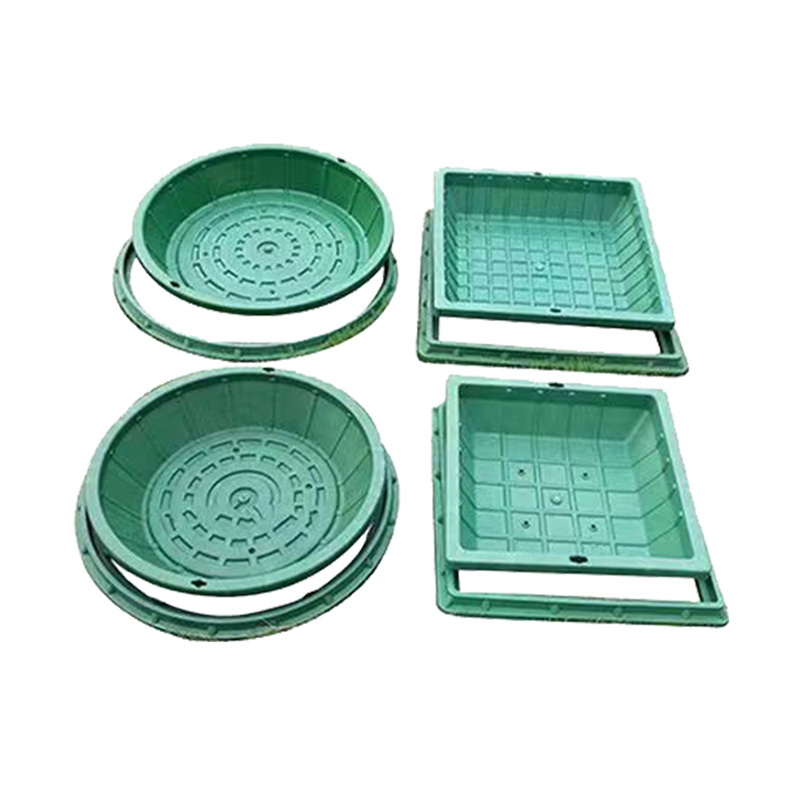
In the realm of landscaping and urban beautification, the integration of functional and aesthetically pleasing elements is essential for creating...
See Details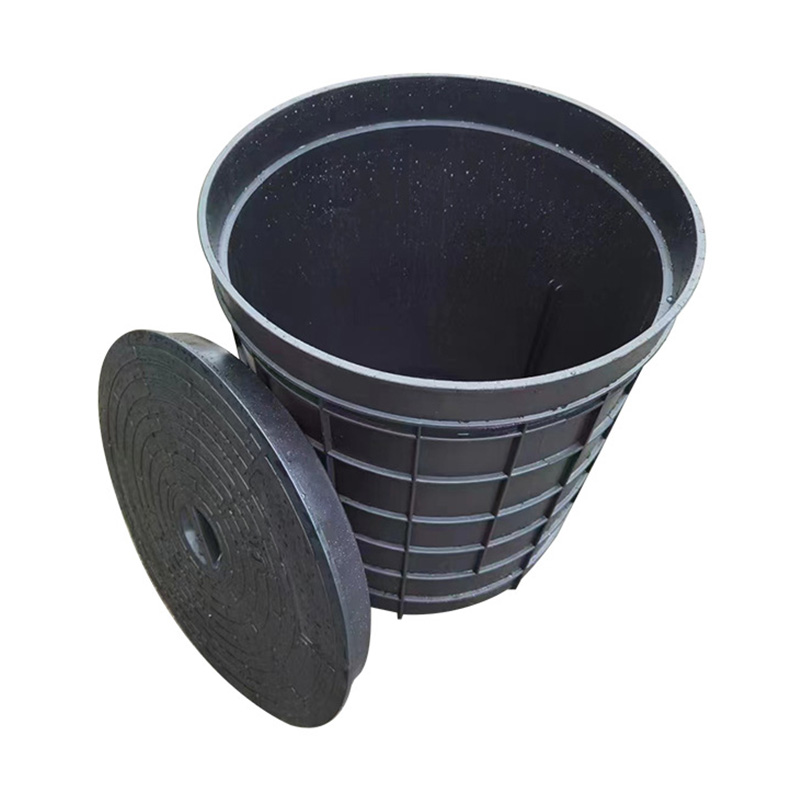
Drainage and sewage plastic water meter box is a container used to install equipment such as water meters, pipes and valves. It is usually used i...
See Details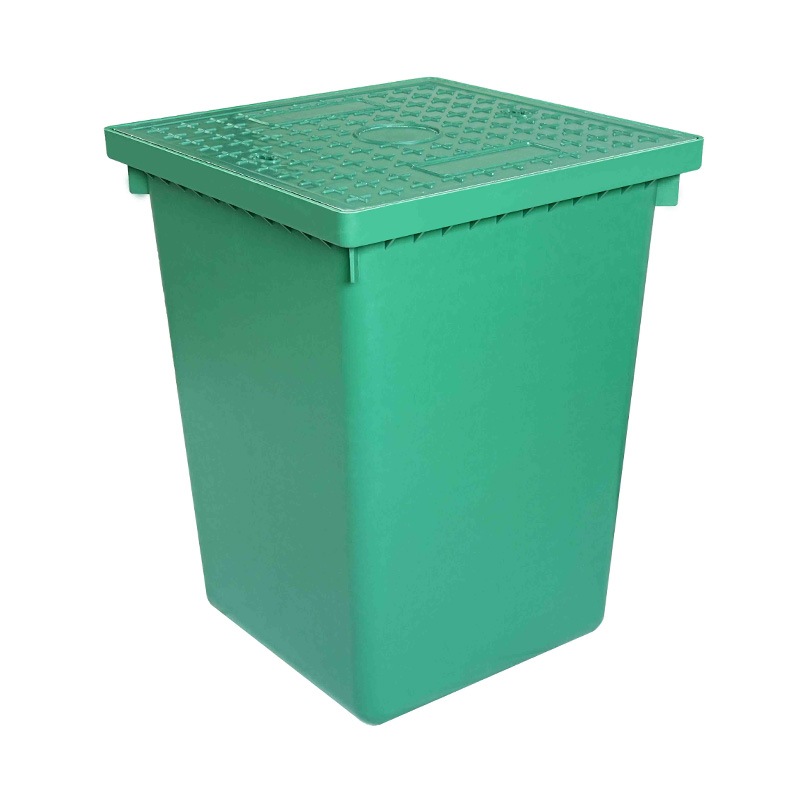
The composite resin square round threaded integrated cable chamber box well is a pipeline facility used in urban roads, squares, residential area...
See DetailsIt would be great to hear from you!

The company independently develops HDPE drainage ditches, cage supports, and reinforced three-format plastic septic tank products, etc.


Phone: +86-13357651618
Tel: +86-0576-82929520
Email: [email protected]
Address: Heyu Industrial Zone, Yuanqiao Town, Huangyan District, Taizhou City, Zhejiang Province, China
Copyright © 2024 Taizhou Weicai Plastic Industry Co., Ltd. All Rights Reserved.

Plastic Drainage System Manufacturer