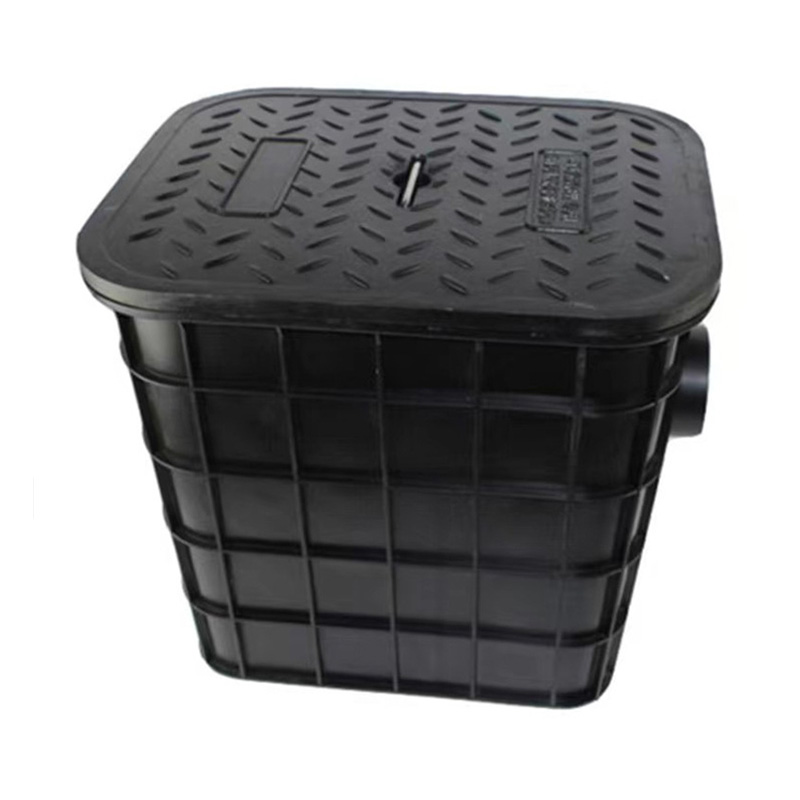
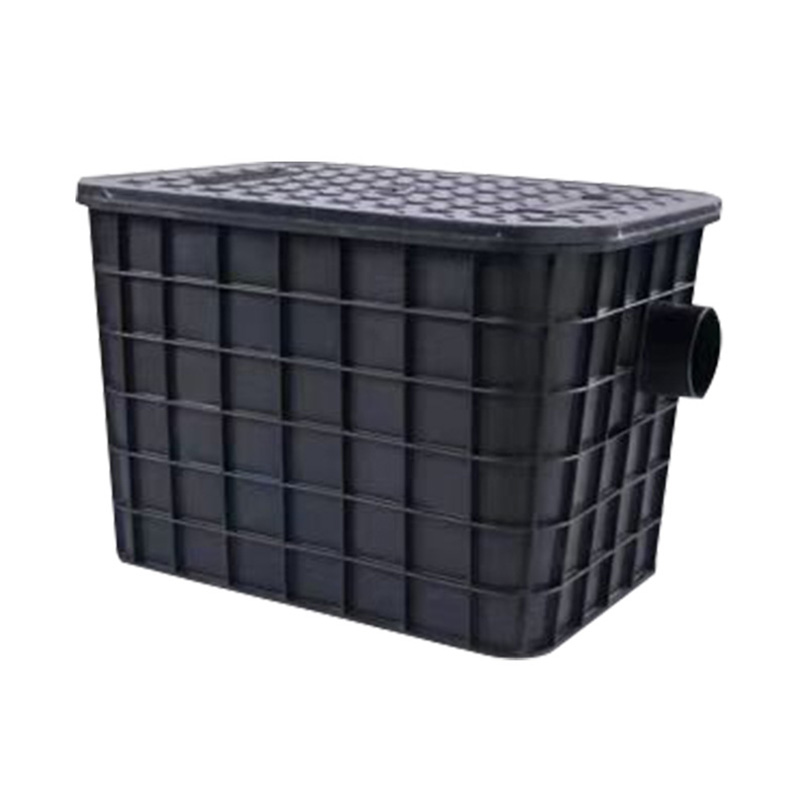
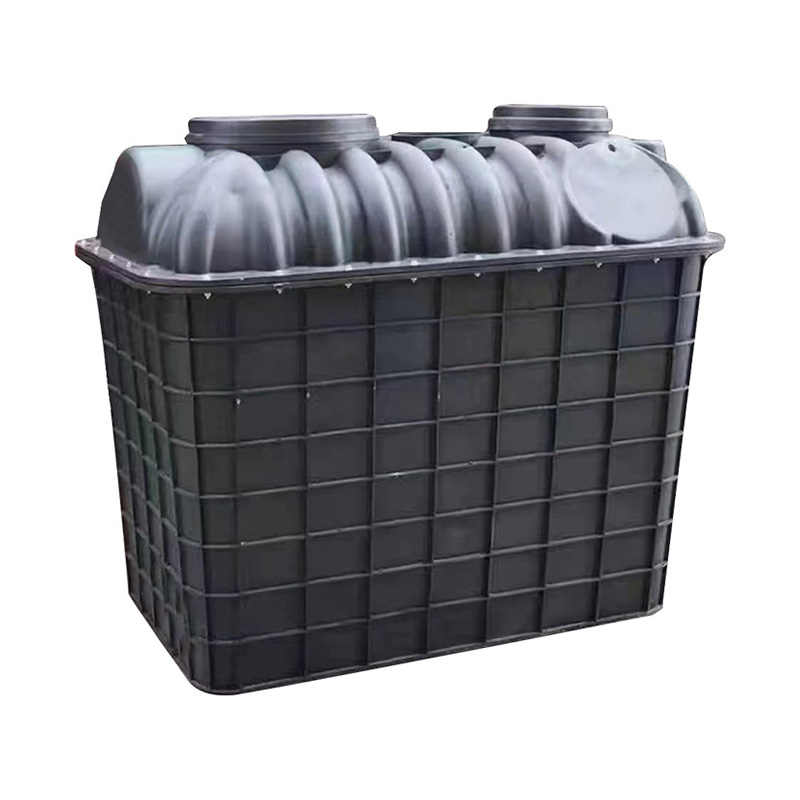
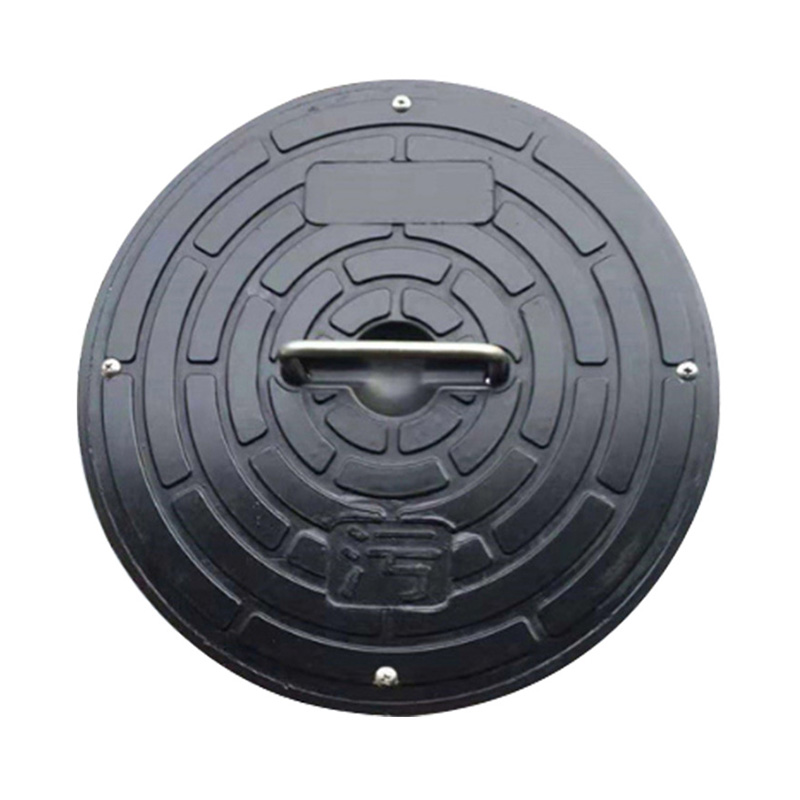
Heavy rainfall can expose weaknesses in surface drainage systems, particularly around commercial buildings, paved walkways, parking lots, and industrial facilities. Water that cannot enter drainage channels quickly may accumulate on the surface, creating inconvenience and potential safety concerns. For contractors, project engineers, and wholesale buyers, selecting the right Plastic Drain Channel involves understanding how water enters the channel, how debris affects drainage, and how the complete system connects to underground pipes.
Improving Water Collection at the Surface
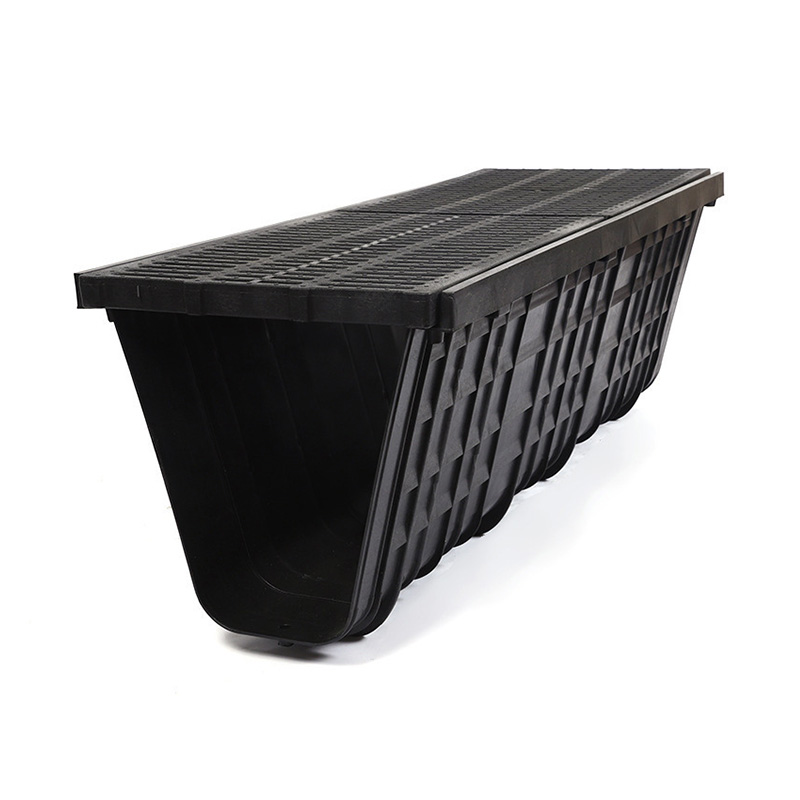
The grate opening plays an important role in how efficiently surface water enters a drainage channel. If the opening is too small or poorly matched to the installation environment, water collection may be affected.
When selecting a drainage system, buyers should consider the following details:
- Grate opening size and distribution.
- Channel width and internal depth.
- Surface slope around the installation area.
- Expected water flow during rainfall.
- Compatibility with surrounding paving materials.
A coordinated design helps prevent water from bypassing the drainage line during normal site operation.
Preventing Blockages from Leaves and Sediment
Outdoor drainage systems frequently collect leaves, sand, soil, and other debris. These materials can gradually restrict water movement and increase cleaning requirements.
For this reason, drainage channels should provide convenient access for inspection. Removable grates allow maintenance teams to check the internal condition and remove accumulated materials.
For projects near gardens, landscaped areas, or parking facilities, buyers should also consider how surrounding surfaces may introduce debris into the drainage system.
Choosing Materials for Long-Term Outdoor Use
Outdoor drainage products must withstand regular exposure to moisture, sunlight, soil, and changing environmental conditions.
Plastic drainage channels are used in many surface drainage applications because they are lightweight, corrosion-resistant, and convenient to handle. However, material selection should not rely on general descriptions alone.
Procurement teams should request information about material composition, structural design, temperature suitability, and applicable installation conditions. These details help determine whether a product matches the intended operating environment.
Coordinating Channel Outlets with Drainage Pipes
An effective drainage system needs more than a channel that collects surface water. Water must also move smoothly from the channel into the connected drainage network.
Incorrect outlet positioning or incompatible pipe connections can complicate construction and affect system performance.
Before ordering, engineers should confirm outlet diameter, connection direction, installation depth, and the position of underground pipes. Providing installation drawings to the manufacturer can help identify dimensional conflicts before products arrive at the construction site.
Selecting Grates According to Traffic Conditions
Different installation areas require different grate structures. A pedestrian walkway, commercial parking area, and industrial vehicle route do not share identical loading requirements.
Buyers should check the load classification of the complete channel and grate assembly. The supporting foundation and surrounding concrete installation must also follow the relevant project specifications.
Selecting compatible components helps reduce the risk of structural damage during daily operation.
Making Installation More Efficient
Installation difficulties often come from poor coordination between product dimensions and site preparation. Uneven foundations, incorrect channel alignment, and insufficient support can create problems after paving work is completed.
To avoid unnecessary adjustments, contractors should check product drawings before construction and confirm the required drainage gradient. Channel sections should also be aligned carefully to maintain continuous water flow.
Clear installation guidance from manufacturers can help construction teams complete these tasks with fewer on-site complications.
Making Better Decisions When Sourcing from Manufacturers
For overseas distributors and construction material buyers, product consistency is an important consideration when selecting a drainage supplier.
Before placing bulk orders, procurement teams should evaluate available sizes, material specifications, grate compatibility, outlet options, packaging, and technical support. Samples and dimensional drawings can also help confirm whether the product fits existing project requirements.
A properly selected Plastic Drain Channel supports effective rainwater collection, convenient maintenance, and smoother construction. By evaluating the entire drainage arrangement rather than focusing only on the channel itself, buyers can make more practical purchasing decisions for commercial and infrastructure projects.



 русский
 Español
 عربى